
Goods for Guilds Lets You Build the Supply Line for Epic Quests
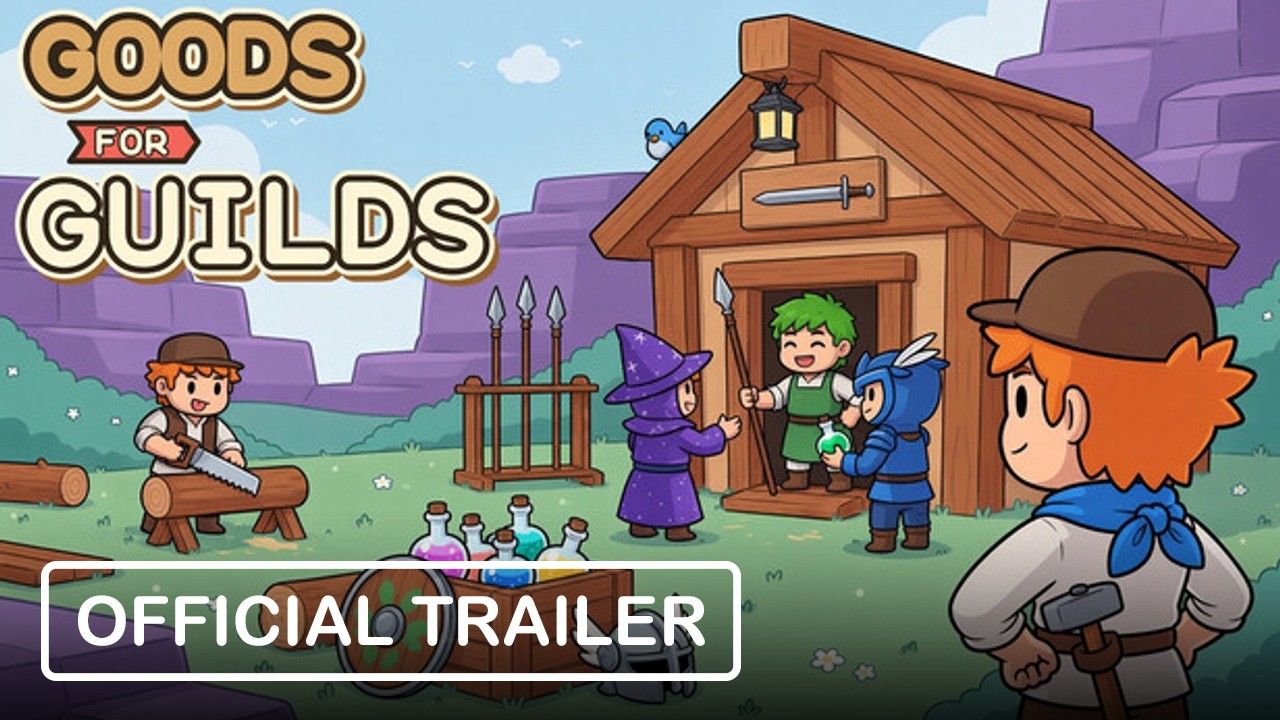
Heroes go on quests. Someone has to keep their swords sharpened, their potions topped up, and their backpacks full of rations. Goods for Guilds hands you that problem and turns it into a satisfying exercise in planning, micromanagement, and expansion. It is a building, logistics and resource management game set in a medieval fantasy world that blends RTS-style unit control with layered production chains and hands-on transport design.
You start small: a few workers, a basic workshop, and nearby timber and ore. From there everything grows into a network of resource flows, workshops, routes and markets. The charm here is procedural and practical at once. Your workers are not anonymous stats. They are units you order around, and their movement, load sizes and placements create emergent challenges that reward smarter layouts and better logistics.
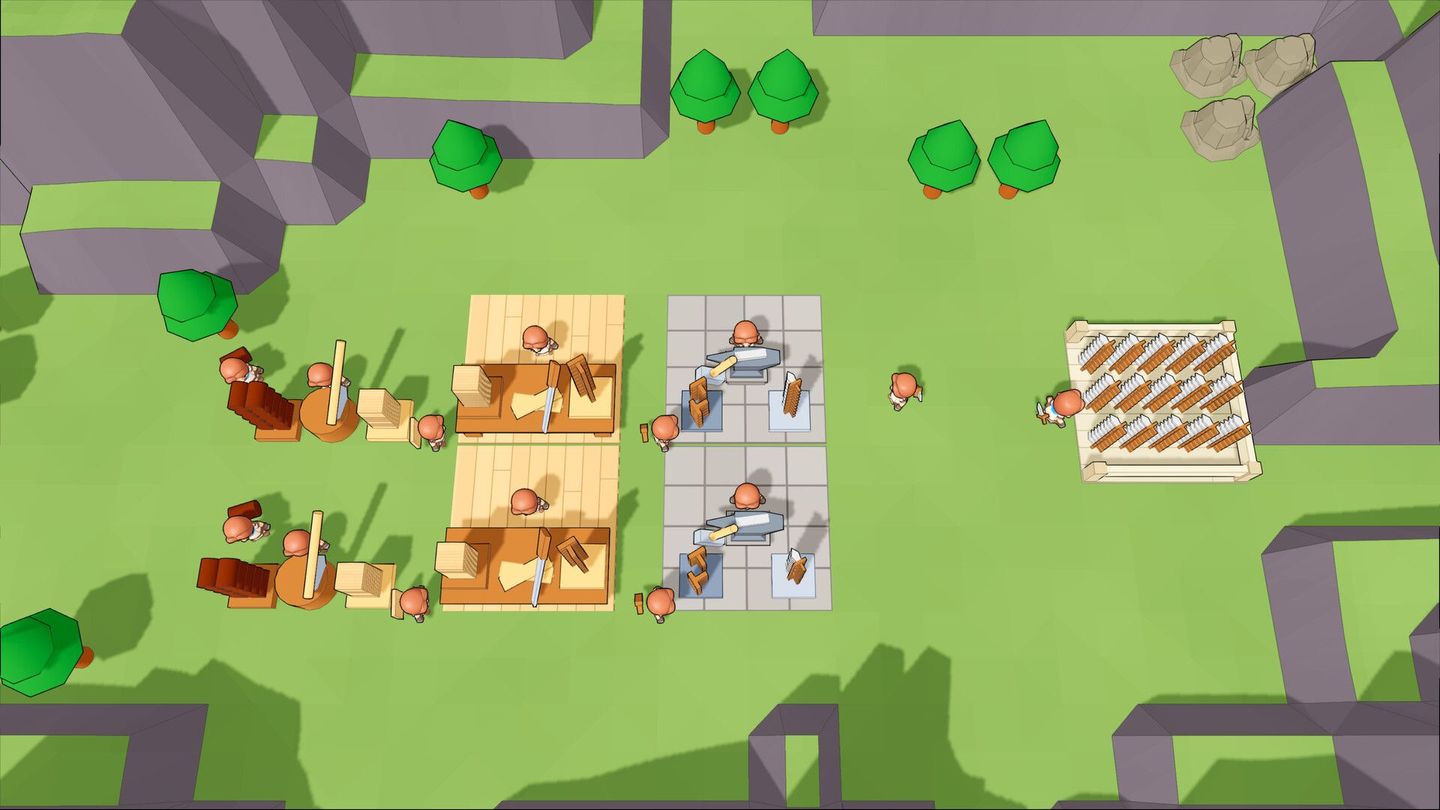
Command Your Workers Like an RTS
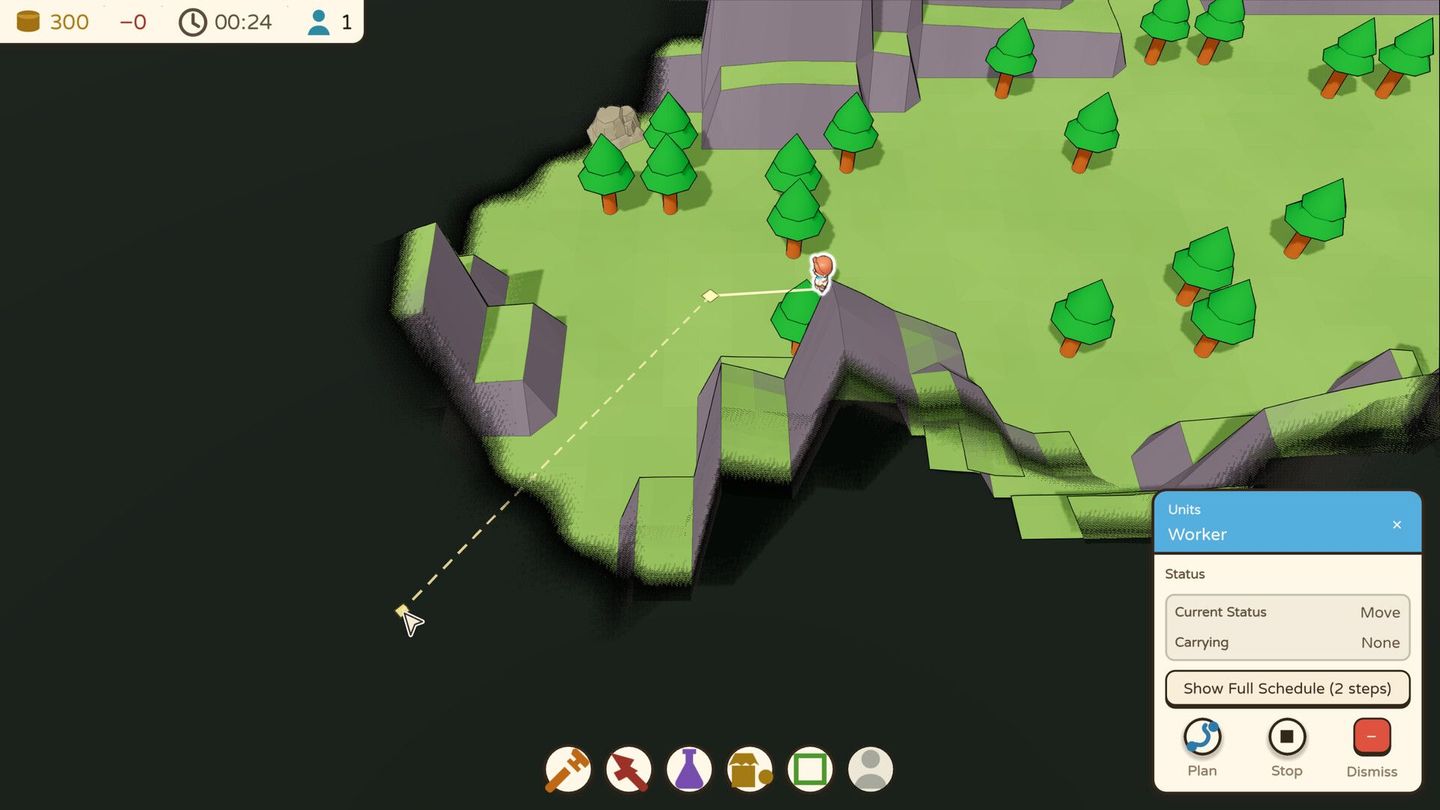
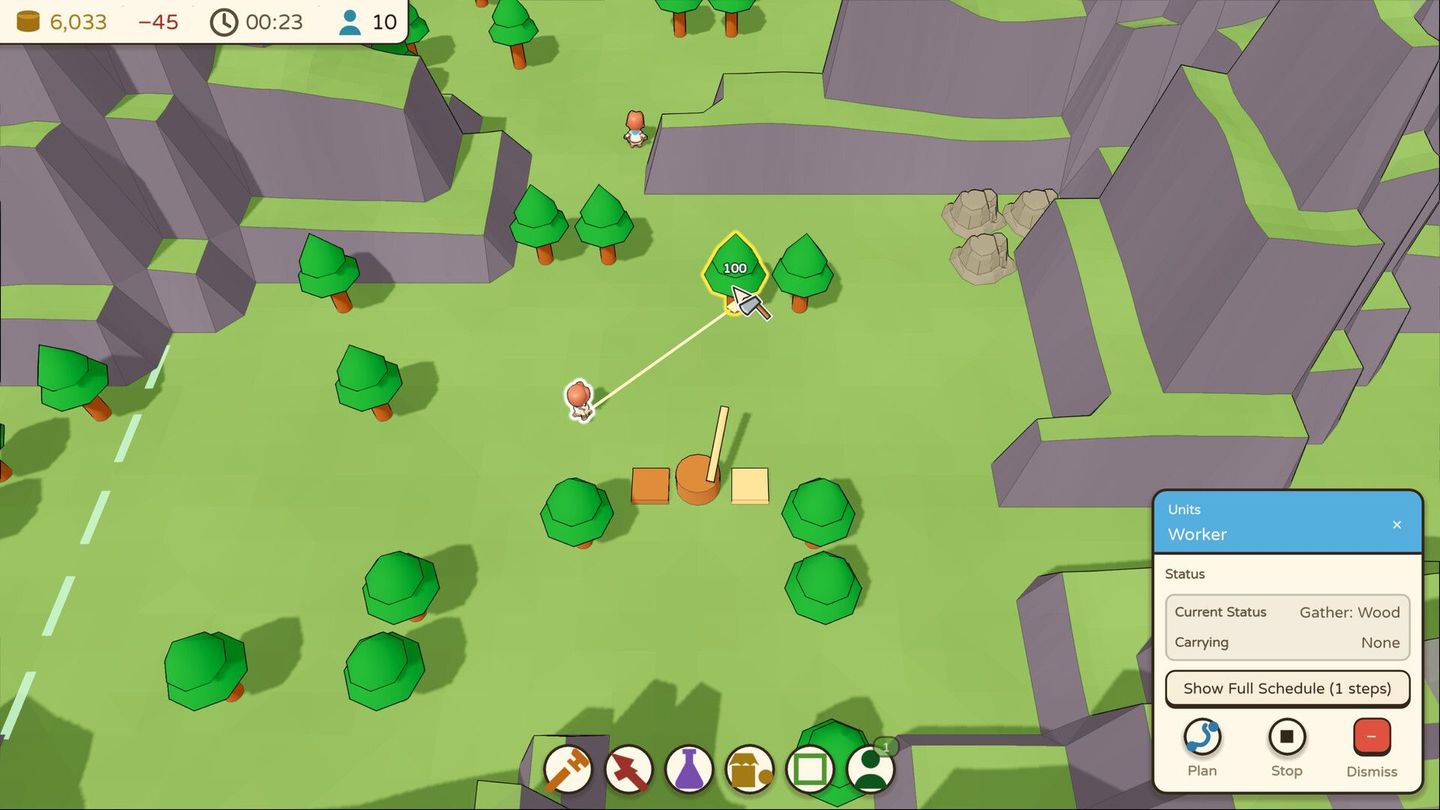
Goods for Guilds treats workers like units in a real-time strategy game. Select them, assign tasks, and watch them move across the map to gather, haul, process and deliver. That direct control makes the game feel tactile. You will click to gather wood, point someone to a mine, tell another to run goods to a workshop, and reposition staff as bottlenecks appear.
That micro-level control scales into macro problems. As your operation grows you will be coordinating dozens of tasks at once. Deciding who operates which facility, which path to prioritize and when to reroute a worker becomes the core gameplay loop. It is satisfying because good orders lead to smooth lines of supply, and poor coordination shows itself quickly in idle buildings or late deliveries.
Build Increasingly Complex Production Chains
Basics feed into middling goods which feed into finished products. Timber and ore are only the beginning. Workshops process raw inputs into components, and components are combined into the items demanded by your customers and guild clients.
Production can require several distinct stages and facilities. You need to think about where each step happens, how intermediate goods travel from A to B, and how to avoid stalls when one link runs dry. New recipes and facilities unlock as you progress, encouraging expansion and redesign. The joy comes from turning a tangled set of needs into a predictable, humming supply chain.
From Hand-Carrying to Advanced Logistics
Transport is not abstract in Goods for Guilds. At first workers lug materials in small amounts, which limits range and throughput. As you research upgrades and procure better gear you increase carry capacity, then introduce carts to handle bulk transport. These improvements change the gameplay rhythm and open new design choices.
A route that once required several workers running back and forth may become a single cart route. That matters not only for efficiency numbers but for how you design your entire network. Better transport lets you centralize some production, specialize other sites, and reach more distant resources and markets.
Trade, Expansion and Regional Networks
Finished goods do not magically move themselves to buyers. You decide which markets to serve and how to route products. Different markets have different demand and capacity, so a single selling point is rarely optimal. Balancing where to produce, what to ship and which market to supply becomes an economic puzzle layered on top of your logistics.
Expansion follows a clear arc. Acquire land, build more facilities, hire workers and extend your routes across the region. The game rewards thoughtful growth rather than brute force. As more recipes, equipment and transport options arrive, your operation can evolve from a local workshop into an interconnected trade network that keeps the adventurers guild running.
Goods for Guilds looks like a game for players who enjoy planning, optimization and the small satisfactions of a well-balanced machine. It is logistics with a fantasy coat of paint and the hands-on feel of RTS unit control.