

MIA: Memory Fragments: Step Back to Move Forward
MIA: Memory Fragments is a story-driven psychological horror adventure that makes memory itself feel dangerous. You do not come back to remember for nostalgia. You come back to survive what you forgot. The game leans on environmental storytelling and repeating spaces to stitch together a narrative that never hands you simple answers.
Progression is less about inventory and more about attention. Familiar rooms repeat with subtle differences, conversations feel cut off, and the world pushes back when you get too close to the core truth. Some paths open when you face what happened. Others wake something that wants those memories to stay buried.
Exploring the Memory-Scape
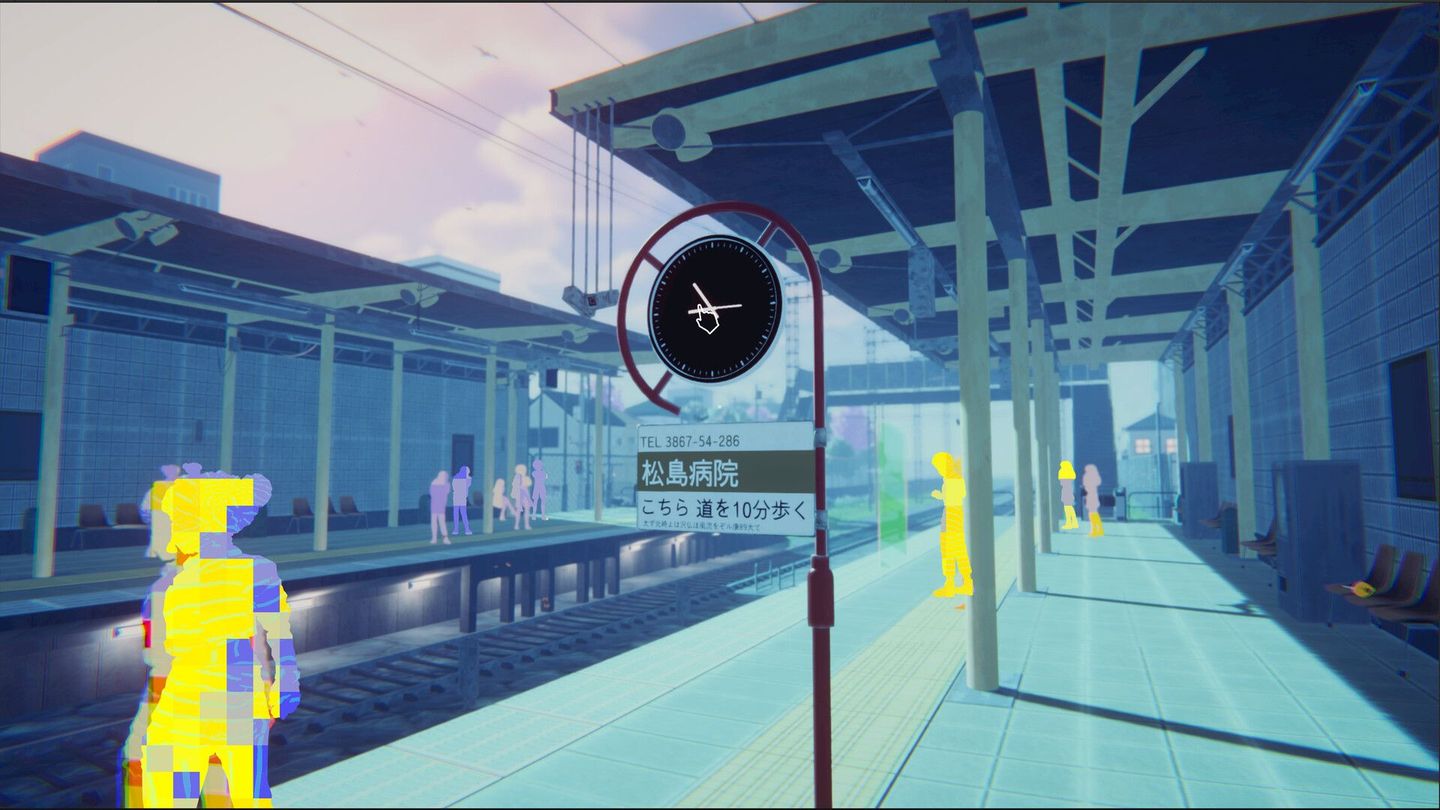
Exploration is the primary engine here. Move through interconnected environments, examine details, and interact with key objects to restore fragments of the past. There are no long, spoon-fed expositions. Instead, the story emerges through repeated motifs, environmental clues, and the way scenes shift as you revisit them.
That design encourages careful observation. A door you tried earlier might now hold a note. A conversation you overheard might make sense after you piece together a broken photograph. It is a deductive loop that rewards patience and pattern recognition more than reflexes.
When Memory Becomes a Hunter
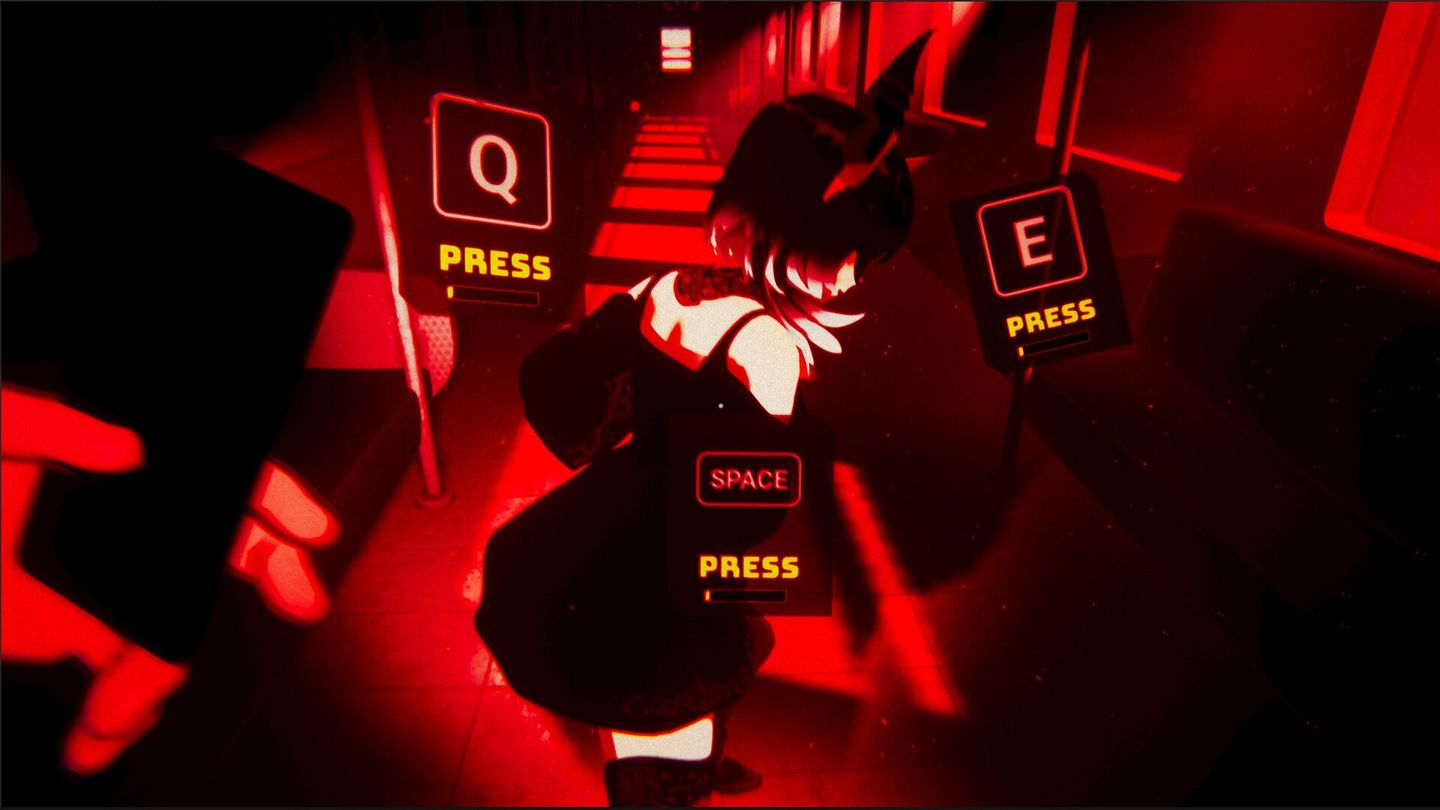
Not every memory wants to be uncovered. When MIA's darker side manifests, the game pivots from exploration to survival. Rules of the world begin to break, spaces distort, and stealth or running become necessary. These sequences are meant to be disorienting and tense, forcing you to make quick choices while the narrative stitches itself into place.
The threat is psychological as much as physical. The more you pry, the stranger the environment becomes. That shifting of tone helps the horror land - what felt like a puzzle turns into something actively hostile, and your goals change from understanding to escaping with your sanity intact.

Short Challenges and Environmental Puzzles
Progress often hinges on interacting with specific elements through short, varied challenges. These moments restore missing fragments and let you move deeper into the memory. Challenges are not presented as separate mini-games so much as interactive beats that break up exploration and escalate stakes.
Because the game emphasizes world-based clues, successful progression usually feels earned. You are rewarded for noticing what repeats, for confronting uncomfortable echoes of the past, and for deciding which threads to follow.
Why Add MIA to Your Wishlist
MIA: Memory Fragments targets players who like horror with a heavy emphasis on narrative layering and environmental detail. If you prefer games that make you think through scenes and dread what happens when the past fights back, this one looks worth your attention. Add MIA to your wishlist and prepare to survive memories that refuse to stay silent.