
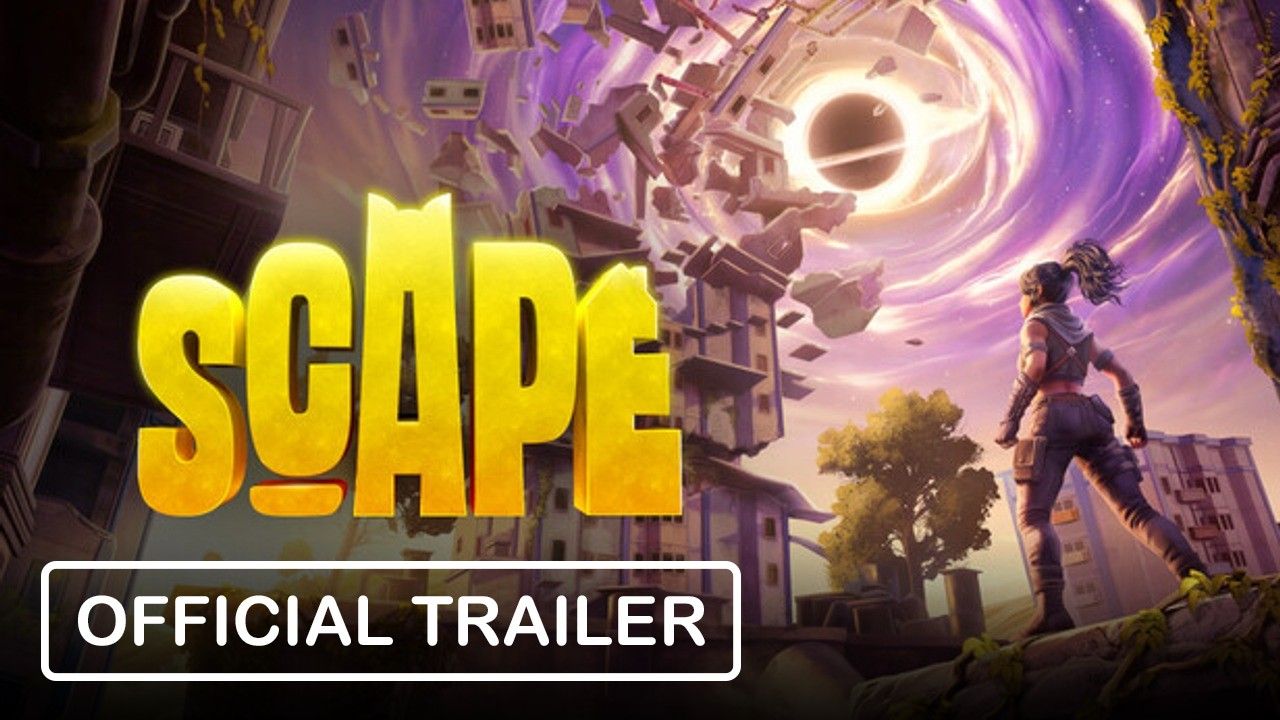
Scape puts 100 players in the same broken climb
Gravity is blunt about its rules. There are no checkpoints, no health bars, and very little forgiveness. You climb. If you miss a hold you free-fall. Catch a ledge and try again. Miss and wherever you land becomes your new starting line.
That is the spine of Gravity, the first game in Scape. It is a vertical platformer played alongside up to 100 other people in the same collapsing world. The higher you get, the more you risk. The design is intentionally harsh and immediate: physics and consequence replace lives and meters.
A climb built on simple, ruthless mechanics
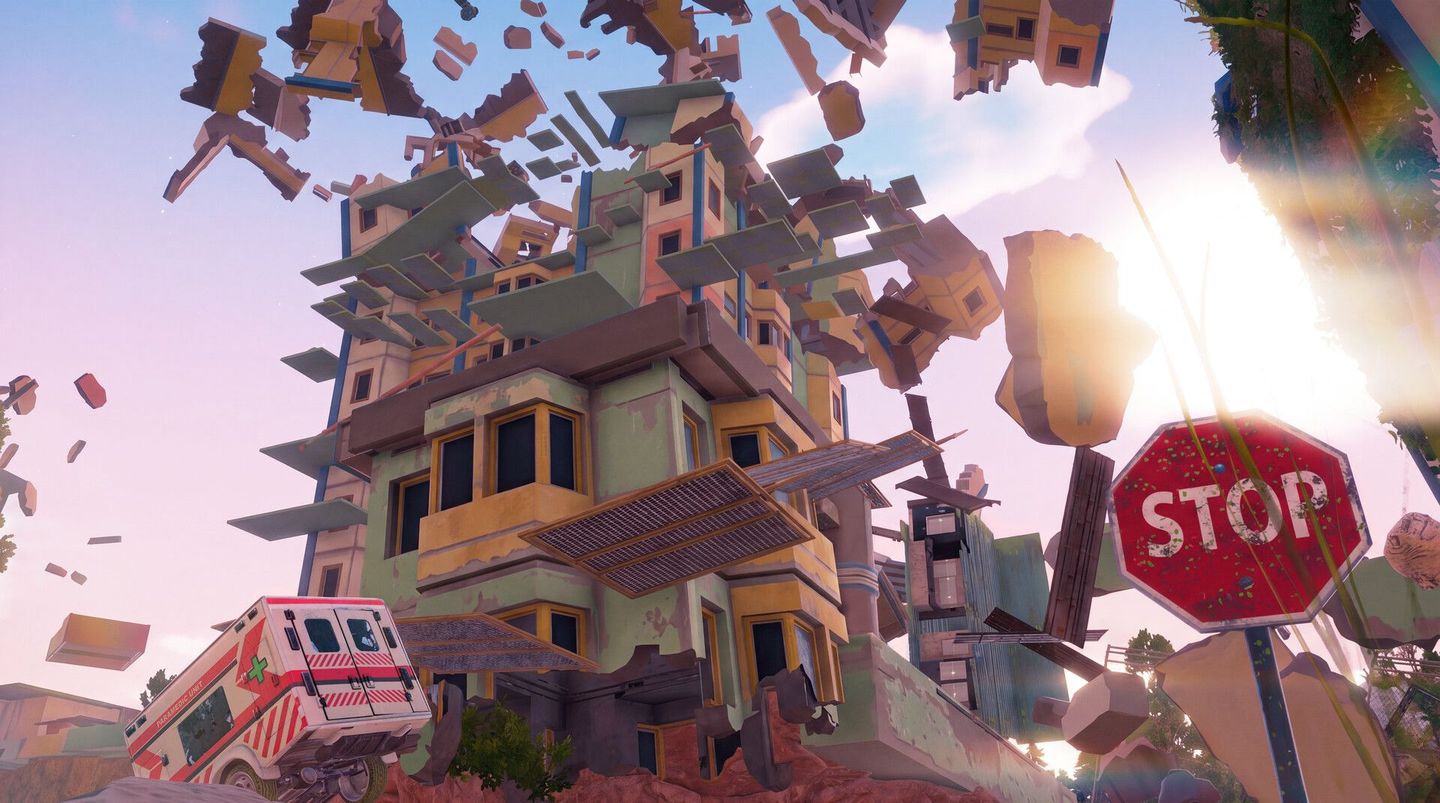
Gravity strips platforming to its bones. Movement and timing matter more than bars and numbers. Falling is not a penalty screen or a short reload. It is a scene change. You will watch players above you clip a ledge and keep going or vanish into a long drop and reappear far below.
That tension shapes behavior. Do you sprint for the lead and risk a longer fall, or hang back and read the lines other climbers are carving into the world? There is no single correct answer. There is only the climb, and the price of mistakes.
One world, many players - race or learn
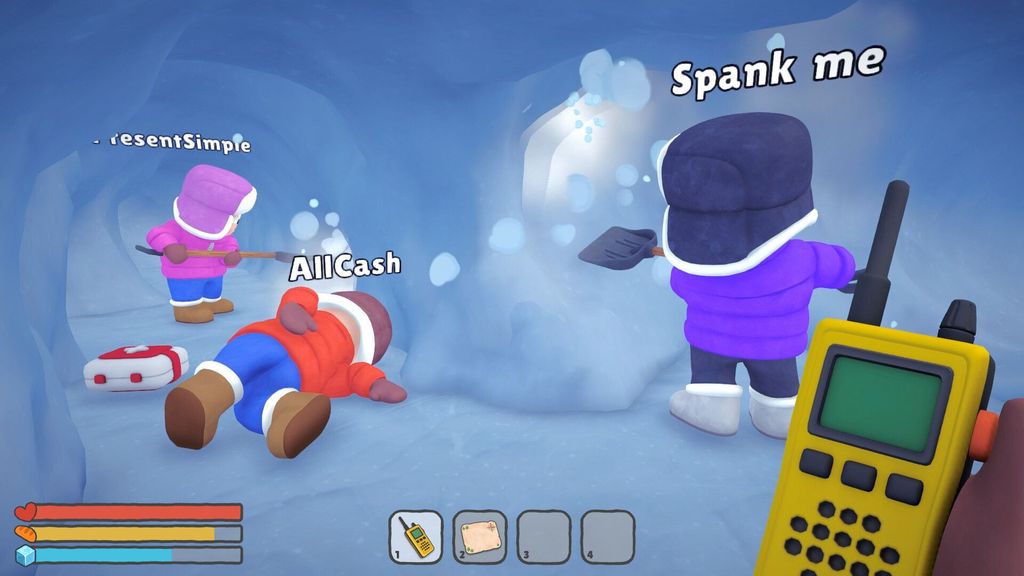
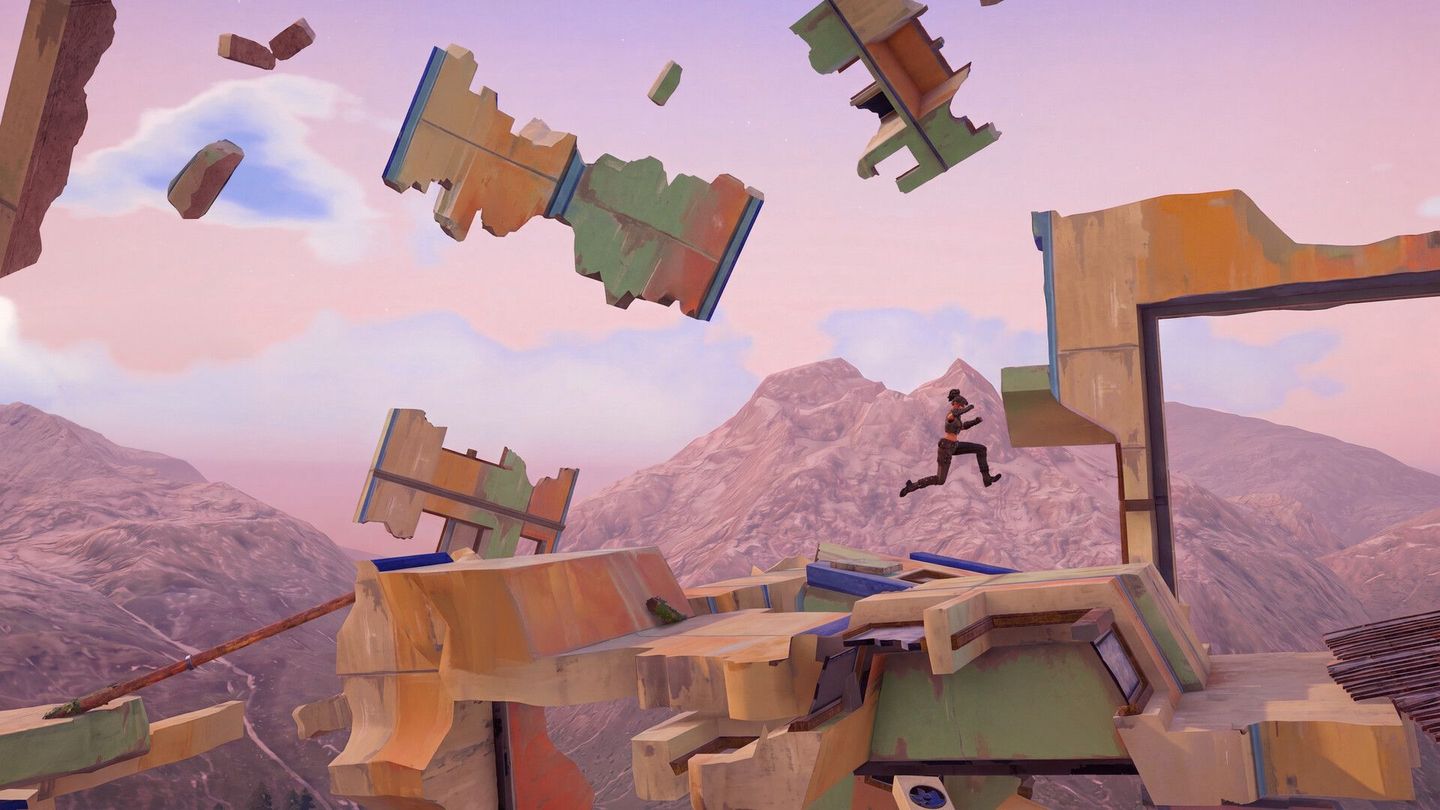
Up to 100 climbers share the same broken architecture at once. The crowd is part of the challenge and the spectacle. You can race the pack to the summit, or shadow the brave and learn from their failures. The shared space creates moments of chaotic cooperation and brutal competition.
Reaching the top is not the story's end. The summit holds a closed door. Getting there means you were first. It also means the climb is a loop with meaning beyond a single reach. That meta curiosity is part of what Scape promises to grow into.
Progress that stays with you as Scape grows
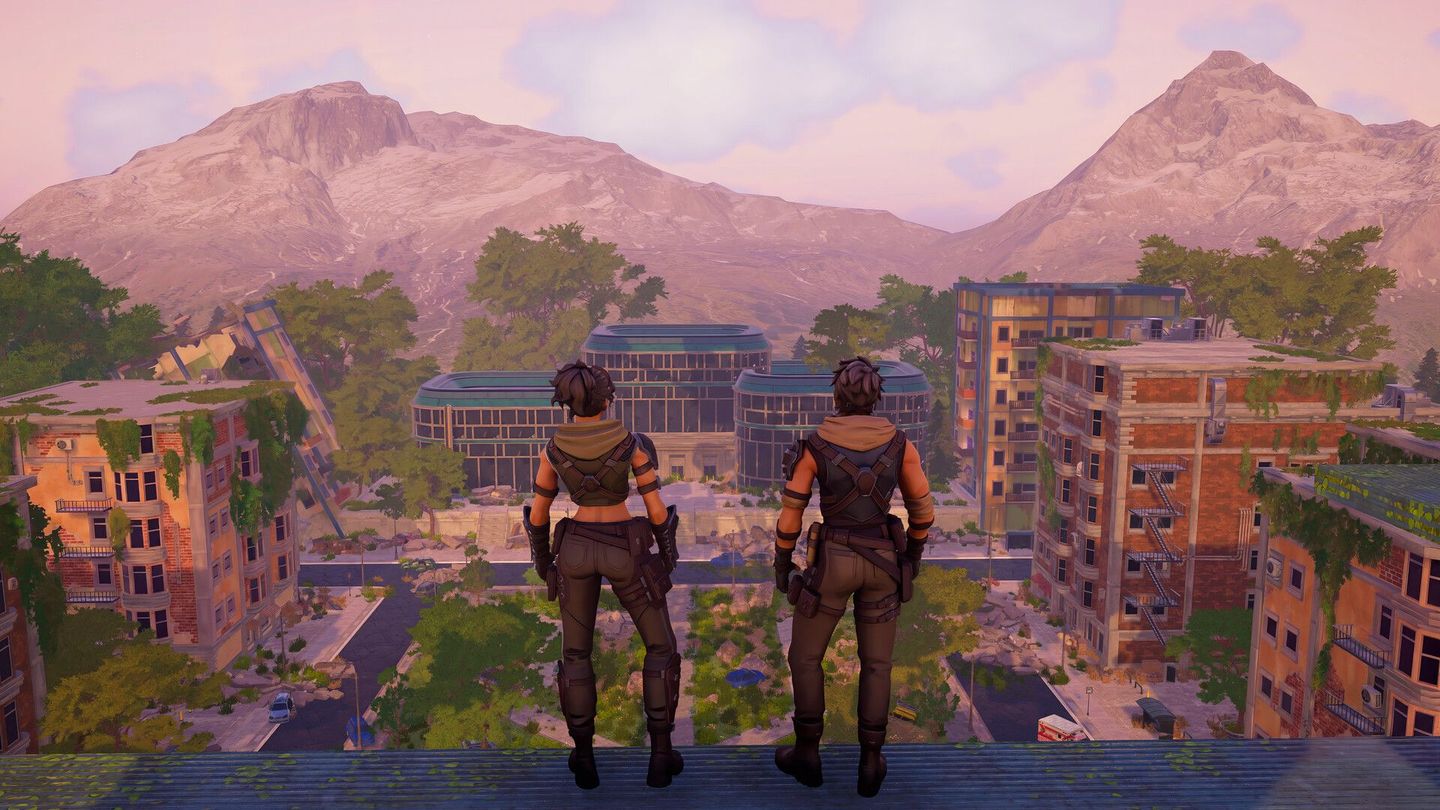
Progress in Gravity ties to your character, not to the current map. What you unlock while climbing follows you across future entries in Scape. That design choice hints at a larger plan: Scape is a platform of multiplayer experiences, not a one-off game. Gravity is the entry point, and your character is the through-line as new modes and games arrive.
This separation also nudges players to invest in their avatar and in the community, because progression is portable. What you earn now should matter later.
Built openly with player feedback
The developers are running this in the open. Steam discussions and the project's Discord are active each day, and the team listens. That means changes come from observing how real players climb, fall, and interact. The community has already shaped Gravity, and it will continue to do so as Scape expands.
If you enjoy platforming stripped to its physics, and you like your multiplayer raw and unpredictable, Gravity is worth a look. It is a proof of concept for a larger idea: a growing platform where character persistence and player-driven development steer the journey forward.