
Frontline Logistics: Isarian Warfare Puts Logistics at the Center of War
"The truth is... less than 1% of war is real fighting. The other 99% is just suffering in the trenches - from shellfire, hunger, disease, and rats."
Frontline Logistics: Isarian Warfare takes that bleak observation and builds a pausable real-time tactical and resource management sim around it. You are the last surviving company officer after an airstrike, and your job is less about heroics and more about keeping a fragile, exhausted force alive and effective. The game treats logistics as gameplay, not backdrop: assemble ammo belts, cook hot meals, treat injuries, salvage parts, and repurpose anything that still works.
Command From the Drone Cockpit
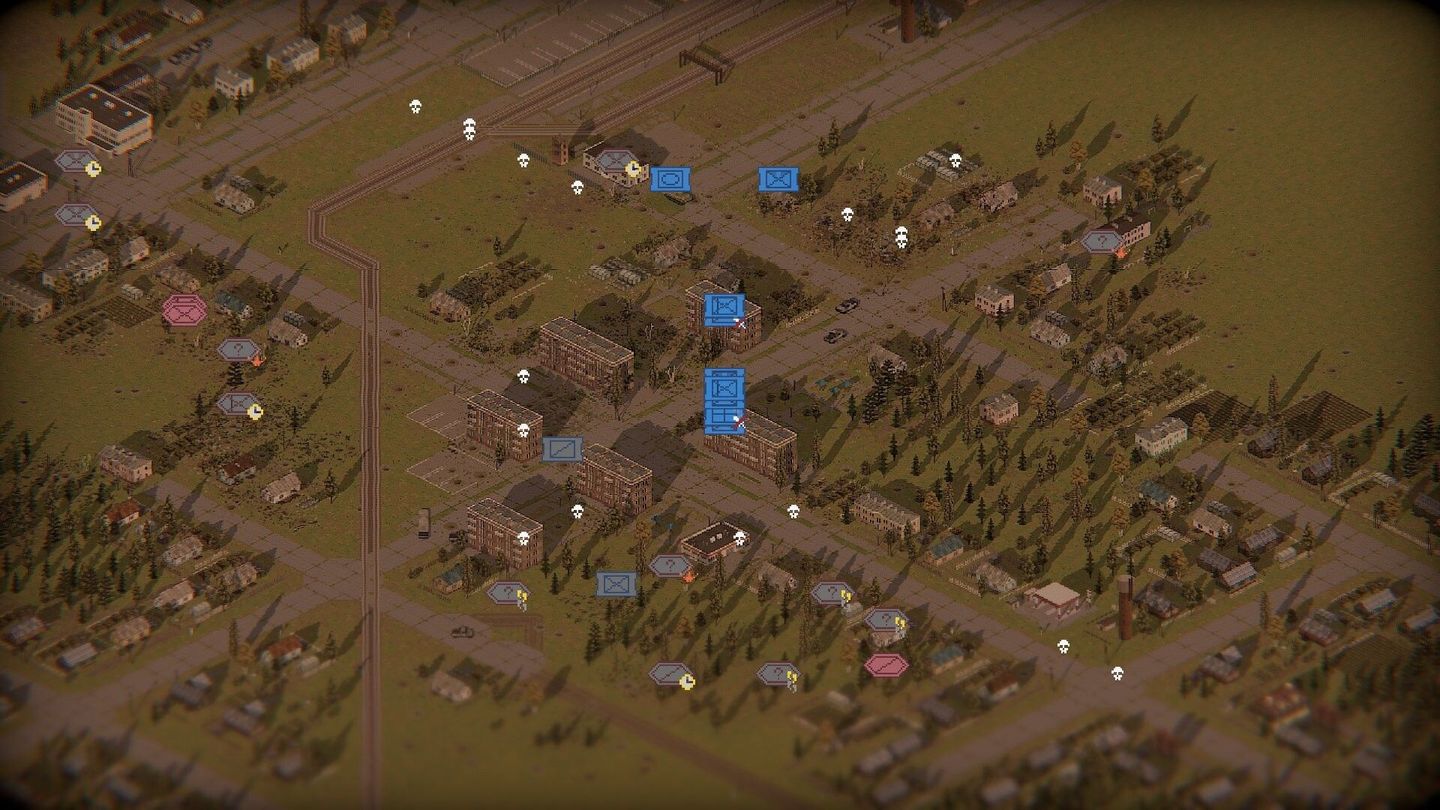
You never leave the command platform. From a high-altitude drone combat command interface you observe the battlefield in real time and issue orders through the drone camera. That distance adds tactical friction - orders have latency and human factors - so anticipation and quick adjustment are central to play. Plans will be broken. Expect to react, improvise, and sometimes accept messy compromises.
The interface supports pausing, so the game lives between tense micro decisions and broader operational planning. You will form combat teams, call in artillery or air support, seize building clusters for cover, and push the front while handling the countless non-combat tasks that keep men and machines functioning.
The Grit of Daily Logistics
This game is unapologetically procedural about the small, often-ignored steps that keep an army running.
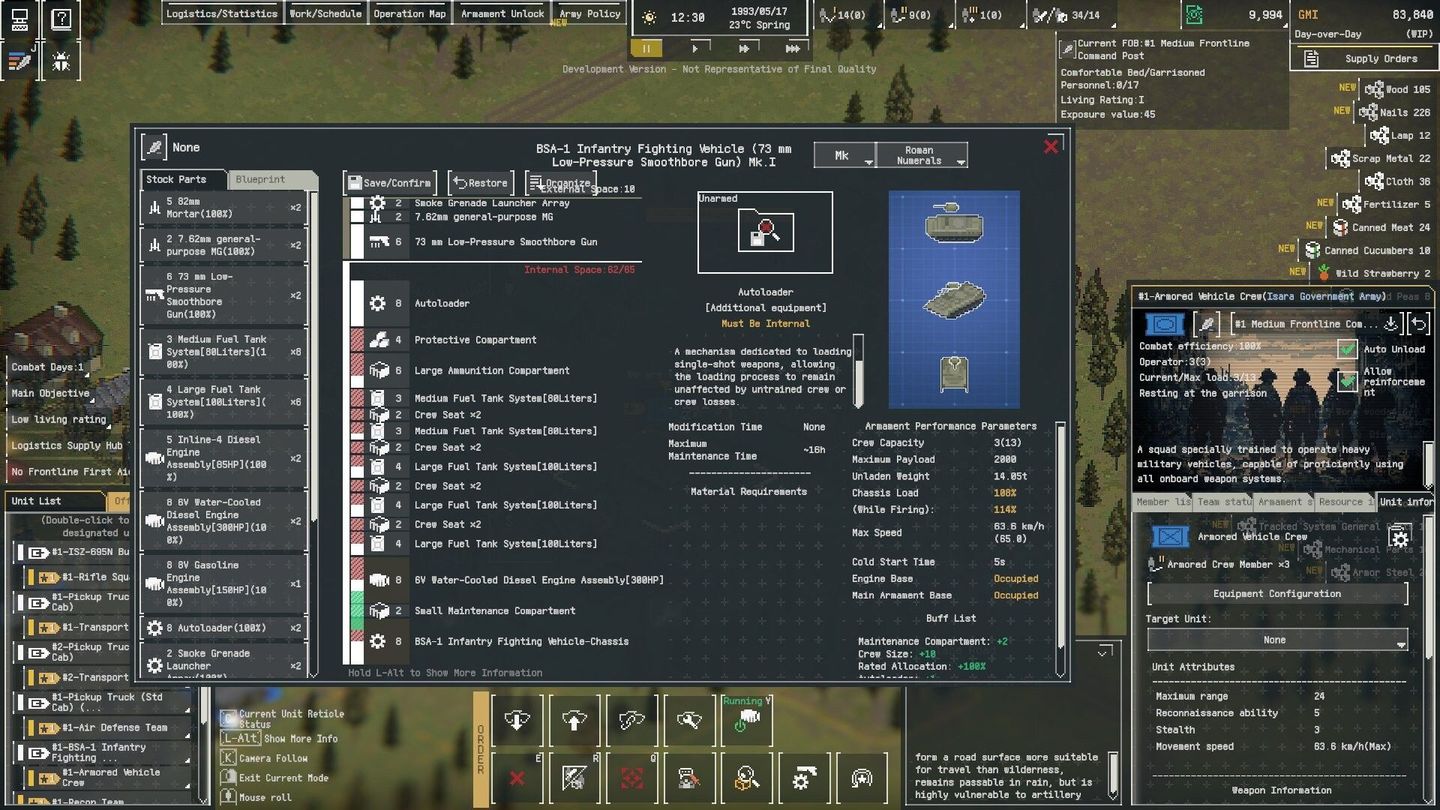
- Ammo belts are not abstract counters. Loose rounds must be assembled into belts in the ammo workshop before gunners can use them.
- Field kitchens turn salvaged ingredients into hot meals that restore stamina and morale.
- Severely wounded receive emergency surgery on the field before being evacuated to rear aid points.
- Fallen comrades are recovered and prepared for return. The game emphasizes recovery and remembrance.
Scavenging and reuse are core systems. You can repair enemy armament, graft parts together to make machines work, and convert civilian buildings into supply outposts. If it can be fixed, it probably should be, because replacement parts are rare and improvisation is a survival skill.
Soldiers, Nutrition and Rescue
Soldiers in Frontline Logistics obey orders but remain individual. They will follow commands, but they also scavenge under fire, keep small sentimental items, and even bring back a fish for the mess hall if an opportunity appears. That human element creates unpredictable moments that ripple through logistics and morale.
Nutrition matters. The game models rations with tangible effects: protein boosts strength, vitamins help resist infection, snacks restore dignity, and drinks ease the monotony of field food. You can adopt rationing systems that mirror real rear-echelon versus frontline differences. Poor provisions will not stop you from fighting, but better-fed troops perform and recover better.
Battlefield rescue is a layered experience. From emergency on-site treatment to aid point surgery and evacuation, choices are hard and time-sensitive. Use helicopters to extract quickly at higher risk, or armored convoys to move wounded safer but slower. Bringing a medic along can buy precious minutes. The system rewards fast and thoughtful triage.
Visuals, Destructible Buildings and Real-World Symbols
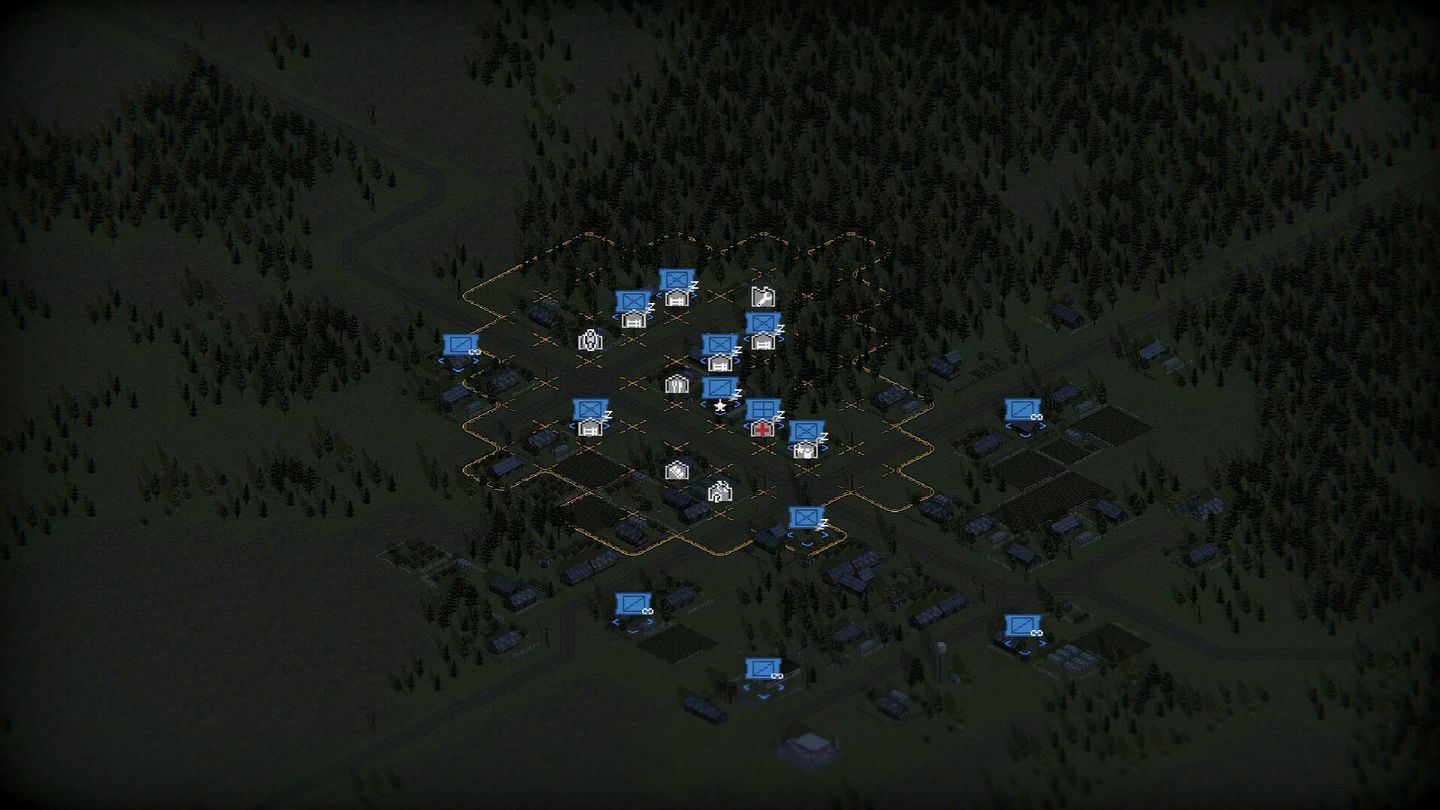
Frontline Logistics aims for immersion through clear visual language. Unit icons are based on NATO military symbols and update automatically when equipment changes. A recon squad on foot will display differently once mounted in a pickup, for example. That clarity helps you read the battlefield quickly.
Buildings are modular and destructible. Rooms respond dynamically to damage, so capturing or demolishing structures feels varied and consequential. The developers also emphasize multithreaded pathfinding optimization to keep unit movement smooth when the map and objectives get chaotic.
There are also situational events with narrative weight. Frontline journalists can arrive for interviews; the closer they get to action, the richer the footage and the better the rewards, provided you can keep them safe.
Systems, Outposts and the Long Game
Mechanically the game mixes base building, outpost automation, and tactical engagements.
- Establish frontline outposts to store supplies and house reinforcements.
- Assign soldiers to logistics roles, tweak priorities and shifts, and automate routine tasks.
- Capture hospitals, factories, and other special locations to leverage existing equipment.
- Grow food on wastelands to boost long-term nutrition.
- Dig trenches, stockpile supplies, and prepare for counterattacks.
- Unlock policies and weapons to evolve your force as you push forward.
Every element may produce unexpected developments. The developers list inspirations including Neo Scavenger, Gates of Hell, and RimWorld, and they frame the narrative around pivotal modern conflicts. You can name operations, compile battle reports that recount orders and outcomes, and preserve the memory of each soldier under your command.
Frontline Logistics: Isarian Warfare is not a celebration of combat spectacle. It is a systems-driven reflection on what keeps an army alive between confrontations. If you like tactical sims where scavenging, maintenance, and human moments shape outcomes as much as firepower, this one deserves a close look.