
Sand to Soil: Make a Desert Bloom with Flowering Sheep
Sand to Soil drops you onto an erosion-ruined desert planet with one impossible task: restore a working ecosystem. Funding was tight, the kit was skimpy, but nature is resourceful. Your best tools are a hardy, flower-bearing species of sheep. Nurture them and they will give you seeds, flowers and, crucially, poop that helps improve soil levels.
The game fashions itself as a small, cozy terraformer with a side of sheep simulation. Each mission is a puzzle in balance. Can you coax enough life from dirt to create a self-sustaining biome?
A Tiny, Cozy Terraforming Sim
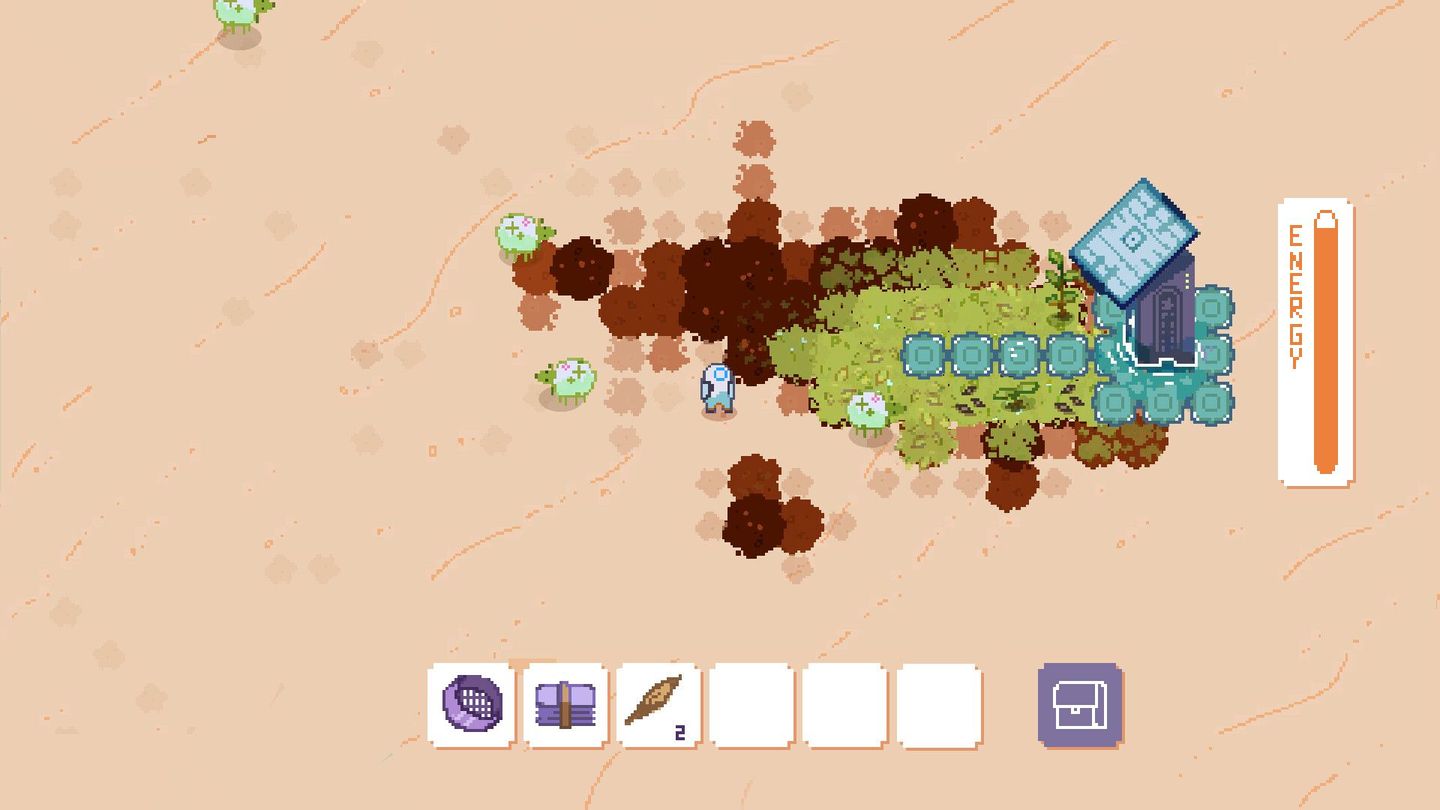
Each mission starts in a new crater. Your objective is straightforward on paper: fill a target percentage of the map with plant life. In practice it becomes a careful dance of water distribution, seed discovery, soil improvement and animal husbandry. Finish missions and you earn funds that unlock upgrades, tools and even sheep-specific bonuses for future runs.
Progression is gentle and sensible. You begin on small maps and expand into larger craters as your ability to terraform grows. The money you receive at mission end is not automatic. It depends on measurable ecosystem factors like diversity, newly discovered plant species and the well-being of your sheep. That creates a satisfying loop of experimentation and reward.
Manage Water, Plants and Soil
Plants in Sand to Soil need two things to thrive: water and soil. The planet's rain cycle is dormant, but there is accessible groundwater if you can tap and distribute it. You will rely on various means to move water across the map so seeds and saplings can take root. Soil level is another tracked metric. Soil improves as the ecosystem matures and as your sheep contribute organic matter.
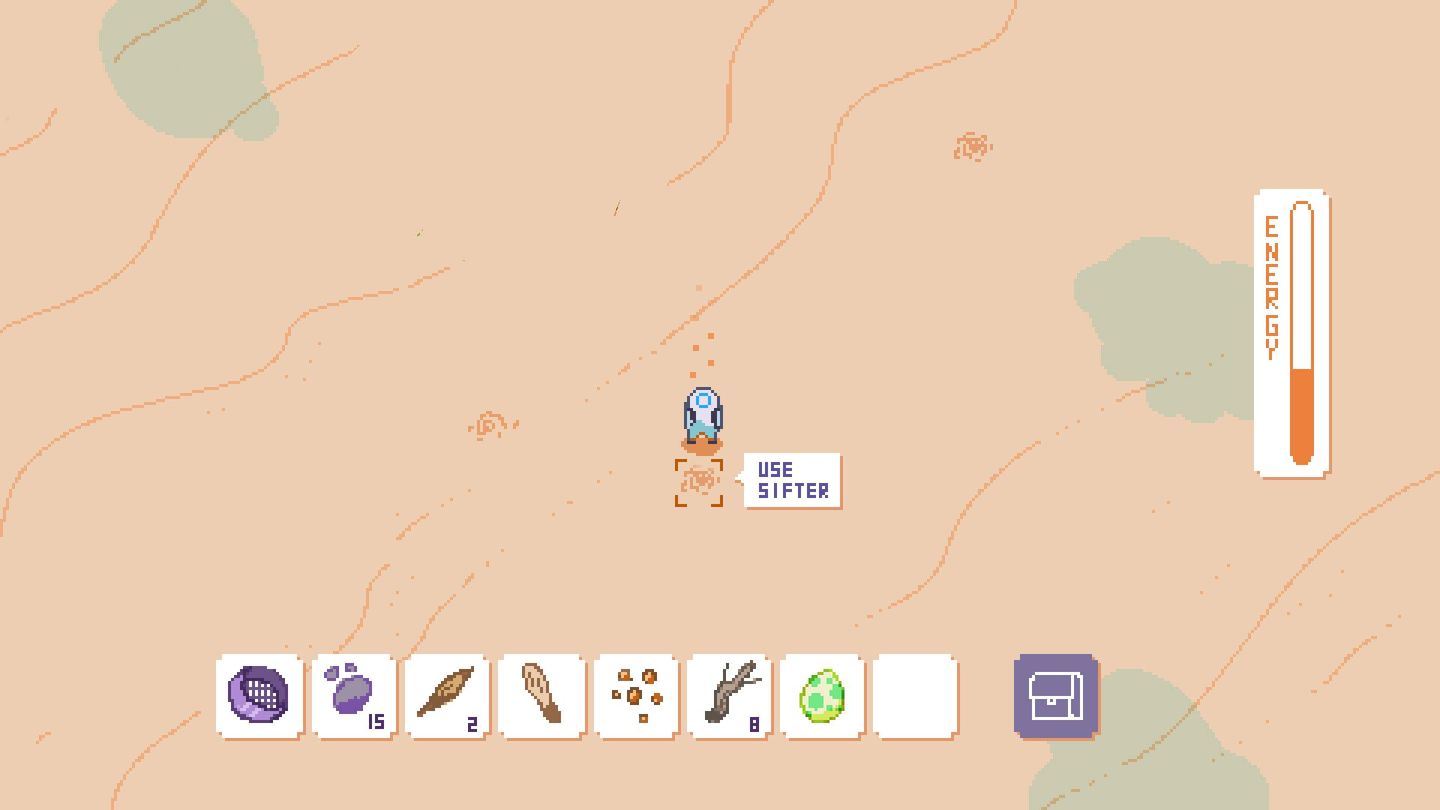
Seeds are not handed to you on a silver platter. Many must be found or coaxed out of the unique flowers that grow on your woolly friends. Balancing food for the sheep so they can produce resources, keeping water reaching plants, and deliberately planting to increase diversity are the core loop.
You Don't Tell the Sheep What to Do
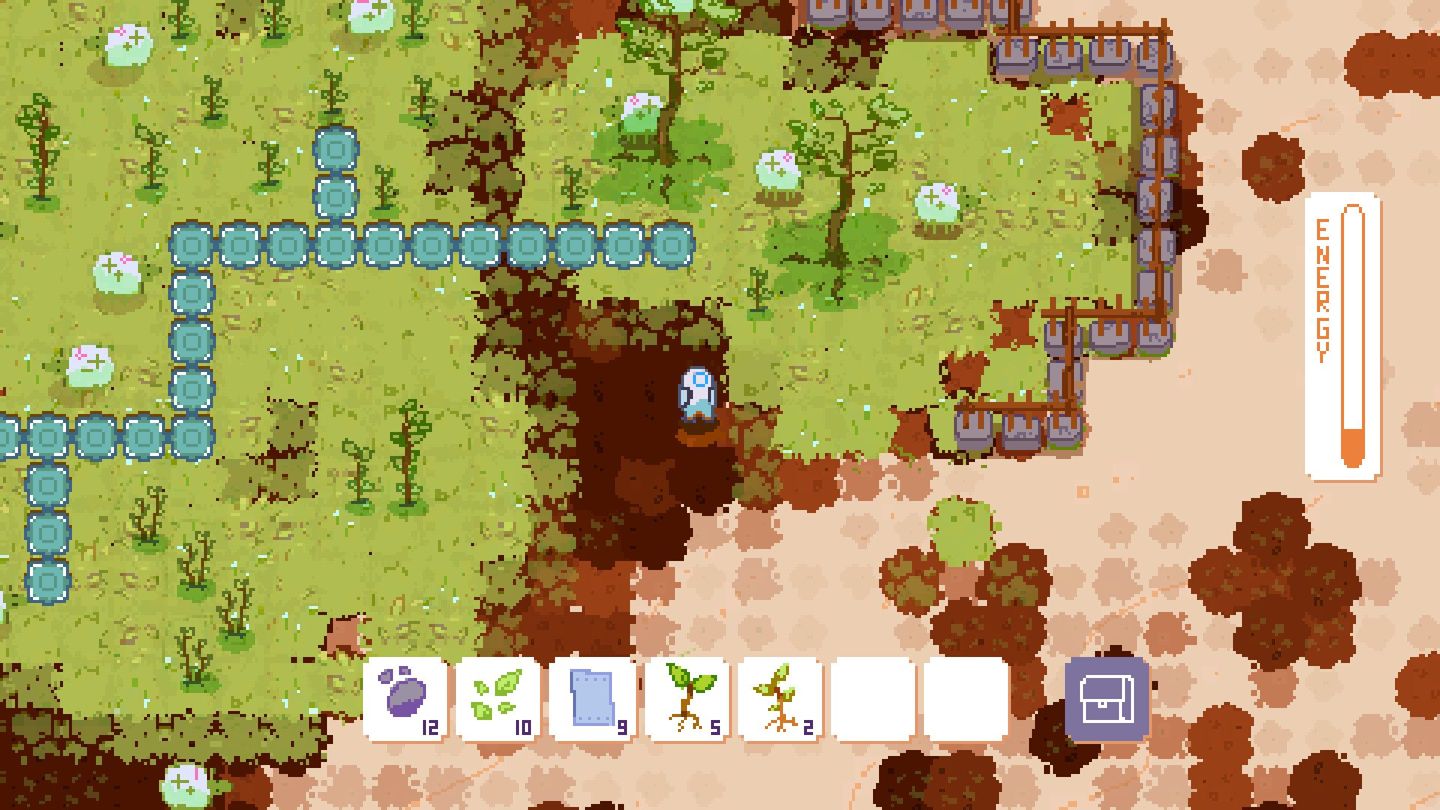
The sheep are the planet's most potent resource but they are autonomous. You can care for them and influence conditions, but you cannot force their behavior. Sometimes they helpfully graze, reproduce and display a flourish of blooms. Other times they panic and run, or simply sleep all day. Their unpredictability is part of the charm and part of the challenge.
Take good care of the flock and the local ecosystem will support more sheep on its own. That leads toward the goal of creating self-sustaining biomes that need less direct management from you.
No Combat, No Survival Pressure
This is not a survival roguelite. There are no predators, no hostile lifeforms and no hunger mechanics to worry about. The Interstellar Exoplanet Rejuvenation Foundation made sure you will not starve, so your job is focused entirely on ecological engineering. Every so often the foundation will send extra equipment and upgrades to help with the tougher craters, but most progress comes from careful planning and the sheep you manage.
Who This Might Appeal To
Sand to Soil looks aimed at players who enjoy gentle systems games, ecological puzzles and a touch of animal management. If you like slow-building loops, discovery through experimentation, and a quietly humorous take on terraforming, the idea of turning a desert into a living planet by way of flowered sheep and their poop will probably click.
The core selling point is how the pieces fit together: water management, soil improvement, seed discovery and the unpredictable personalities of your flock. If that sounds soothing, oddly scientific and a little bit silly, Sand to Soil might be worth a look.