
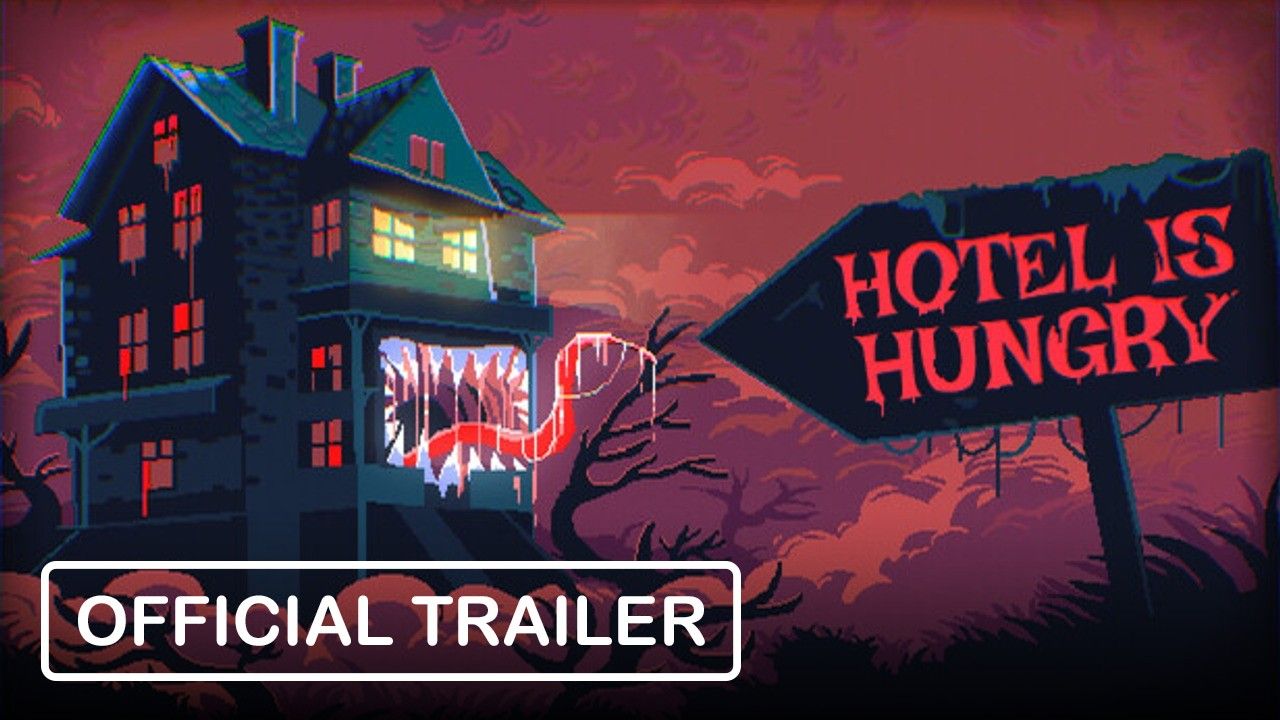
Hotel Is Hungry: Feed the Hotel or Become the Menu
The contract is signed. There is no turning back. In Hotel Is Hungry your job at the front desk is part concierge, part cold-blooded arbiter of who lives through the night. After a solar flare leaves the world radioactive and its survivors monstrously altered, the hotel you work in is not a building. It is a hungry organism that needs to be fed.
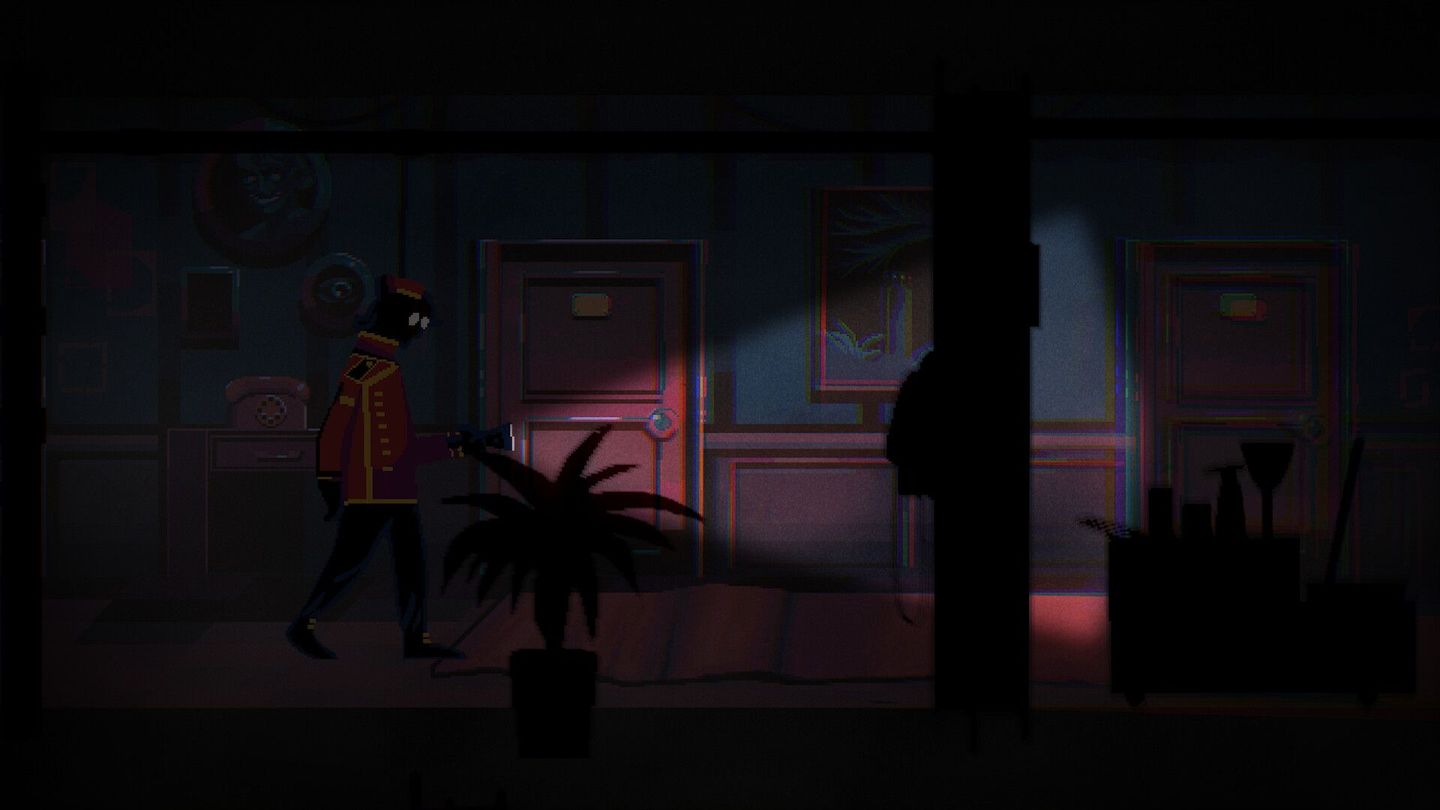
This is hotel management boiled down to survival. By day you inspect, accept, or reject guests. By night you scramble through dark corridors, manage lights, and run for the only safe place in the place: the Bar. One wrong room, one misplaced guest, and a body horror punchline follows.
The Hotel Is a Monster
The premise is as simple as it is brutal. The hotel demands food. It will not stop when it is hungry. Your task is to keep the place fed and, crucially, keep the truth hidden from the guests. You are the receptionist and the first line of defense against chaos.
Every decision has weight. You can only turn away one person per day. Accept too many and the hotel gets hungrier faster. Reject the wrong person and tension builds in ways that matter later. The developers lean hard into claustrophobia and dread by making the building itself an active threat rather than a simple spooky backdrop.
Manage the Desk by Day
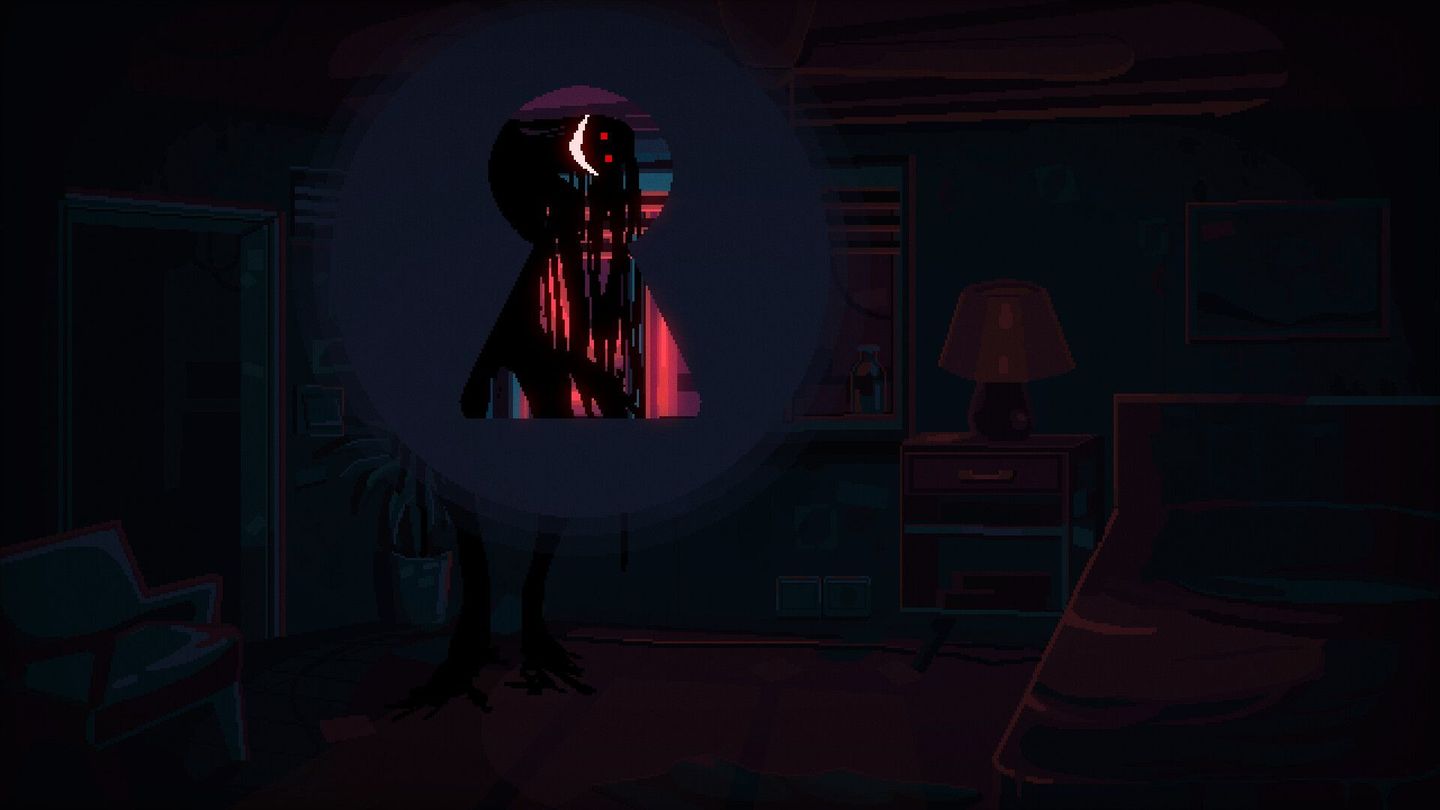
Days are paper work and tiny cruelties. Guests arrive with requests, looks, and secrets. You can examine them, listen, or even look through a keyhole to learn more. But peeking is risky. A staring eye on the other side or a door thrown open can turn your curiosity into a nightmare decision in a second.
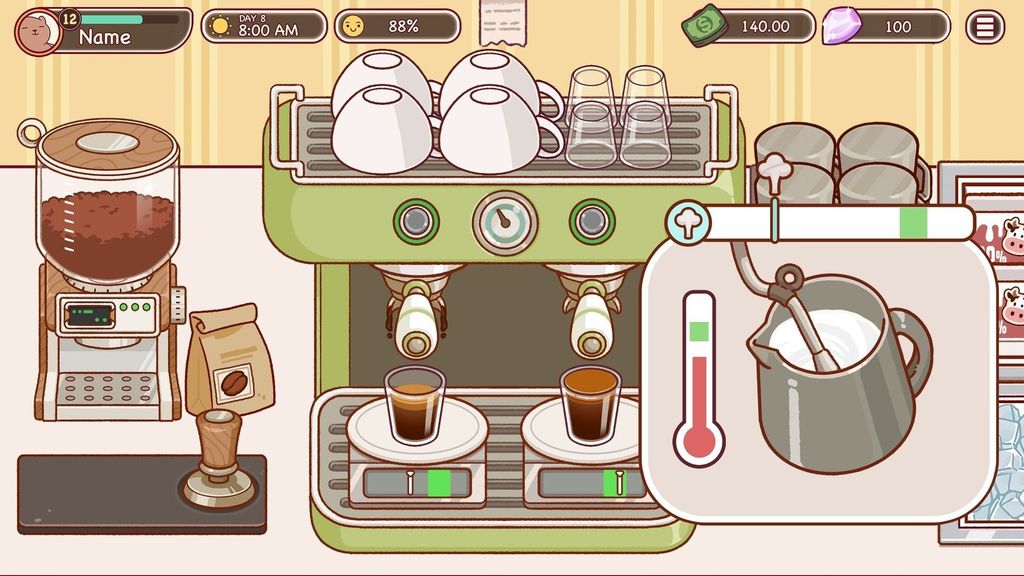
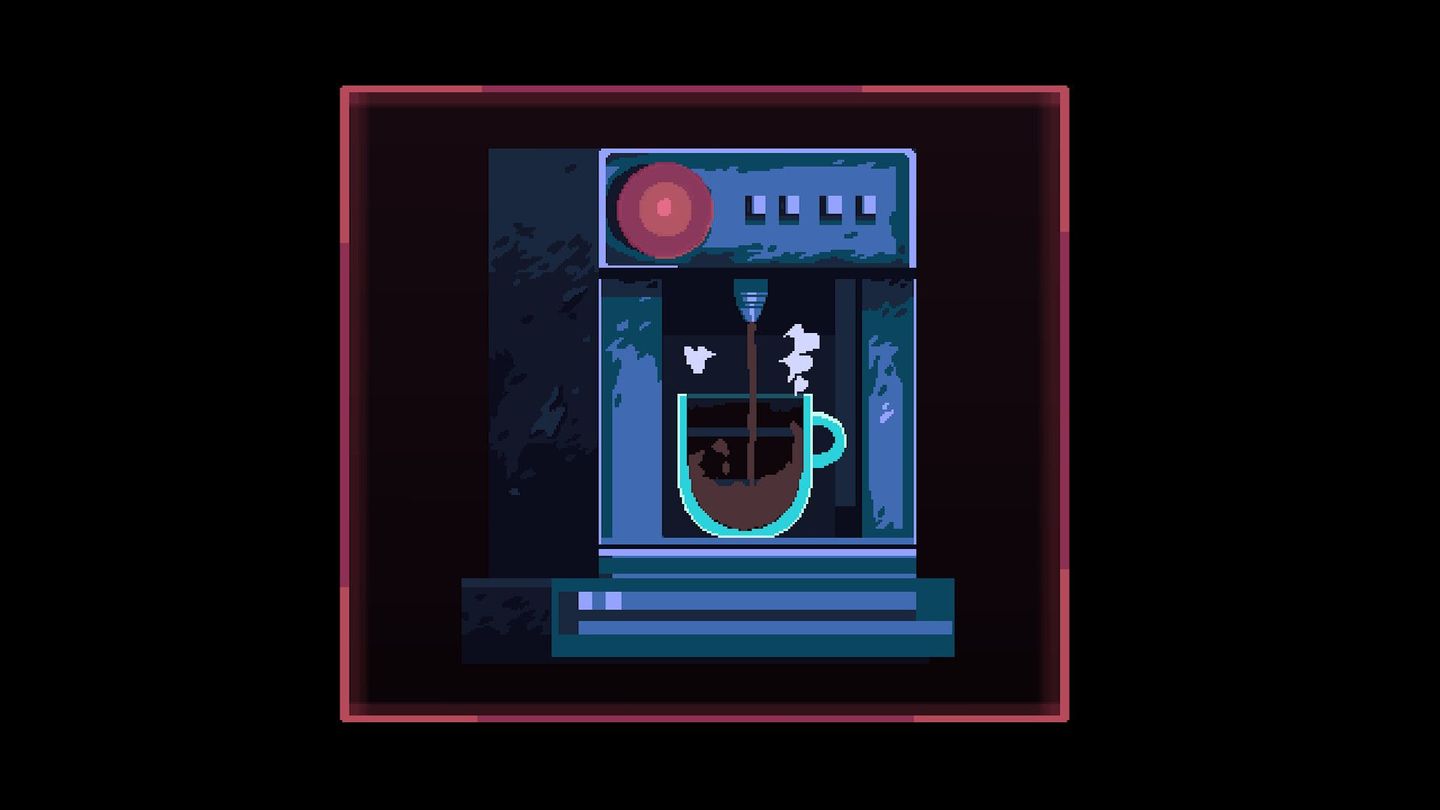
A core mechanic is the Tetris-like placement system. Each guest occupies a room and a position in the corridor matters. There are roles in play too note the victim, the sheriff, the killer. Where you put people and who you put beside whom shapes who survives the night. Guests also make demands that must be met by running to the Bar, preparing coffee, beer, or microwave orders, and returning before the dark catches you.
Survive the Night
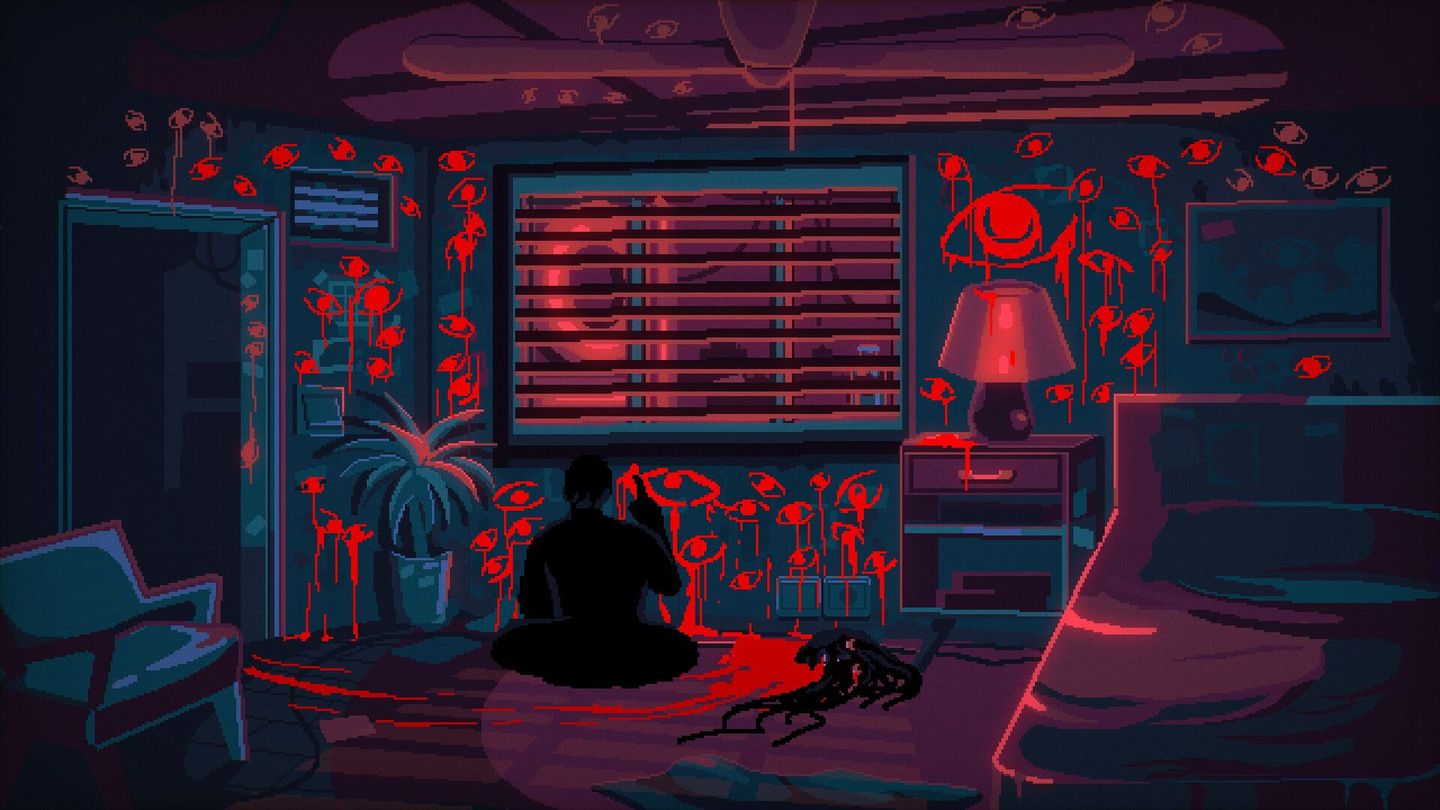
Night is pure, pulsing tension. You manage the generator and the hotel power grid. Leave a room without light and that room becomes the hotel's next meal. If a guest turns violent and attacks you, your only option is to sprint to the brilliantly lit Bar. Monsters cannot enter the light, so reaching it is the difference between life and being digested.
The bar minigames are not filler. Brewing coffee or heating food is income and survival tech. Use earnings to unlock floors, expand rooms, and buy upgrades like a stronger flashlight or a beefier generator. Those upgrades change how long lights hold and how safely you can navigate the dark corridors.
A Hotel That Remembers
This is not a roguelike with meaningless resets. Choices leave marks. Lose someone and the hotel, and the remaining guests, react. Rules shift night to night: flickering generators, patrol patterns, and guest behavior ensure no two evenings are the same. The atmosphere is psychological horror with management tension baked into every interaction.
Hotel Is Hungry sells a single, unsettling idea in different permutations: the building will eat if you do not feed it. You run the desk, you run the hallways, and you keep the secret or watch the place reveal what it really is.
Why It Sticks
The game pairs simple systems with genuinely nasty consequences. Inspecting a guest through a keyhole, placing them one tile to the left, or answering a knock with the wrong order can cascade into death. That low-level stress is the point. Hotel Is Hungry is not polite about its horror. It makes you complicit in the hotel's appetite and then asks whether you can live with the decisions you signed up for.