
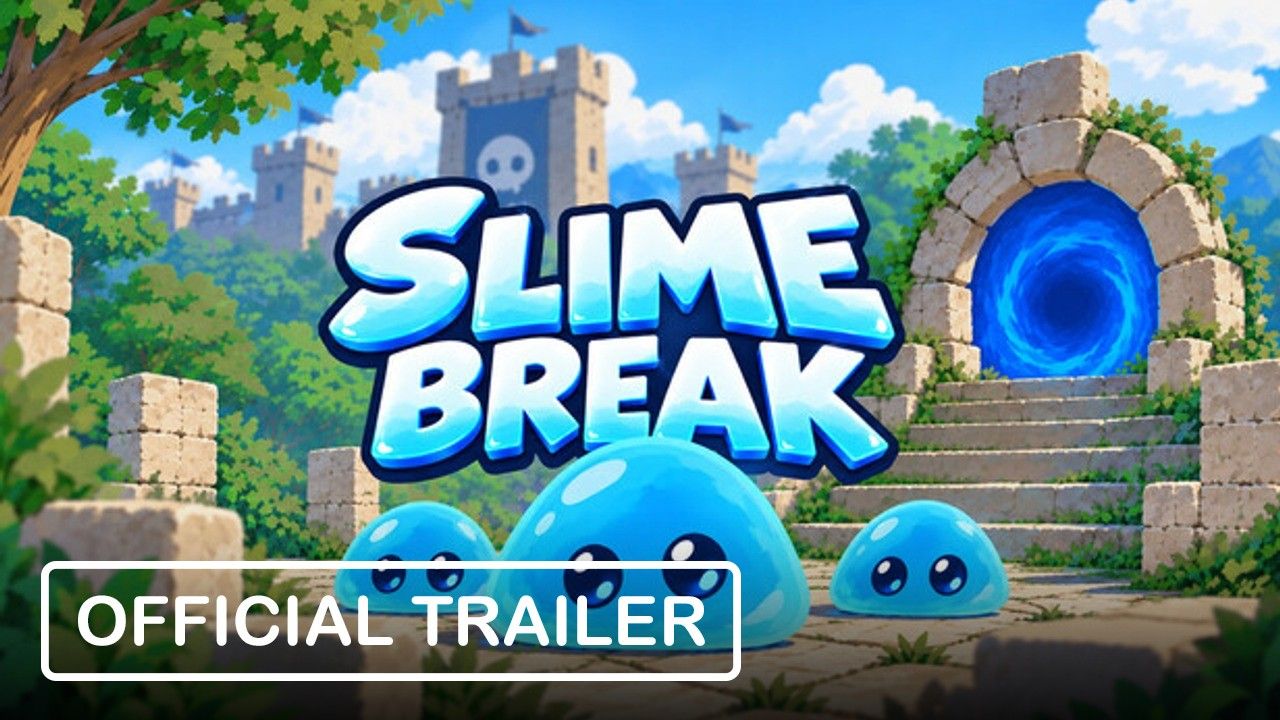
Slime Break: Tower Defense Against a Slime Horde
Imagine a siege where the attackers are soft, sticky and impossibly numerous. Slime Break makes that image literal. Thousands of individually simulated slimes march on your base, each with weight, collisions and simple instincts, and your job is to bend that living mass into a meat grinder of walls, towers and traps.
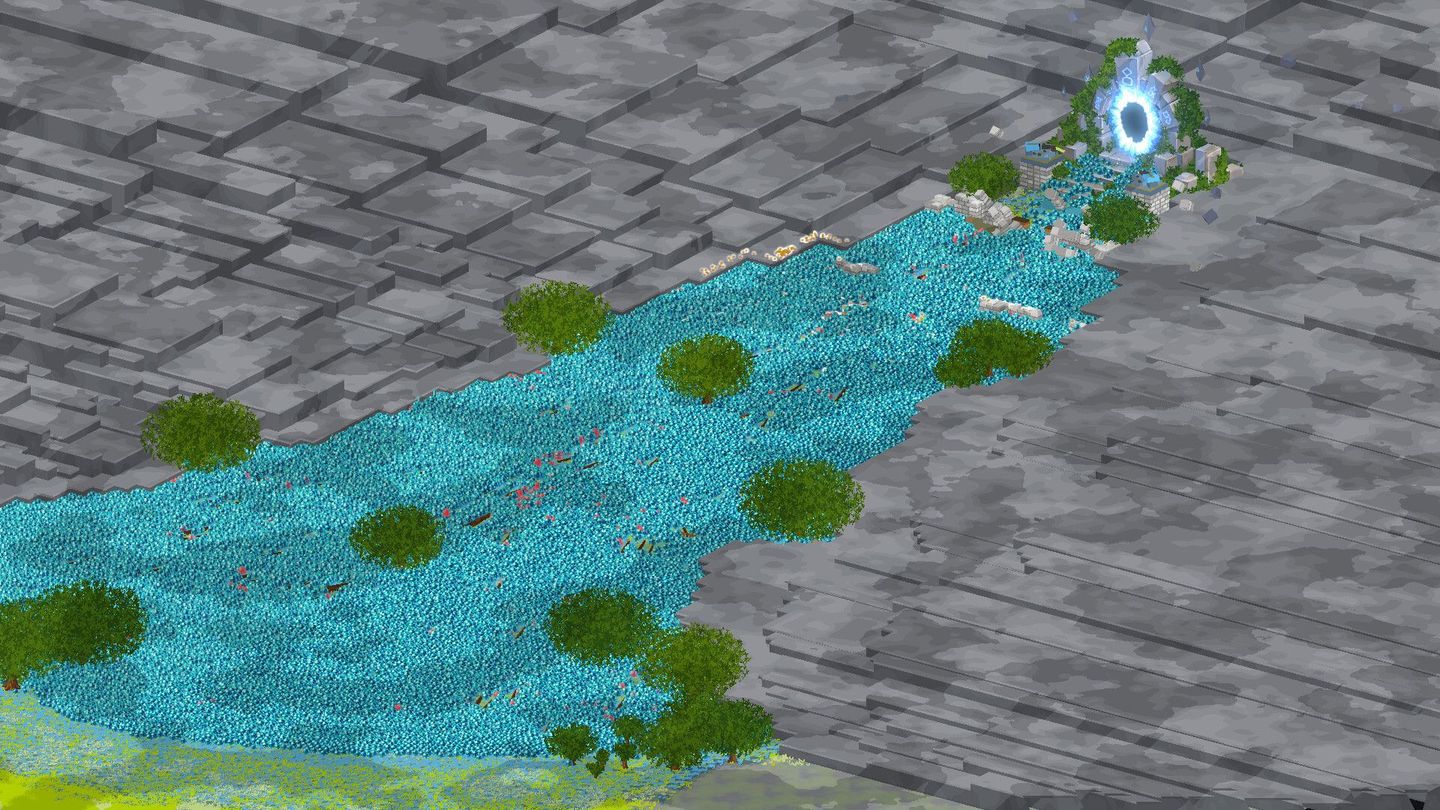
It is not about painting a path or placing chokepoints the usual way. The horde finds the shortest route and squeezes through any gap. They pile up, climb over each other and will pour clean over a short wall. That turns every construction choice into an experiment in flow, pressure and inevitability.
A Horde That Behaves Like Water
What sets Slime Break apart is simulation at scale. Every slime is simulated individually, so the collective behaves like a fluid that reacts to every obstacle. Close a corridor and they go around. Open a corridor and they charge through it. Block the entire path and they start tearing down whatever is in front of them.
Not all slimes are the same. Small ones are fast. Big ones break into smaller slimes when they die. Armored slimes wear shells that must be destroyed before the body takes damage. Each wave mixes these types differently, so a strategy that works for one wave can fail spectacularly on the next.
Walls feel pressure too. They chip away and crumble under weight, and when a section collapses it crushes whatever is beneath it. Tall walls hold more but fall from higher up, spreading damage across the horde. The forest is part of the physics - a toppled tree can become a temporary barricade, but you cannot bank on nature forever.
Cards, Chaos and Building on the Map
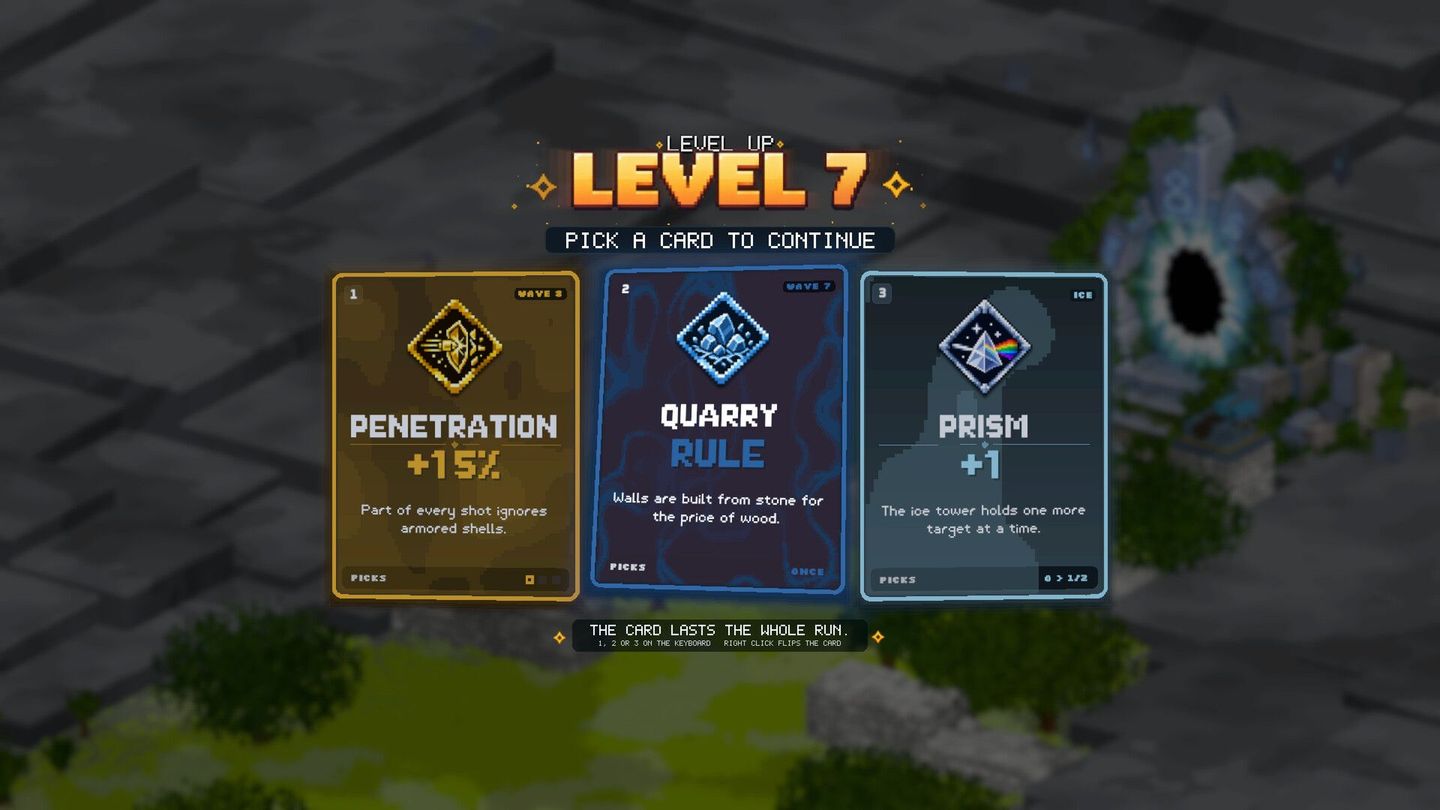
Between waves you level up and choose one of three cards. The deck has 40 cards and they do more than tweak numbers - they change rules. Dead slimes can become hazards that hurt whatever is stuck to them, shots can be modified to pierce armor, and thrown bodies can become projectiles that injure other slimes. With cards in play two runs rarely look the same.
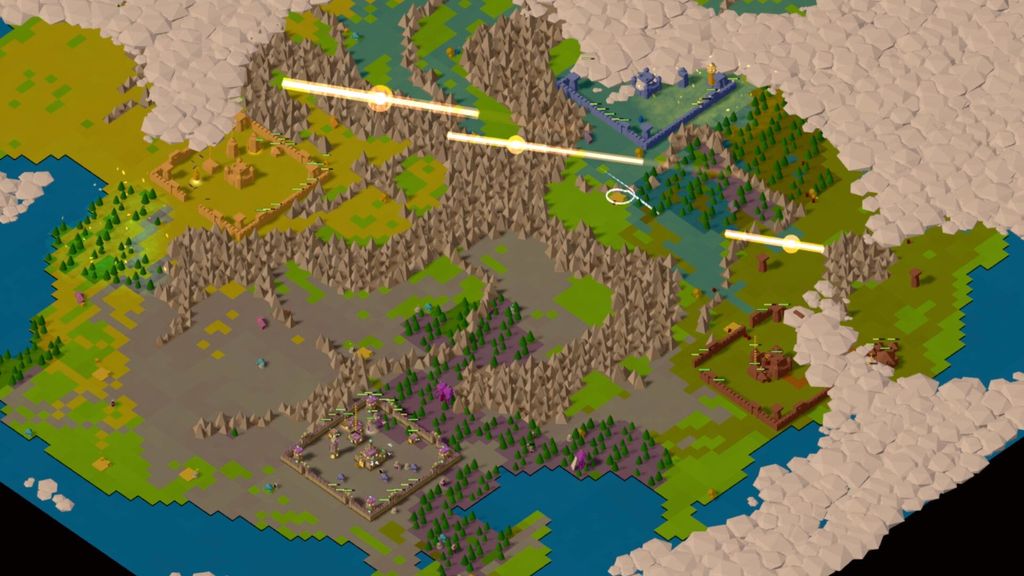
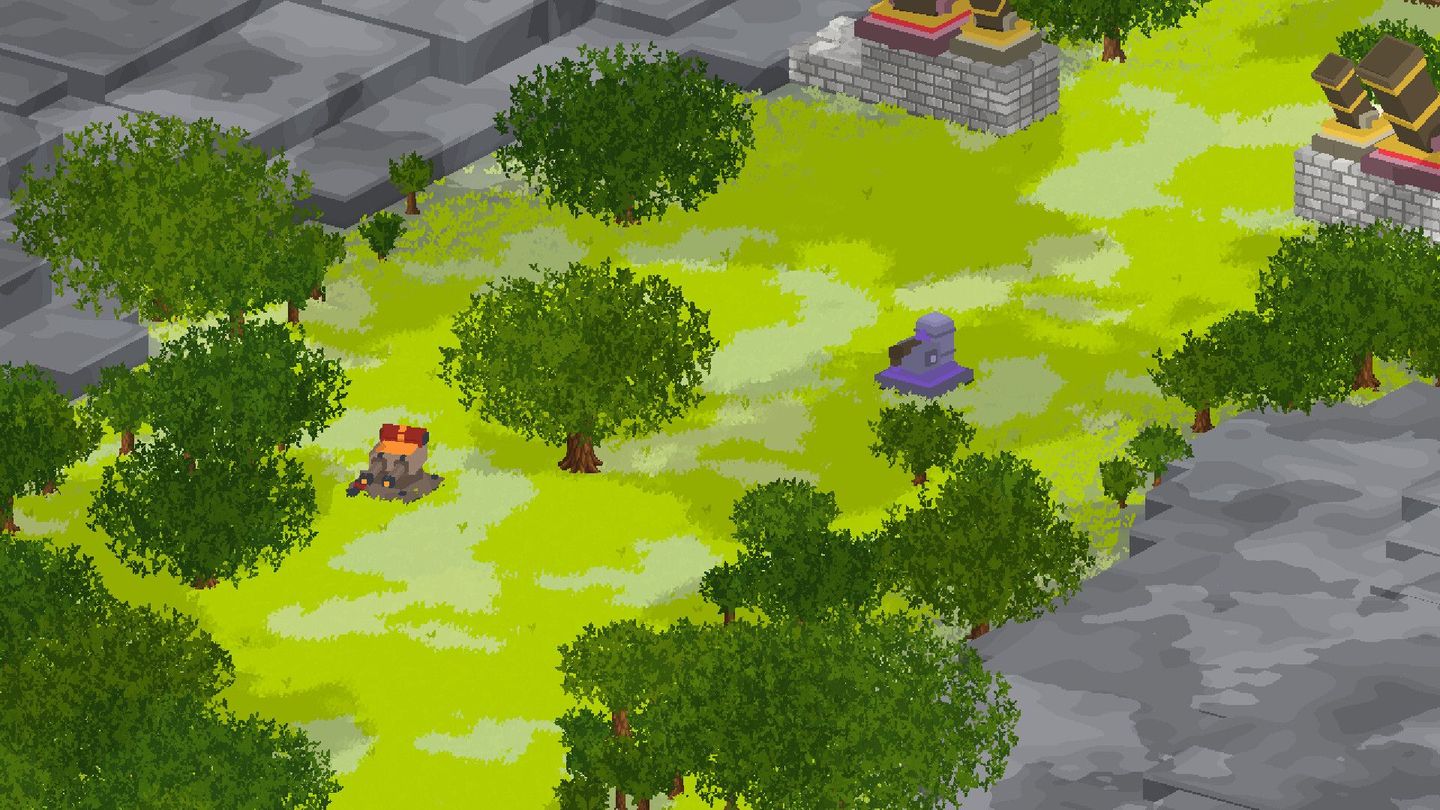
Everything you build appears on the map block by block. Drag to draw walls, pull up to stack floors and place towers on top for better sightlines or on the side to protect the base. You can upgrade materials from wood to stone to iron, sell pieces for partial refunds or undo your last move. The layout you draw changes the route of every slime at once, and a thoughtful funnel keeps the mass under the towers' fire for longer.
There are eight attack and control pieces, each offering distinct ways to handle the mass:
- Cannon - arcing bombs that burst, dig in and fly over walls, or boulders that roll along the ground.
- Machine gun - bursts that shred the line or precision shots that pierce armor.
- Tesla - lightning jumps between slimes or electrifies the ground they cross.
- Ice - pins a few targets or freezes everything in pulses.
- Flame - long jets that sweep the line or furnaces that roast up close.
- Glue and oil - puddles that stick, corrode, push back or ignite when the horde walks through.
- Piston - a heavy shove that throws the mass back.
Each piece upgrades to level III, and at the top you choose one of two forms. Cards and element combos matter a lot - a frozen slime that catches fire can explode, lightning can jump across glue without losing strength, and burning oil turns a simple puddle into a battlefield.
Terrain, Fire and Tactical Destruction
Nothing on the map is mere scenery. Explosions carve craters the horde can fall into. Slimes sliding into a hole will pile up until they create a ramp and climb out, and crater edges crumble as pressure mounts. Fire spreads, burning slimes and flinging flames into treetops. Oil ignites and can turn a corridor into a furnace - powerful, but risky.
Towers do not magically vanish when the supports fail. If a wall gives way, towers may come crashing down onto the horde, turning your own defenses into blunt instruments. That feedback loop makes aggressive or desperate builds spectacular to watch.
Essence, Progression and Replay DNA
Losing is part of the loop. What you collect in a run becomes essence, and essence feeds a persistent shop built as a tree with eight branches. Spend it to unlock new pieces like glue and oil, raise your base health, increase starting funds or expand card options. Each run begins a little stronger than the last, so learning which upgrades matter for your playstyle is part of the puzzle.
Because the deck, cards and map interactions can change the rules mid-run, Slime Break blends the crunchy planning of tower defense with the chaotic payoff of emergent physics. It rewards both careful funnels and on-the-fly improvisation.
Why Slime Break Sticks
Slime Break turns the familiar tower defense template into something messier and more tactile. The satisfaction comes from watching a plan come together - a ramp that funnels the mass, a puddle that lights just as armored slimes arrive, a collapsing wall that flattens a stream of enemies - and from the times it spectacularly fails. The game is about control through understanding how thousands of soft bodies will behave, and then nudging that behavior into a trap.
If you enjoy systems that collide - physics, procedural card choices and permanent progression - this one makes each run feel like a short experiment in creative disaster management.