
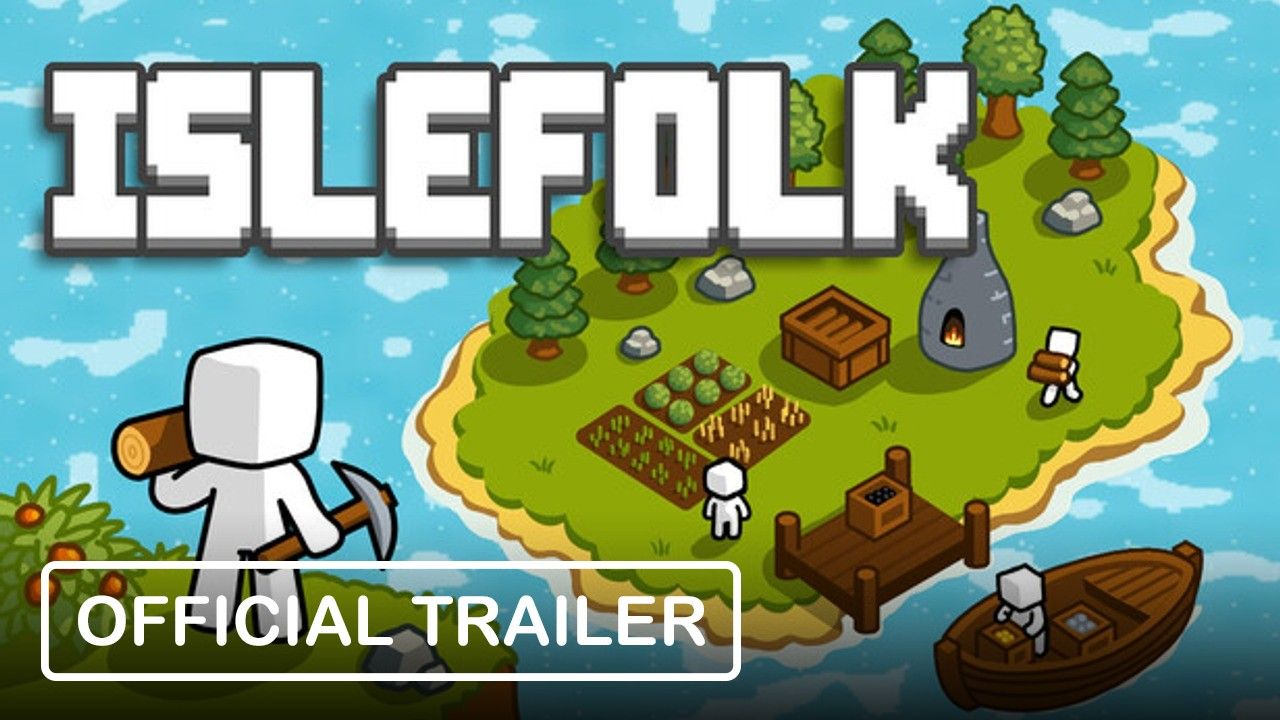
Islefolk hands off the reins but keeps the charm
Islefolk starts small: one worker on a tiny island surrounded by ocean. From there you coax a settlement into being by assigning jobs, placing buildings, and literally pushing back the sea tile by tile. It is a colony sim that leans into calm - villagers do the work, the world keeps turning, and mistakes are gentle.
The core loop is reassuringly simple. Assign villagers to chop wood, mine stone, plant crops, or craft; watch them haul goods and tend fields; expand your land and unlock new structures and recipes. There are no permadeaths and no hard fail states. Setbacks leave a worker knocked out instead of gone, waiting for you to wake them and get things moving again.
Build and expand - one tile at a time
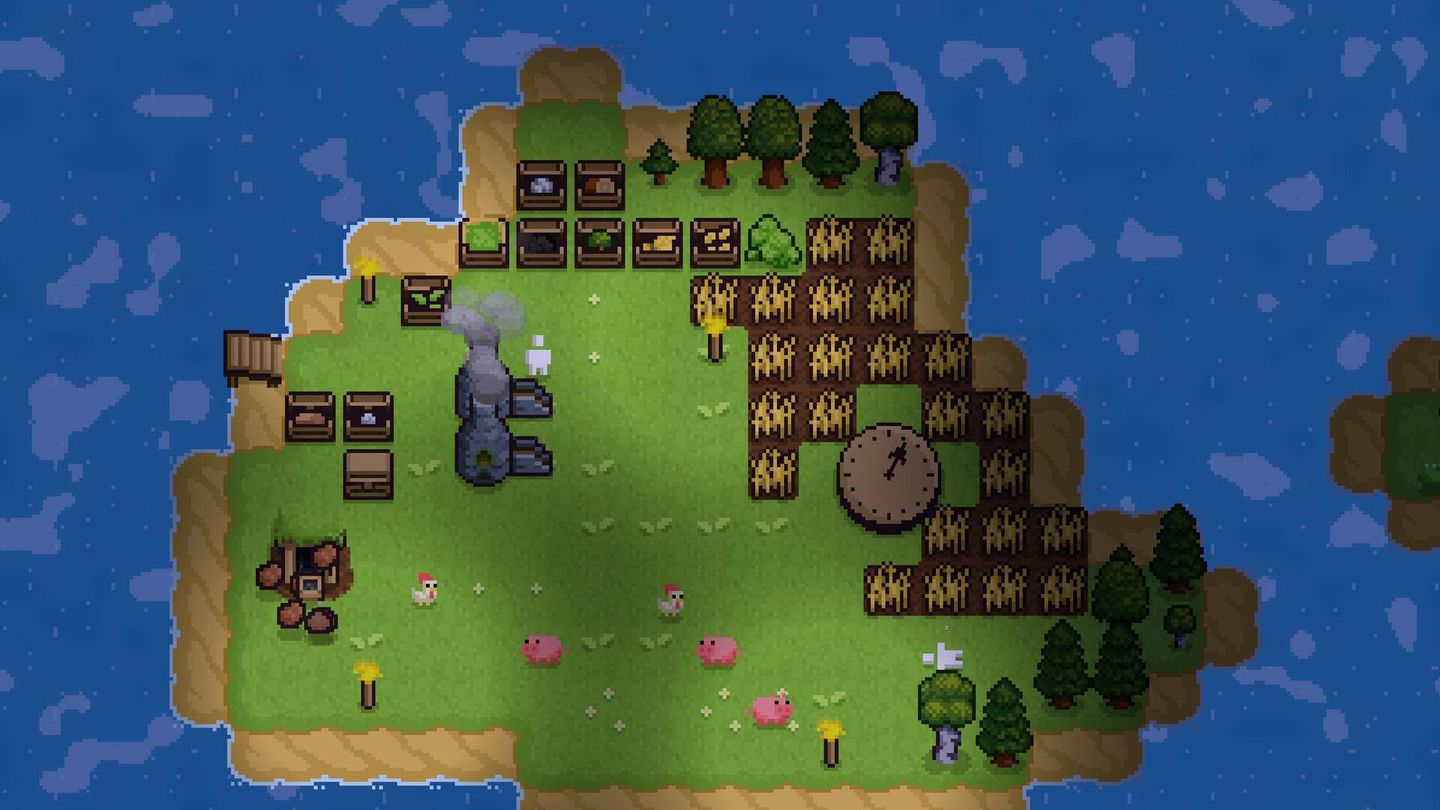
Expansion is literal in Islefolk. You do not just zone new land or purchase a radius increase. You lay down new land tiles and alter the island's shape by hand. Want clustered orchards? Carve out flat fields. Prefer wild woods beside the docks? Leave areas untouched and let nature persist.
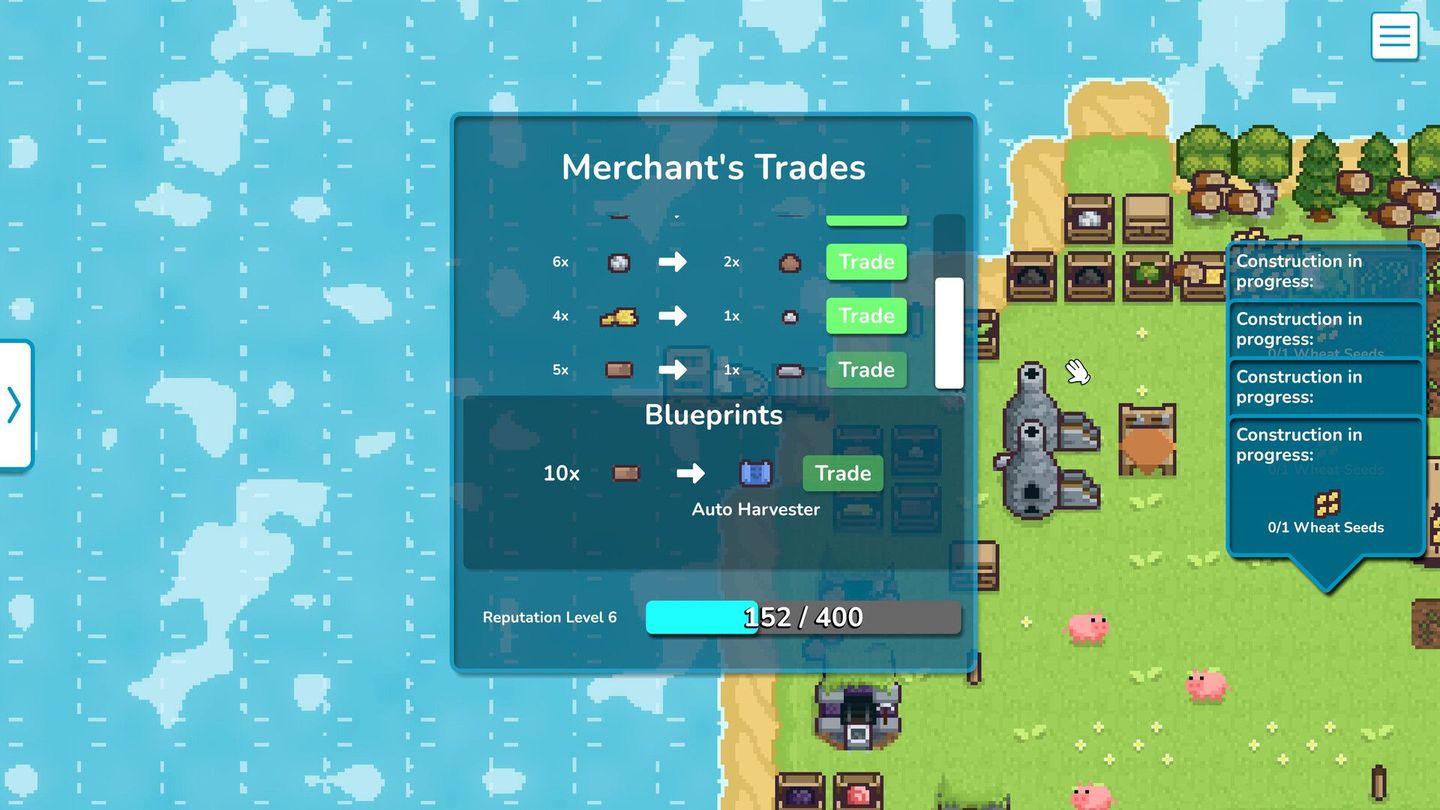
Structures follow a familiar progression. Start with basic storage and crafting stations, then unlock furnaces, trash burners, and more advanced production chains. Blueprints are part of the discovery loop: some must be acquired from the traveling merchant while others come from your own research and reputation.
Villagers who think for themselves
The game highlights autonomous workers with pathfinding and job assignment. You set priorities and tasks, and villagers will pick the nearest job, fetch resources, and carry out multi-step processes on their own. That removes a lot of busywork without stripping away strategy - planning efficient layouts and prioritizing the right blueprints still matters.
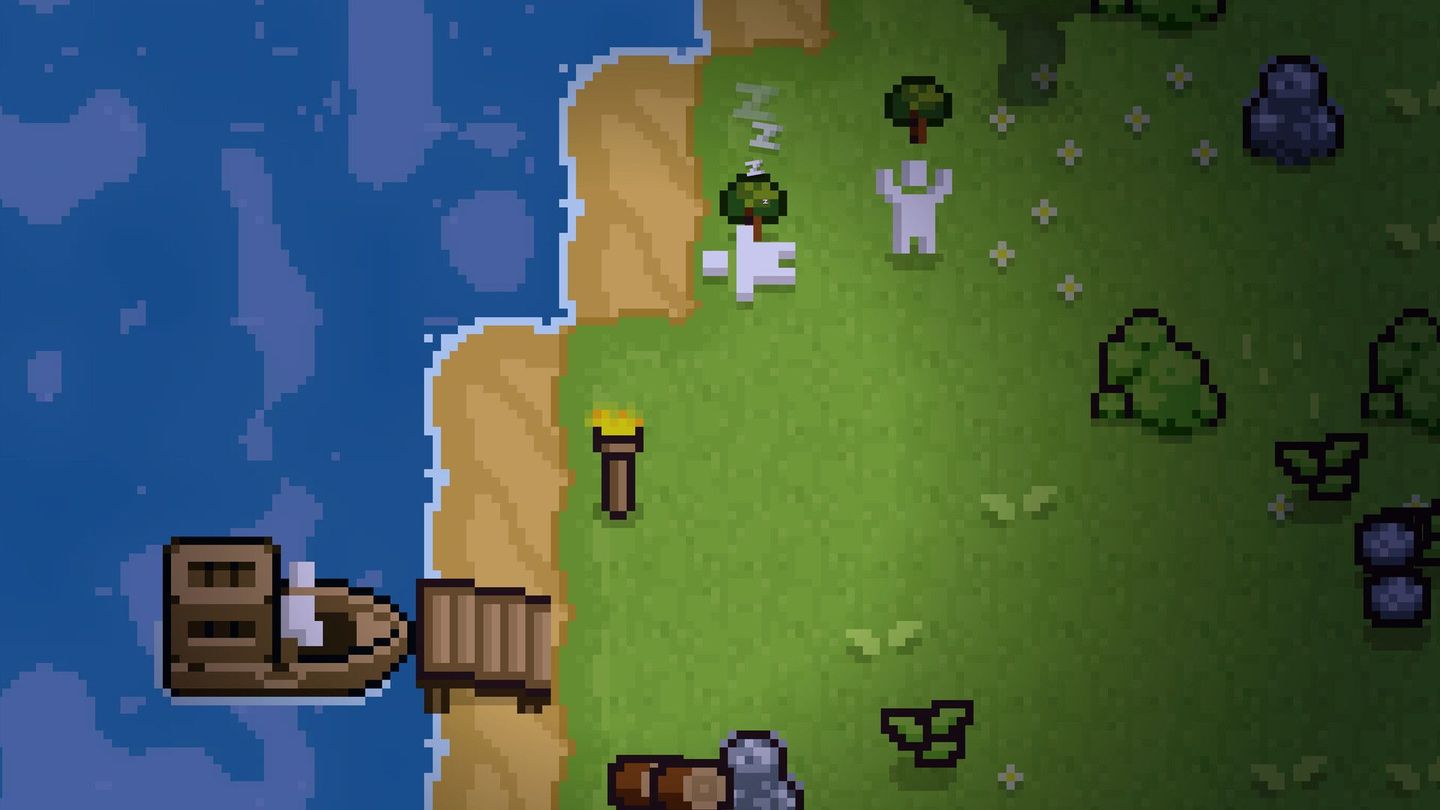
Because failures are nonpermanent, Islefolk encourages experimentation. A nocturnal hazard might knock a worker out cold. There is no death, only delay. That design choice keeps the tone relaxed and keeps players focused on growth rather than recovery.
Trade, craft chains, and reputation
A mysterious merchant visits your dock on a schedule, opening a commerce loop beyond basic resource gathering. Trades can yield rare goods, powerful blueprints, or exotic materials needed for advanced crafting. Reputation with the merchant influences what he brings, rewarding fair or generous dealings.
Processing materials is an important part of the economy. Smelt ore at a furnace, burn waste in a trash burner, and assemble complex items through chained crafting steps. The procedural resource system and branching recipes create long-term goals without demanding speed runs or perfection.
World, visuals, and mood
Islefolk uses handcrafted pixel art with dynamic water and cloud shaders to sell its relaxed atmosphere. A day and night cycle and atmospheric lighting give the island character as villagers move through their routines. Procedural island generation keeps each new playthrough fresh while the visual language stays cozy and readable.
What Islefolk offers players
If you enjoy colony sims that reward planning rather than punishing mistakes, Islefolk is worth a look. Its focus on autonomous villagers, gentle setbacks, and deliberate expansion makes it a good match for players who want a constructive sandbox instead of a survival gauntlet. The merchant, blueprints, and crafting chains add depth for long-term play and discovery.