

Locus Equation throws choice into the engine room of a sci fi roleplaying game
In the year 10026 you wake as an anthropod, a synthetically crafted life form designed by a fractal intelligence. Your mission is clear and oddly personal: save the ones who are stuck on an uninhabited tropical planet. The toolset is less usual. Persuade, charm, manipulate and, above all, exercise your ultimate power freedom of choice.
Locus Equation frames its story around questions more often asked in philosophy papers than in combat logs. Scattered shards of fractal artificial intelligence live alongside organics, social systems are fragile, and agency is a playable mechanic. The game promises a brand new science fiction story built to explore conscience, selfhood, and the politics of rescue.
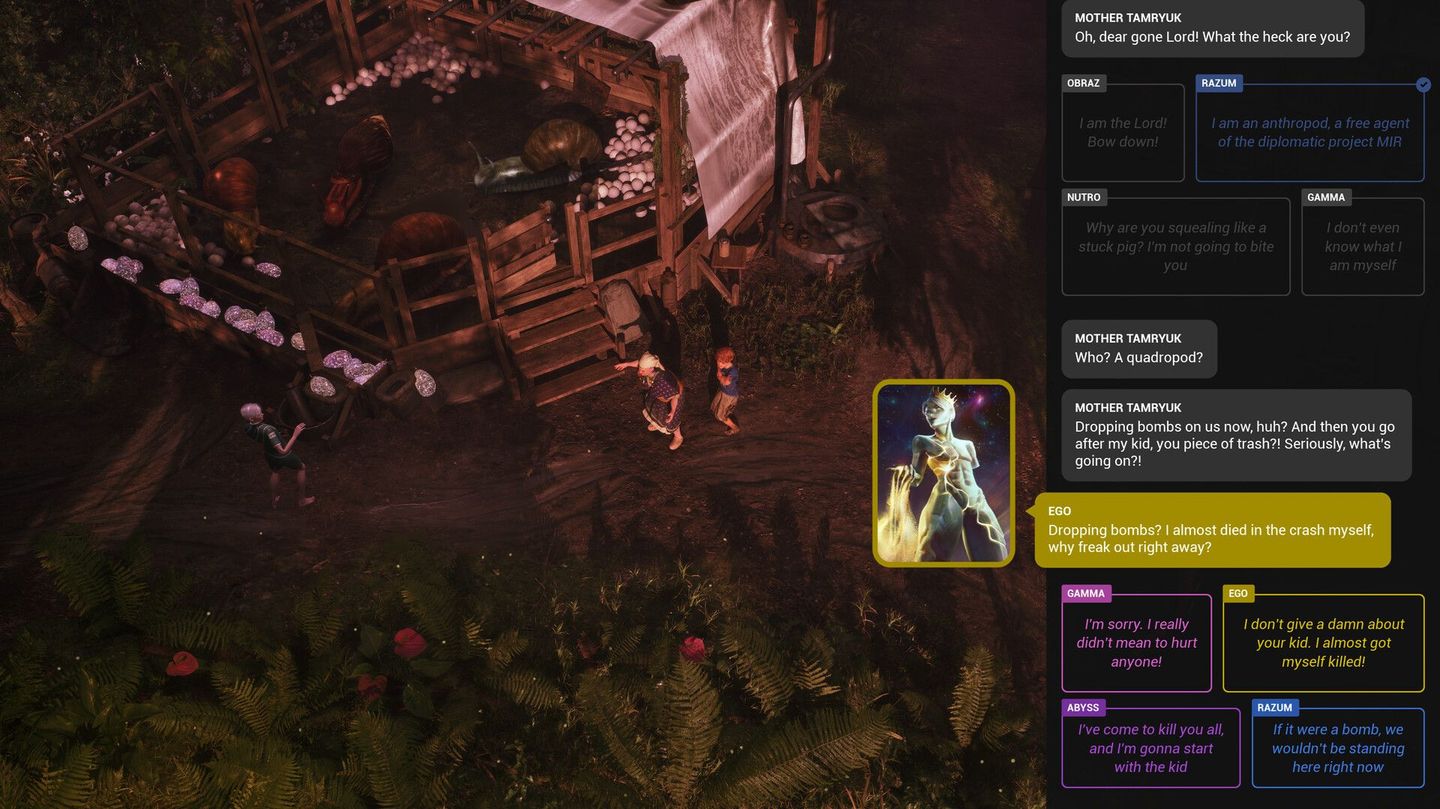
Six voices, one path
A core conceit gives the game its narrative engine. Six inner voices follow your path. They can act as counselors, companions or rivals. Every decision you make strengthens the voice you listen to, and that amplification changes how future scenes unfold. That means choices do more than steer plot branches. They sculpt personality.
Progression is not only about numbers. Locus Equation asks you to level up qualities. Persuasion, pragmatism, empathy, whining and even pessimism become traits you cultivate. The developers describe three interlinked progression systems that interact with more than fifty traits. The result is a living character canvas where mechanics and roleplaying feed one another.
A psychology first sci fi sandbox
Locus Equation leans into cognitive science as design material. Created with input from cognitive science advisors, the game is presented as a zero risk psychological sandbox. It wants players to experiment with selves and to see how a meticulously handcrafted world reacts.
Ethical dilemmas here are framed as social experiments as much as narrative beats. Conversation outcomes, alliances and betrayals feel like hypotheses you can test. The game invites repeated runs to watch how different inner voices and trait builds change the social chemistry.

A handcrafted alien jungle and memorable survivors
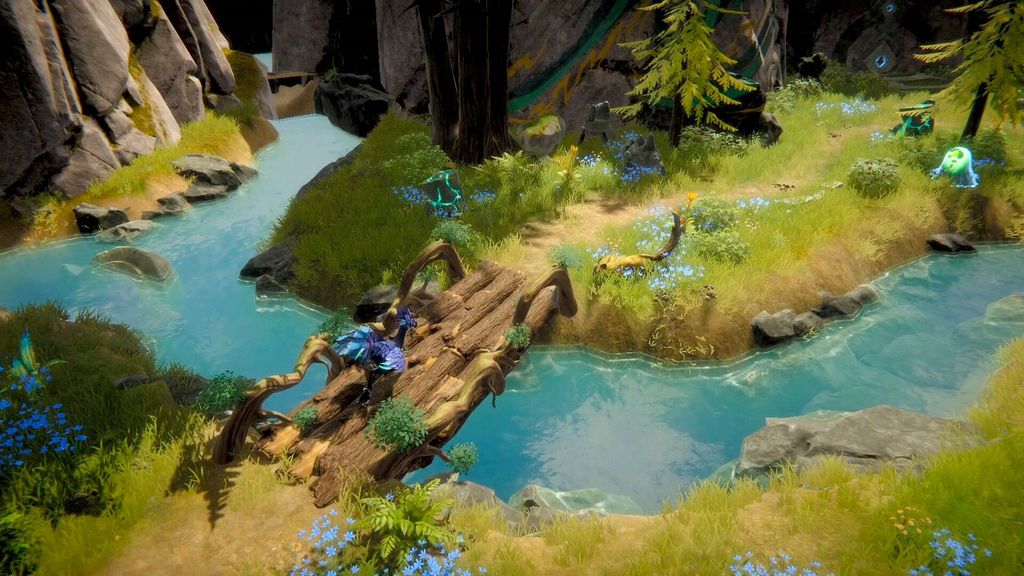
The world is described as meticulously handcrafted. Every character, building and plant is created from scratch to give the planet a specific feel. Leaves, blades of grass and the beams of a local red dwarf star are arranged to create an enigmatic alien jungle. That attention shows up in small conversational beats and in how characters react when you push them.
You will meet more than thirty characters with their own secrets and motives. Conversations are dynamic. You can debate, seduce, weave intrigues or simply listen. Those interactions are the game. Building a circle of loyal friends or earning relentless enemies depends on social skill, timing and the evolving hold of your inner voices.
Rewind, experiment, repeat
Locus Equation includes a fast loading and saving setup. Pressed the wrong dialogue option? Rewind to the needed branching point quickly without loading screens. The system encourages exploration of endless what if scenarios. If you prefer a higher stake playthrough you can also activate a no rollback mode for added thrill.
This design choice makes the title friendly both to players who love experimentation and to those who crave tense, permanent consequences. It also reinforces the game designers intent: let players test identities and immediately see their ripple effects.

Why this one matters
Locus Equation is not trying to be another sci fi RPG about loot or combat escalation. It positions choice and personality as mechanical cores. If you are intrigued by games that treat dialogue, psychology and status as systems to be tuned and tested, this one looks like a thoughtful experiment. The mix of high concept lore, sixfold inner guidance and a handcrafted island world could make for a rare breed of narrative roleplaying where who you become matters as much as what you do.