
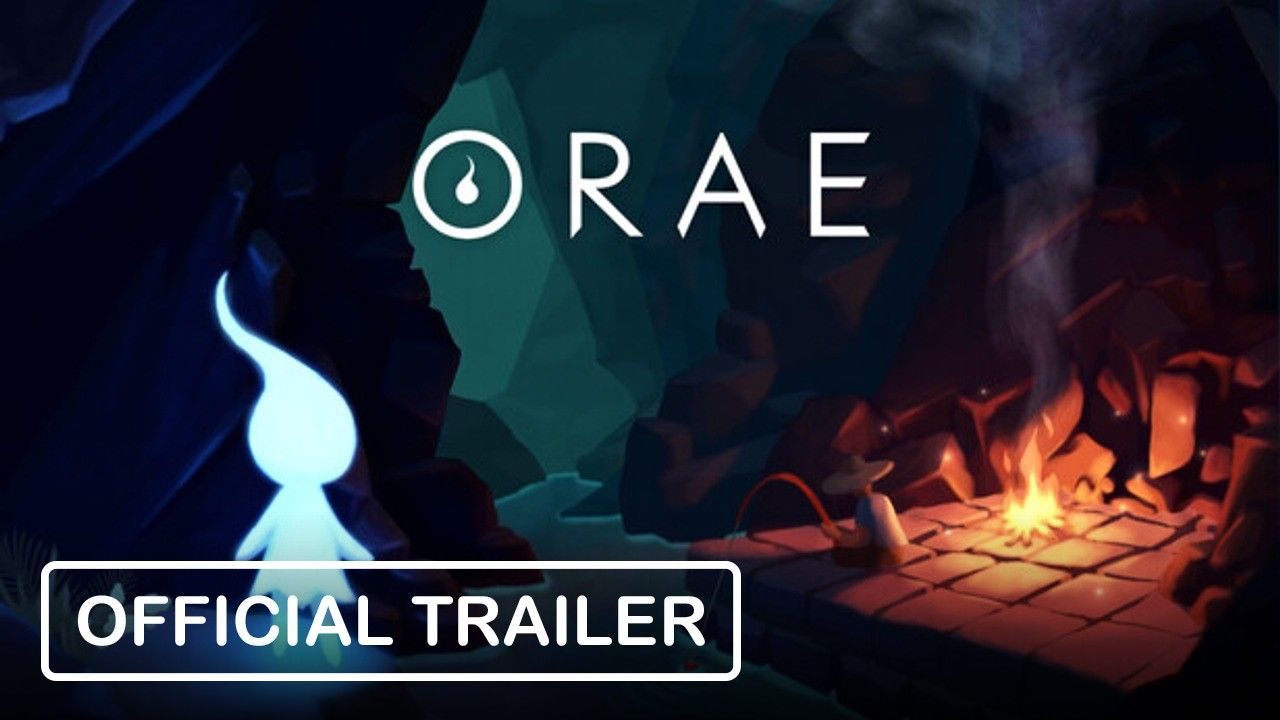
ORAE - A Quiet World Built Around Knowledge
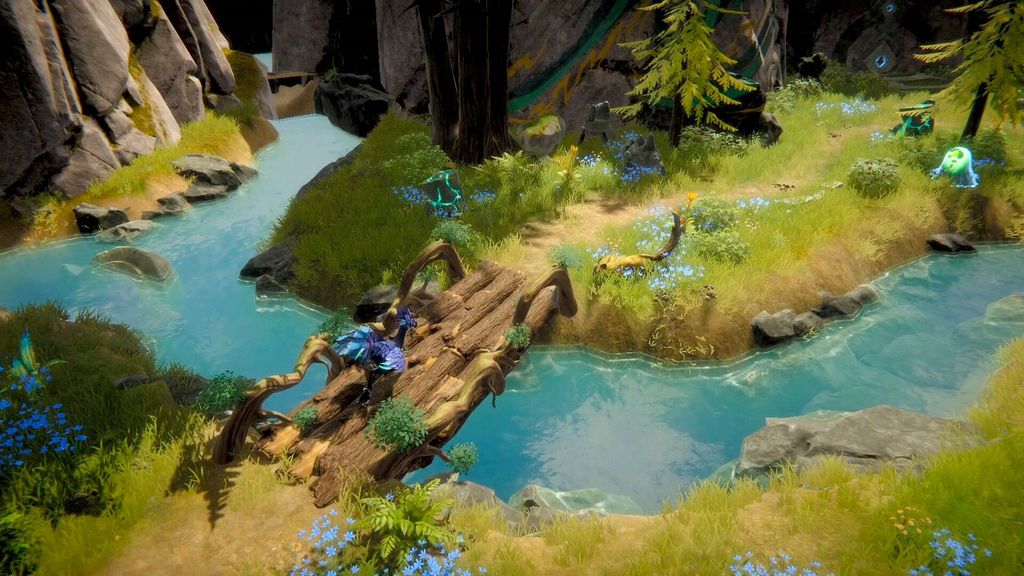
ORAE drops you into a dense, interconnected place that used to be shared by humans and souls. Now it is mostly quiet, strewn with artefacts and the scars of some long-ago disaster. You do not arrive as a hero with a map. You arrive as a soul with questions and a single truth to lean on: what you learn is how you progress.
Playing ORAE is about exploration and discovery, not ticking off objectives. The world is designed so that a detail you missed or a floppy disk you have not yet read can completely change what you can do in an area. That makes each corner feel meaningful and worth a second or third look.
Explore a World That Doesn't Tell You Where to Go
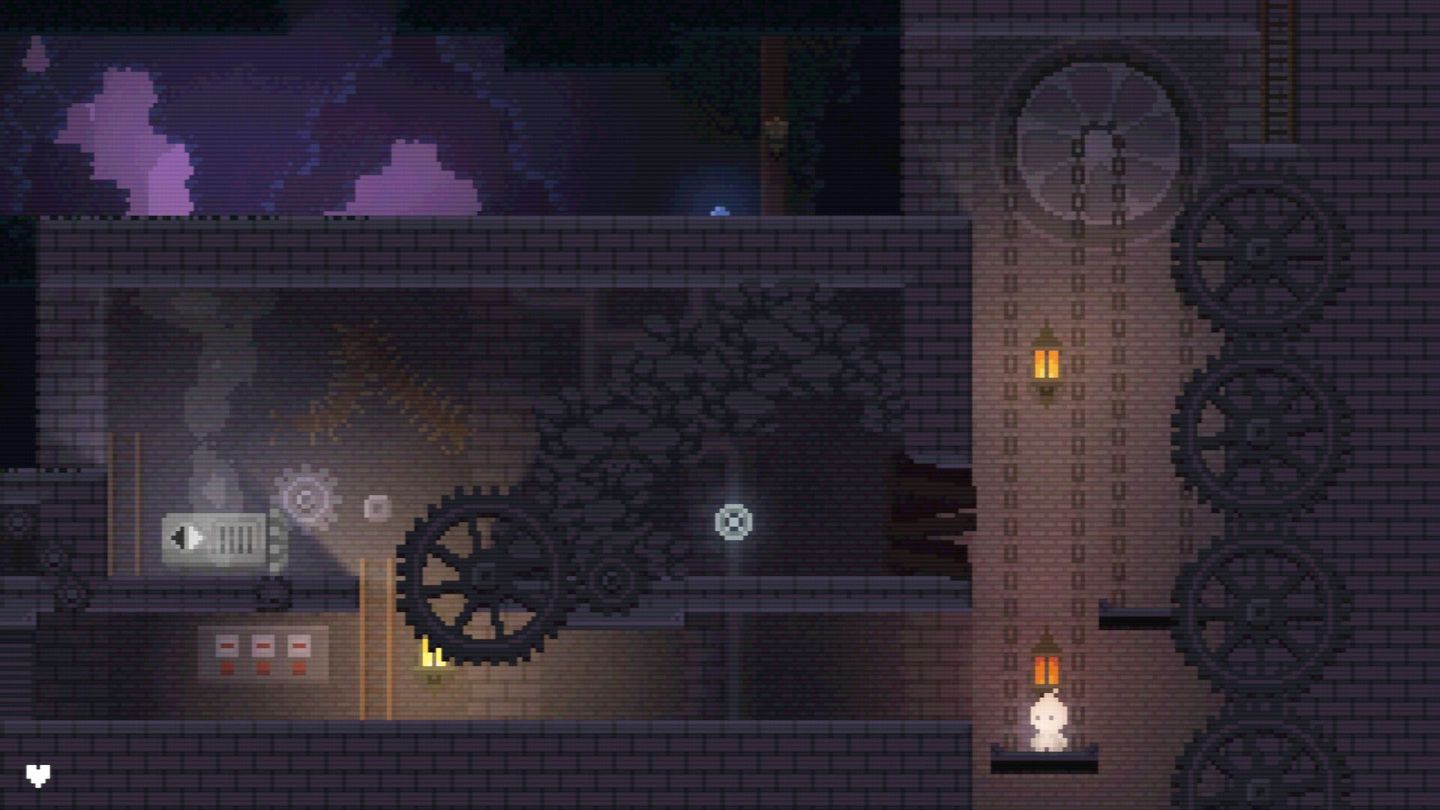
There is no single path forward in ORAE. The environment is intentionally non-linear and built to reward curiosity. Revisiting previously seen places with a new piece of knowledge can open up routes, reveal hidden mechanisms, or recontextualize a location you once passed by. The emphasis is on learning as a mechanical ability. Instead of unlocking skills, you unlock understanding.
That design encourages careful observation. Overlooked details, snippets from messages, and clues stored on floppy disks all feed into how you interact with the world. It is a low-pressure invitation to puzzle out the layout on your own terms.
Souls, Machines and Puzzle Logic
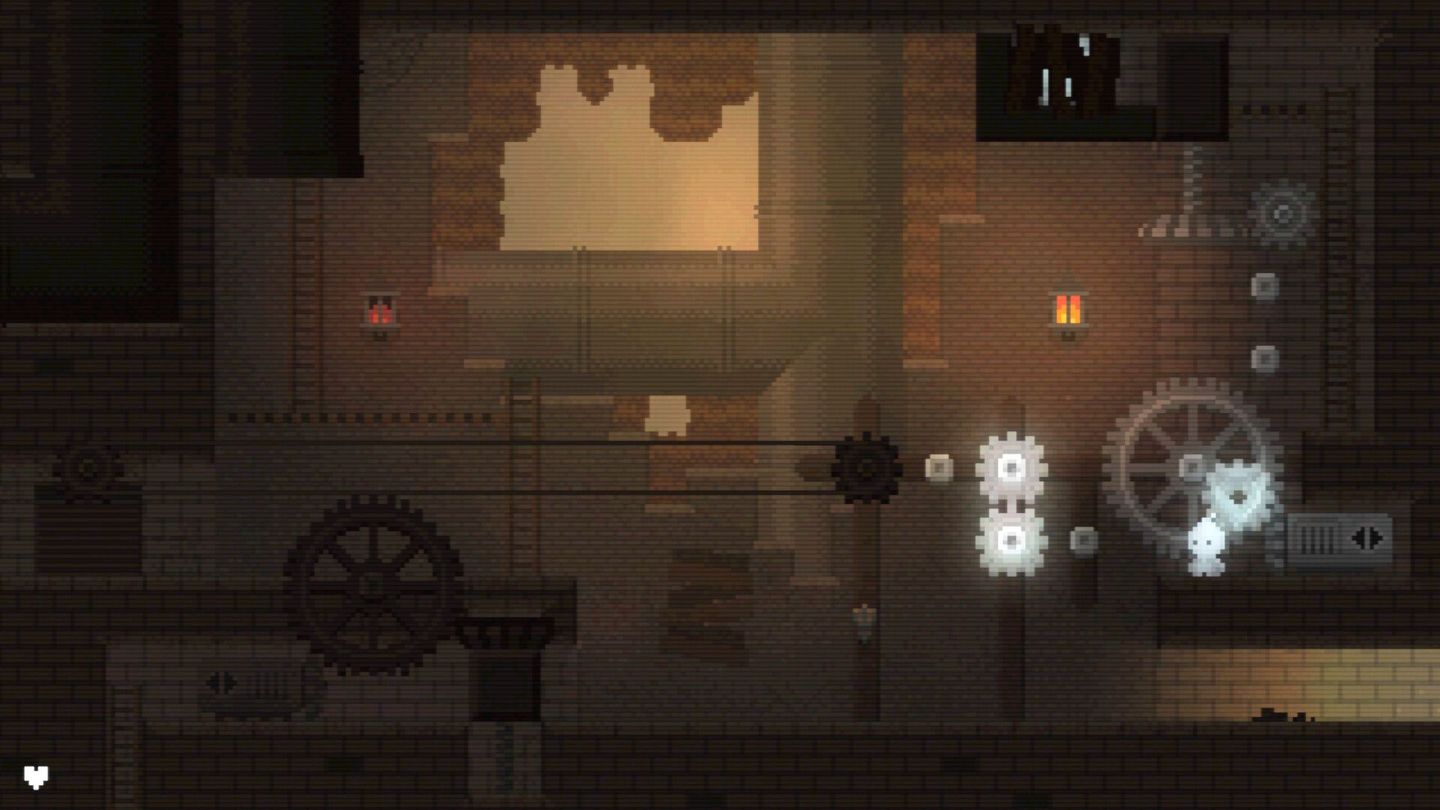
Souls are not just the player character in ORAE. They are a source of energy you can use. You can enter machines to power them and manipulate mechanisms to push deeper into the map. Puzzle types include lights, cogs, motors and other contraptions that respond to how you route power or interpret clues.
Every solved device is a small victory that often changes the geography of the area around it. And sprinkled throughout the world are messages and floppy disks that provide context and sometimes the missing hint you need to understand a contraption. Pay attention to the environment; ORAE treats information as a tool as much as an explanation.
Meet the Last Inhabitants
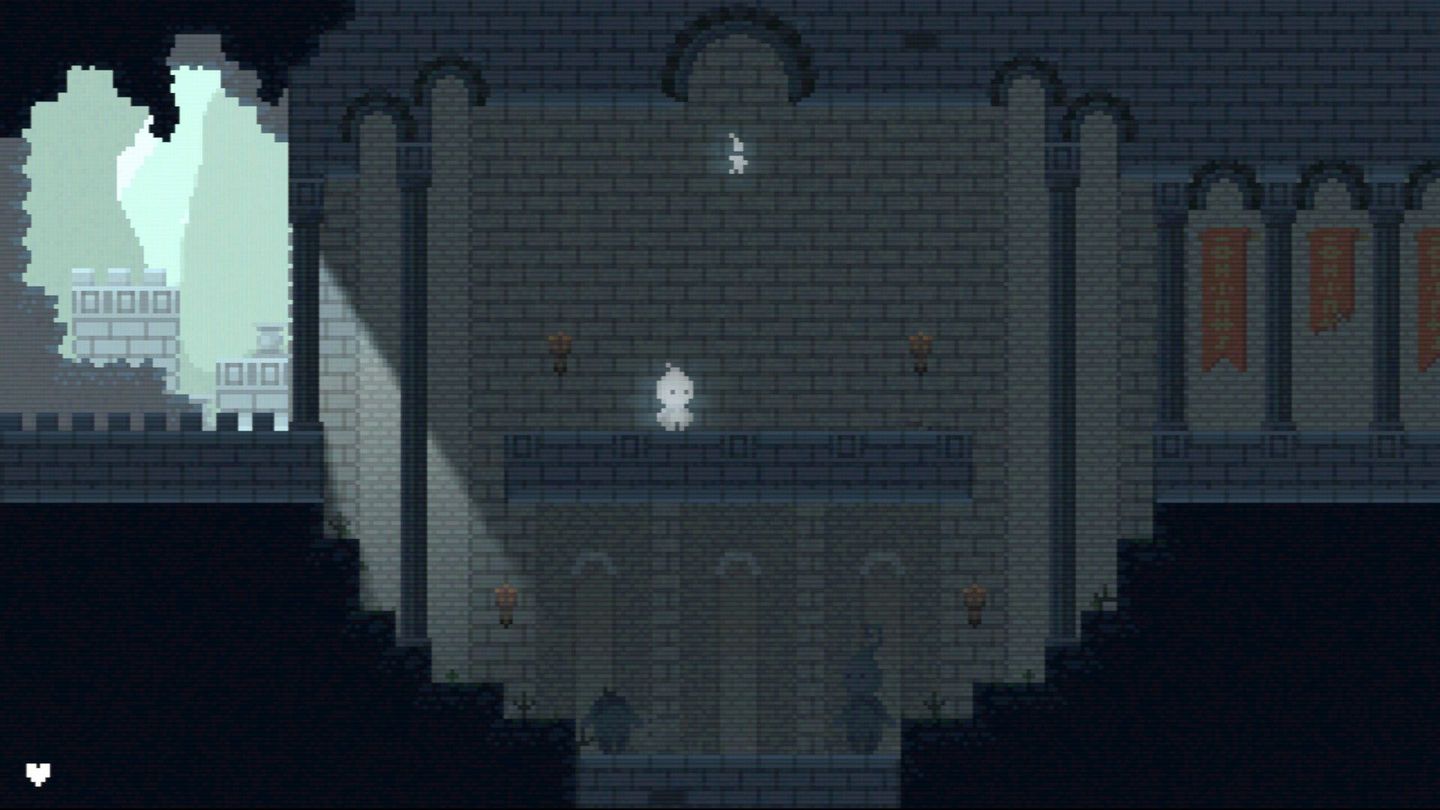
Humans are not entirely gone. The remaining people live among the ruins and can be talked to. Conversations reveal stories, context and occasionally opportunities to help. Other souls, like your own, also appear across the world-finding them strengthens you and adds another thread to the larger mystery.
ORAE balances solitary exploration with moments of connection. Those encounters can feel poignant because they exist inside a landscape that remembers better than its residents do.
Who Should Play ORAE
If you enjoy methodical exploration, environmental puzzles and games that trust you to piece together the story from fragments, ORAE looks built for that audience. It is less about combat or action and more about curiosity, deduction and the quiet satisfaction of seeing a broken world start to make sense.
There is a certain charm to collecting knowledge in the form of floppy disks. In ORAE that charm becomes a true game loop: gather information, return to old places, and watch the map shift as your understanding grows.