
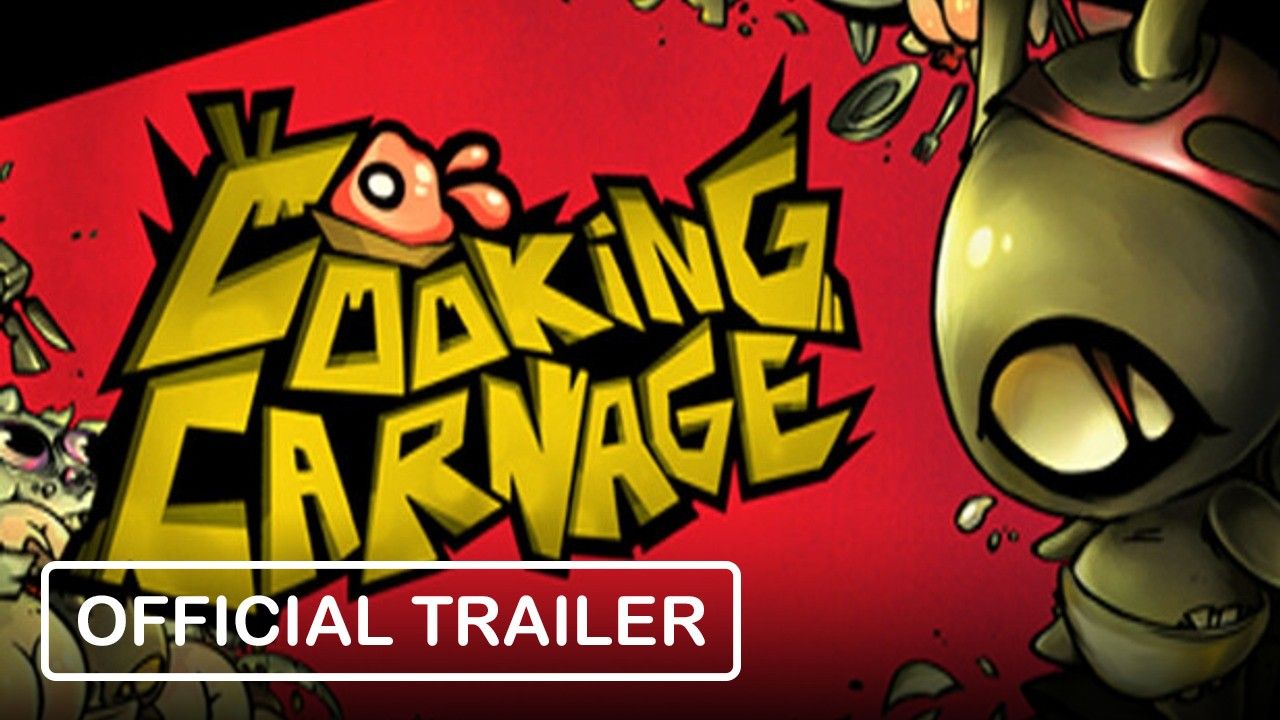
Cooking Carnage puts questionable recipes at the center of service
It is the beginning of a long day in a very small kitchen. The microwave hums, the counter bell rings, and alien customers file in with specific cravings. In Cooking Carnage you play as a cook with unorthodox methods: prepare your signature jelly for demanding extraterrestrials, or harvest fresh meat from the bodies that sit at your counter and use it as an ingredient for the next order.
The premise is blunt and a little absurd, and that fits the game. The loop is fast, chaotic, and optimization-driven. Kill a troublesome customer, grab usable bits, run between machines, and churn out another order before patience runs out. Tips grow with speed and satisfaction, so you are constantly weighing which customer to please and which to dispose of.
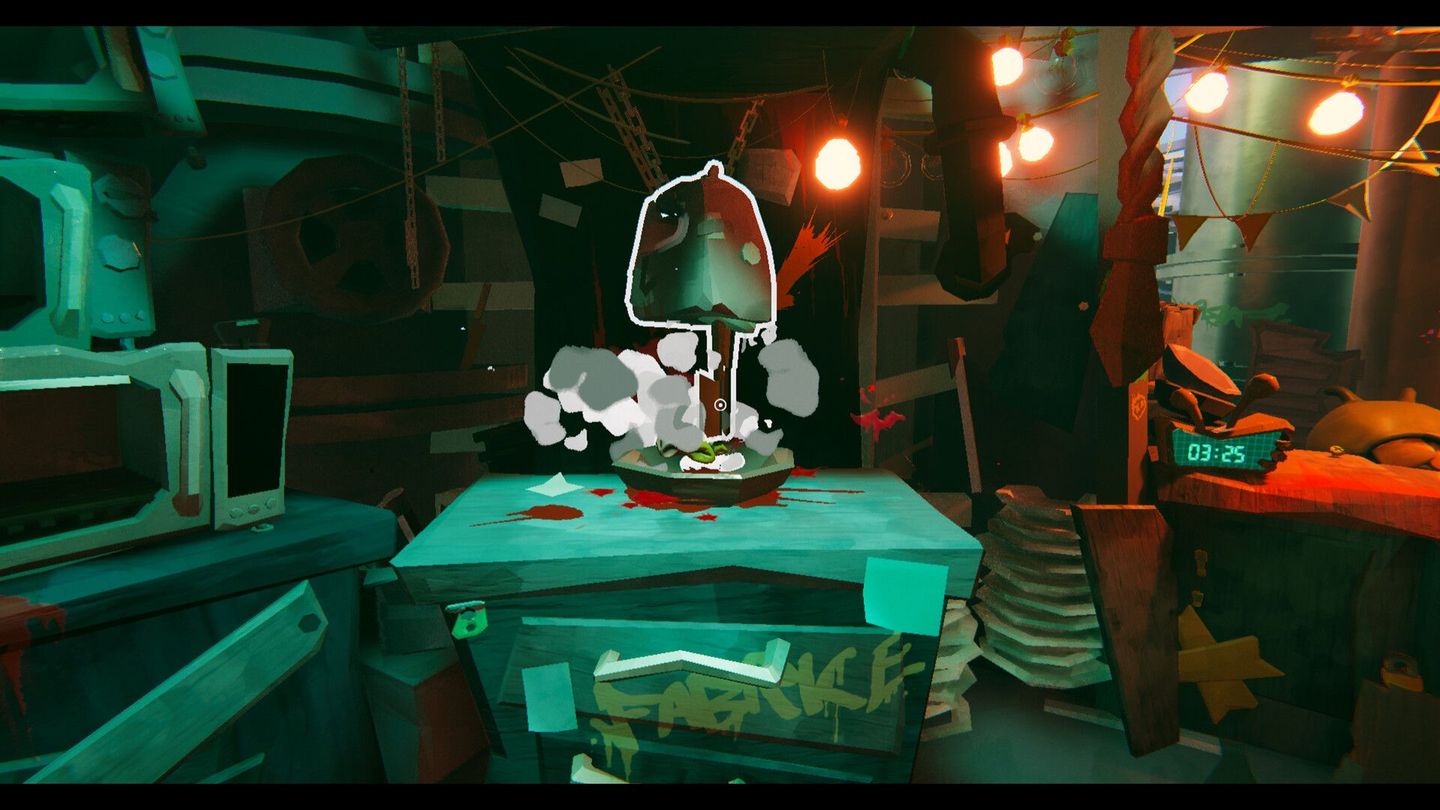
The daily grind: slice, serve, repeat
Cooking Carnage makes the killing of customers a central mechanic, not a background joke. Customers have unique orders and limited patience. Keep them waiting and they get unhappy. Serve them quickly and they tip more. Some will be more trouble than they are worth, and that is when the game encourages you to make room at the counter in the most literal way.
The only dish you serve is jelly, but it comes in many combinations. Ingredient management matters. When a customer becomes a source of fresh components, your decisions directly affect future cooking options. The urgency is constant: run, slice, cook, plate, and repeat.
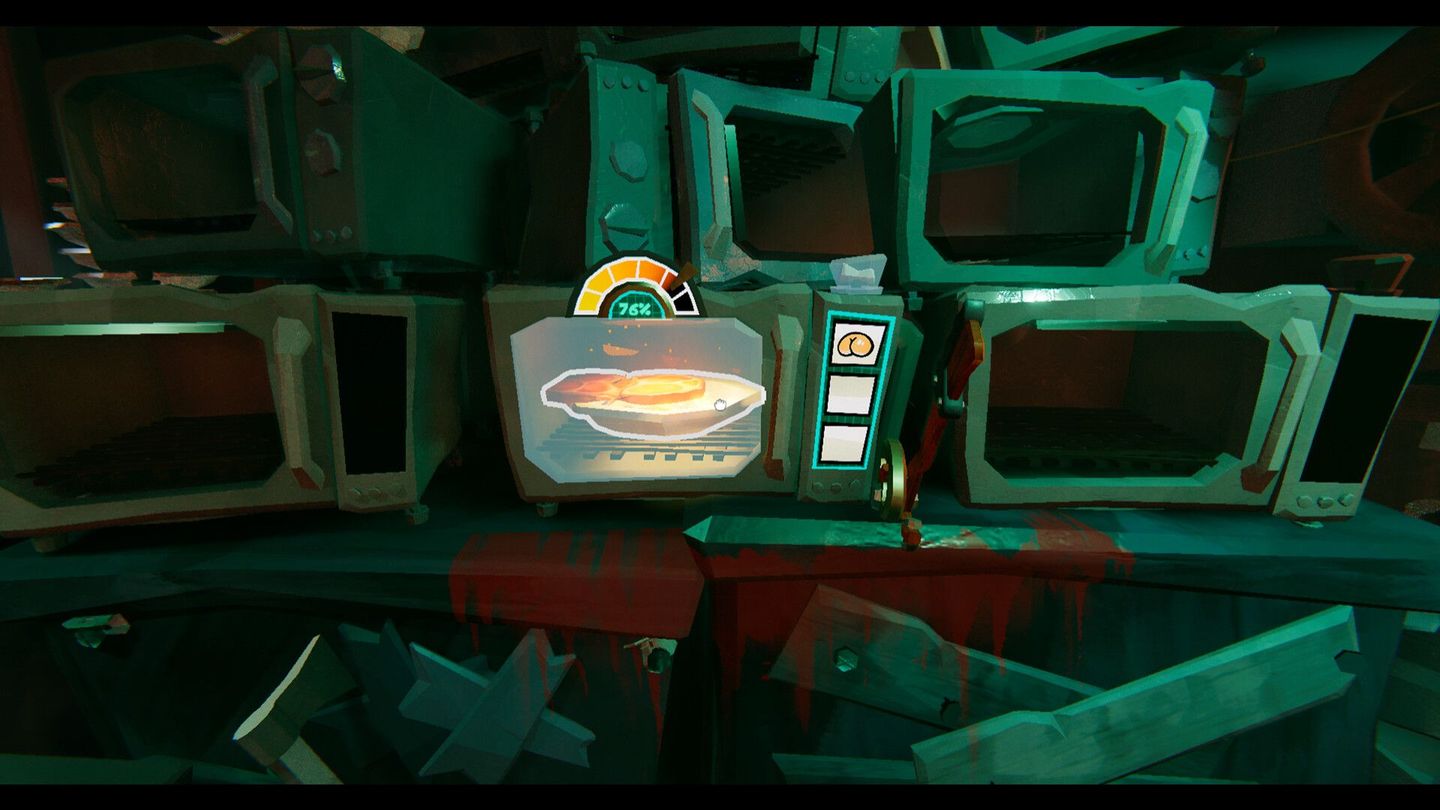
A kitchen of gadgets and efficiency
Four different cooking machines populate your cramped workspace, each offering distinct processing roles. The core of the gameplay is spatial and time optimization. Keep utensils busy, chain processes, and shave seconds off each meal to increase throughput.
Between machines you will shuffle ingredients and prepared components, aiming to minimize downtime. The game frames these choices as tactical and rewarding: the better you plan routes and keep equipment active, the higher your turnover and the fatter your tips.
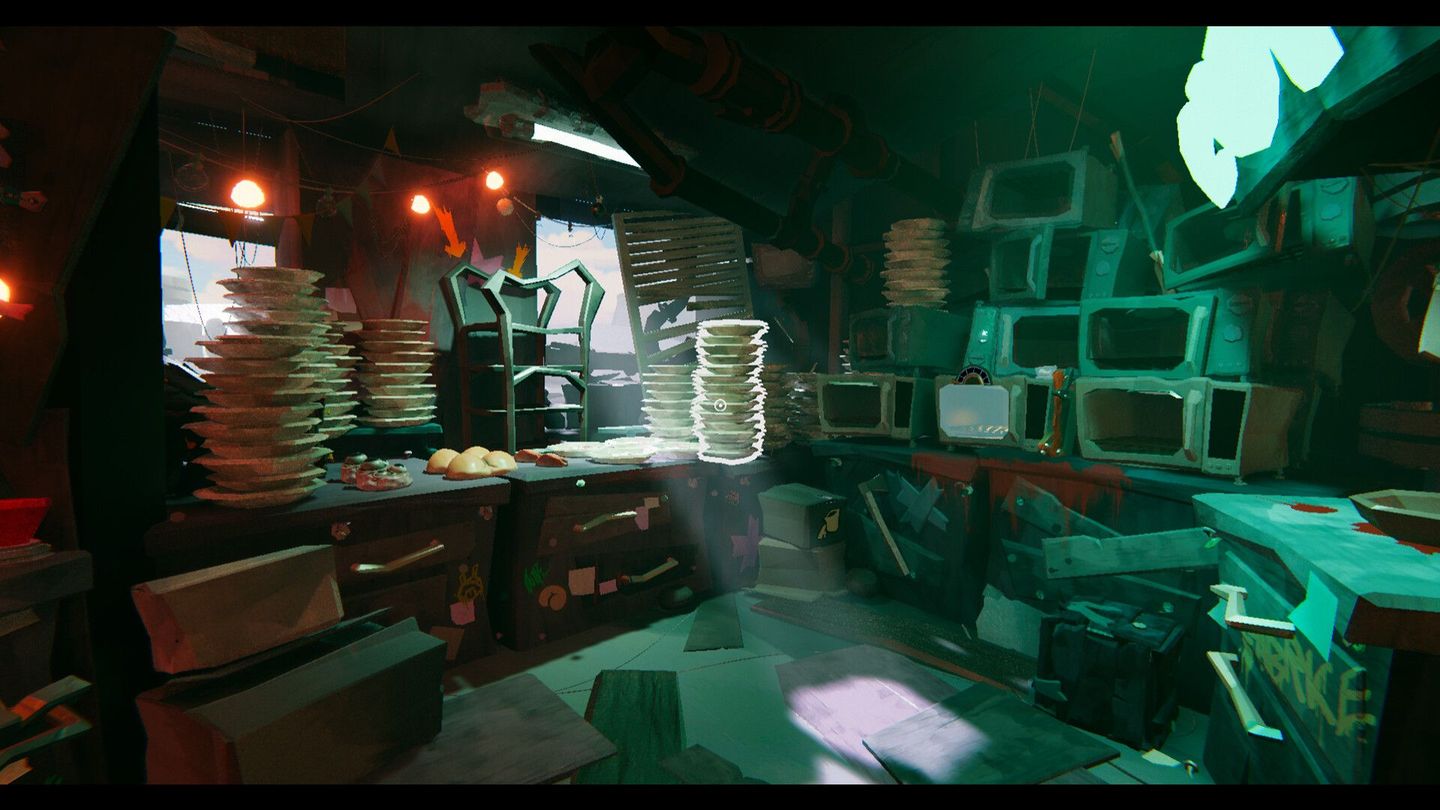
Upgrade, optimize, survive
Money is tight in the game world, and upgrades are the route out of the grind. Between shifts you can invest in a variety of modifiers to boost productivity, increase revenue, or accelerate machines. These improvements let you scale up operations and handle more demanding waves of customers.
Progression is straightforward and mechanically focused. The more you master the loop of killing, salvaging, and cooking, the more you can afford to optimize. That leads to faster runs, better tips, and a growing sense of kitchen control.
Student-made and proud
Cooking Carnage was produced exclusively by students as an in-year project at Supinfogame Rubika in Valenciennes, France. The project aims to combine dark humor with tight management mechanics, and its design centers on a small set of focused ideas executed in a short play loop.
Knowing it is a student project helps set expectations: the experience is built around a strong conceit and simple, repeatable systems rather than a sprawling feature set. That clarity can make for satisfying, bite-sized sessions.
Why you might want to try it
If you enjoy quick, optimization-heavy kitchen sims with a grimly comic twist, Cooking Carnage offers a compact, provocative take on the genre. It leans on a single meal concept and a handful of machines to create pressure and decision-making that is surprisingly tactical. It is the sort of experimental concept that benefits from the creative freedom of student development: bold, a little weird, and unapologetically focused.