
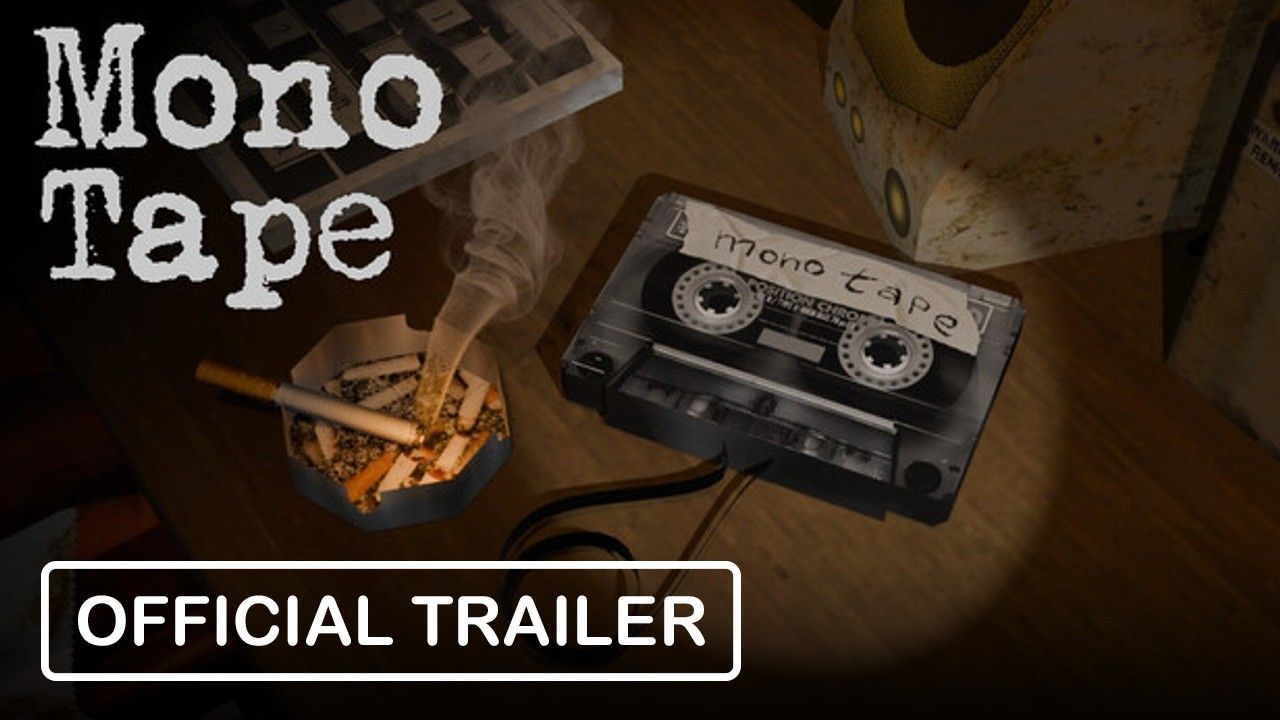
Mono Tape: Remember, Repair, Repeat
You wake up to your reflection and a question that will not leave you alone. Who was sitting next to you that night? What really happened? Mono Tape drops you into a small, claustrophobic loop: gather lost cassettes, patch corrupted audio and video, and rewatch the shards of a memory until the picture finally fits. The goal is simple and brutal. You must remember.
The game centers on a damp cabin bathroom and an exhausted protagonist wrestling with fragmented recollections. Memories appear as tapes and glitched footage. Your job is mechanical and moral at once: fix the recordings, digitize them, and use those recovered moments to map out what happened. But the recovered truth is not a neutral object. It changes how people around you behave and how you see yourself.
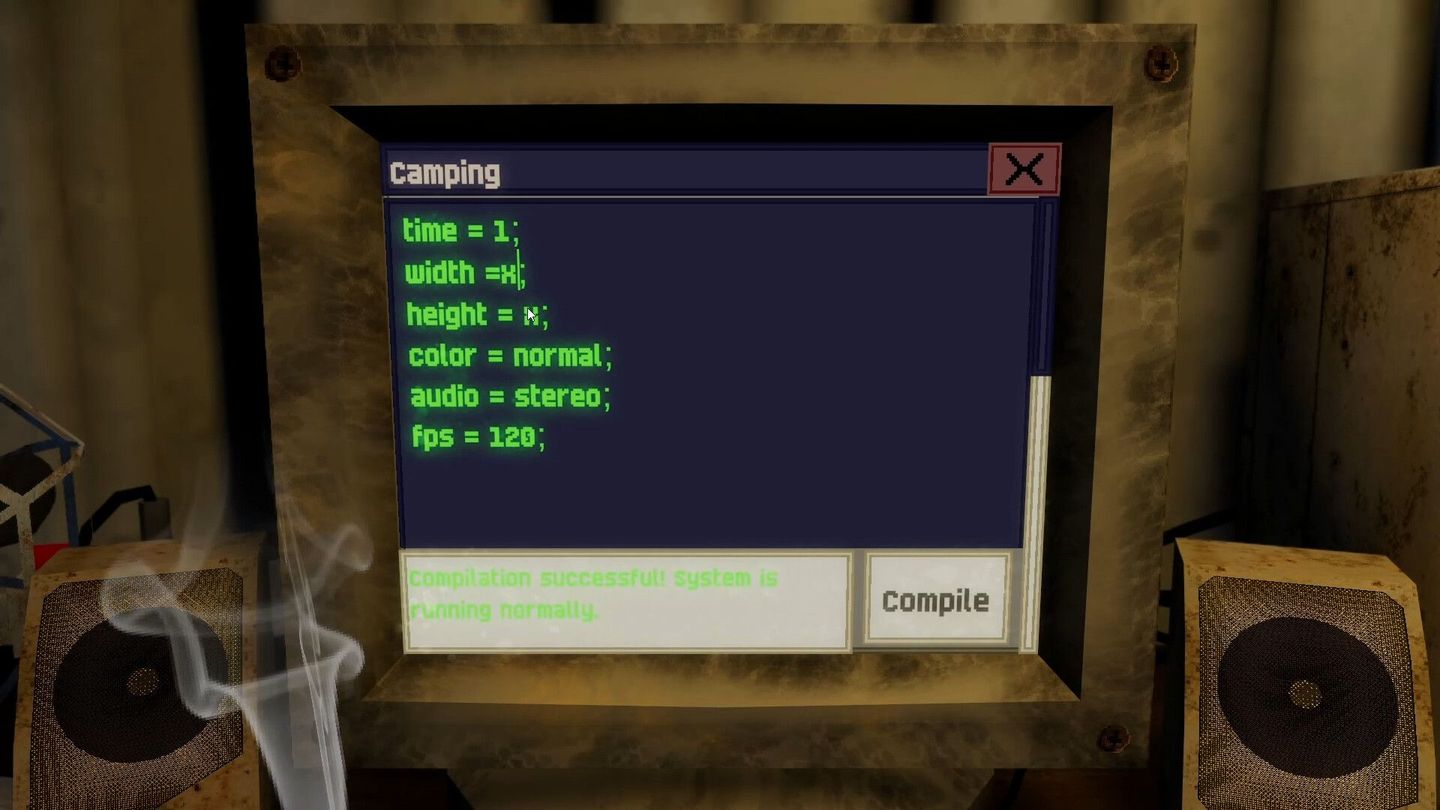
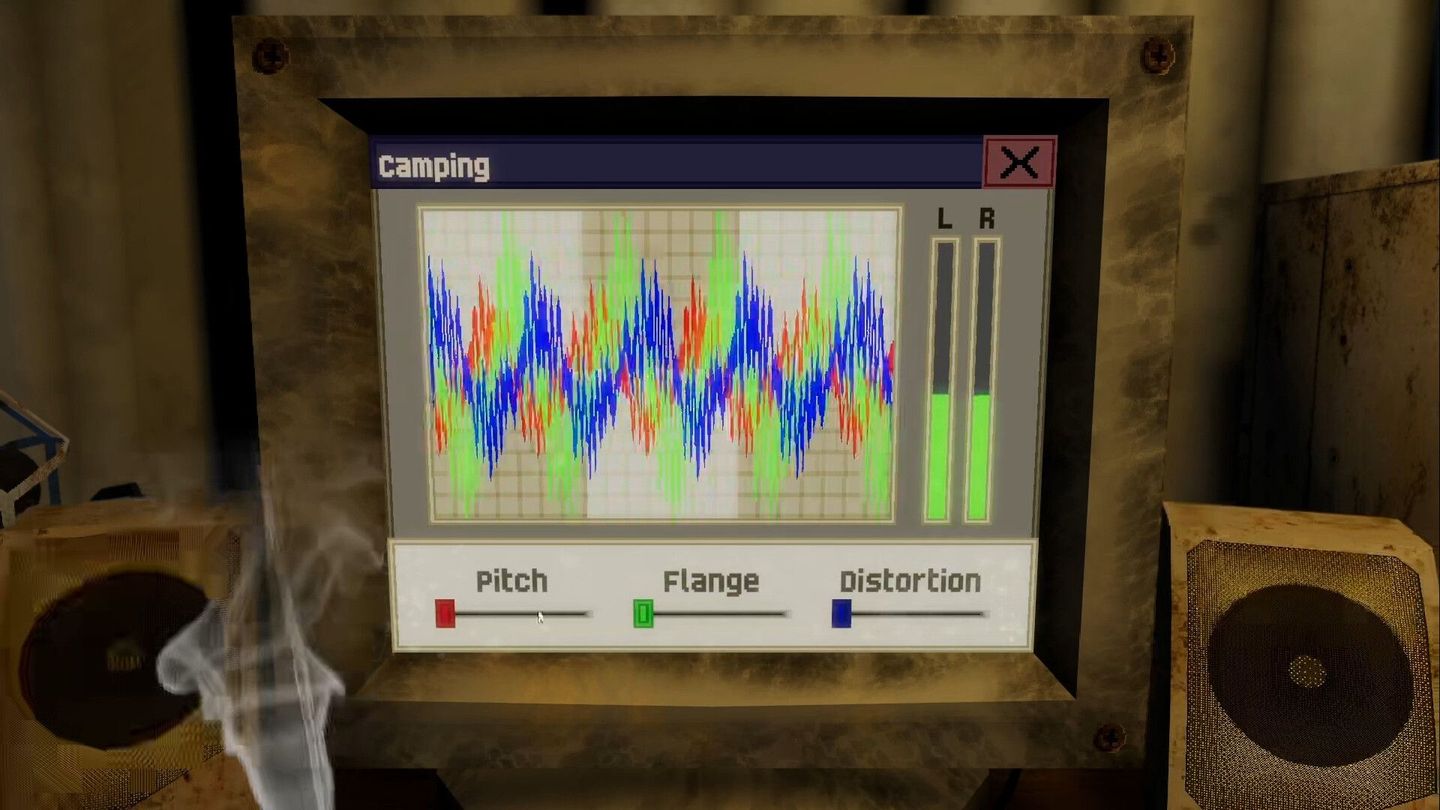
Collect, Repair, Digitize
Mono Tape treats old-school tech like a detective's toolkit. Tapes are collectibles and clues. Static, dropped frames and audio errors are not just aesthetic noise. They are puzzles. You will decode errors, clean up audio, join fragments into coherent sequences and transfer finished files to CDs. The process is deliberately tactile in description: arrange tapes, follow repair prompts, map sequences into a narrative.
There is a rhythm to it. Searching the cabin and its surroundings uncovers new recordings. Some pieces slot right into your mental timeline. Others refuse to cooperate until you apply the correct fixes. The act of restoration is more than progression. It is the game's central metaphor for piecing together responsibility and guilt.
Watch Who Came to Your Door
Mono Tape layers its repair puzzles with choice-driven interactions. People will come to your door. You can let them in, help them, or shut them out. The descriptions warn that these visitors are smarter than they seem. They remember. Your responses shift the immediate day-to-day, reshaping tomorrow's options and the stories the recovered tapes will tell.
The game sets up a moral tension. Do you trust your own recollection when it keeps betraying you? Do you trust strangers who claim to know what happened? The answers are rarely clean. Choices alter relationships and can change which fragments you can access or how reliable they feel.
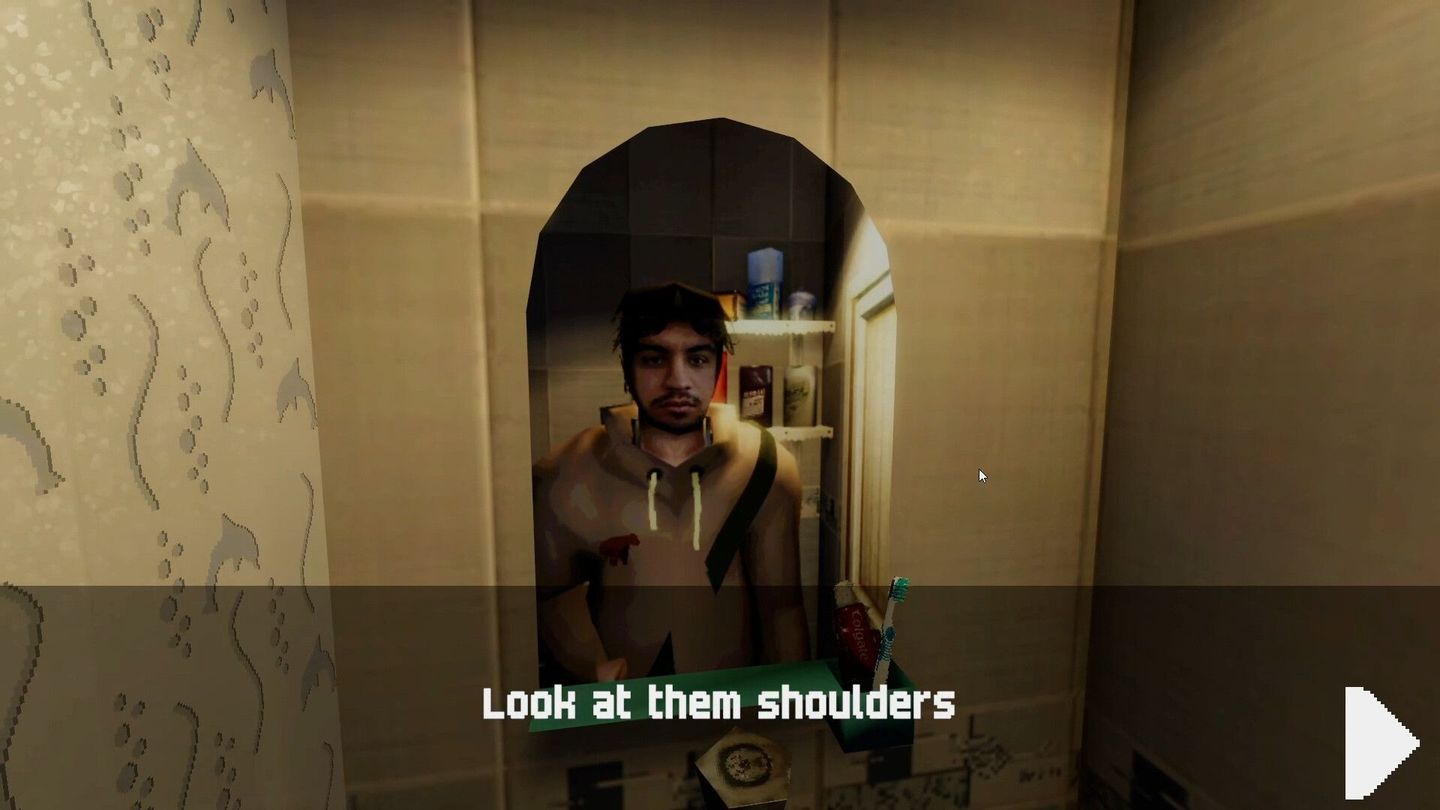
Keeping Memories Safe and Facing Yourself
Mono Tape leans on atmosphere rather than jump scares. The cassette player becomes both tool and confidant, a low-fi mirror for a fragile mind. Repairing corrupt recordings is framed as an attempt to protect memories, but the process forces you to confront the possibility that some recollections implicate you.
Mechanically, the game promises a mix of inventory-style search, puzzle-driven audio and video restoration, and branching consequences from dialogue and door choices. Thematically, it asks whether memory is evidence or accusation and whether remembering is the same as forgiving yourself.
If you like tactile puzzle loops wrapped in a psychological narrative - where every fixed tape nudges the truth into view - Mono Tape sounds designed to keep you listening until the final reel plays.