
Emptiness: A Journey from Nothingness to Nowhere
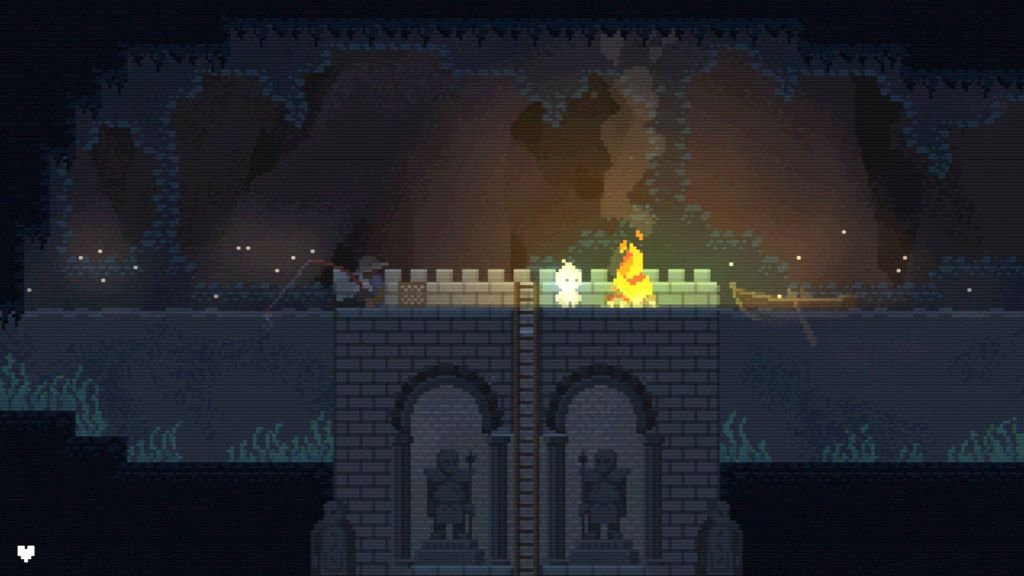
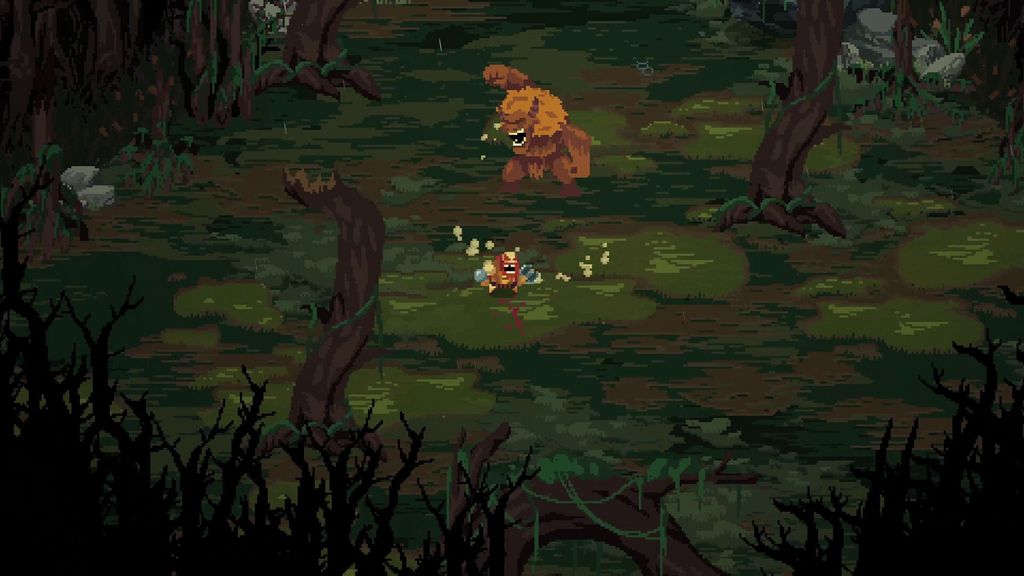
Emptiness is an atmospheric puzzle-platformer that treats color like a rulebook. You play the Unborn, a dark, featureless being moving through majestic pixel landscapes that shift as you step forward. Each new area peels back another layer of the void, revealing paths, traps, and souls that refuse to remember themselves.
The game leans on minimalism as a storytelling tool. Symbols, gestures, and carefully chosen palettes carry meaning instead of text or exposition. The result is a quietly strange experience that feels both intimate and oddly vast.
Color as a Physical Language
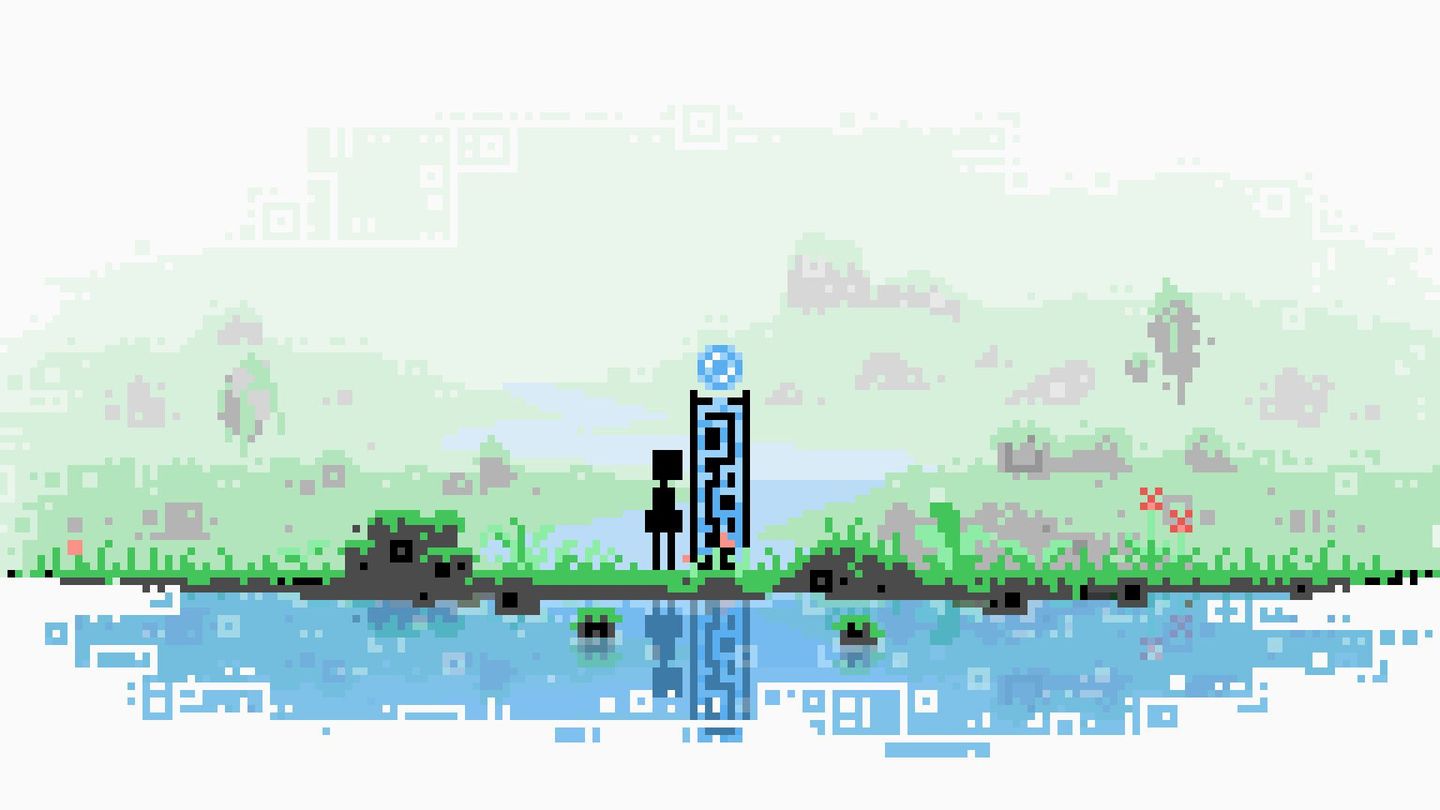
Color in Emptiness is not decoration. Hues alter the physical properties of objects, making platforms slippery or solid, opening routes that were invisible moments before, and changing how the Unborn perceives memory and space. That mechanic turns every visual choice into a puzzle element and encourages players to think of color as a functional tool rather than just atmosphere.
Because the world responds to emotional tones represented by color, levels can feel like moving through someone else's memories. As you progress, the relationship between palette and environment grows more complex, and previously safe surfaces may vanish without warning.
The Unborn and Hungry Shadows
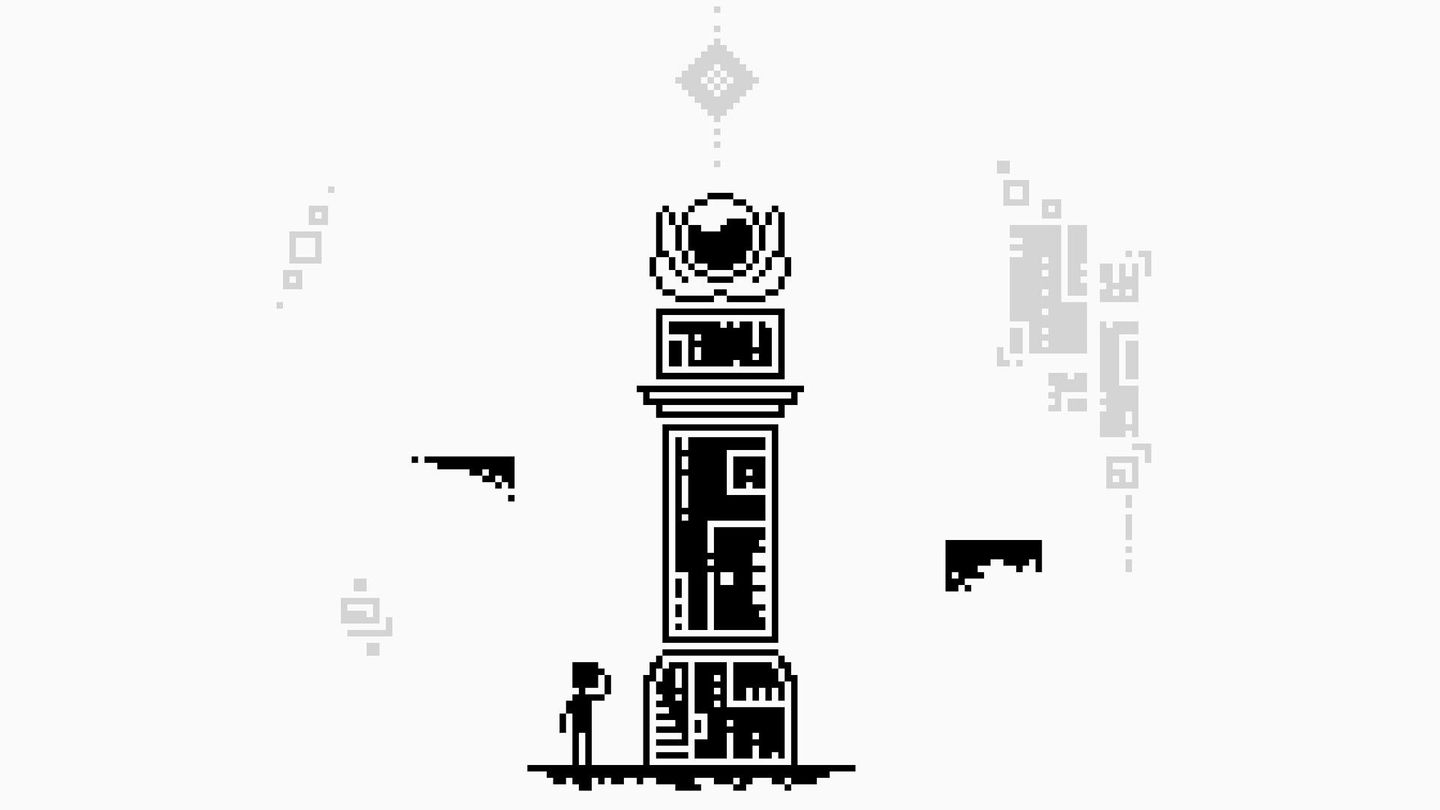
The protagonist, known only as the Unborn, is intentionally blank. No features, no past, just a presence that learns from what it touches. Along the way the Unborn meets other souls, many of them warped by refusal and fear. These entities have retreated from self-discovery and now act as sources of darkness, feeding on other spirits and warping the void around them.
Encounters are rarely straightforward fights. Often the challenge is to outthink these corrupted souls, use color to change the environment, and coax lost fragments back toward recognition. That moral ambiguity - helping the forgotten or avoiding them - underpins much of the atmosphere.
Gameplay: Puzzles, Platforming and Perception
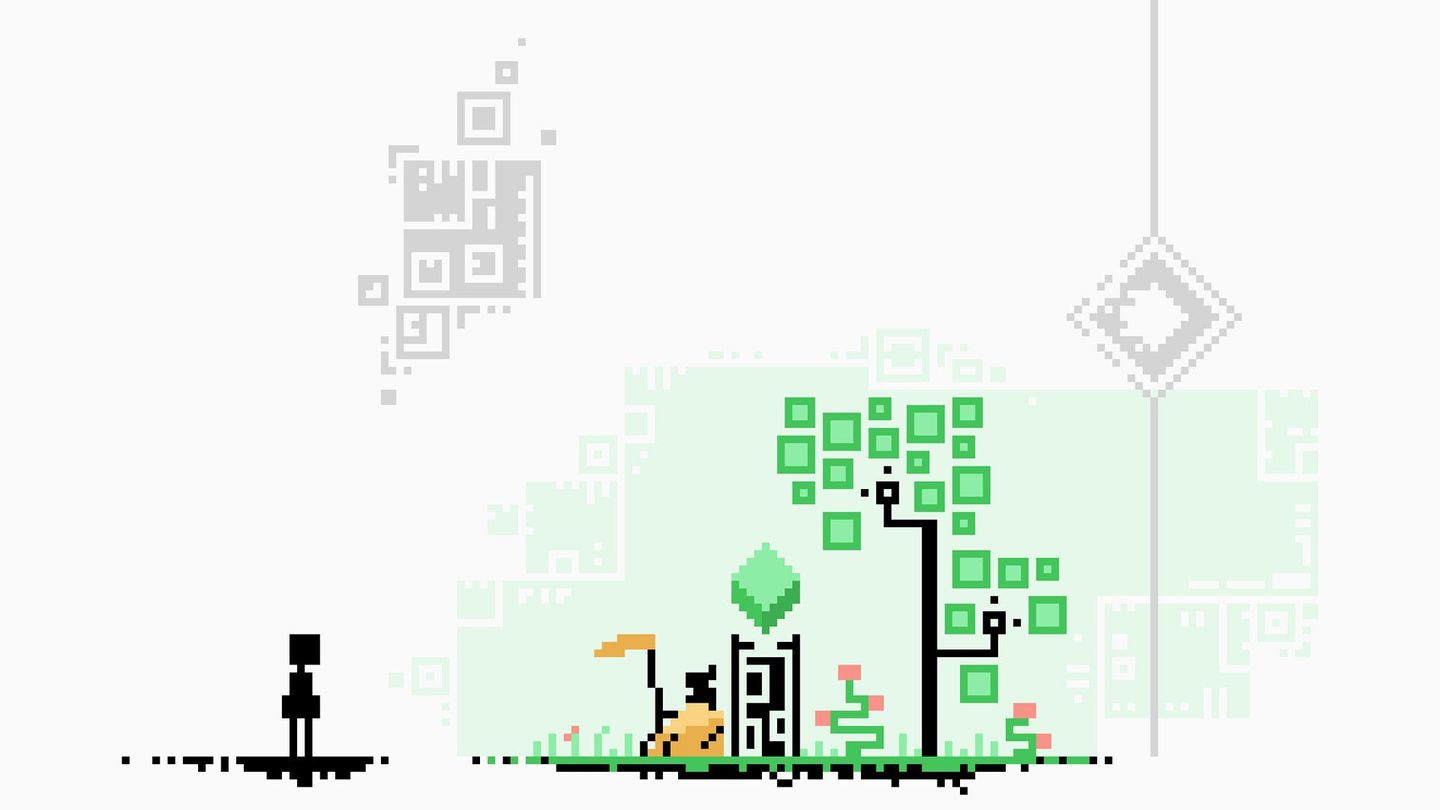
Emptiness blends platforming with environmental puzzles that grow more intricate as you learn the rules. The game borrows elements from HOOK by Maciej Targoni and weaves them into its own systems to enrich interactions and puzzle geometry. Expect sequences that reward pattern recognition, memory, and timing.
There is also a recurring motif of perception and forgetting. Platforms may disappear, yet color can enhance the Unborn's perception and memory, turning past routes into clues for future navigation. Difficulty ramps steadily, introducing new mechanics that expand what you can do with a single color change or a simple gesture.
Minimalist Pixel Poetry
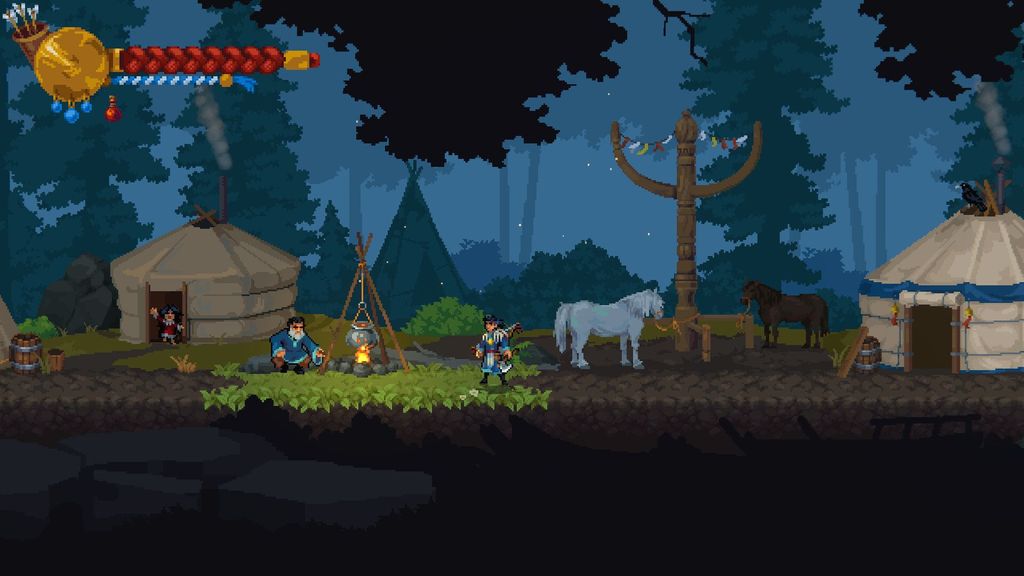
The art direction is deliberately spare. Minimalist pixel art conveys mood through careful composition and movement rather than cluttered detail. Gestures and silhouettes carry weight, making the game accessible across languages and cultures. Sound and silence are used to punctuate moments of revelation and unease, letting players fill in emotional gaps.
The result is a visual poem that invites interpretation. It is less about explicit answers and more about the sensation of discovery.
Part of a Larger Tapestry
Emptiness is one piece of a three-part universe. The game positions itself as a key chapter that completes a wider story told across the developer's catalog. That connective tissue means some revelations in Emptiness gain extra resonance if you explore the related titles, but the game also stands on its own as an invitation to wander and wonder.
This is a game that trusts silence and subtlety. If you enjoy pixel-driven mood pieces that treat mechanics as metaphors, Emptiness might be the kind of void you will want to get lost in.