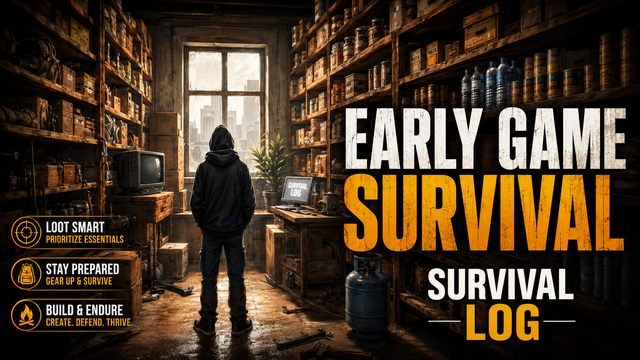

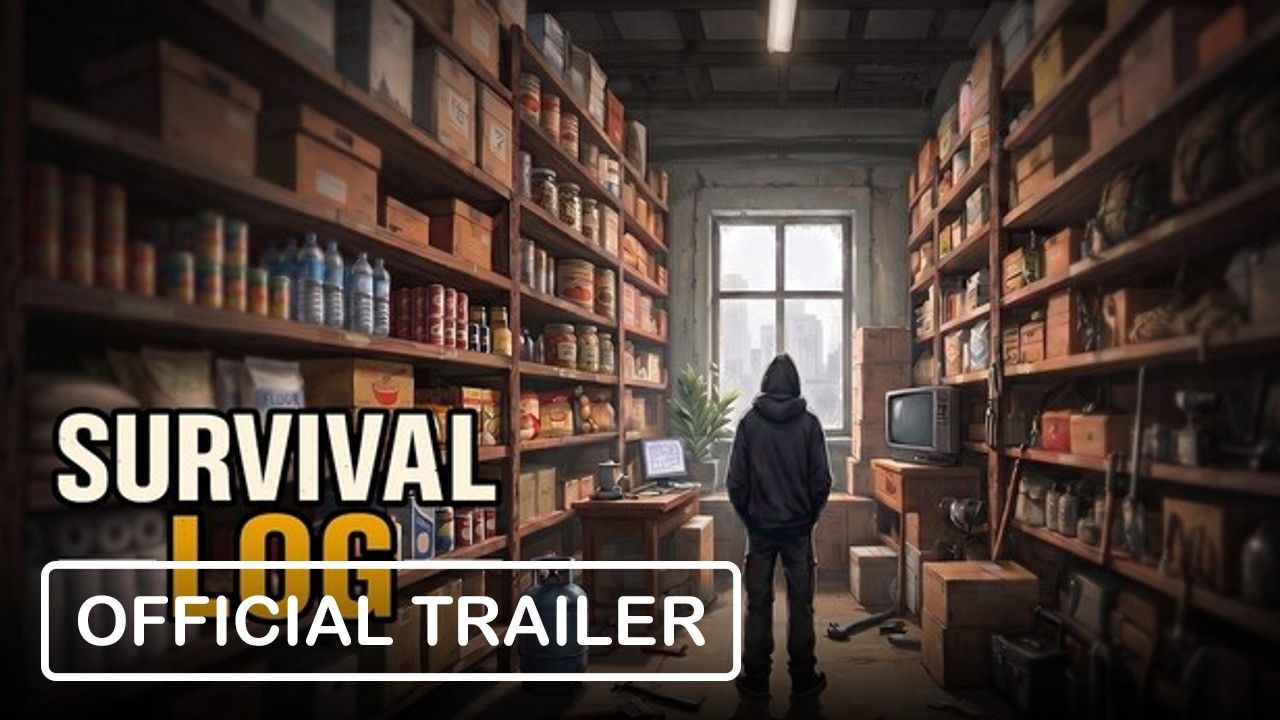
Survival Log hands you ten hours to do everything right
You died once and saw the future. This time the apocalypse has a deadline: ten hours until the dead flood the streets. Survival Log splits the experience into two clear phases - the frantic pre-outbreak hoard and the slow-burning management of a defended stronghold. It is equal parts scavenging panic and methodical basecraft, with permadeath lessons turning into actionable memory for your next run.
The 10-hour scramble: hoard, scavenge, and optimize
Before society collapses, you have to think like a hoarder with a plan. Supermarkets, hardware stores, farmers markets and other city locations are on the checklist. Every minute matters. Do you spend time securing fuel and weapons, or do you stockpile food and water to avoid starvation? Survival Log forces those tradeoffs and makes each choice count.
The Loot Spotter and live inventory system keep that pressure honest. You can see exactly what you gathered, identify gaps, and adapt on the fly. Small mistakes in the scramble are expensive later, which is why the game rewards careful route planning and prioritization. Every run is an opportunity to refine what you take and where you go next time.
Build an apocalypse-proof home
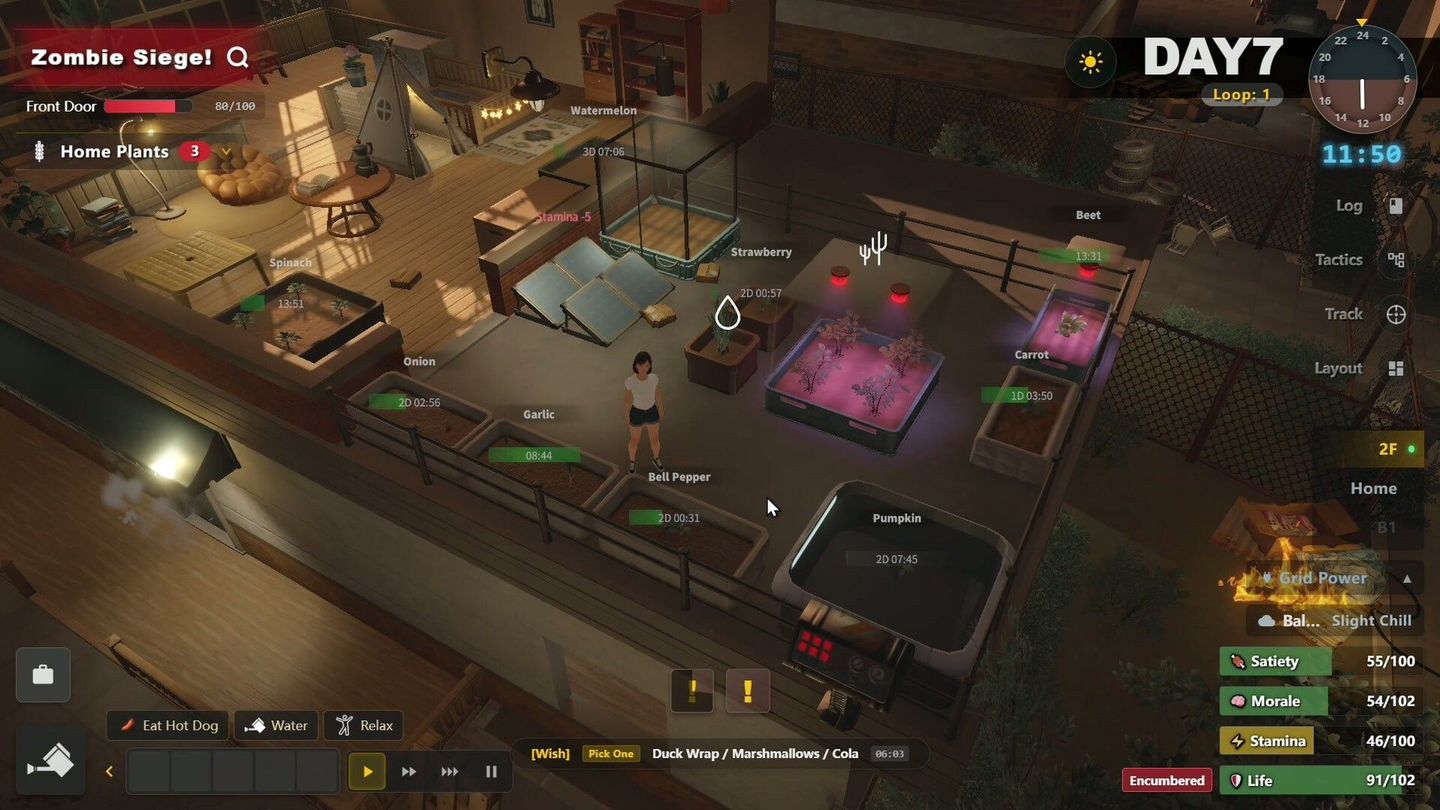
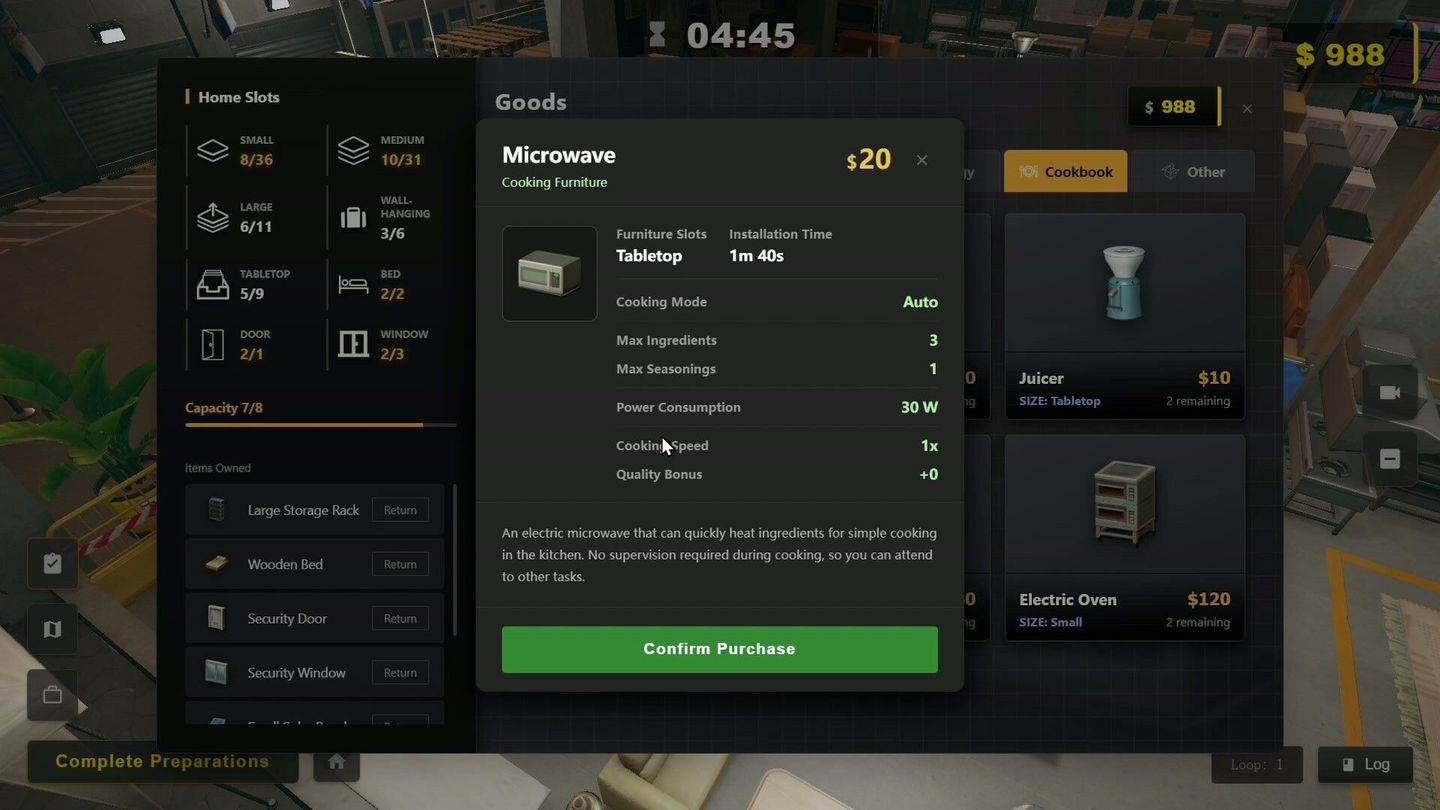
Once the dead rise, your preps become your lifeline. Survival Log lets you transform a base home into a layered fortress. Scavenge or buy furniture, appliances, and construction materials, then install and upgrade them yourself. Layout matters - living quarters, storage rooms, power zones, and farms all need space and planning.
Expansion is meaningful. You add floors, allocate rooms for crops and storage, and tailor defenses. Power management is a core worry: diesel, manual generators, or solar each offer different tradeoffs. Waste a watt and you might lose a crucial appliance at the worst time.
Survive the long night: systems, disasters, and defense
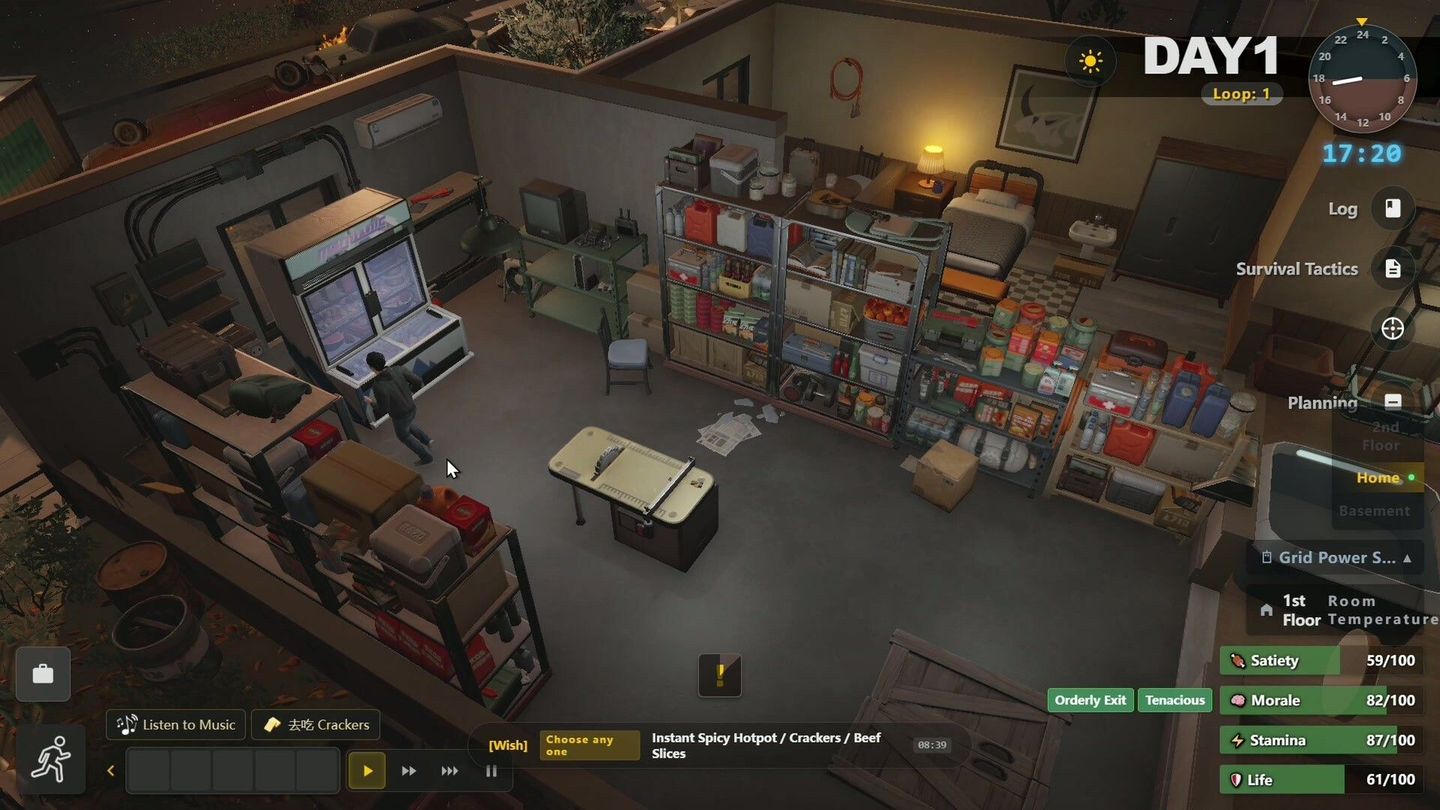
Life after the outbreak is not just about holding a wall. Hunger, stamina, and morale must be managed. Grow crops, cook proper meals, and keep survivors in decent spirits. Weather and disasters - rain, cold, blackouts - test your preparations. The game makes these threats feel inevitable and meaningful.
When hordes arrive, your fortifications are put to the test. Build traps, reinforce doors and windows, and position defenses to buy time. Exploration still matters too. Abandoned schools and city ruins hide rare resources, but not every threat is shambling and obvious. Careful planning and tactical responses are the difference between a long campaign and a short, heartbreaking failure.
Community, roles, and rebirth
Survival Log nudges beyond lone wolf play. Rescue stranded neighbors, trade via drone, and gradually build a community. Choosing a background - worker, student, or warehouse clerk - changes your starting skills and how a run unfolds.
Crucially, every failure becomes experience. When you die you return with memories that change the next run. That rebirth loop ties the two phases together: hoard better, build smarter, survive longer. The focus is on learning and adaptation, not punishment.
Survival Log looks like a careful blend of tense scavenging and thoughtful base management. It is about squeezing every advantage out of a small window, then testing what you built against an unrelenting world. If you like planning your survival down to the watt and the ration, this game puts the grind and the reward right in your hands.