
OVERDUE Makes Productivity Terrifying
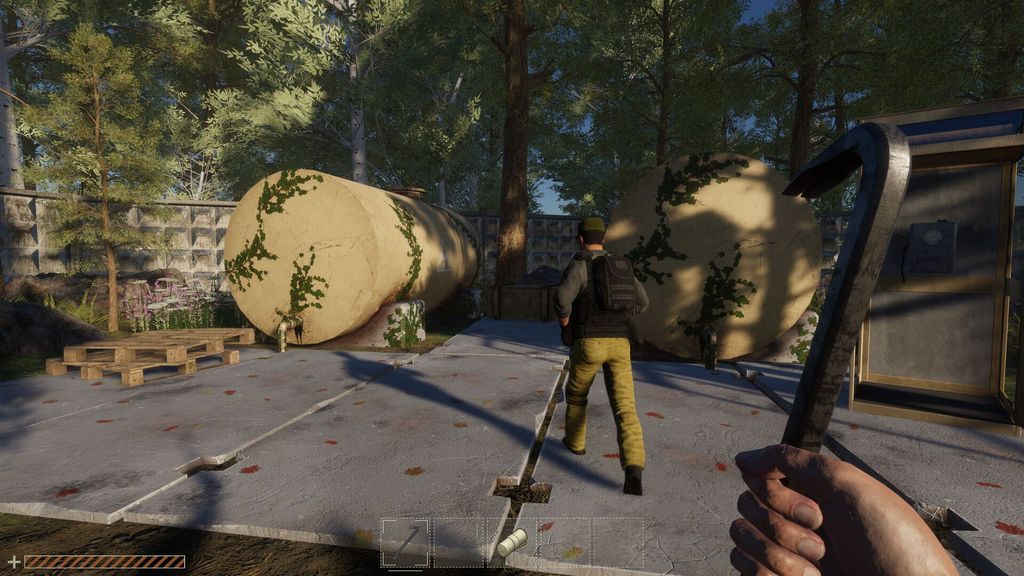
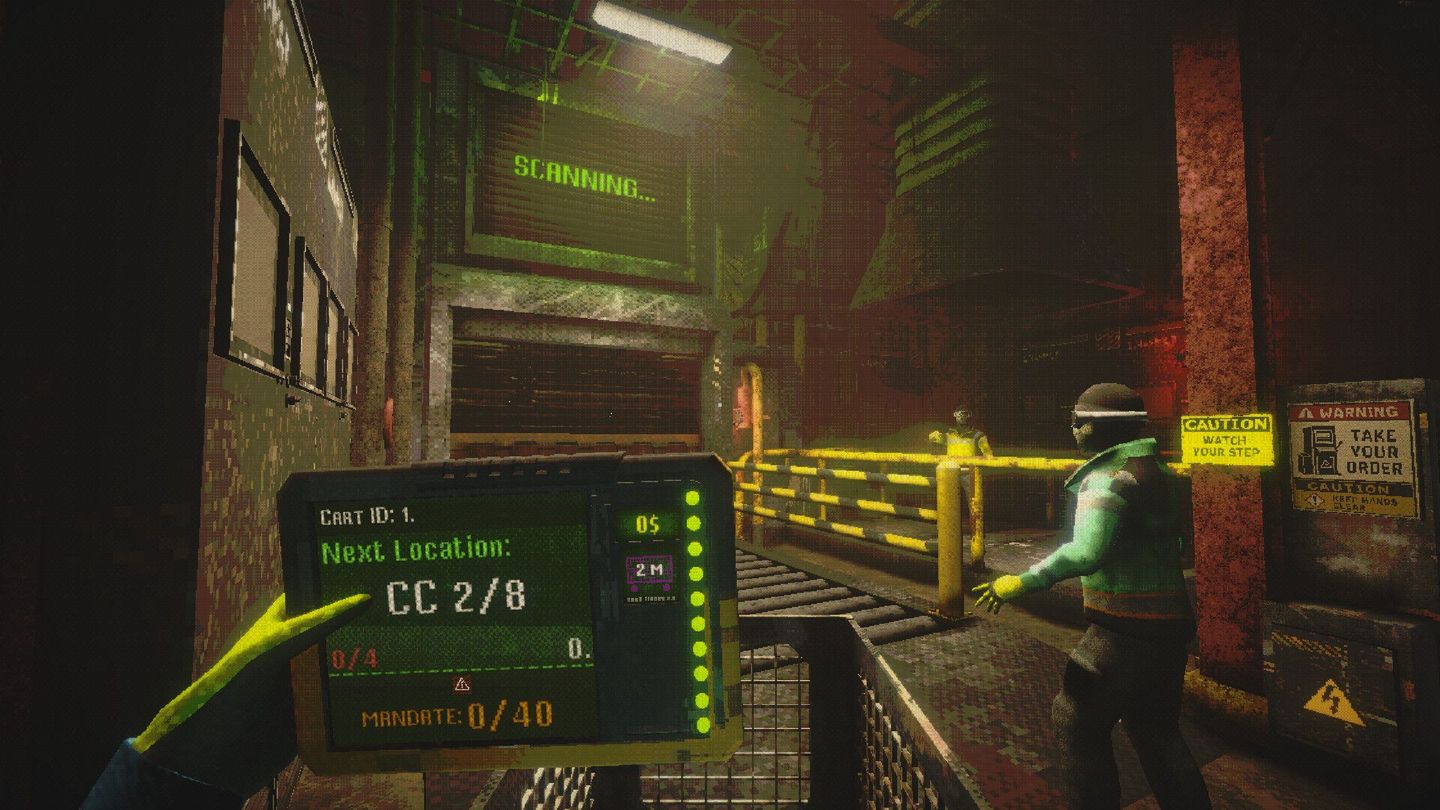
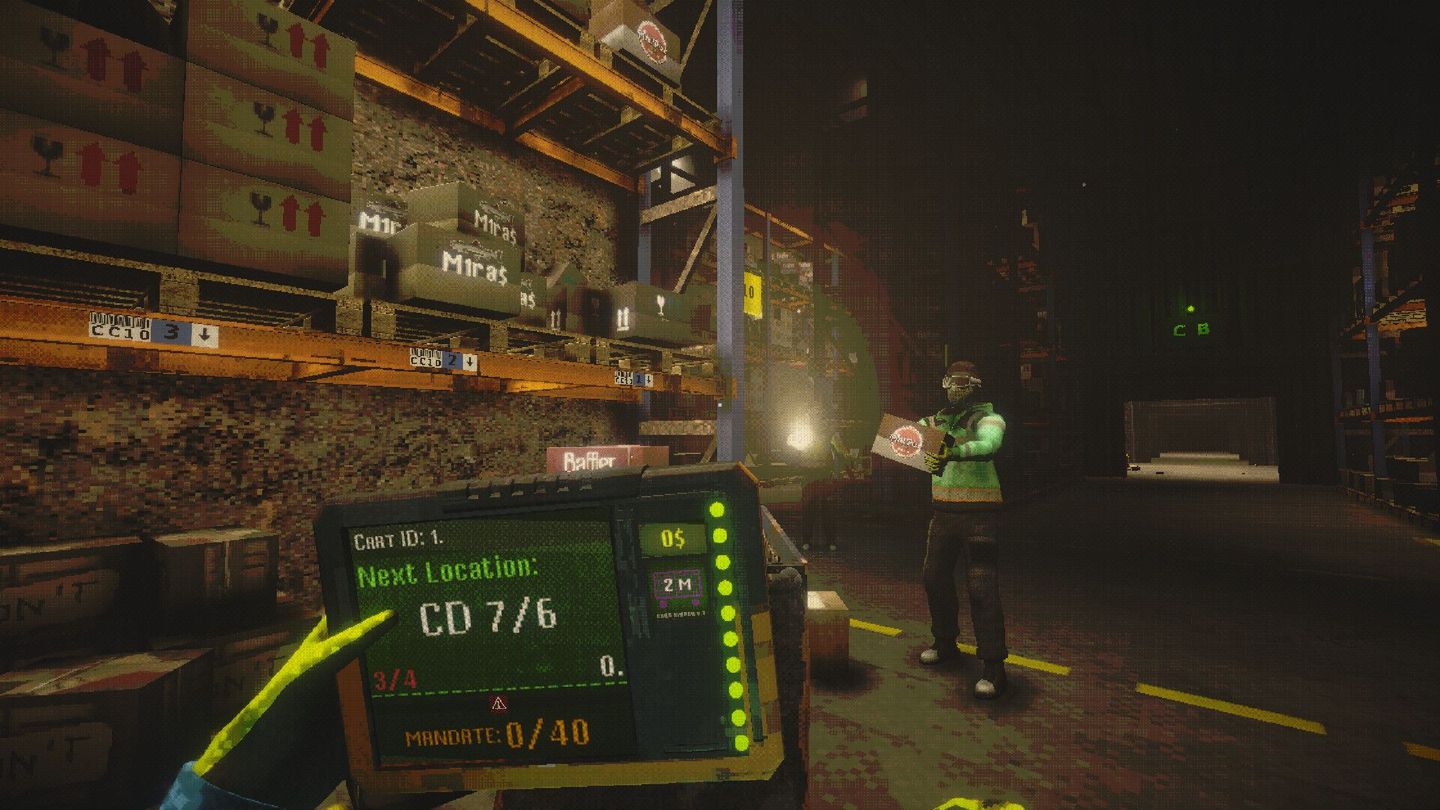
You clock in, you get a mandate, and you try to finish the job before the shift ends. That is the pitch behind OVERDUE, a cooperative horror game that trades aimless wandering for something sharper and more stressful. Up to six players must navigate a massive industrial warehouse that constantly shifts and rearranges itself while handling real logistical duties like orders, transport, and deliveries. Here, productivity equals survival.
This is not a walk through a spooky level waiting for jump scares. The design is tighter. Every action matters to the facilitys evaluation of your contribution. The system watches what you accomplish and the clock judges how quickly you do it. The consequence of slacking is not just failure on a mission. It can be fatal once night falls and the warehouse changes its mind about letting you leave.
Work or Die Time Management
Shifts are explicitly time limited. You get a mandate, a set of real tasks, and a window to complete them. Those orders are concrete: manage inventory, move goods, load transport, and keep the conveyor and delivery chain moving. Each fulfilled task increases the facilities productivity score which in turn affects your chances of surviving the shift.
That creates a mounting tension. Do you sprint through your list and push the team forward, or do you try to explore and secure additional bonuses at the risk of falling behind schedule? The game frames that hesitation as a moral and tactical choice. The better your team coordinates, the deeper you can push into the warehouse and the more you can risk. The worse you communicate and organize, the more likely you are to be caught in an area when the lights go out.
The Warehouse Is the Threat
The environment is an active antagonist. The industrial maze shifts, pathways close, and routes that were safe earlier can become deadly later. Threats grow and evolve over the course of a session and become woven into the logistical systems you rely on. Some hazards are obvious. Others are part of the infrastructure and were not mentioned in the job posting.
The devs position this as escalation anchored to gameplay metrics. As productivity changes and time ticks down, so do the types and intensity of threats. That means a successful team will need to adapt on the fly, prioritize orders, and decide whether a risky detour is worth the payoff.
Co op Pressure and Group Dynamics
OVERDUE scales up to six players because tension compounds with numbers. More people can complete more orders faster, but more people also change the rhythm of the team, create coordination overhead, and increase the chance that someone will take a risky choice. The game is built around cooperation and the social pressure of performance reviews at scale.
There is an implied invitation to trust and blame. A well oiled squad that knows roles and routes will go further. A disorganized crew will discover how quickly the warehouse can become hostile and why the mandate exists in the first place. The question the game forces on players is simple and chilling. Should you push for one more order?
A Lean, Focused Horror Concept
OVERDUE reframes horror around obligations and time. It takes familiar elements of cooperative tension and places them inside a bureaucratic machine that demands output. The result is a tight play loop that rewards planning, communication, and cold calculation while keeping the stakes painfully immediate.
We do not have release or platform details here, but the design described suggests a title aimed at groups that enjoy both cooperative logistics games and tense, emergent horror. If you like your scares mixed with spreadsheets of survival, this warehouse might be worth punching the clock for.