
Runeomicon: Draw Runes, Summon Gods, Survive the Ritual
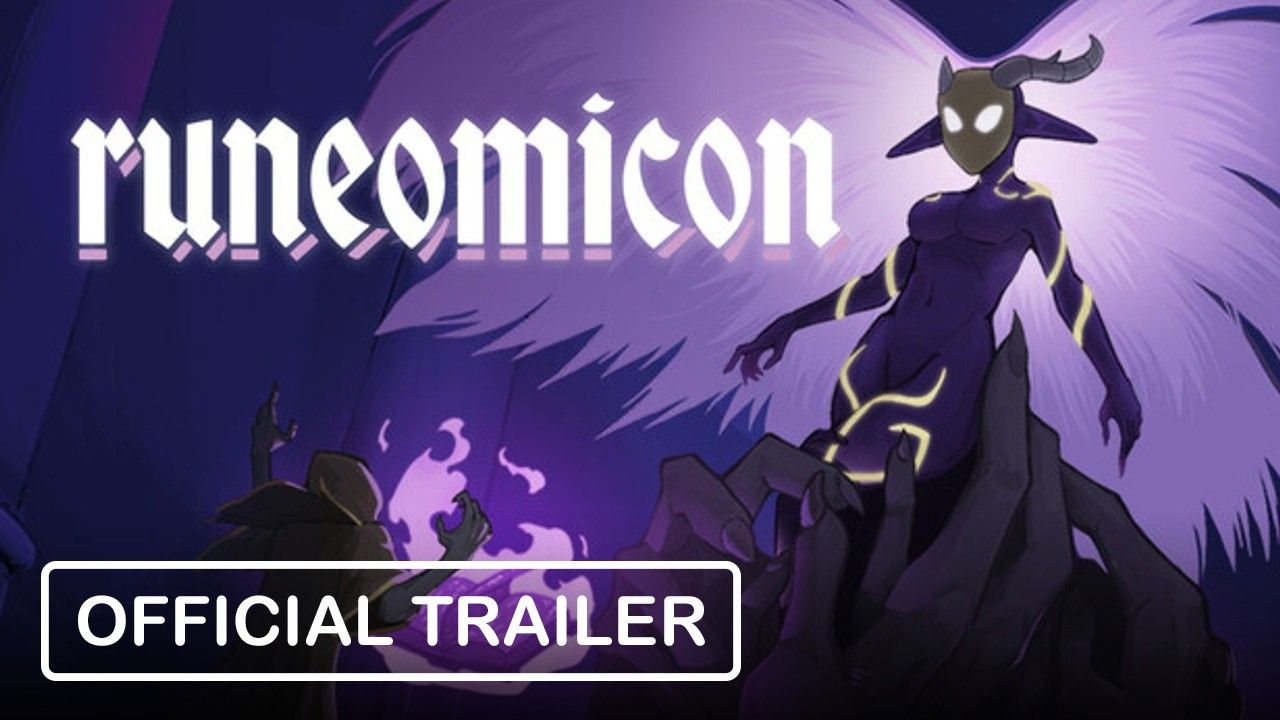
You are a dark wizard bent on revenge. The world wants you dead, so you perform a ritual under fire, literally. Runeomicon asks you to trace ancient runes in real time while peasants close in, spend the arcane energy you earn, and decide whether to push the ritual forward or shore up your defenses. Precision, timing, and cold choices shape every playthrough.
A Ritual That Never Pauses
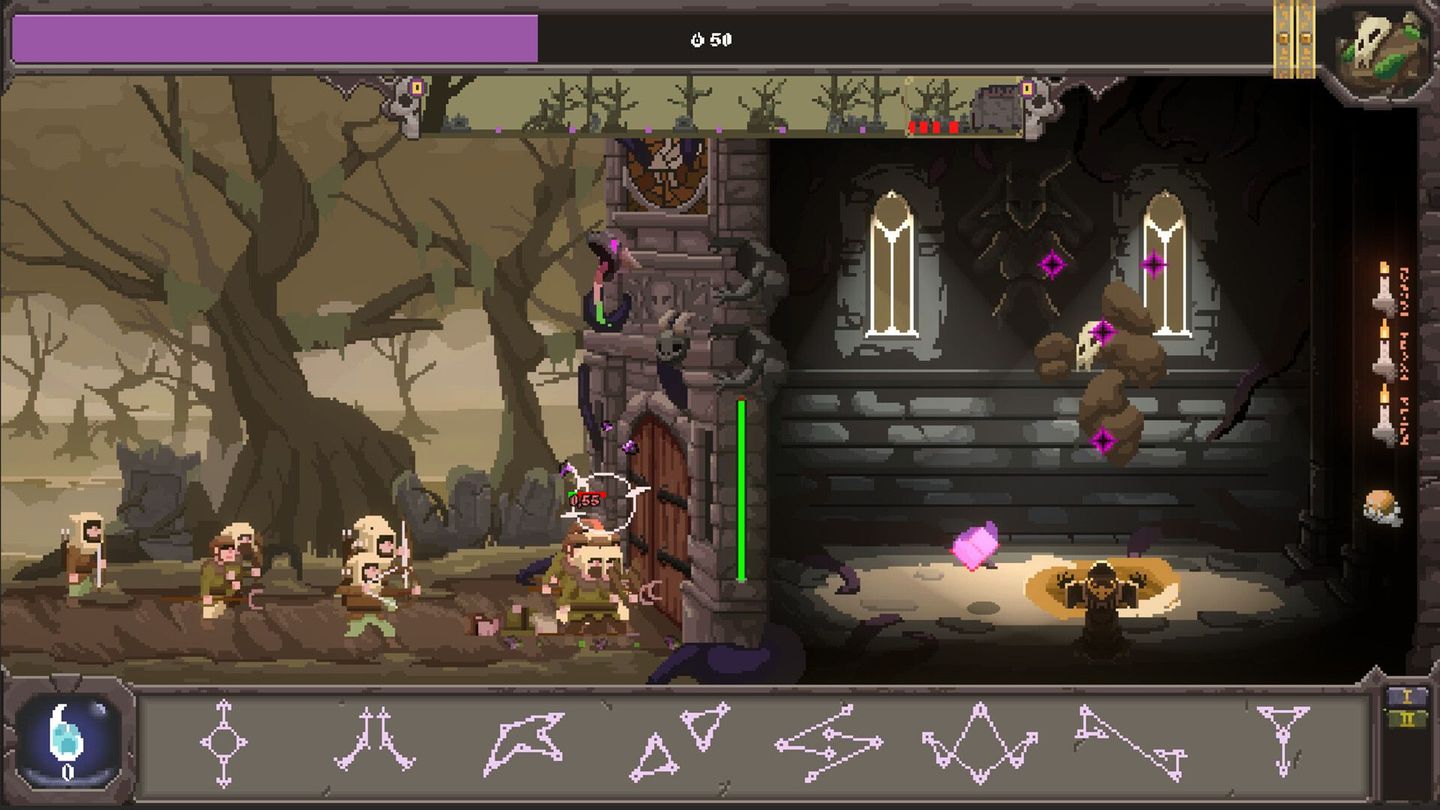
The core idea is brutally simple and immediately tense. Runes must be drawn by hand, in patterns that are straightforward to learn but brutal to execute when enemies swarm. There is no pause button. While you trace lines to generate arcane energy, waves of attackers advance on your sanctuary, forcing you to multitask under pressure.
That design flips the usual spellcasting fantasy. Your hands become both the input device and the battlefield. Hesitate or make a mistake and the rune fails, producing no power. Every failure changes the balance between summoning progress and survival.
Your Hands Are the Weapon
Execution matters more than raw speed. Runeomicon layers skill on top of strategy. Early runes are manageable, but as you progress the patterns grow more complex and the rewards scale up. Success yields arcane energy, which is the ritual currency. Failures yield nothing, and the clock never stops.
The game forces a constant tension: draw more runes to accelerate summoning, or spend the energy you have to buy breathing room. You might cast spells to thin the crowd, build defensive constructs to stall them, or invest in upgrades that make future runes easier to trace. Every choice costs power and reshapes the next moment.
Six Gods, Six Ways to Play
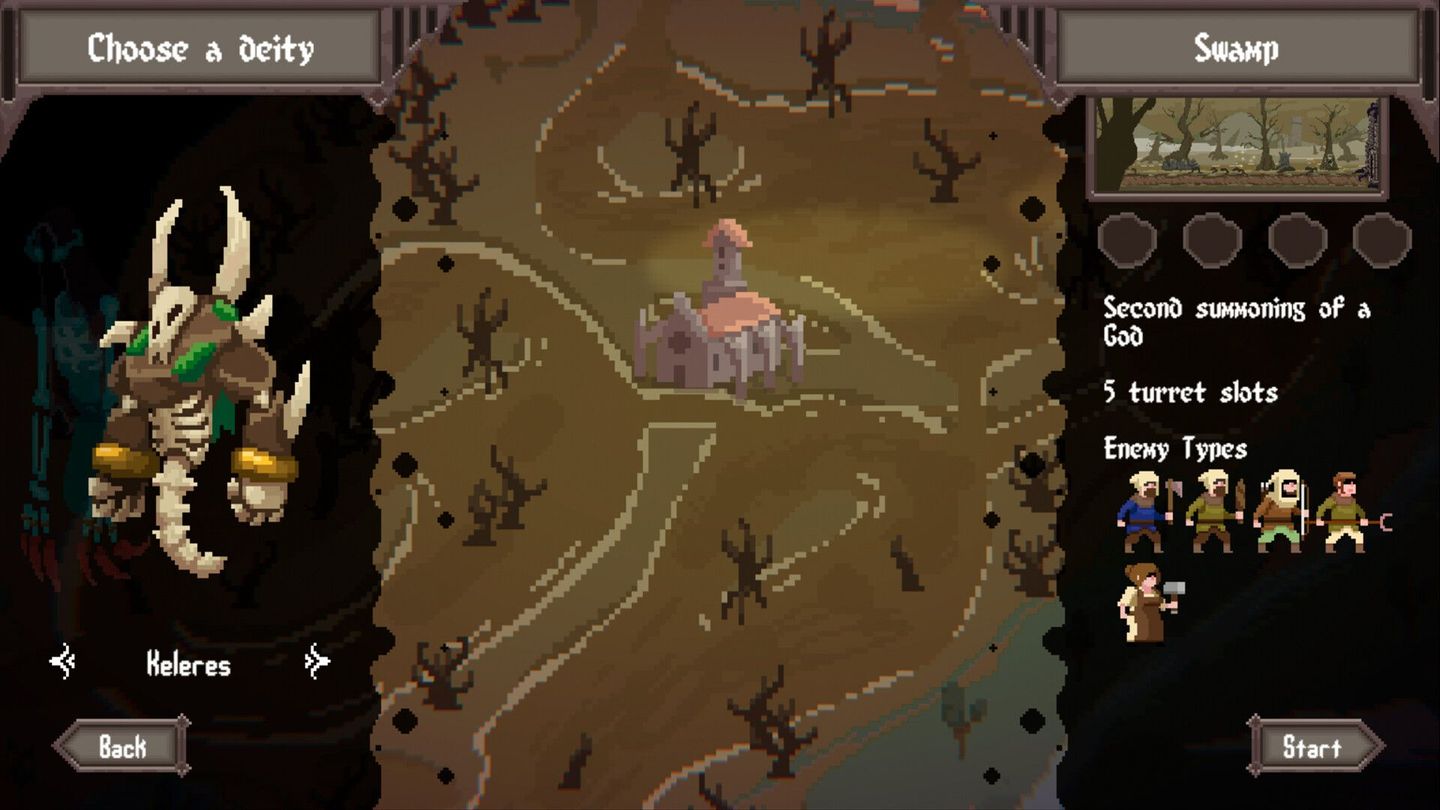
Runeomicon promises six ancient dark gods you can call during the ritual. Each deity alters the tools at your disposal, from unique spells to defensive towers and passive abilities. Unlocking a god does more than add options. It changes how you draw, defend, and manage pressure, opening different tactical paths through the same frantic loop.
That branching progression suggests replay value. One run might favor defensive play and slower, safer rune execution. Another could lean into aggressive summoning that rewards near-perfect tracing. Mastery of gods and upgrades is presented as the only route to the final ritual: the goddess of death.
You Are the Villain
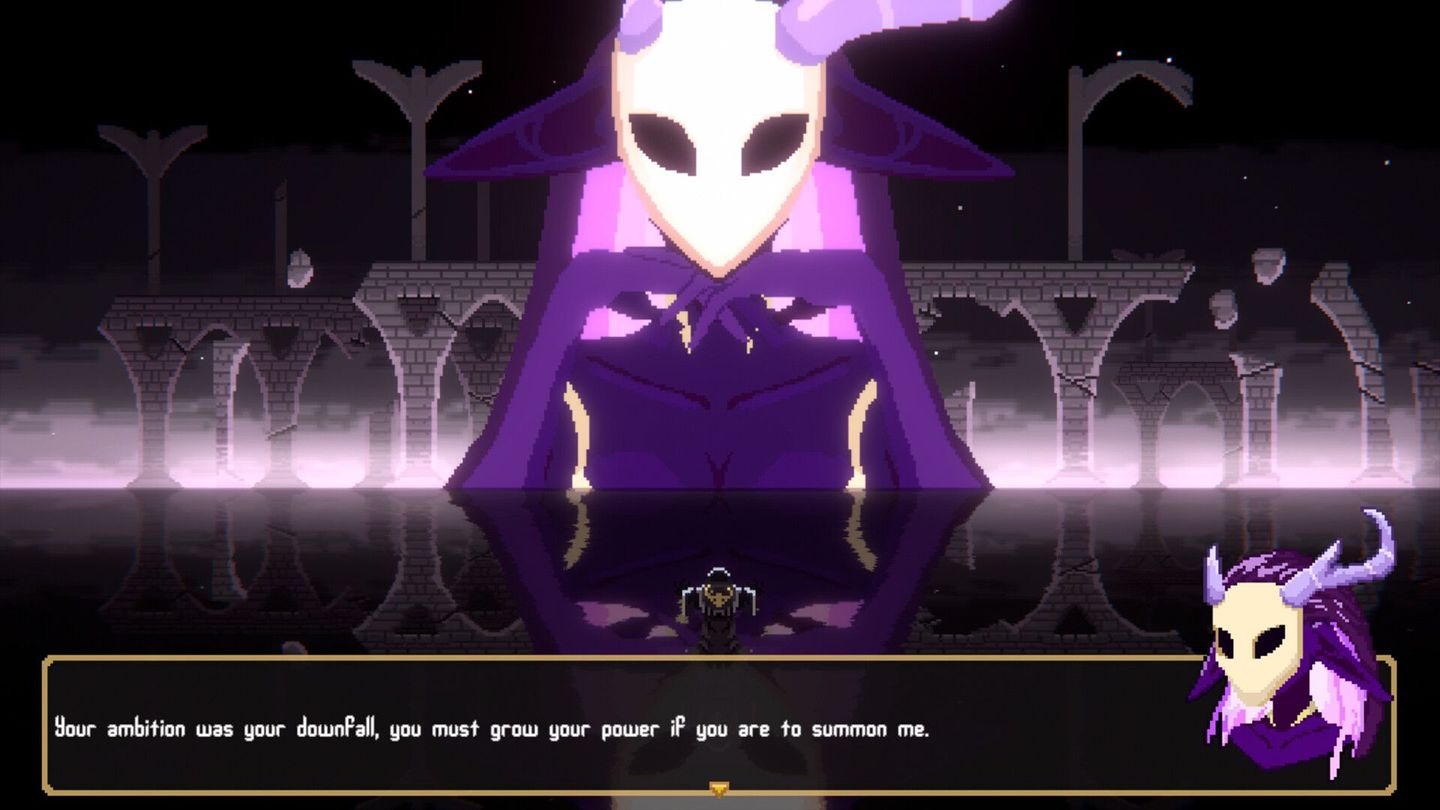
The story is stark and personal. You were wronged, resurrected by a goddess of death, and compelled to finish a ritual of vengeance. There is no redemption on offer. Runeomicon leans into that tone: you are not a reluctant hero, but an instrument of a darker design. The game frames each decision as part of a single-minded ascent toward a cosmic, deadly goal.
Mechanically, the mix of real-time rune drawing, resource management, and tower-defense style defense is a clear hook. If you enjoy games that demand both fine motor skill and cold strategy under an ever-tightening timer, Runeomicon is worth watching. Mastery feels earned because it comes from improving your hands as much as your build choices.
Master the ritual loop. Master the Runeomicon.