
GHOST EATER: Manga-Style Hack n Slash Where Combat Drives the Plot
GHOST EATER promises a compact but focused action experience: fast melee combat, a dense sci-fi setting rendered in a bold manga-influenced style, and a branching narrative that grows out of the fights you take. The team is keeping things lean by design. That means no sprawling cutscene sequences, no voice acting, and no hand-holding with dial-a-combo inputs. What you get instead is a tight systems-first action game where combat and story are intertwined.
Combat That Feeds the Story
The headline feature here is how the narrative branches are integrally connected to the core combat loop. Rather than tacking story onto a string of encounters, GHOST EATER uses the outcomes and choices in battle to influence where the plot goes. That makes each arena fight matter beyond loot and XP.
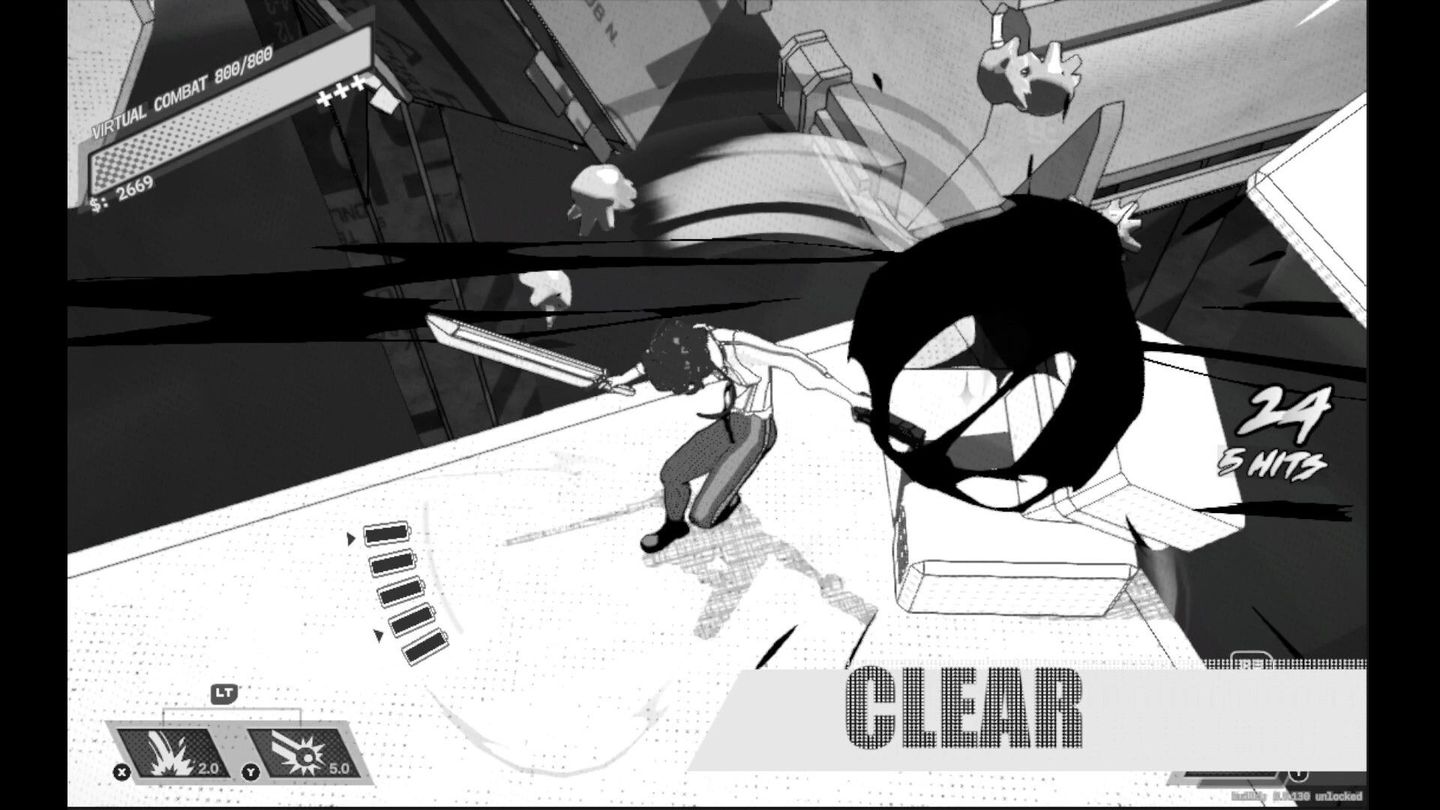
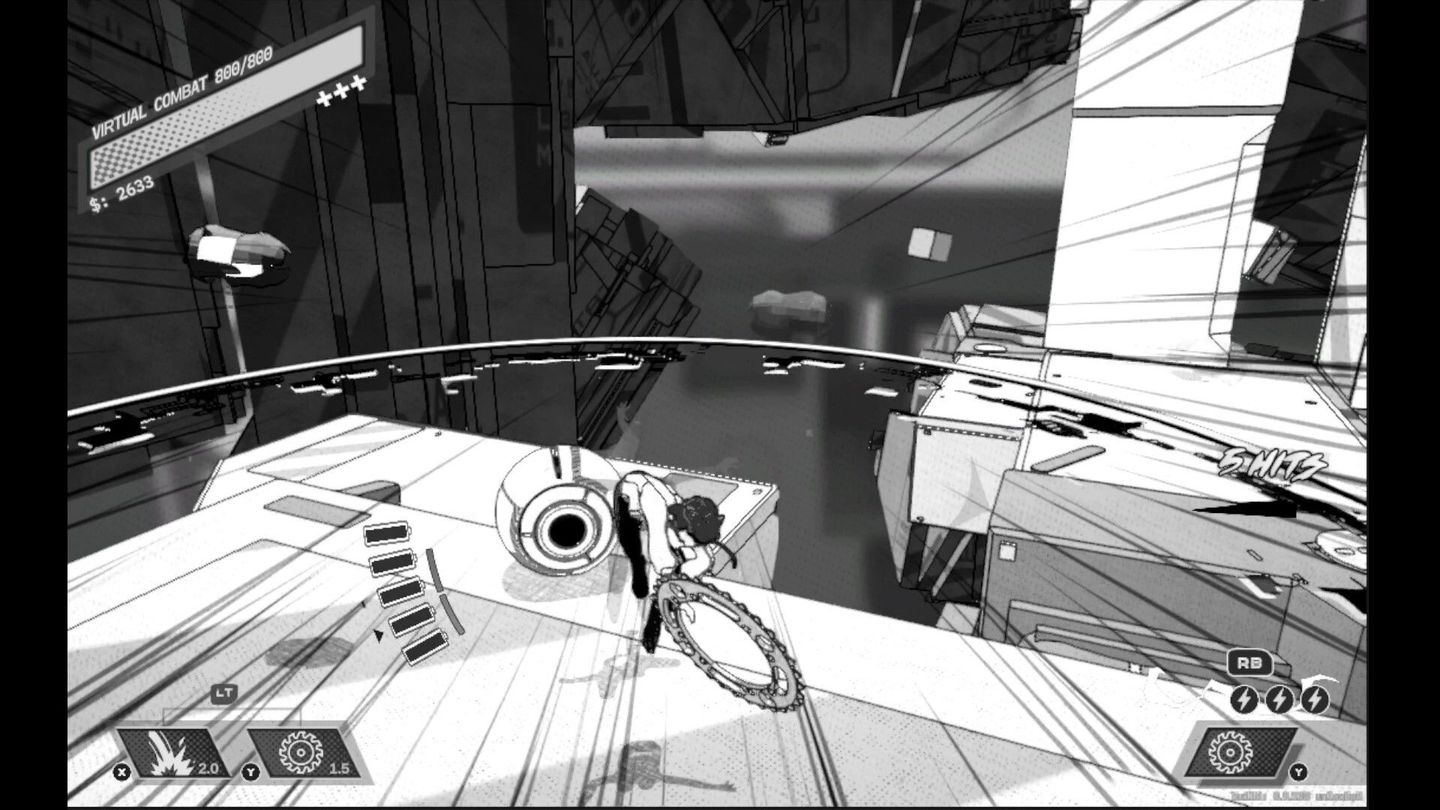
Mechanically the game centers on one main weapon class with a five-hit combo and interchangeable, slot-able combo enders. Those enders alter the flow of a string and can shift the outcome of an encounter or open new options in context-specific situations. There are also three secondary weapon classes, each with a three-hit combo and a distinct weapon skill. Players can mix and match these to experiment with different mid-combat decisions and passive synergies.
On top of the base combos you get a variety of player skills and passives. These are meant to encourage experimentation rather than rote repetition. The developer notes a preference for player choice: the game is not about memorizing a single perfect sequence, but about adapting builds and playstyle to the enemies and arenas you face.
Arena Battles, Enemy Design and Boss Encounters
GHOST EATER combines scripted arenas with randomized elements. Some encounters are set pieces that test specific mechanics, while others remix enemy placement and modifiers so fights feel unpredictable. That hybrid approach aims to keep the pacing fresh without sacrificing the carefully designed moments the team wants players to experience.
There are 24 distinct enemy types to learn and exploit, plus six bosses that act as major narrative and mechanical milestones. The variety of foes should encourage shifting strategies across the weapon classes and skill loadouts. Because the story reacts to combat outcomes, how you approach a boss or which combos you favor can steer narrative branches in meaningful ways.
What It Looks Like and What It Leaves Out
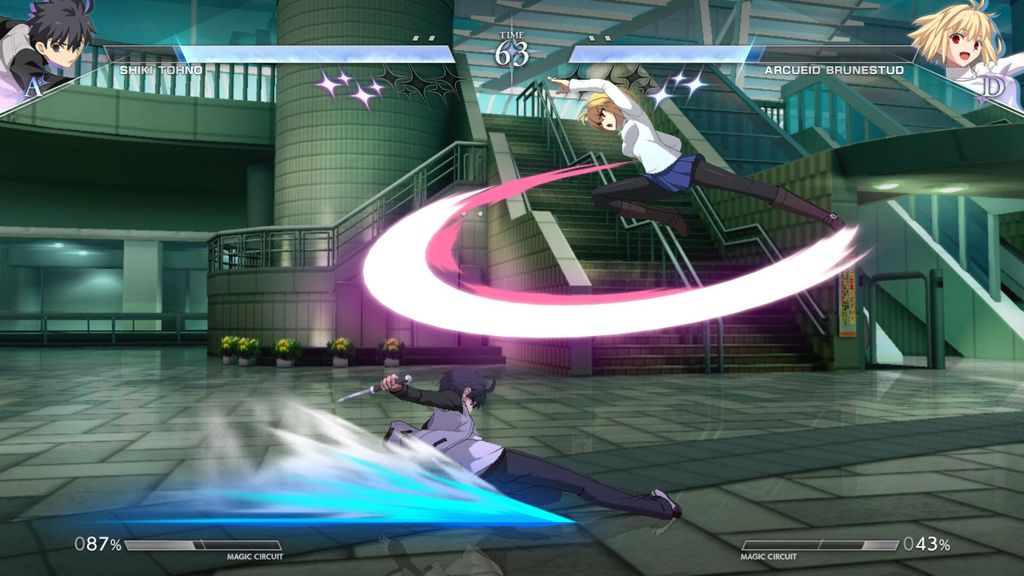
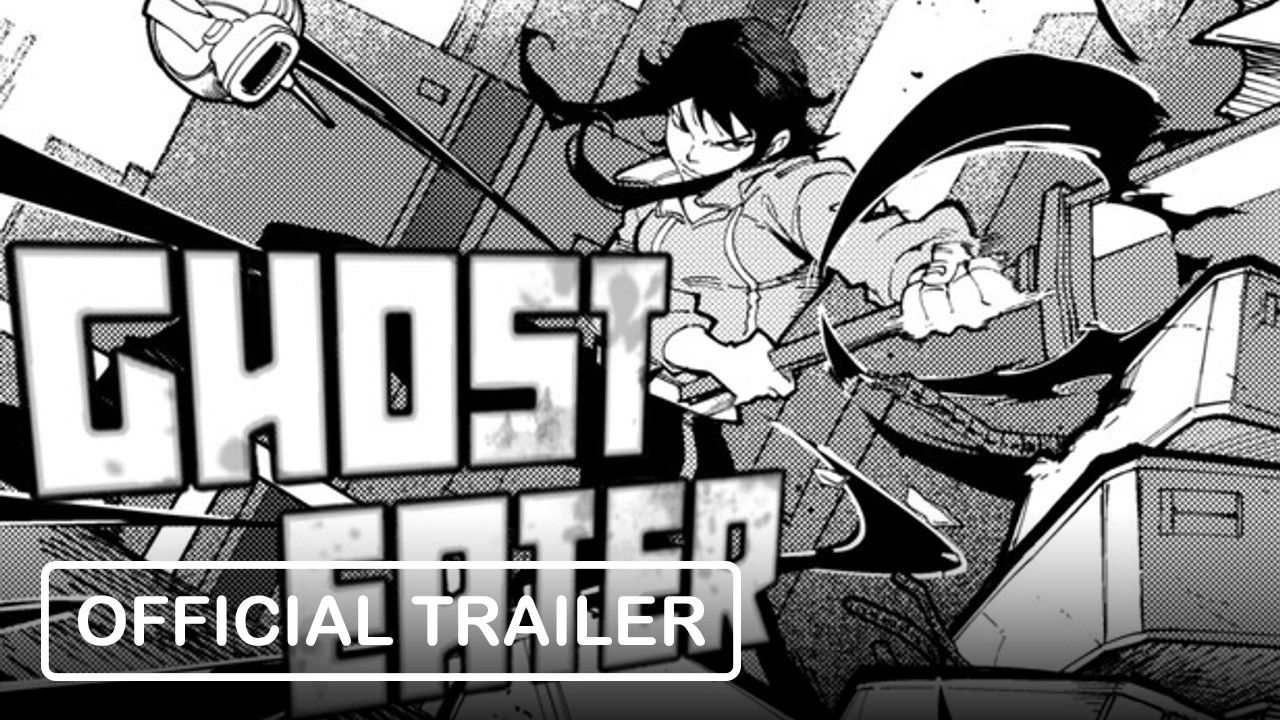
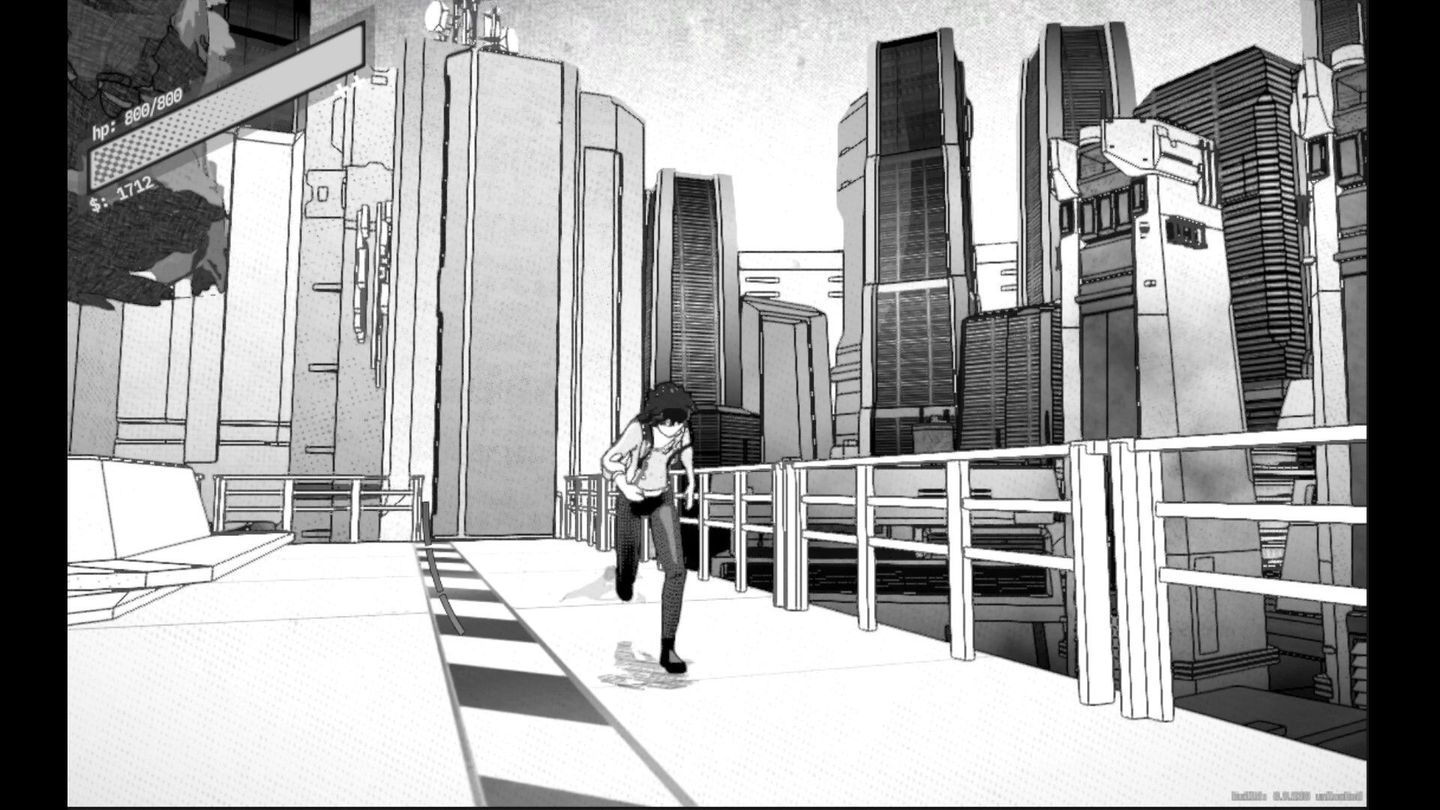
Visually the game leans hard into a manga-inspired aesthetic. Expect stylized character art, high-contrast visual cues for attacks and parries, and a sci-fi world that's dense and interconnected rather than sprawling. The presentation is stylish by intent; the developer calls it "cool stylish graphics."
At the same time the project is deliberately minimal in some areas. Do not expect long cinematic cutscenes or voice-over storytelling. The focus is gameplay-first and narrative-through-play. The combat is not built around auto-executed flashy strings or dial-a-combo mechanics. If you prefer spectacle over systems or cinematic pacing over emergent narrative, this may not be the fit for you.
Who This Is For
GHOST EATER looks aimed at players who enjoy action that rewards experimentation, and at those who like their story to be an outcome of play rather than a sequence of interstitial movies. If you like learning enemy patterns, mixing weapon combos, and seeing how fights shape a branching narrative, this one is worth keeping on your radar.
The game carves a clear identity: concise, combat-forward design wrapped in a bold manga visual style. It is promising for players who want their decisions in battle to count on the page as well as on the scoreboard.