
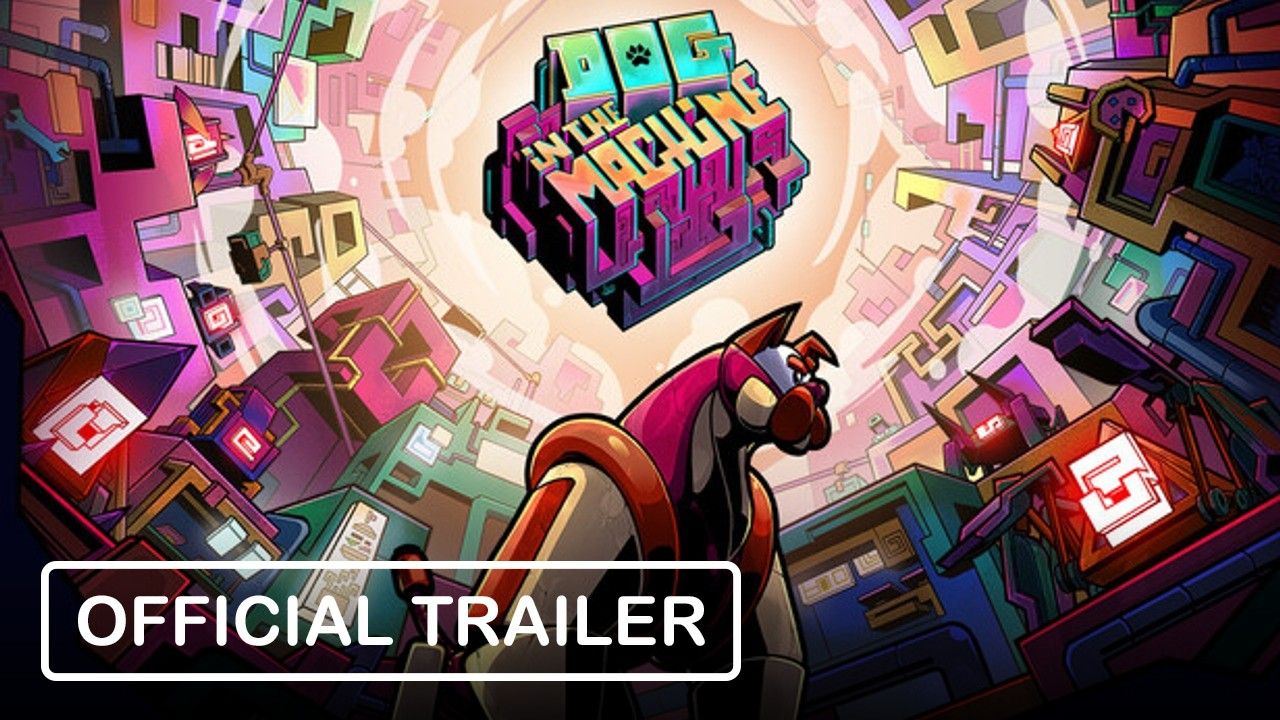
Dog in the Machine sends an AutoDog on a dystopian jailbreak
Dog in the Machine is a tactical roguelite that puts you in charge of an AutoDog trying to flee a grim mecha-city and reunite with exiled humans. Rather than lean on grinding or twitchy execution, the game centers on compact, puzzle-like battles where environmental toys and enemy reactions create opportunities for spectacular solutions.
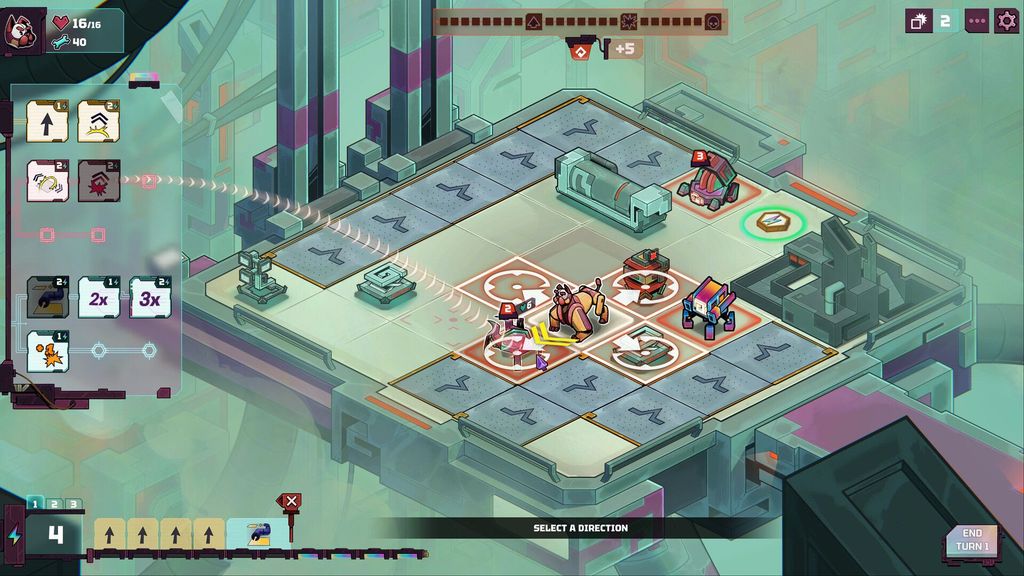
You do not just fight. You design glorious domino effects. Conveyor belts, buttons, explosive objects, and reactive foes populate each grid, meaning the cleanest wins come from creativity and timing rather than brute forcing greater stats.
A domino-fueled battleground
Every encounter is built to reward spectacle. Levels are generated with chain reactions in mind. Hit an explosive barrel and it can detonate into a line of enemies, topple a guardian onto a switch, or send crates sliding onto a conveyor to squash foes. The systems are meant to interact, and the joy comes from spotting that one sequence that turns a crowded, dangerous grid into a cascading victory.
Because arenas are compact, each element feels meaningful. You will be thinking several moves ahead, arranging the board to turn hazards and level geometry against the city's killjoy robots. The result is less random chaos and more "aha" moments where everything clicks.
Real-time previews keep tactics stress-free
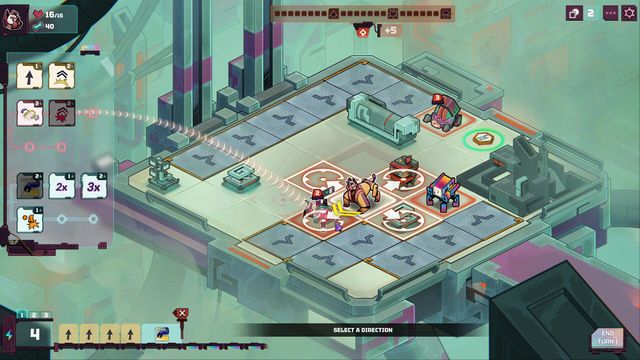
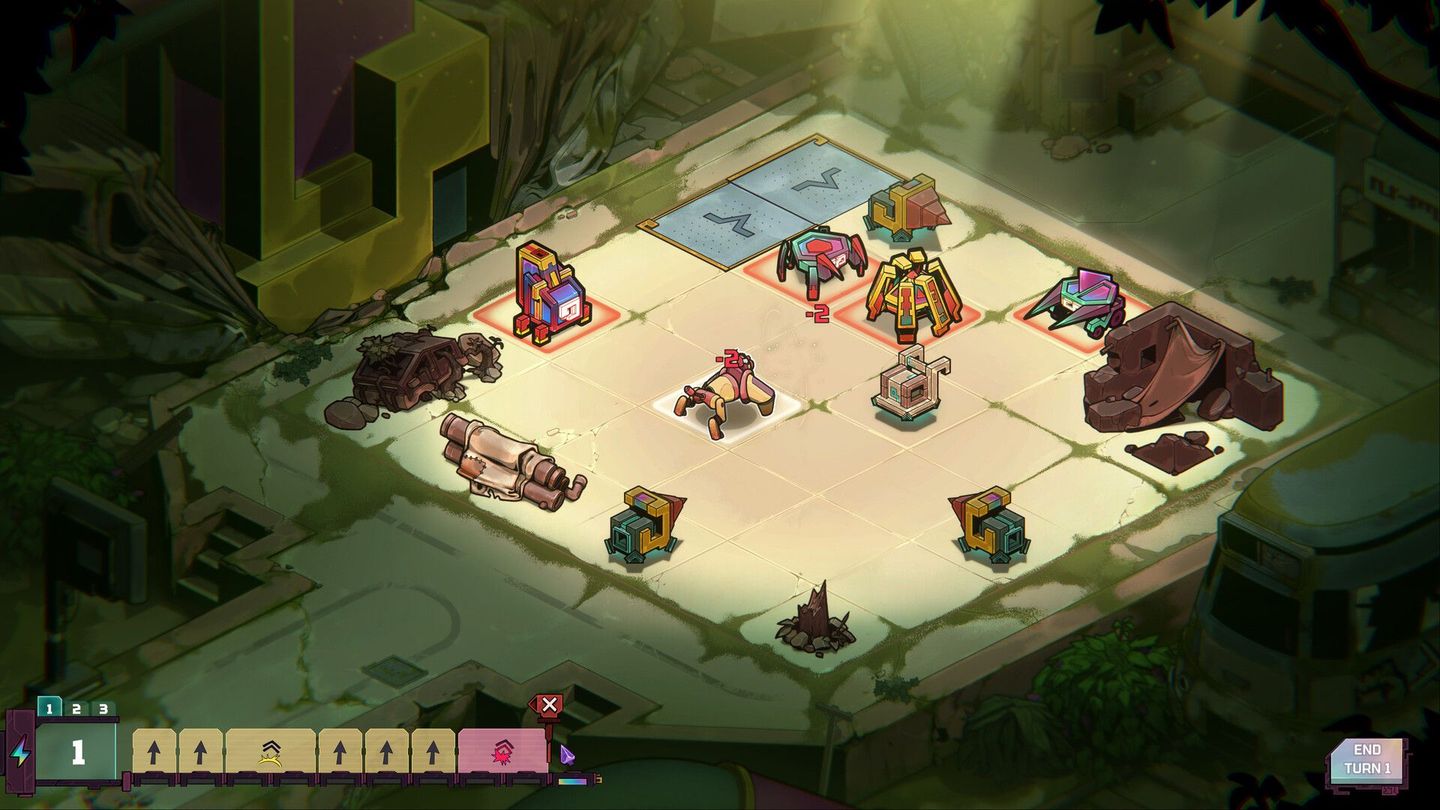
One of the game's clearest design choices is a real-time preview system. Before you commit, you can watch how your planned instruction sequence plays out. Try a sequence, cancel it, tweak it, and try again until the dominoes fall exactly how you want.
That preview removes frustration from the learning loop. If you fail, it is because the strategy itself had a flaw, not because the control or information systems failed you. For a tactical roguelite that encourages experimentation, that clarity is crucial.
Tricks, combinations, and your custom AutoDog playbook
Between fights, your AutoDog learns Tricks. Each Trick works as a modular attack or utility you can slot into a sequence. The real depth comes from combining two Tricks to create more complex actions. You can follow developer blueprints for potent combos or invent your own synergies that suit a particular run.
That means by mid- to late-run you might be piloting a machine dog with a bespoke arsenal. One build might emphasize long-range triggering and conveyor manipulation. Another might chain explosive setups into area clearers. The system favors creativity and discovery.
Meet characters and shape your loadout
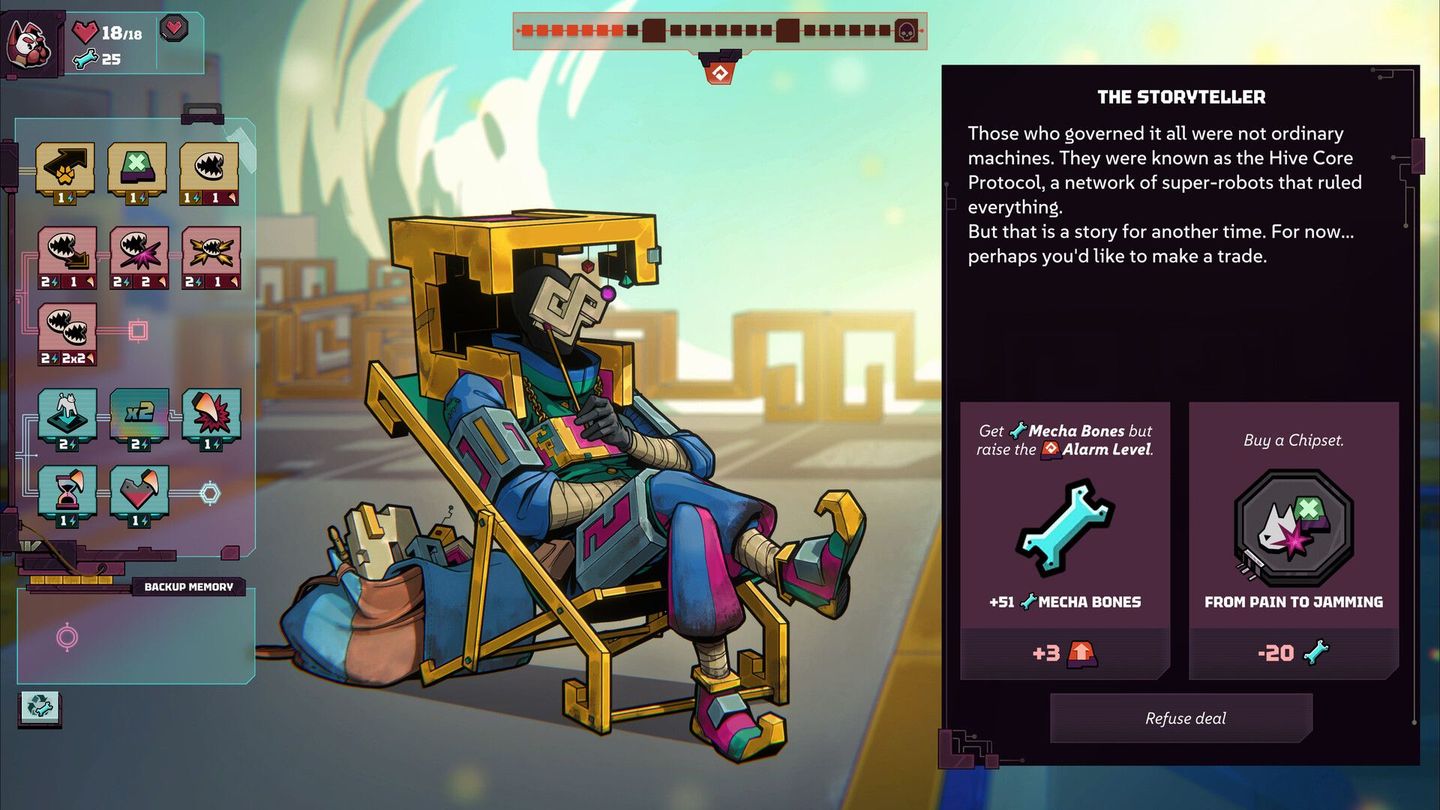
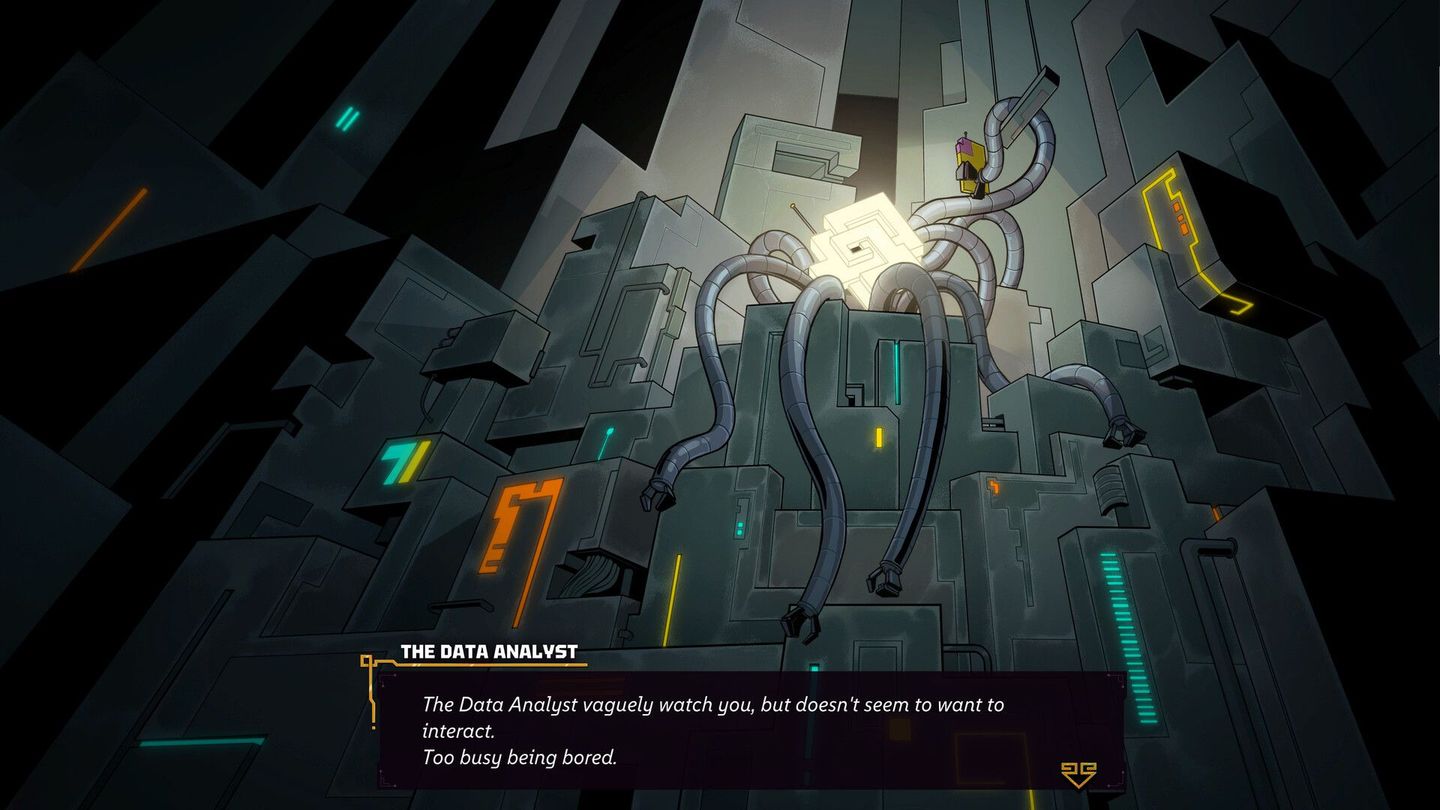
Outside combat, you will encounter a cast of quirky characters who reveal pieces of the city-machine's story. These NPCs are also how you evolve your Trick Library. Buy, exchange, loot, upgrade, or even steal new abilities if the game offers that path. Every encounter becomes a chance to refine your AutoDog's toolkit and to experiment with different builds.
That loop of encountering characters, expanding options, and returning to the tactical playground is where the roguelite structure shines. It supports emergent strategies rather than forcing you down a single optimal route.
Who should keep an eye on this one
If you like tactical puzzle games that reward planning and inventive solutions, Dog in the Machine is worth watching. It blends the satisfaction of puzzle cascades with the progression hooks of a roguelite, and its preview-first approach makes experimentation approachable for new and veteran players alike.
There is no talk here about specific release windows or platforms. For now, keep an eye on the developer's channels for updates, demos, and builds. If you enjoy designing your own chaos and then watching it execute perfectly, this AutoDog might become your new favorite problem solver.