
Field Orders: Eastern Front Puts Supply at the Center of Real-Time Operational Warfare
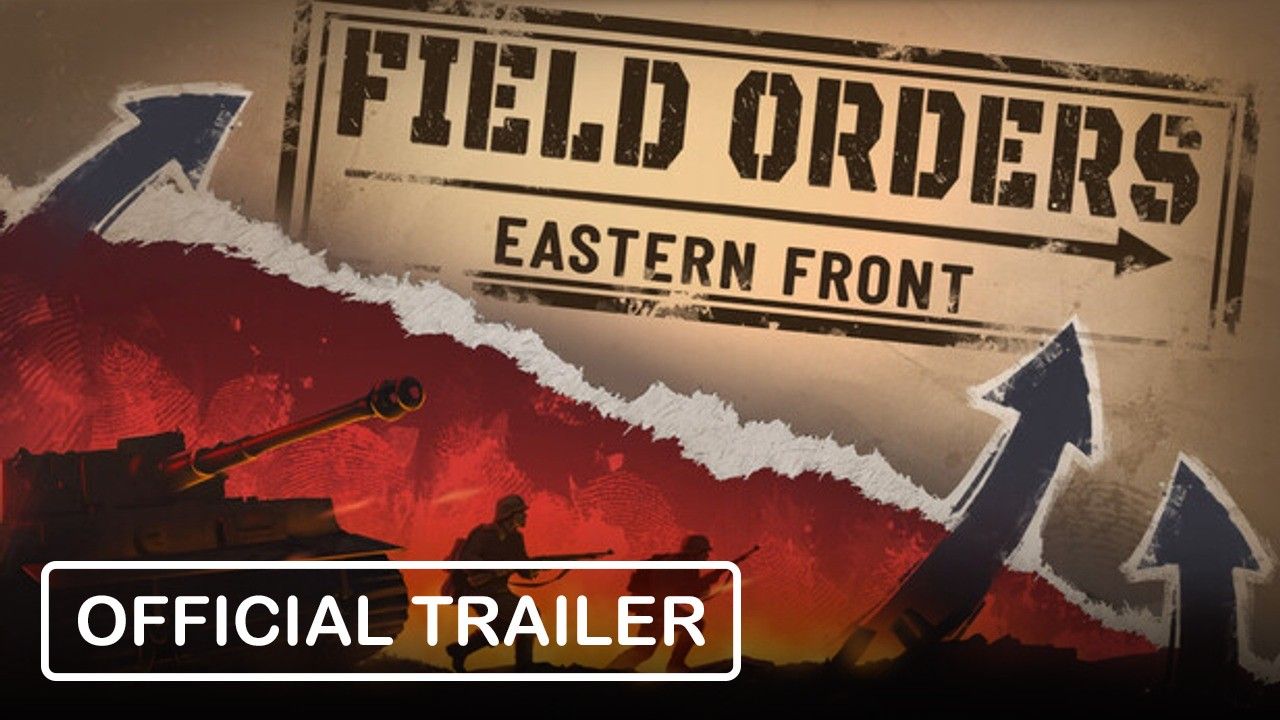
Field Orders: Eastern Front is a historically accurate World War II operational wargame that asks you to think like a staff officer and fight like a commander. The game places regiments, divisions, corps and armies on real terrain from the Eastern Front and ties everything together with a living supply network that can decide whether an offensive dies on the road or a defense holds.
It is not just another tactical sim. It is operational-level play with real-time battles, a campaign army that carries scars and experience between fights, and logistics modeled in concrete terms. Expect fuel in litres, ammunition in loads, and teeth-grinding moments when a spearhead outruns its supply.
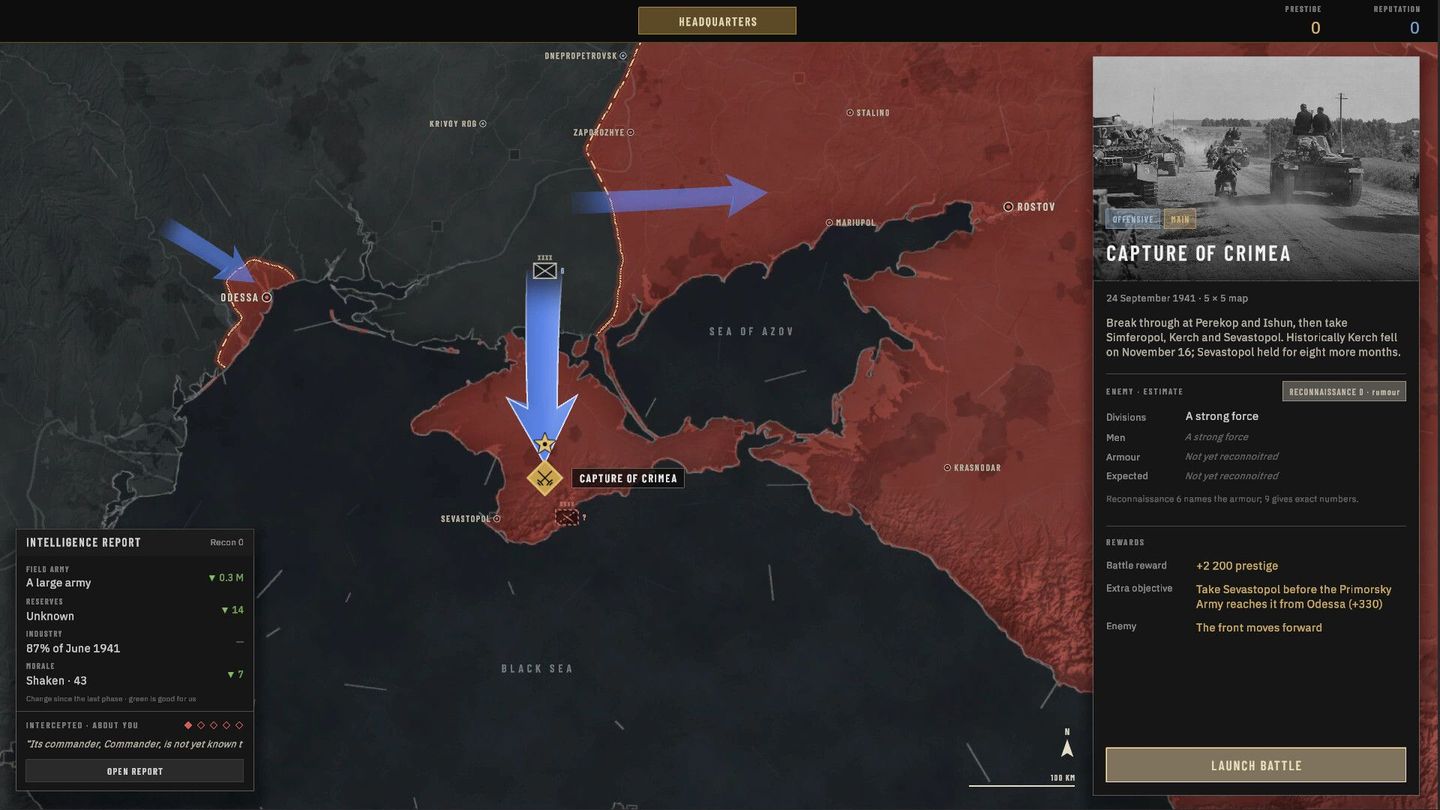
From a Single Regiment to the Whole Front
One of the clearest selling points is the seamless zoom. You can drop down to a single regiment holding a village and inspect strength, cover, ammunition and morale. Pull back and the map becomes a staff-level picture: corps and armies drawn across the terrain, the shape of your front, and relative strengths painted across the ground.
That switch changes how you think. Up close you worry about a company flanked in a wood. Far away you worry about which corps to shift to a threatened sector. The interface is built to let you switch between those concerns quickly without breaking the flow of a real-time battle.
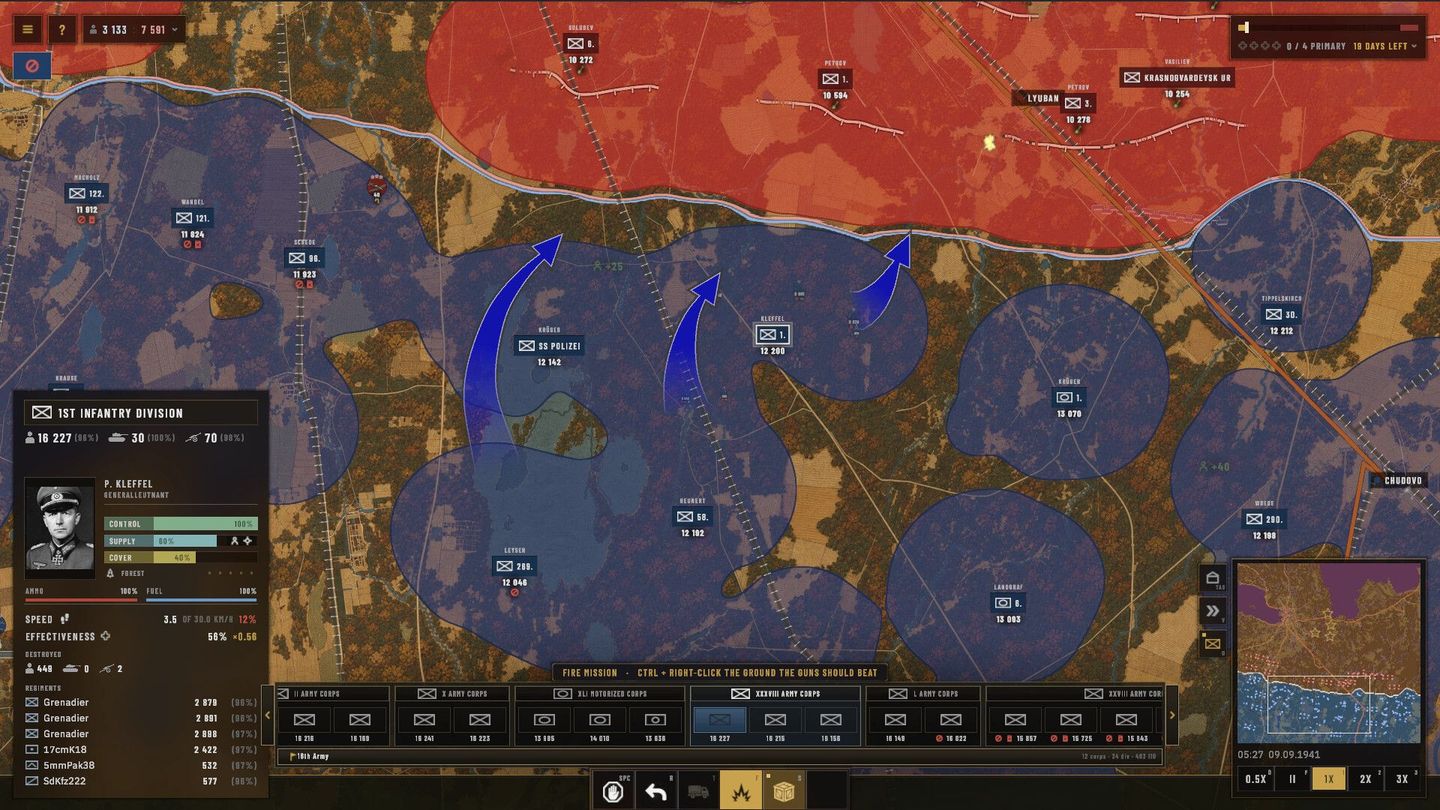
Supply Decides Who Wins
Field Orders makes supply a first-class game system rather than a checkbox. Supply flows from depots along roads and is affected by terrain. Push too fast and your units run out of fuel and shells. Cut the enemy roads and whole formations fight on what they carry until they are reduced to pockets.
Key supply features highlighted by the developers:
- A living supply network that follows roads and the evolving front
- Encirclements that cut divisions off from resupply and turn them into pockets
- Ammunition and fuel tracked in loads and litres rather than abstract points
The result is operational dilemmas. Do you widen a corridor to feed a breakthrough or tighten it to avoid overextension? Every road you hold or lose has a tactical and strategic cost.
Give Orders, Not Clicks
Command is deliberate. Instead of micro-managing every squad, you give higher-level orders: tell a division where to go, draw its route, or set a defensive line it must hold. Units will conduct their own movements and fight according to those orders.
Available orders include hold, dig in, break contact, march on foot, and call artillery fire missions. Air regiments can be tasked to guard, scout, bomb or escort. Reconnaissance before battle affects what you know of the enemy, so your deployment choices are shaped by information as much as force structure.
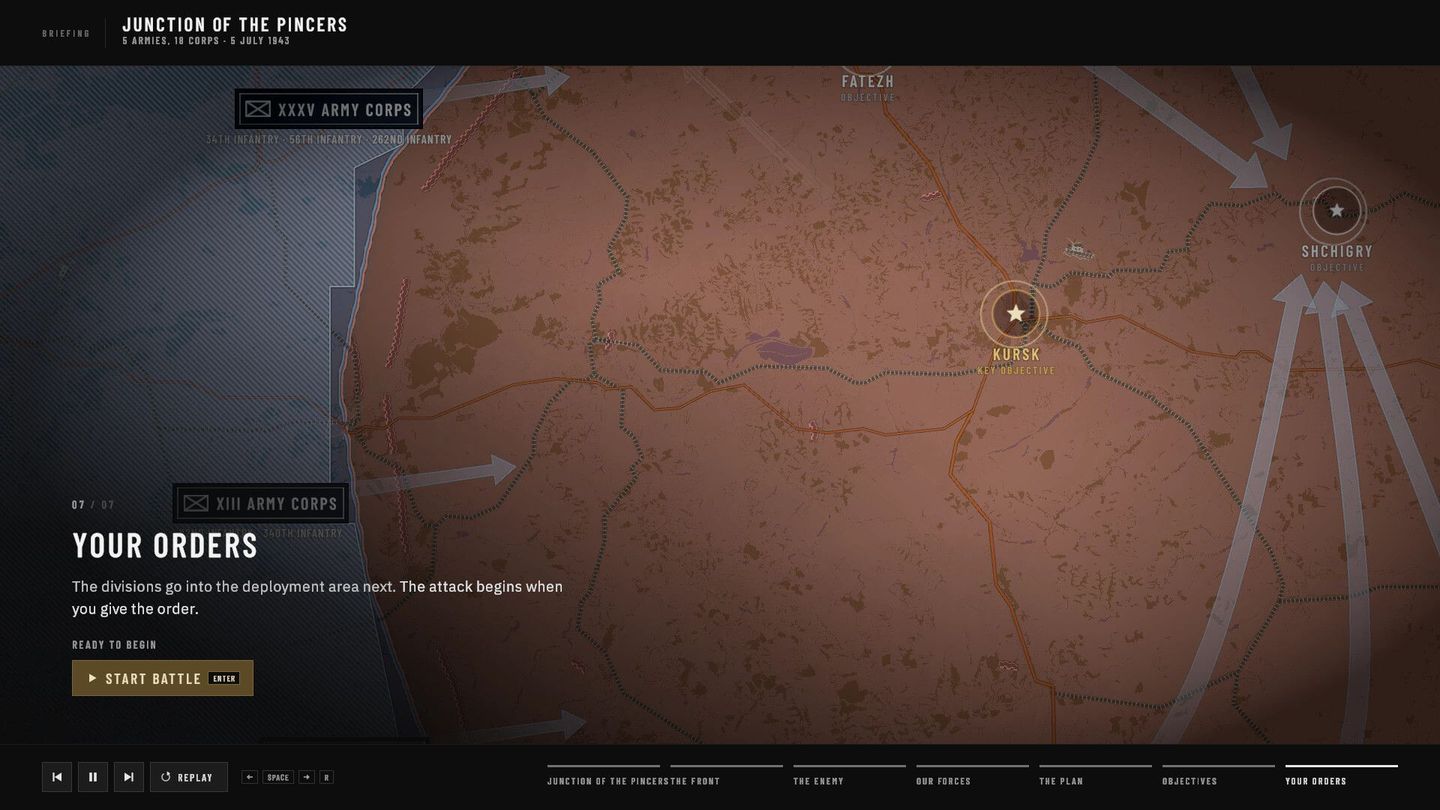
Historical Ground and a Campaign Army That Remembers
Maps are based on real terrain: rivers, forests, towns and roads that mattered to the historical campaigns. The game includes over 30 historical and speculative battles from Brest and the Luga Line through Kiev, Moscow, Stalingrad and Kursk. Fronts can span several armies with dozens of divisions per side, and each battle finishes with a newsreel built from archival footage.
The campaign layer is persistent. Your army carries losses, veterans and officers from battle to battle. Between engagements, at headquarters, you:
- Refit divisions, buy replacements and upgrade equipment
- Organize your own divisions, corps and air groups
- Promote and decorate officers who earn their experience
- Spend career points to shape your commander across economy, training, organization, reconnaissance and influence
That continuity pushes you to think long term. A costly local success can leave your next battle with hollow formations if you did not secure supply and replacements.
Field Orders: Eastern Front looks aimed at players who like their wargames with weight and consequence. It is a study in logistics, command and the grinding geography of the Eastern Front where the road network can be as decisive as the units that travel it.