
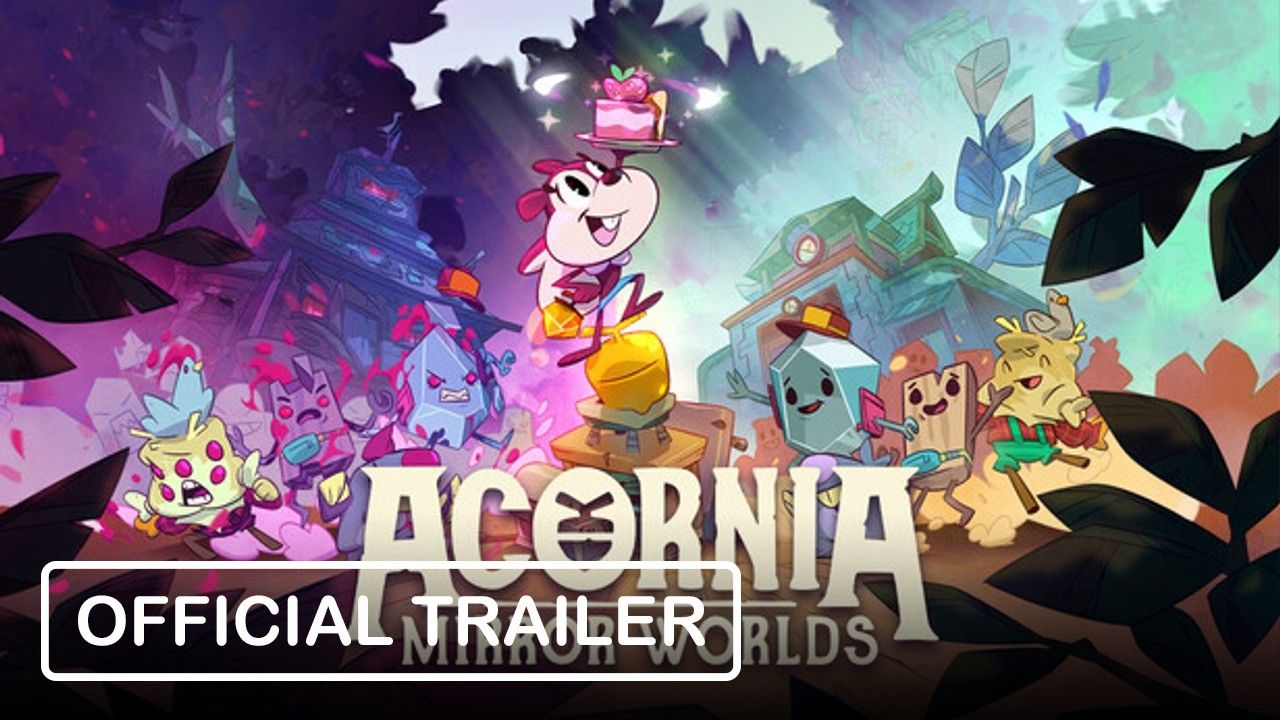
Acornia: Mirror Worlds
Alva returns to her ruined hometown to reopen the family dessert shop, but Acornia is not the same. The Duramen, a dark mirror dimension, leaks angry spirits into the village. Your solution is equal parts hospitality and violence, because Alva's cheek pouches are bottomless and surprisingly versatile.
The game's core promise is simple and weird in the best way. Switch between the light dimension to serve customers and beautify your storefront, then slip into the Duramen to clear dungeons with a barrage of weaponized pastries. The two sides feed each other: ingredients and recipes found in the mirrors help your menu, while a thriving shop funds upgrades and staff.
A Bake and Brawl Hook
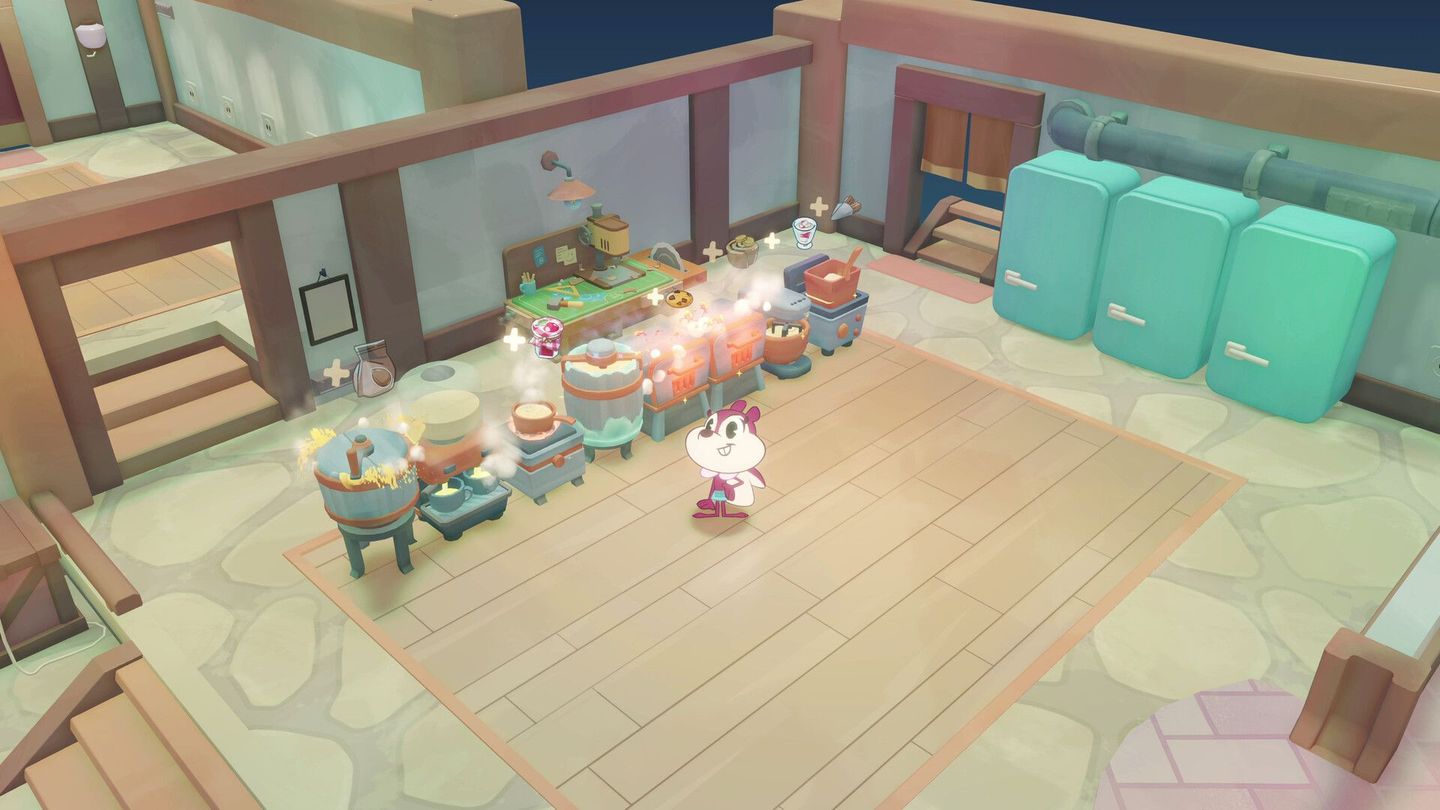
Acornia blends cozy management with arcade action. In the light dimension you plate desserts, fill display cases, and cater to seasonal tastes that shift who visits and what they want. Better desserts mean more reputation, which unlocks options for shop decoration and expansion.
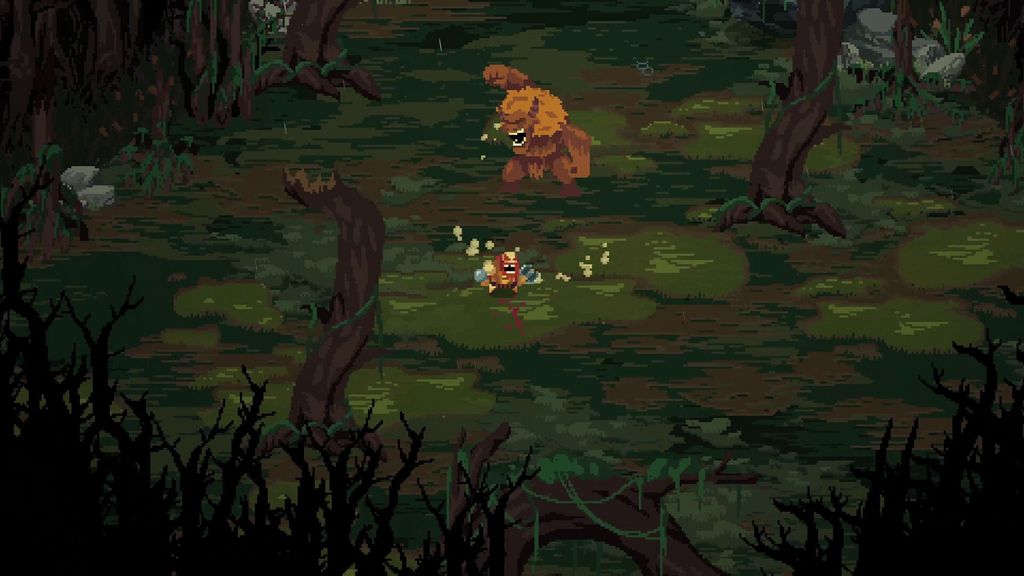
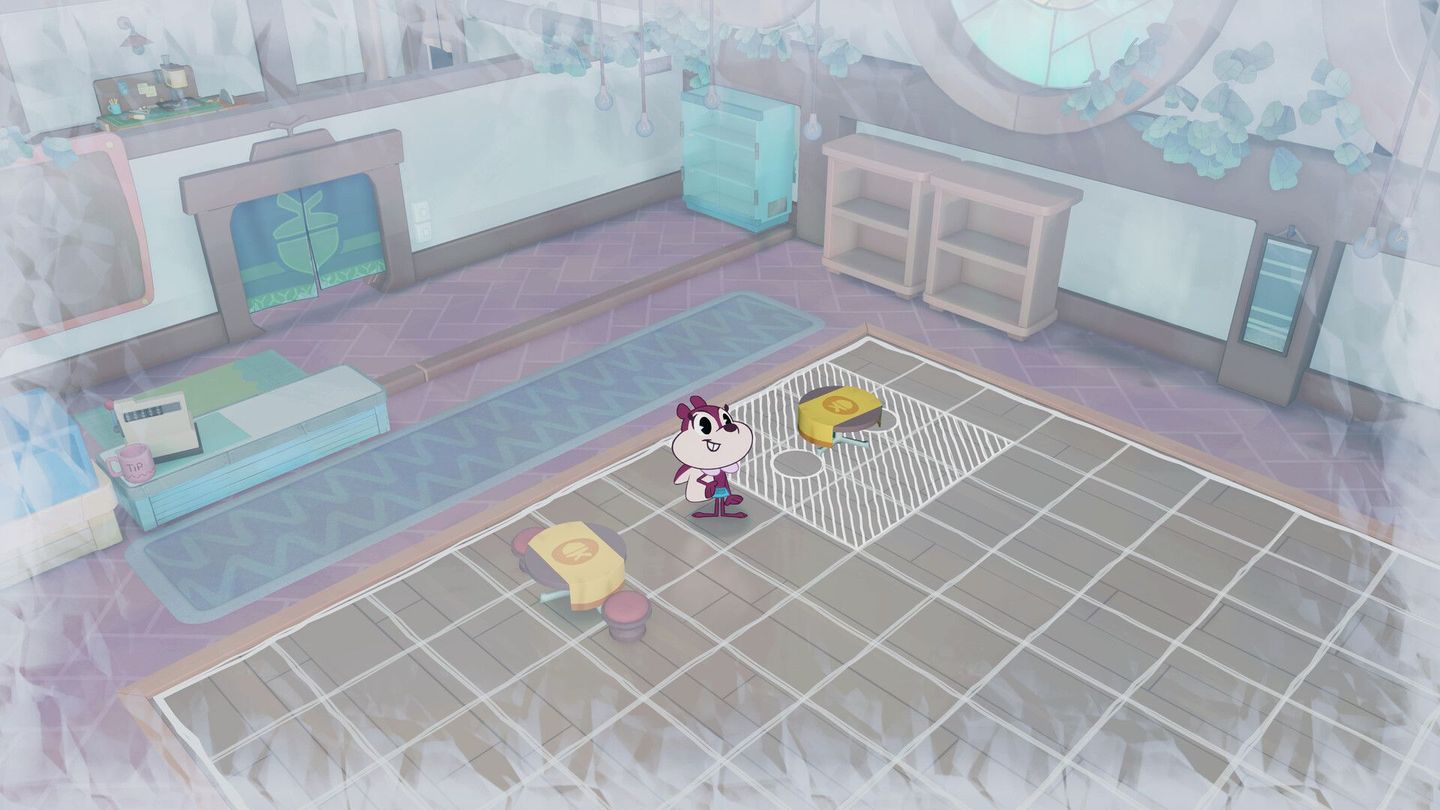
In the Duramen you become a pastry-wielding combatant. Fill your cheek pouches with treats, then spit them at spirits to stagger or destroy them. The pouch is also a storage mechanic for swallowed recipes and materials found in dungeons, letting you turn exploration directly into shop currency and culinary variety. If you run out of ammo, the game leans into its animal instincts: swallow enemies whole and use them to fuel the next attack.
The ability to swap dimensions at any time adds a nice flow. You can dash into a mirror mid-shift to fetch rare ingredients, then pop back out and plate them for an impatient customer. That interplay creates a complementary loop, with shopkeeping and dungeon crawling each enhancing the other.
Shopkeeping, Seasons and Villagers
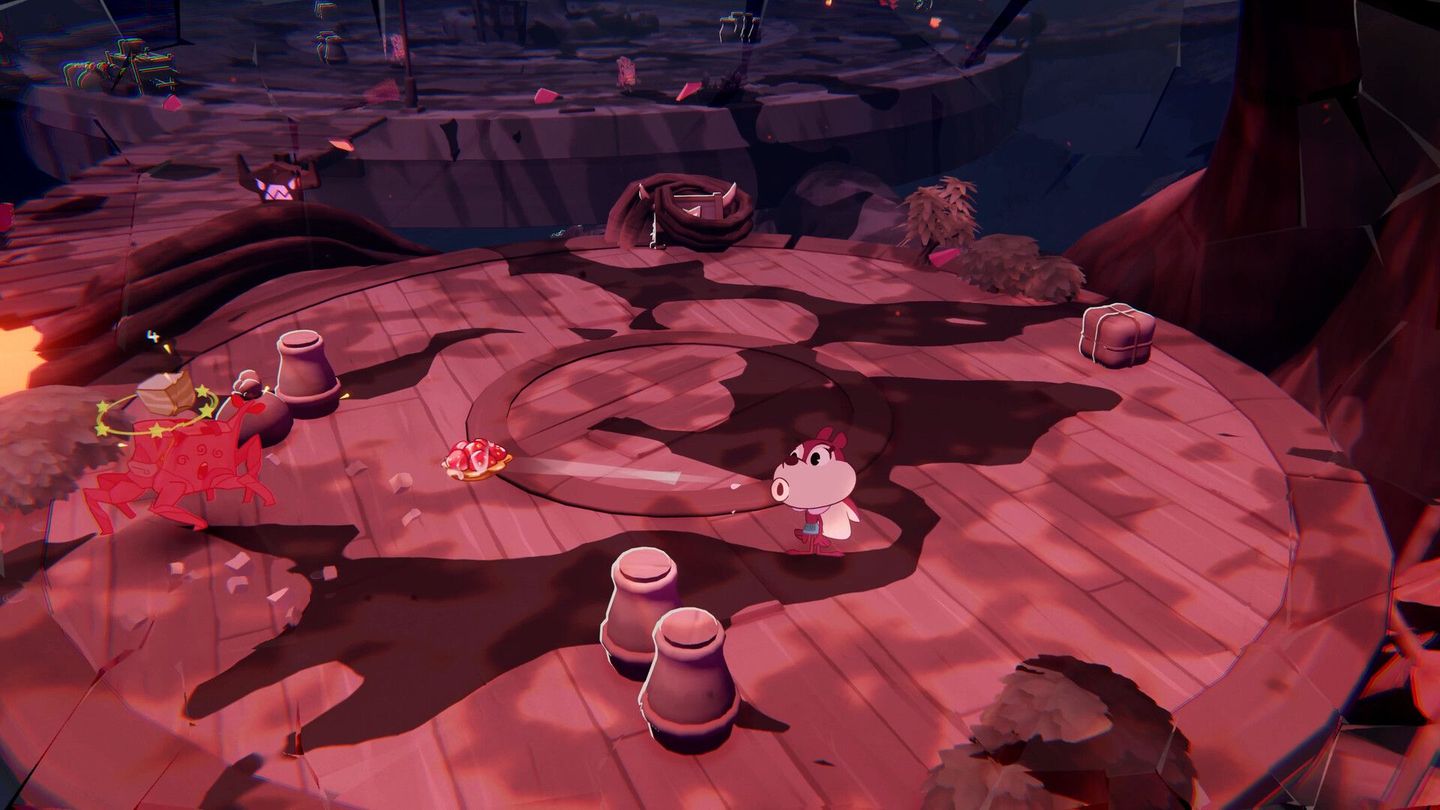
Acornia is more than a storefront. You can expand and customize your store, invest in agriculture and animal rearing to become self sufficient, and hire employees to automate routine tasks. That lets you scale from a one-squirrel operation into a real village anchor.
There are over 25 unique villagers to meet, each with their own backstory, role, and daily routine. Side quests reveal personalities and deepen ties to Alva. Seasonal events like bug catching and flower decorating change who shows up and unlock seasonal recipes and furniture sets, adding variety and reasons to revisit the same places across the in-game year.
This social fabric makes the restoration feel meaningful. Rebuilding Acornia is not just about numbers and shelves, it's about reconnecting a community that reacts to your successes and failures.
Duramen Dungeons and Cheek Pouch Chaos
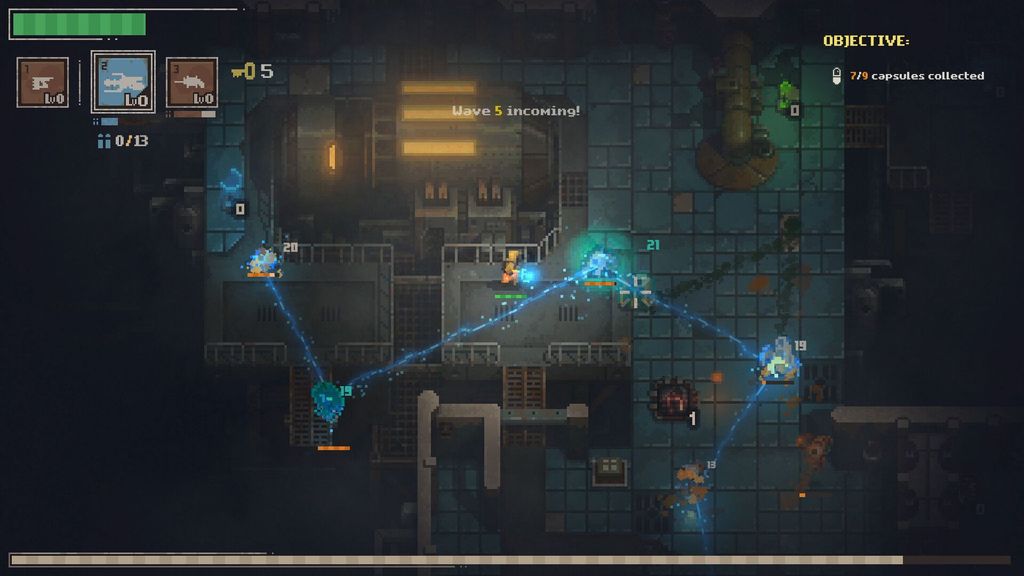
Dungeon runs are multi floor affairs. Scurry through rooms, dodge roll past traps, and fire a relentless stream of pastries until you reach a boss. The pacing promises a frantic, almost twin-stick rhythm punctuated by careful inventory management. New recipes and materials you swallow become useful both as weapons and as menu additions.
Combat leans into improvisation. When ammunition runs low you can swallow foes whole and convert them into your next offensive option. That mechanic keeps runs fluid and ties exploration directly to the shop loop: what you keep in your pouch can pay the bills later.
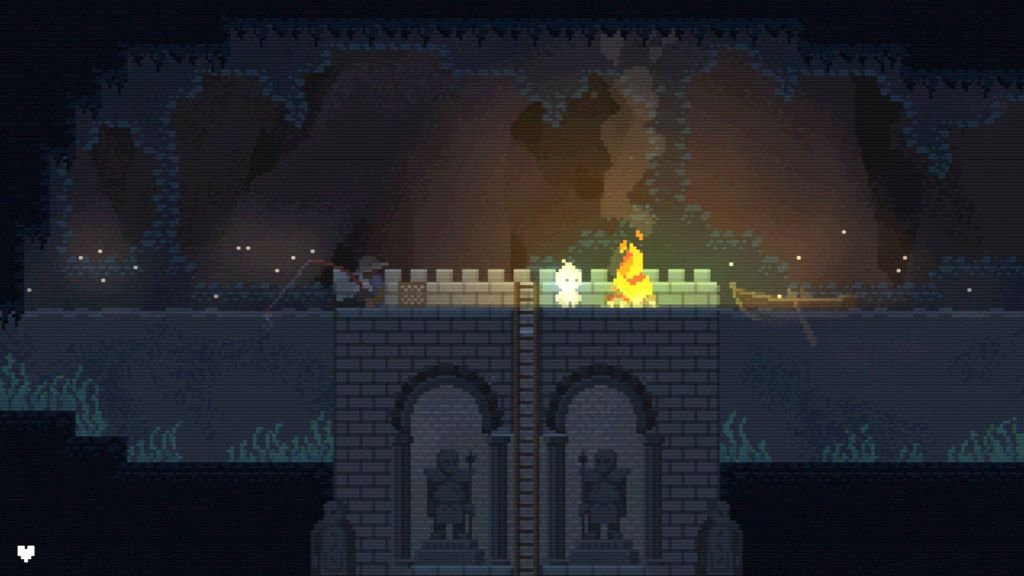
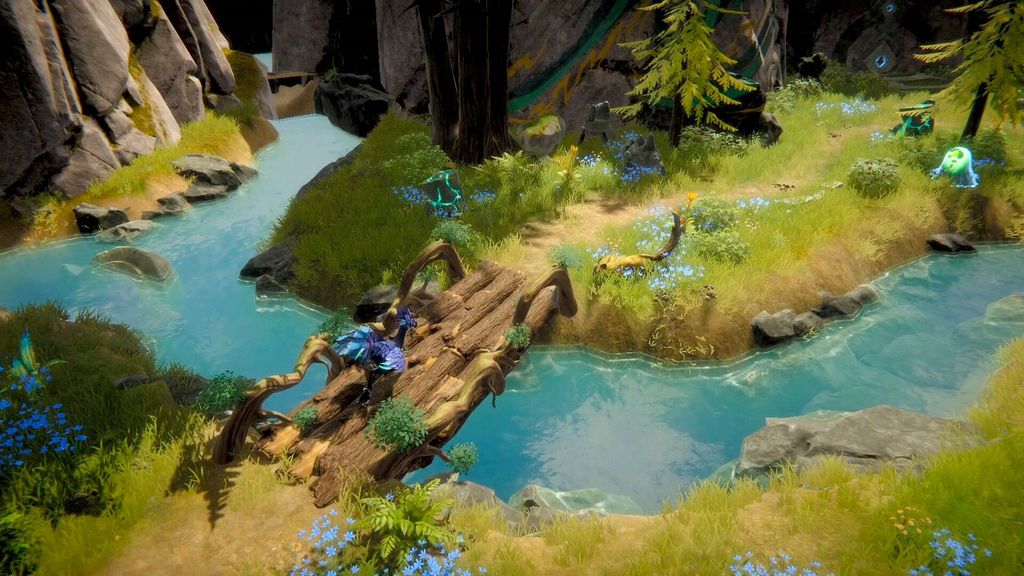
Acornia's presentation mixes cozy charm with spooky mirror-world menace. The juxtaposition of sugary treats and haunted dungeons gives the game a distinct personality that should appeal to players who like genre mashups and a strong mechanical throughline between gameplay loops.
Closing Notes
Acornia: Mirror Worlds looks like a clever hybrid for players who enjoy management sims and action roguelites. Its cheek pouch gimmick is odd and memorable in equal measure, and the back and forth between running a shop and clearing spirits gives the game a clear identity. If you like your recipes with a side of mayhem, keep an eye on Alva's bakery.