

Echoes: Unforgotten - Command in the Face of Collapse
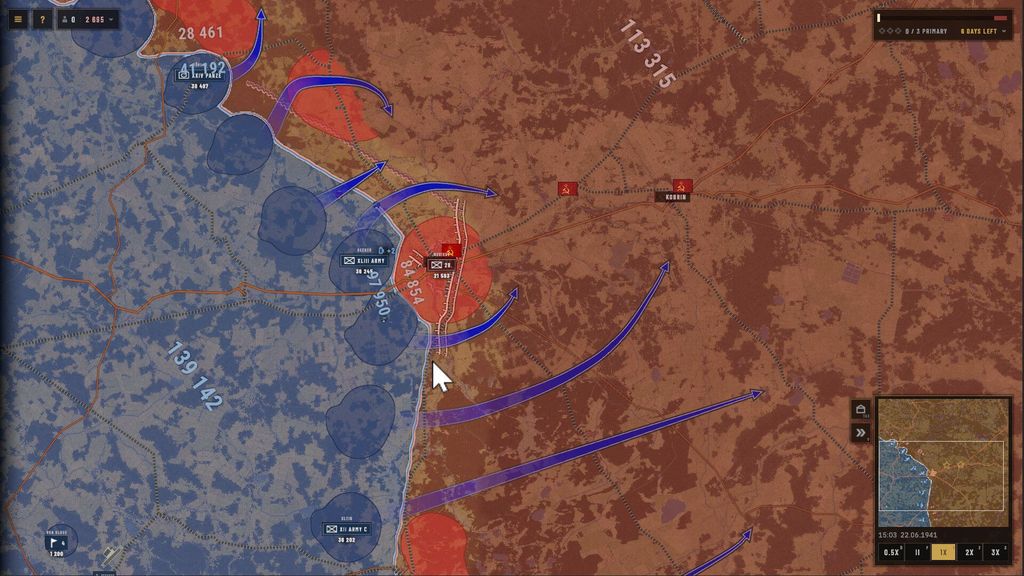
Echoes: Unforgotten is a cold, precise kind of strategy that turns familiar systems into moral pressure points. You start from a single capital and try to hold a region that is already falling apart. Troops are scarce, roads are dangerous and information is slow. Every decision ripples through population, production and the creeping corruption known only as Blood.
The game leans on a handful of brutal truths: you will never have enough forces, you will never see the whole map at once, and every death makes the situation worse. That is the hook. It asks you which losses you can accept and which you cannot live with.
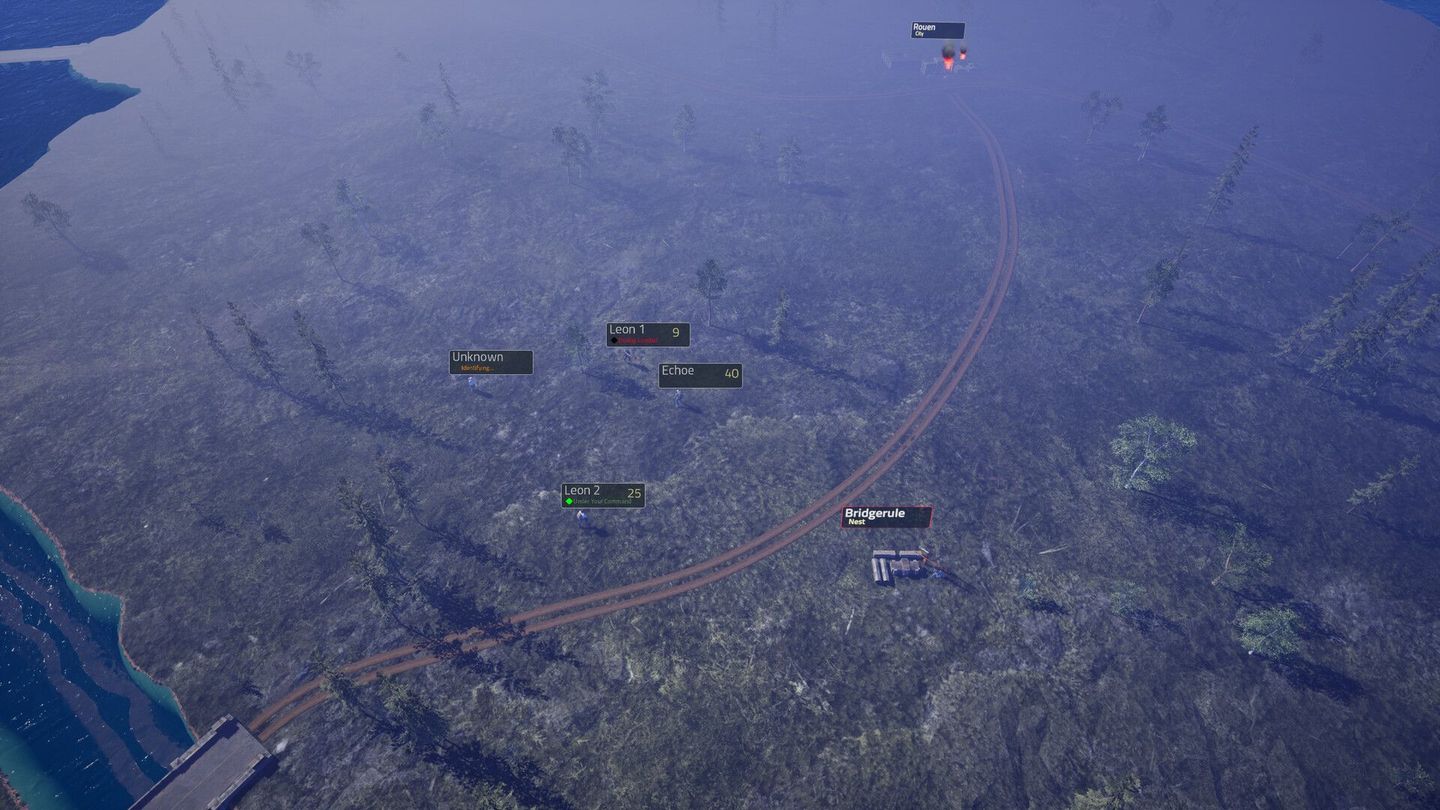
Fog, Unknowns and the Price of Intelligence
Visibility in Echoes is literal and tactical. A mist drifts across the map. Distant figures resolve into UNKNOWN as squads approach. Identification requires time and proximity - and the thicker the mist, the longer the wait.
That means recon is a gamble. What looks like refugees might be several Echoes moving together. Investigating buys certainty but risks ambush. Retreating or reinforcing is a choice you must make without perfect information. The game forces you to weigh the value of knowledge against the human cost of gathering it.
Couriers are central to this same problem. Messages and supplies do not teleport. Every resource or report must travel roads that cut through contested terrain. A courier who dies can carry away food, medicine or crucial intelligence - and take a citizen with them. Larger caravans can haul more but become higher-value targets. Protecting every road is impossible, so which links you secure becomes a strategic statement.
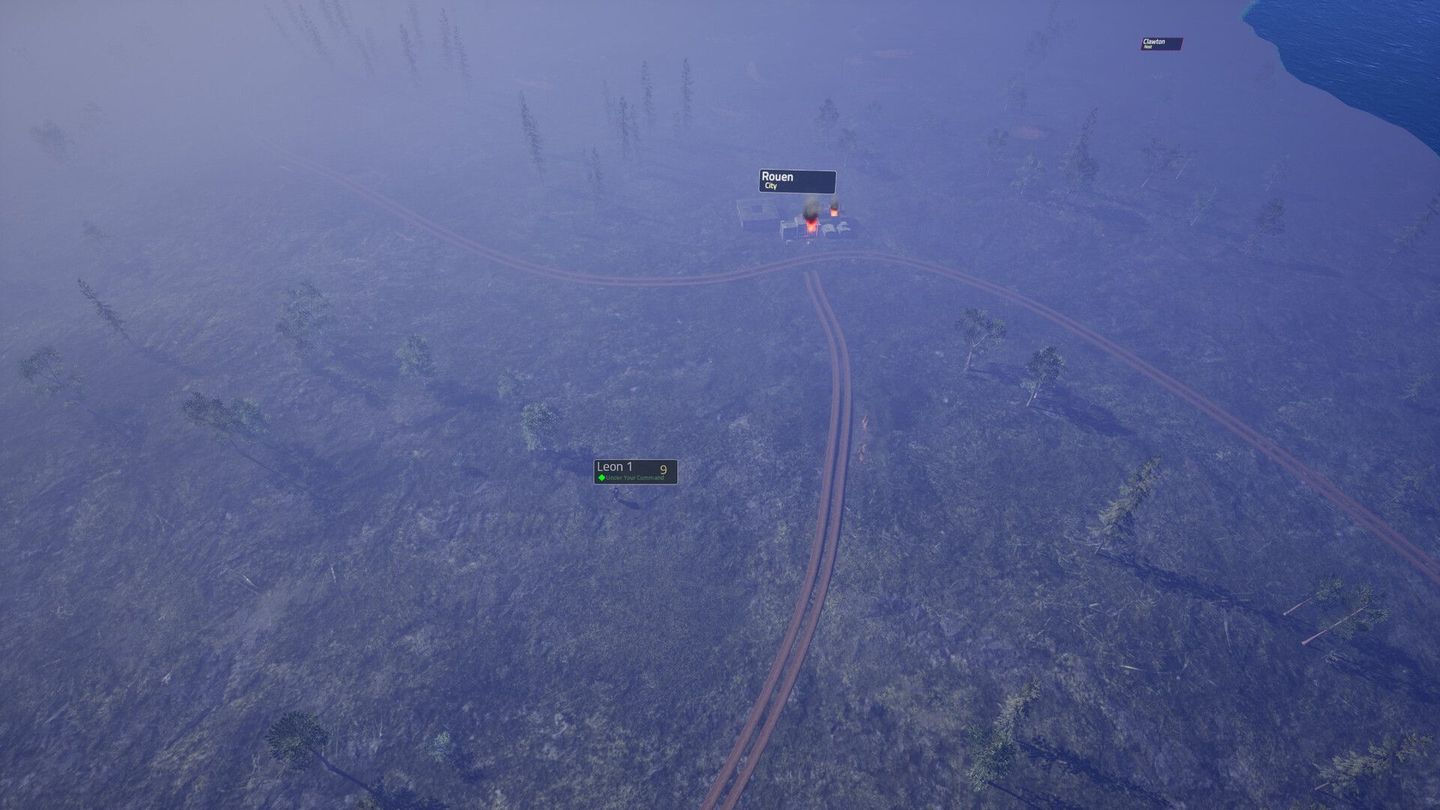
Population, Production and the Limits of Replacement
Population is not an abstract resource. People staff farms, factories and hospitals. They are also the pool from which squads and couriers are drawn. Recruiting a new unit weakens the settlement that provided it, and losing a squad reduces not just military power but production, repairs and future recruitment potential.
Settlements have roles: agricultural towns keep food flowing, industrial cities produce materials and weapon parts, medical hubs supply healing and disease control, and military cities support forces. Upgrading buildings increases output or resilience, but everything you build is part of a fragile web. Food can spoil, medicine is consumed, and supplies still need safe roads to reach need.
Capture brings territory and resources, but also Blood. Casualties feed Blood and thicken the mist. Too many wins may push the region toward collapse faster than you can stabilise it.
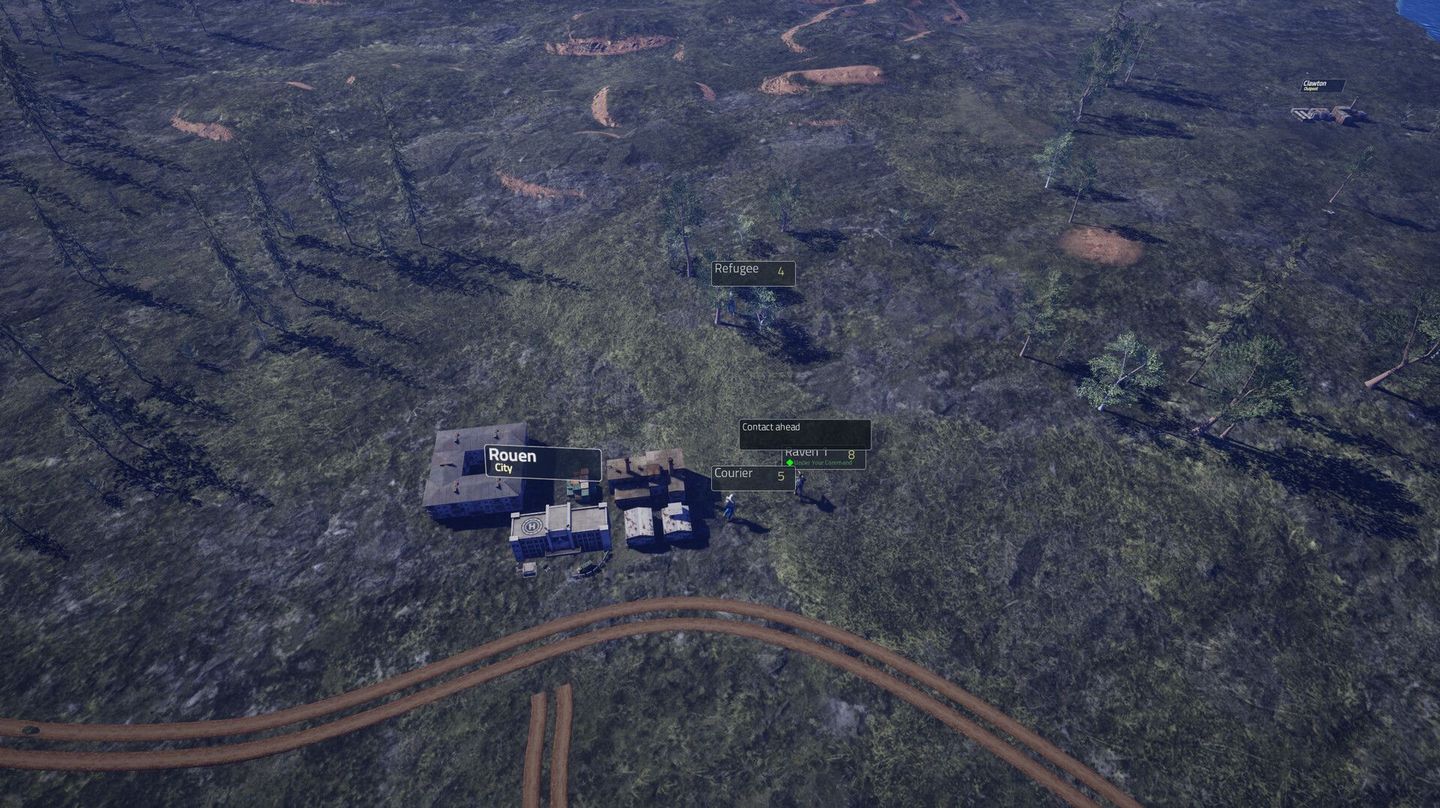
Outposts, Traps and the Final Week
You can slow the spread without holding every road. Cleared bandit camps or sacrificial outposts serve as tripwires that buy time - sometimes the only thing between an Echo horde and a vulnerable village. Traps and slowing defences are often designed not to prevail forever but to delay while reinforcements move.
Everything builds toward the Final Week. A horn marks the start and the region enters a seven day onslaught when nests pour out everything they have. You must decide on Final Orders: mobilise civilians, seal gates, build barricades, order evacuations or sacrifice outposts. These are not mere upgrades - they are declarations of what you will give up to save what remains.
Your final rank measures more than whether the capital survived. It records population saved, settlements held and the moral ledger of your decisions. You may be Forgotten, Shattered, Unbroken or Unforgotten.
Echoes: Unforgotten is less about finding a perfect plan and more about choosing which imperfect one you can live with. It asks players to think like regional managers in a crisis where every courier and every patrol is a story, and every loss tightens the fog.