
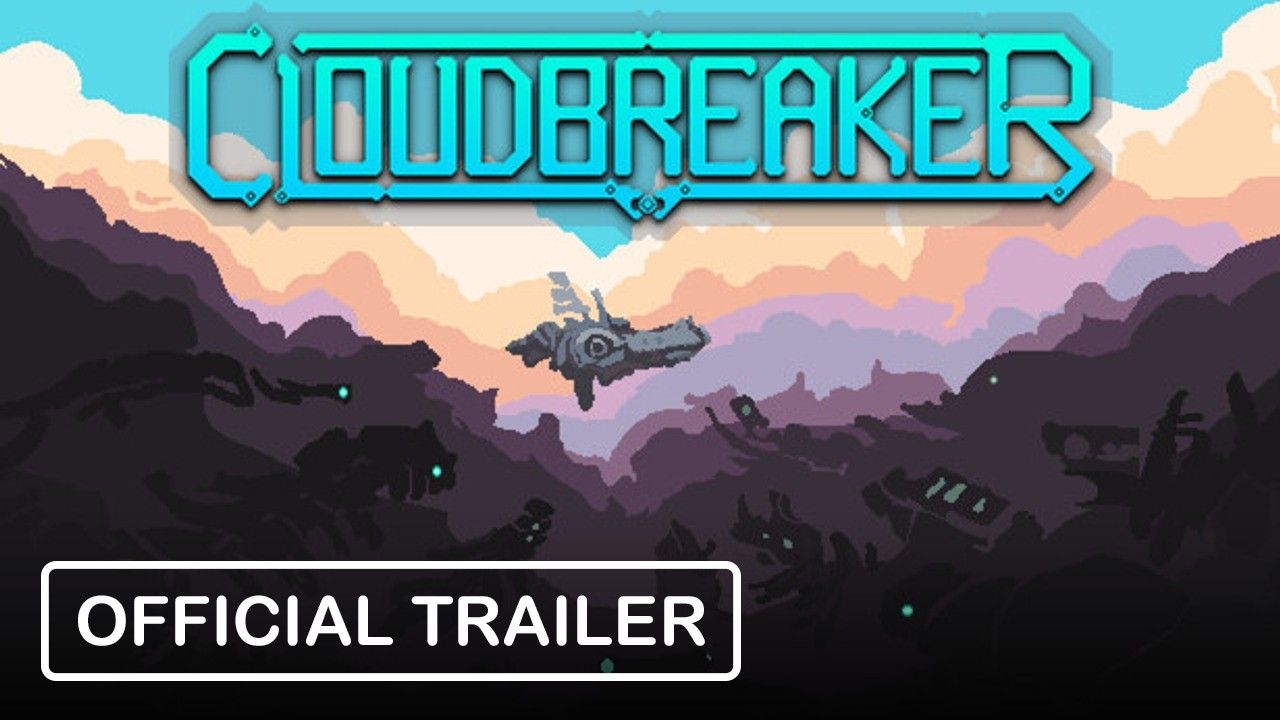
Cloudbreaker: Bullet Heaven Meets Inventory Management
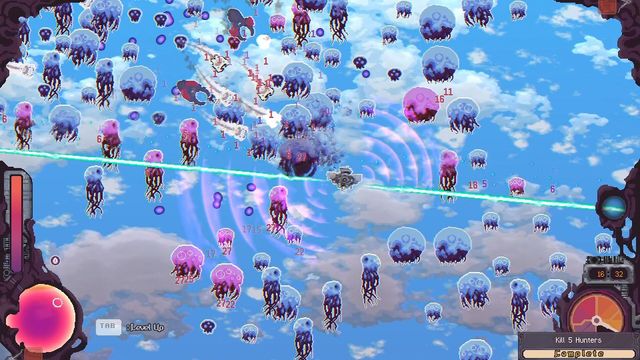
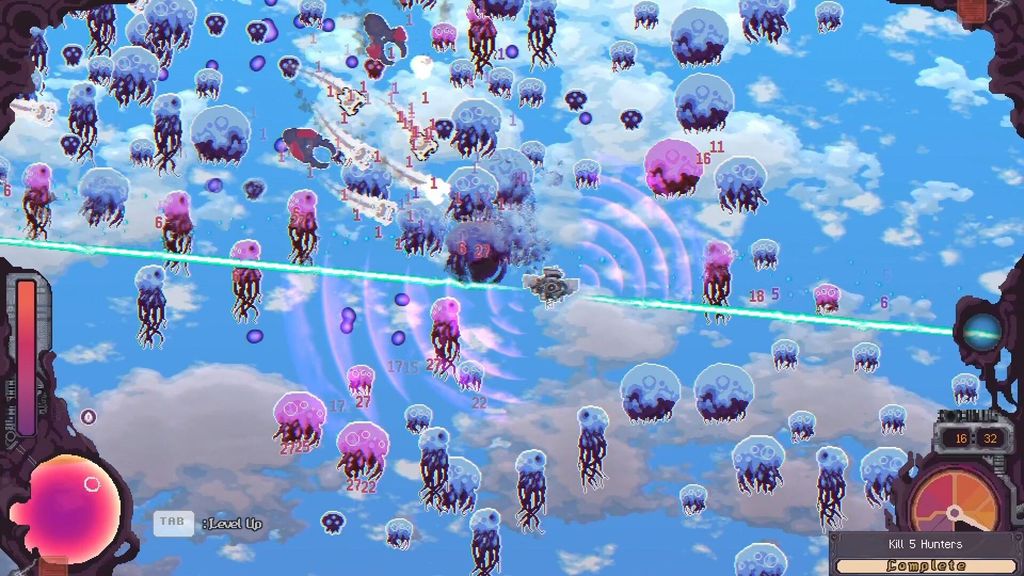
Cloudbreaker mixes frantic, survivors-style bullet heaven combat with an inventory management puzzle at the heart of progression. You fly down through a layered sky-world, shred waves of Biotes, and then take the spoils back to your ship where placement matters more than RNG. Engine Parts are items and puzzles at once, and installing them into your ship's Engine Grid is how you grow and specialize.
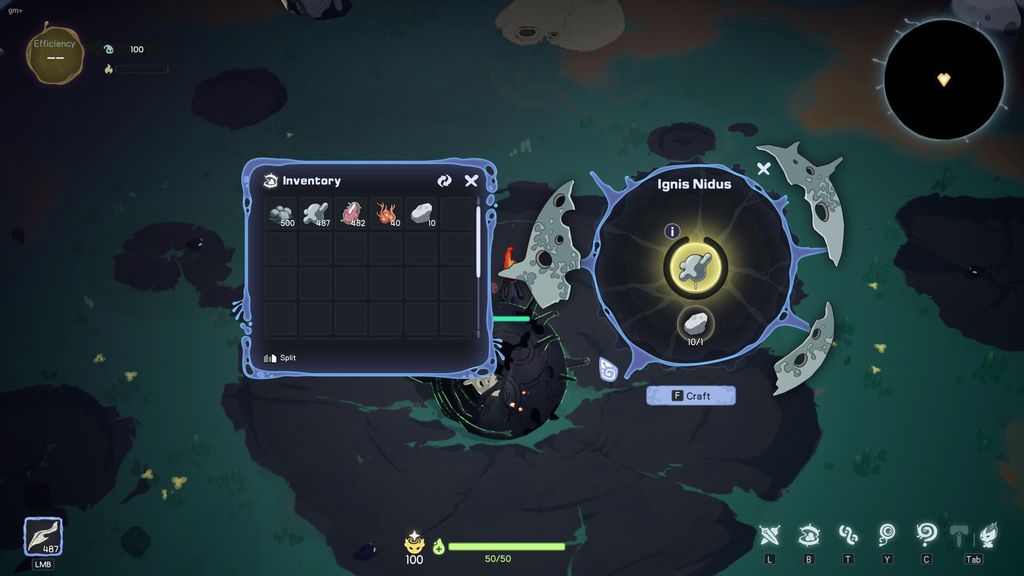
The roguelite loop is classic and clean. Descend through cloud layers, clear islands and ruins for scrap and relics, confront bosses to break into deeper sections, and convert defeated enemies into Bloil that becomes Engine Parts for your ship. The twist is the Engine Grid. Rather than just collecting upgrades, you must decide where to put them to build synergies and define how each run plays out.
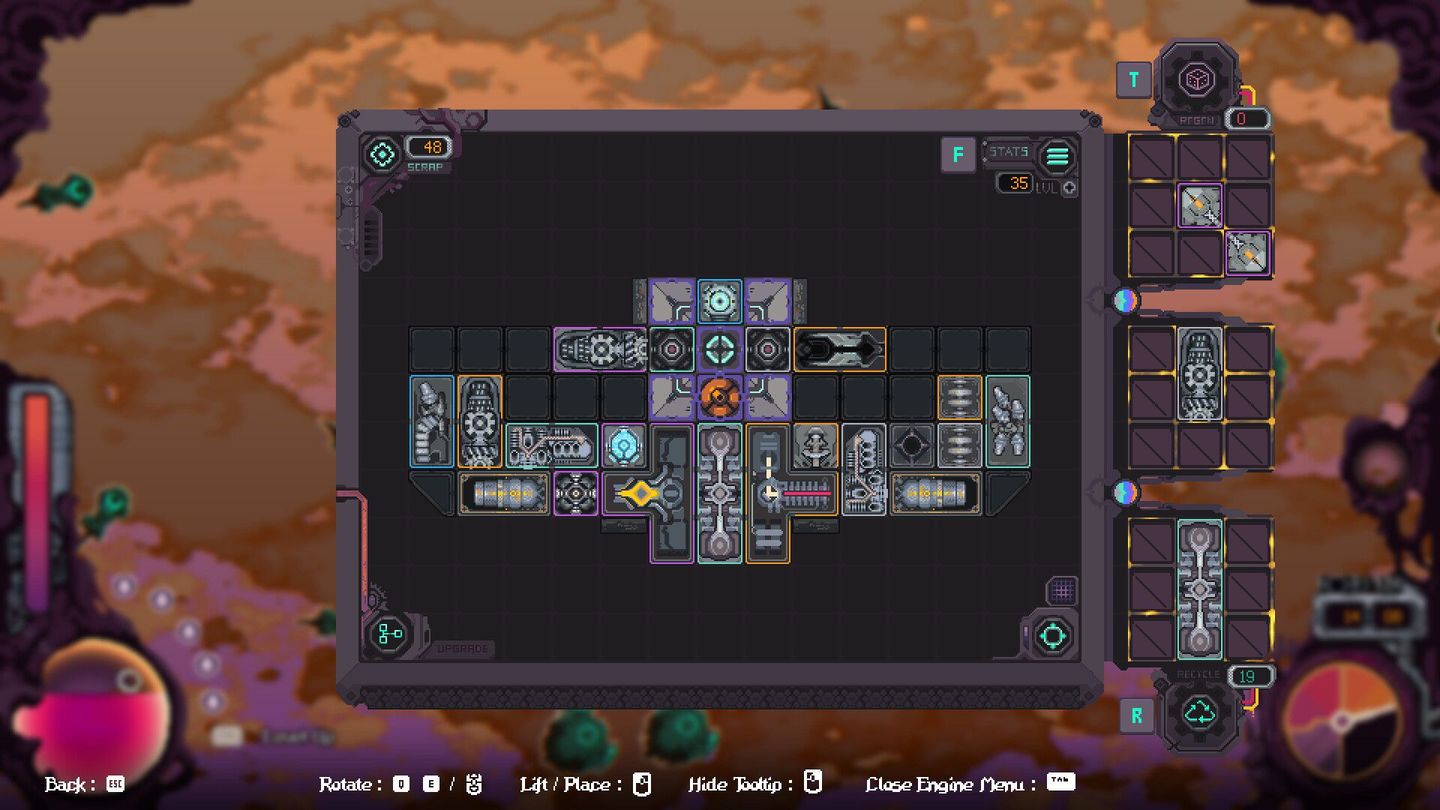
Engine Grid: placement is the real weapon
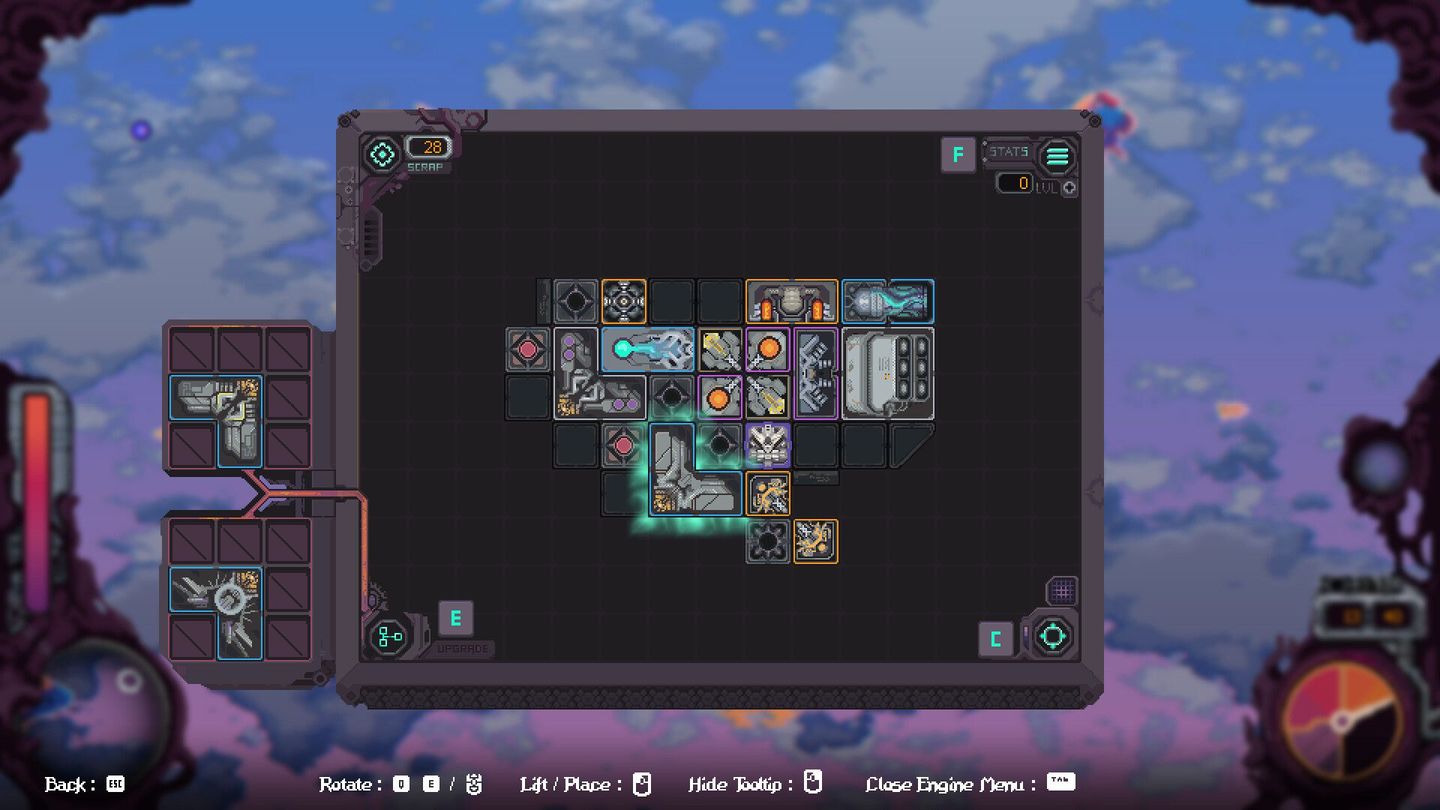
The Engine Grid turns inventory into a tactical layer. Engine Parts are not simple stat boosts. They occupy space, interact with neighbors, and can combine to create emergent effects. That makes each new part a decision, not just a loot roll.
Placement forces meaningful tradeoffs. Do you cram a powerful piece into a corner to activate a short chain, or spread parts to trigger large synergies? The grid shape of each ship changes the puzzle entirely. Because parts can connect and modify each other, the same part will behave differently from ship to ship and run to run. The devs say placement, not luck, decides the run, and the design leans hard into that idea.
Weapons also have their own upgrade trees, so you are balancing spatial builds for passive systems and conventional upgrade paths for your guns. The result is a layered buildcraft experience that rewards planning and foresight.
Ships, relics, and progression systems
Cloudbreaker offers multiple unlockable airships, each with unique grid layouts and onboard abilities. Every ship presents a fresh spatial puzzle, encouraging new strategies and experimentation as you gather more parts and relics. Progress is persistent: unlock parts, invest in ship upgrade trees, and lean into playstyles that suit you.
Relics add another twist. Discoverable relics can change combat rules and open up strategies that the Engine Grid then amplifies. Missions unlock parts, ships, and relics, giving clear goals to chase beyond raw survival. The game also includes upgrade trees for each ship, so customization grows deeper as you sink time into a favorite hull.
Combat, bosses, and the aggressive heal
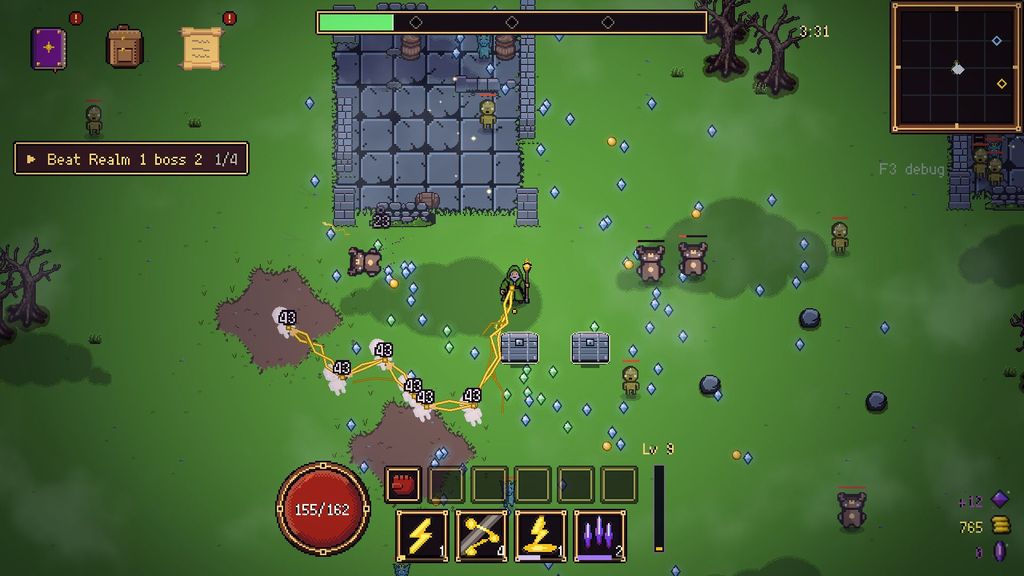
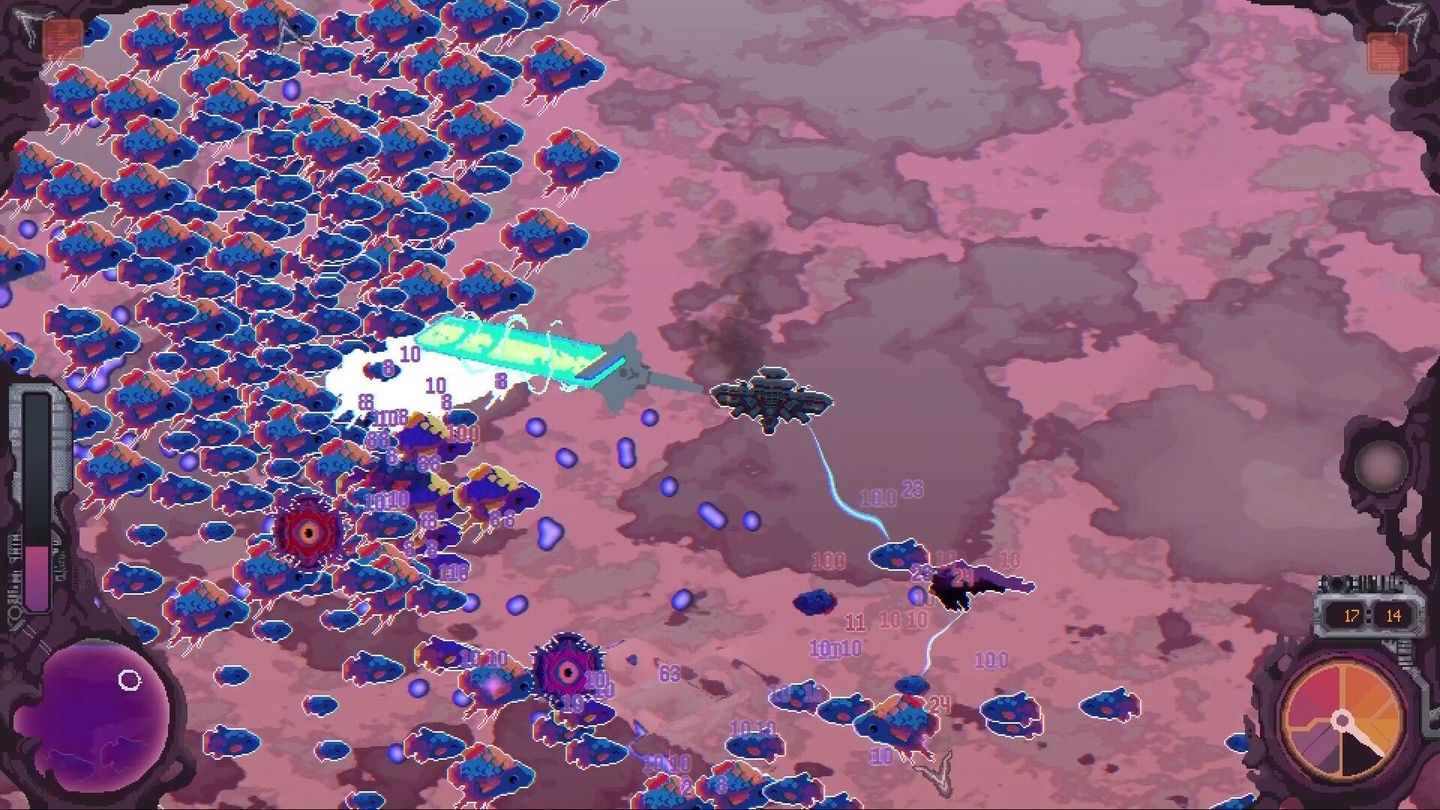
At its core Cloudbreaker is a bullet heaven shooter. Biotes, the remnants of biotech experiments, swarm in patterns that demand movement and pattern reading. Bosses and mini-bosses add punctuated tests for your builds and skills. The overcharge healing mechanic encourages aggressive play: pushing forward and trading damage for sustain can be just as valid as defensive flight.
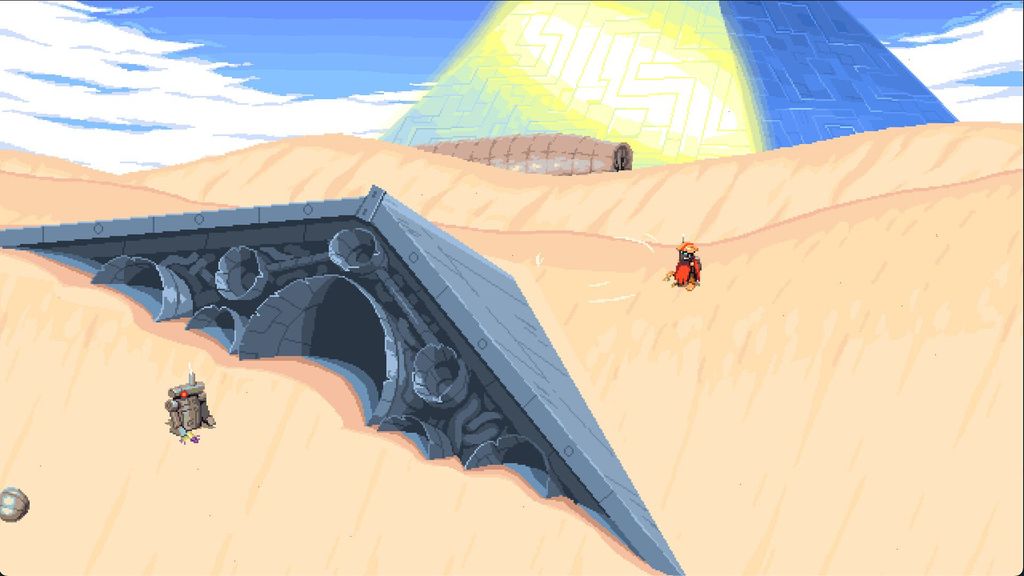
Sky Islands hide powerups, resources, and materials you need to craft stronger engines. Difficulty modifiers let you replay stages with added challenge for commensurate rewards, and an Endless Mode tests a crafted build to its limit. The game promises devious enemies that force adaptation and weapon upgrade trees that reshape how your firepower behaves.
Modes, controls, and platform notes
Cloudbreaker supports keyboard and mouse as well as controller input, and it includes Steam Deck support. Expect the usual roguelite mix: runs that end in spectacular failure, but carry lessons and unlocks forward.
Why to watch Cloudbreaker
If you like your shooters with a brainy twist, Cloudbreaker is worth an eye. It takes the visceral joy of Bullet Heaven combat and pairs it with a tangible, repeatable puzzle in the Engine Grid. The promise is a roguelite where careful placement and ship-specific layouts reward thinking ahead as much as twitch skill.