

Shifting Sands: Storm, Salvage, and the Daily Reset
Sand in your lungs, scrap in your pack, and a storm on the horizon. Shifting Sands puts you at the heart of a simple but brutal loop: wake at the Nexus, push into a desert that reshapes itself every day, scavenge whatever you can, and race back before the storm erases everything.
The hook is neat and cruel. The world forgets overnight. You do not. Your upgrades, grudges, and hard-earned knowledge persist. That tension between fleeting opportunity and long-term progression is the game.
The Nexus and the Daily Reset
The Nexus is a safe point and the social hub. Each morning you set out from its shadow. Each evening the sandstorm sweeps the map clean and scatters wreckage somewhere new. That daily reset is not just cosmetic. It makes every expedition feel fresh. Yesterday's safe route might be a dune wall today, and a hulking freighter can surface where there was nothing.
That procedural churn creates a nice balance: exploration rewards quick thinking and pattern recognition, while the persistent systems give you reasons to come back. Traders, scholars, and priests hang around the Nexus, and their offers change how you approach the wastes. Relationships carry forward. The world forgets. People remember.
A Scavenger's Life: Risk Versus Reward
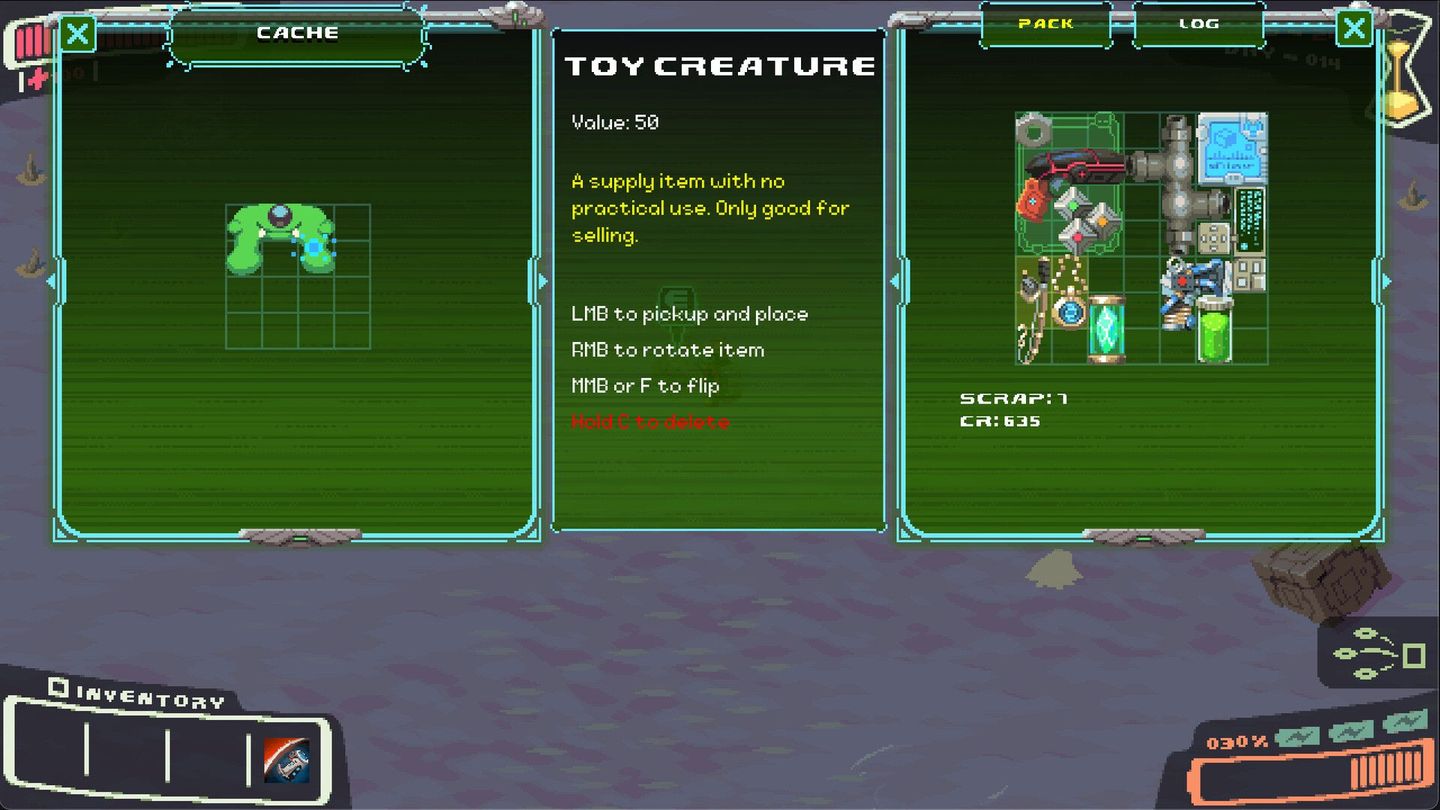
The core tension is inventory. Your pack has limited slots. Every piece of salvage is a choice. Common scrap will buy you reliable upgrades. Rare components can unlock tools that alter how you play, but they take up precious space.
Do you crack the sealed compartment on a half-buried wreck for xenotech that could change your next runs? Or do you leave it to avoid getting caught in the storm with a full pack? Those microdecisions build into a larger rhythm: scouting, looting, deciding when to push and when to turn back.
Combat exists, but it is rarely the fastest solution. Raiders, creatures, and spatial anomalies can be dealt with, avoided, or outrun. Time and energy spent fighting reduce your distance and increase the chance of being reset out in the open. The best scavengers know that preparation, positioning, and inventory choices often beat brute force.

Inventory Is Your Compass
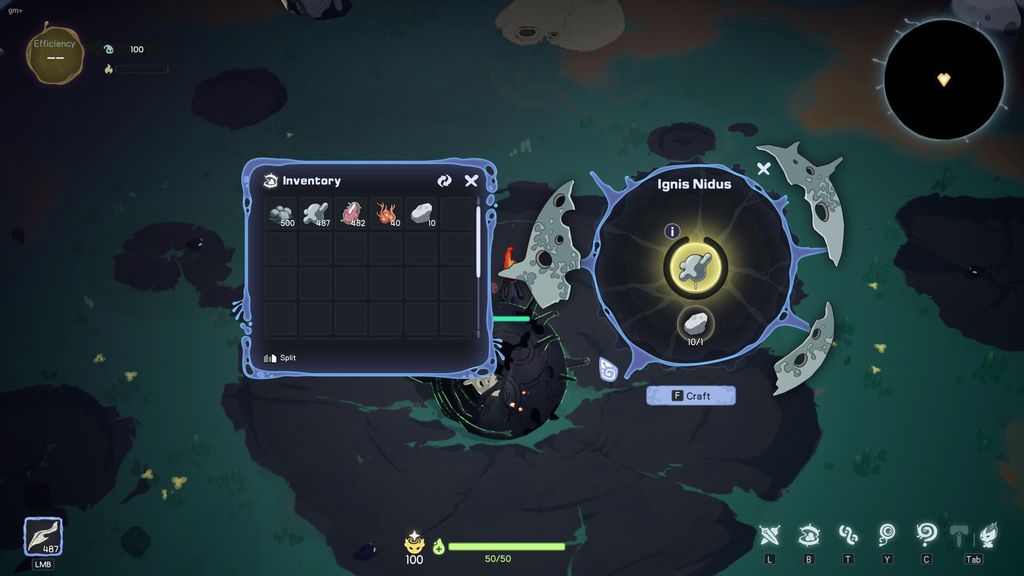
Inventory management is not busywork. It is the game inside the game. Every slot is a bet. You will carry probability manipulators, cloaking modules, silt shoes, scanners, or heavier tools that let you access sealed compartments. Which you choose defines your run.
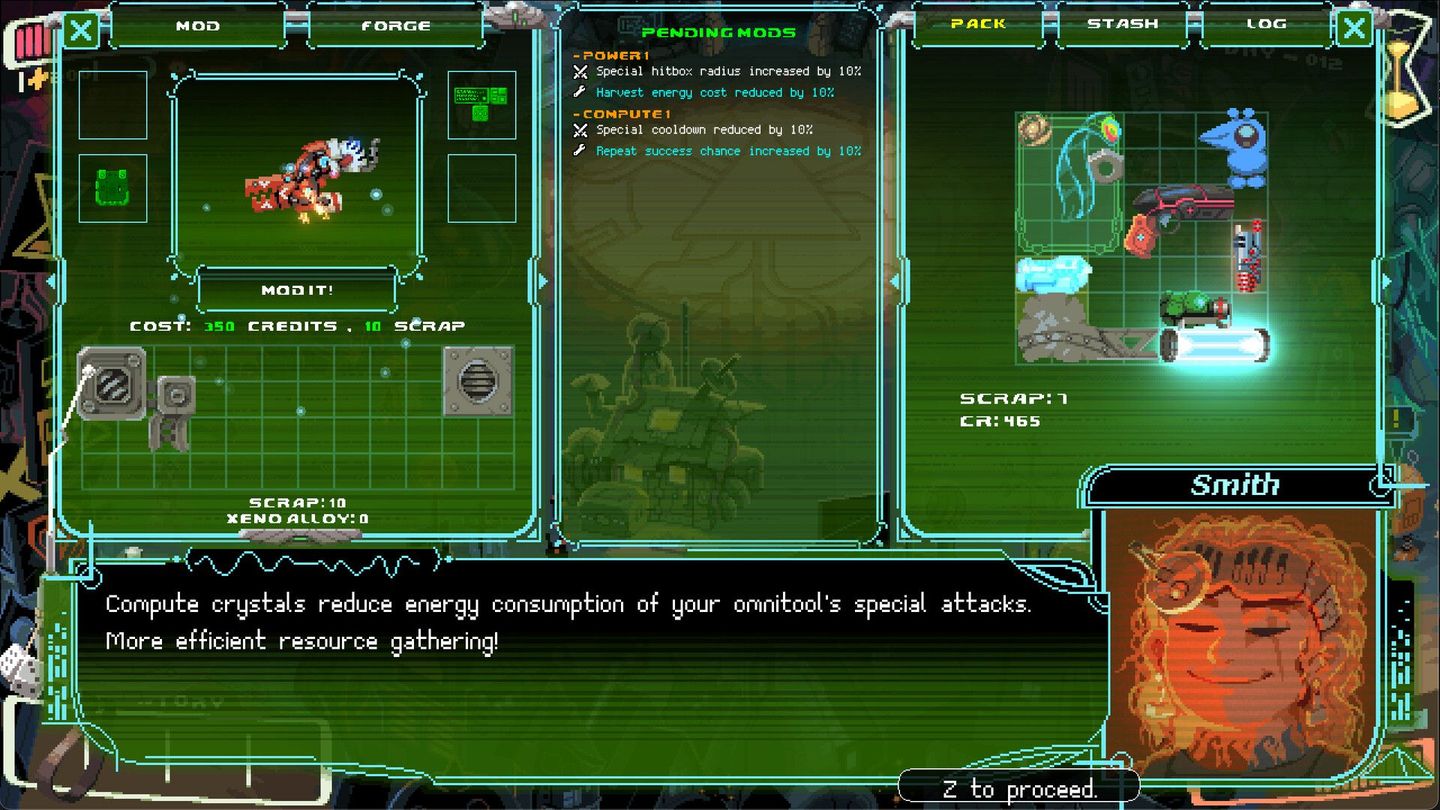
Back at the Nexus scrap becomes upgrades. A scanner pings buried caches. Reinforced boots change traversal. A torch opens sealed bulkheads. Modular gear lets you experiment with builds that fit your style. You will not unlock everything in one playthrough, and that deliberate scarcity makes choices feel meaningful.
Upgrade, Build, Repeat
Shifting Sands leans into roguelite progression. Upgrade trees and modular gear mean your scavenger evolves across runs. Some upgrades make you faster. Some make you tougher. Others open entirely new paths. The desert will still reset, but your options grow.
There is no single correct build. Equip a cloaking device and play ghost. Take heavier modules and brute through danger. The systems encourage adaptation. When a strategy fails, you learn a new angle for tomorrow.
Survivors, Deals, and Betrayals
The people at the Nexus are more than vendors. Story driven NPCs remember favors, keep grudges, and trade information that can change your next expedition. Help the right person and doors open. Side with the wrong crew and opportunities close. In a place that forgets everything else, social capital matters.
Those relationships add a layer of continuity to an otherwise daily-reshuffling world. Choices ripple outward, and sometimes the payoff is a small tip that keeps you alive on a run you would have otherwise lost.
Pixel Sand, Tactical Choices
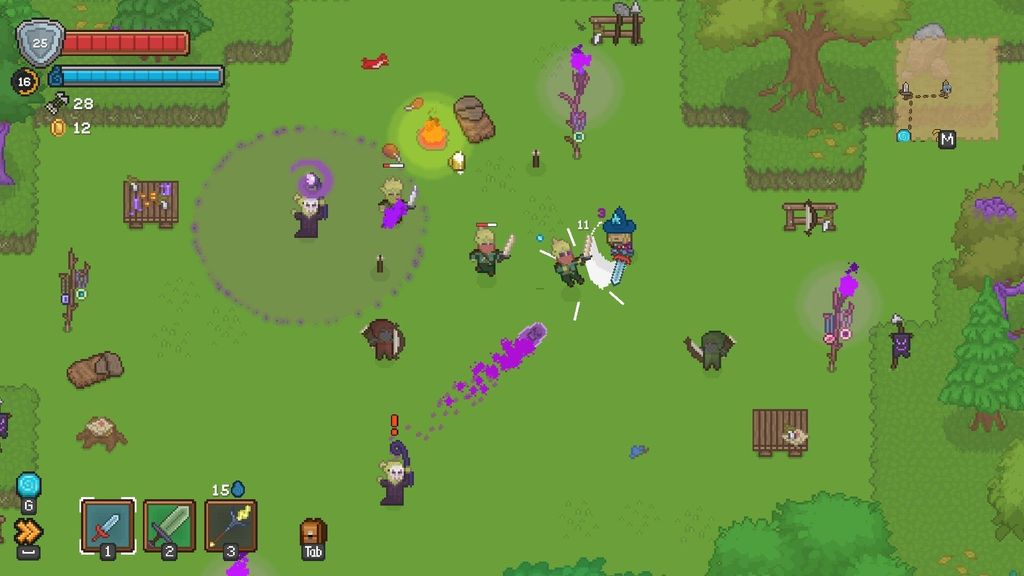
Shifting Sands pairs real-time isometric exploration with handcrafted pixel environments. The visuals lean into classic wasteland motifs with sci-fi flourishes. Procedural expeditions, a salvage economy, and tactical-and-avoidable combat push the gameplay toward thoughtful decisions rather than twitch fighting.
If you like games where every haul feels earned and every missed opportunity stings, this one is worth watching. The core questions stay sharp: how much do you risk for a component that might change everything, and when is running the smarter strategy than standing your ground?
What will you risk to escape the shifting sands?