

Spellsanity: Wizard Survival
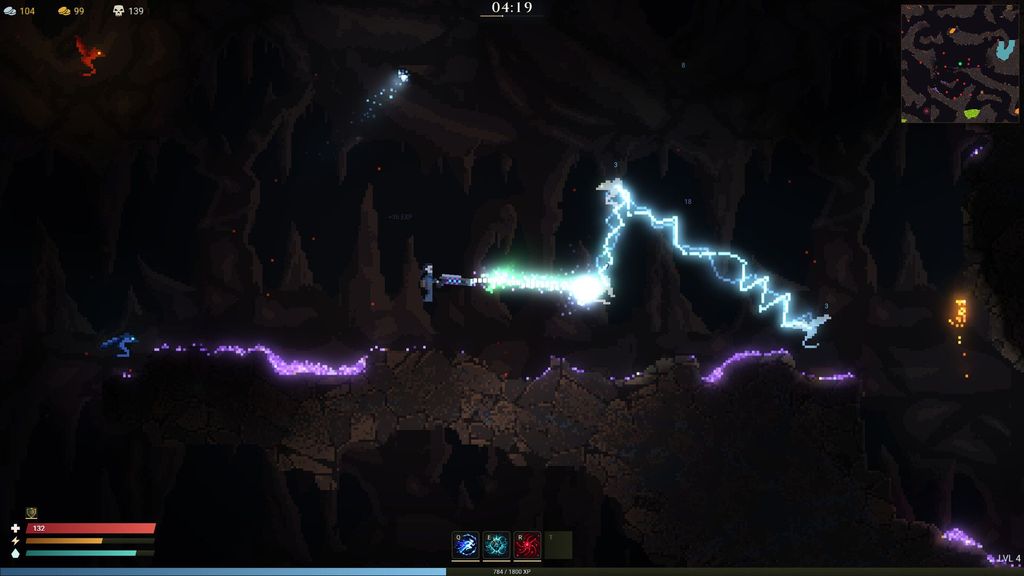
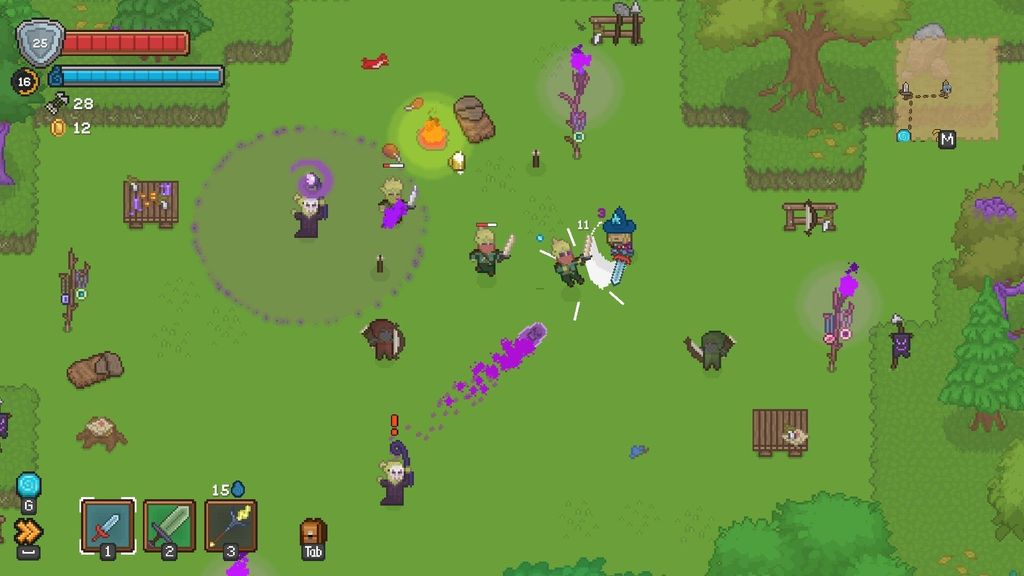
You wake bound to the dying World-Tree with no memory and a single, grim job: cleanse five realms of an arcane corruption and try not to lose what remains of your mind. Spellsanity: Wizard Survival is a dark fantasy survivors roguelite built around bullet heaven combat, draftable spell builds, and a progression loop that rewards repeated failure as much as success.
The premise is neat and a little cruel. The Archkeeper tore open the World-Tree and arcane power leaked into the realms. You are the last keeper, tied to the Tree so tightly you cannot truly die. Fall, return, and try again. Each run asks you to draft a new set of spells, mix them with passives and gear, and see how far your sanity - and build - can carry you.
Draft your spells every run
Spellsanity leans hard into the joy of procedural builds. Each run you pick spells and passives from a changing pool as you level. Those spells can evolve into stronger forms, and the real fun comes from chasing synergies that transform a solid run into a ridiculous one. Your starting spell is determined by your staff, which gives every playthrough a clear identity from the first encounter.
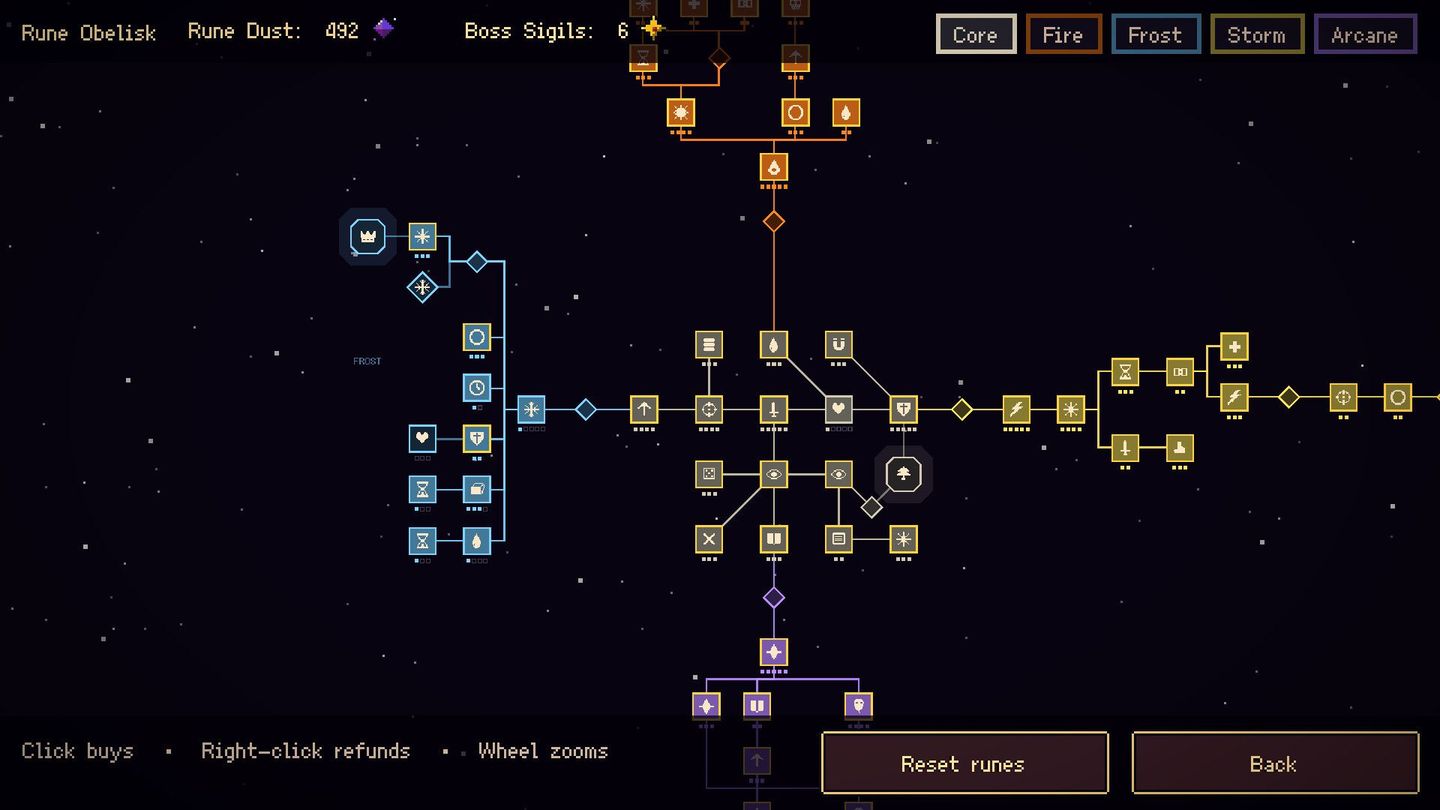
This isn't just loot and numbers. The choices feel meaningful because the game layers in tradeoffs. The magic you take from the corrupted world costs sanity. Keystones on the Rune Obelisk will let you trade one strength for another. It sounds like a systems puzzle that rewards creative experimentation more than strict optimization.
Five withered realms to cleanse
The campaign sends you through five distinct, withered realms: the Verdant Plains, the Ember Wastes, the Frostspire Peaks, the Stormveil Reach, and the Obsidian Abyss. Each realm brings its own creatures, environmental hazards, and a guardian boss that stands between you and the next stretch of the story. Clear a realm and a red portal opens beside the way home leading into the Depths, an endless mode that challenges you to see how deep you can go.
The world design sounds built to keep runs feeling varied. Shrines dot the realms and offer choices that heal, arm, test, or tempt you, so route planning and on-the-fly decision making matter as much as your draft.
Loot, the Sanctum, and long-term growth
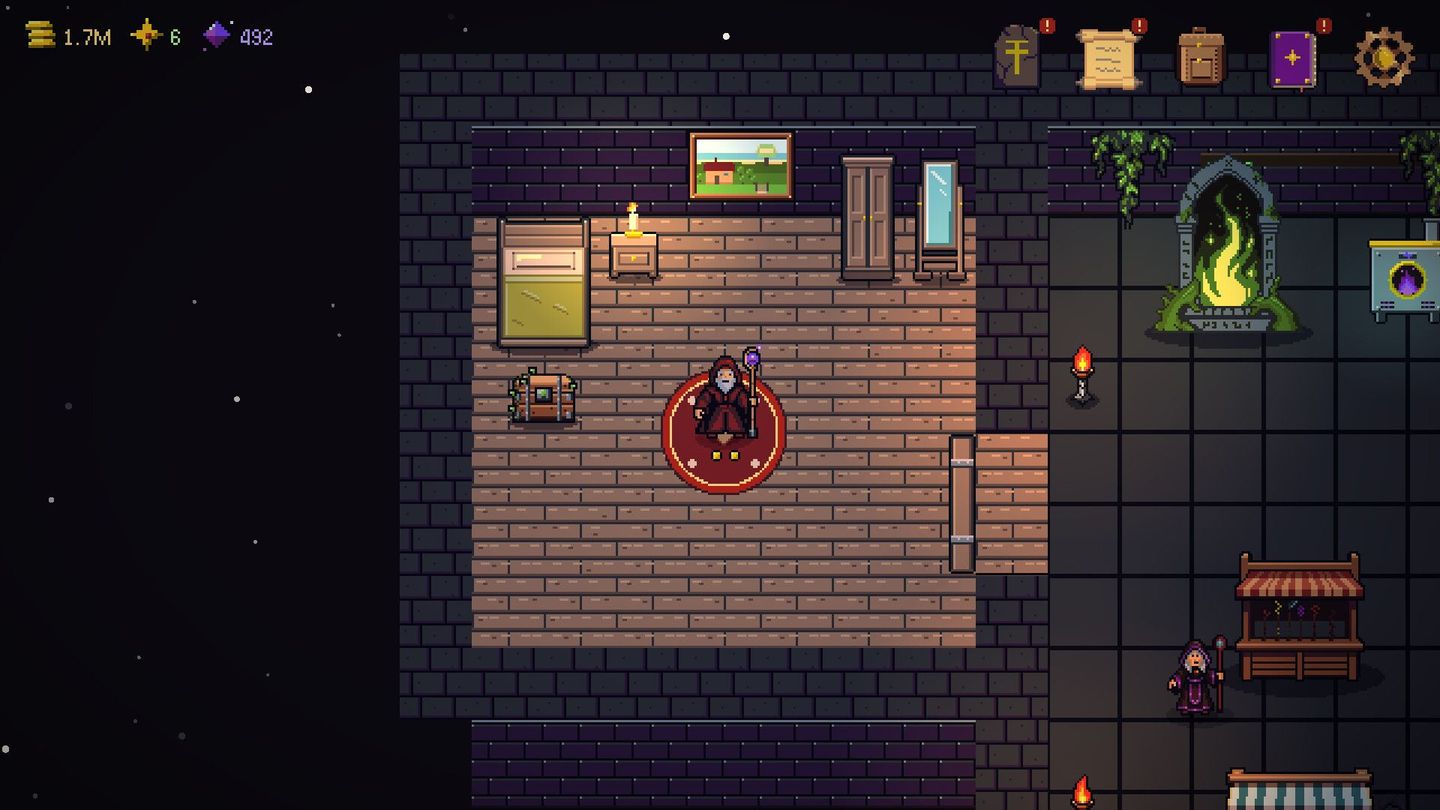
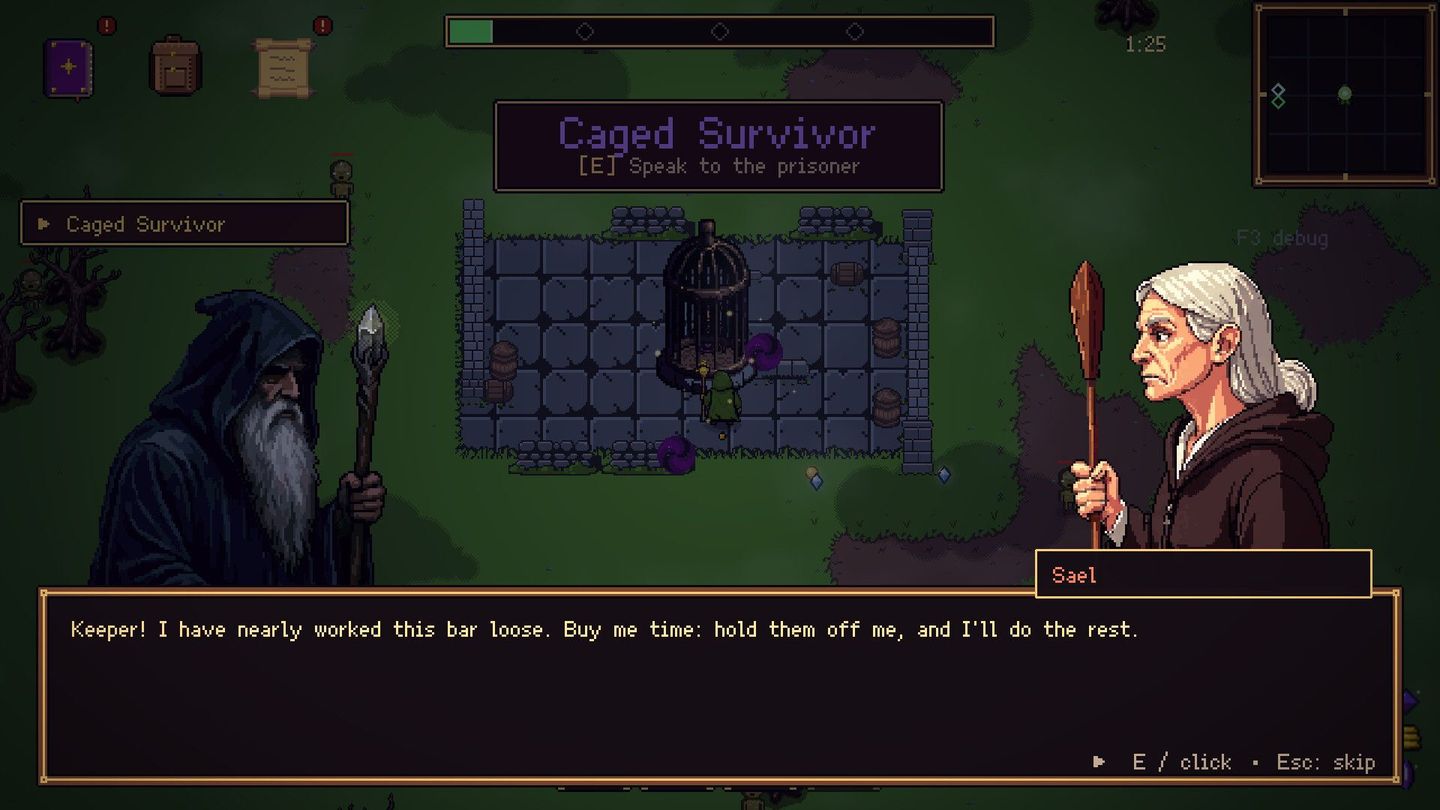
Loot influences play in clear ways. Gear rolls affixes and unique items can bend the rules; certain staves change your starting spell and thus the way you build. Between runs you return to the Sanctum beneath the World-Tree. It starts empty, but as you rescue vendors and free NPCs in the realms they set up shop and the Sanctum comes to life. That hub is both narrative and functional, giving you a sense of progression that ties runs together.
Rune Dust earned in runs is spent at the Rune Obelisk on a skill-tree. The Obelisk offers raw power upgrades, new status effects for spells, and keystones which trade one advantage for another. Boss sigils unlock deeper branches, so beating tougher foes directly expands your long-term options.
Shrines, Ascendancy, and the Depths
Cleared realms can be revisited with the Withering turned up. That increases difficulty and loot quality, and it feeds into an ascendancy loop where a keeper grows stronger with each rebirth. For players who crave a leaderboard, the Depths provide an endless mode with no return, plus a weekly ranking to measure how far your build can push.
The presence of risk-reward mechanics at multiple scales - per-shrine choices, Obelisk decisions, and overarching ascendancy - promises runs that are rarely the same twice and that scale with player ambition.
A story that splits two ways
There is a narrative thread tucked into the roguelite loop. Something in the Obsidian Abyss recognizes you. Discovering who you are and learning what the World-Tree has hidden leads to a choice that reportedly produces two different endings. That gives the cleansing loop purpose beyond leaderboards and build variety.
Verdict impressions
Spellsanity looks like a thoughtful mashup of survivors roguelite pacing and rich spellcraft. Its core hooks are familiar but well arranged: draftable spells that evolve, randomized loot that reorients playstyles, a growing home base, and a rune-based meta-progression that rewards investment. The sanity cost mechanic adds a neat thematic edge to build choices and keystone trades.
If you like your roguelites with a tactical drafting layer and a dark fantasy coat, Spellsanity seems worth keeping an eye on as it fleshes out.