
Forsaken Lands: Survive the Red Storms or Die Trying
The premise is brutal and blunt. The outbreak did not creep across the globe. It exploded, went airborne, and extinguished almost everyone in minutes. What remained is a world where power flickers out after days, the plants glow strangely, and storms turn the sky red. The infected roam without mercy. One bite ends everything.
Forsaken Lands pitches itself as a hardcore, open‑ended survival sandbox where every choice matters. There are no NPC traders, no quest givers, and no safe zones. Your base, your skills, and your planning are the only things standing between you and a quick, nasty death.
A World Already Lost
This is not about saving the world. The story is the setting: a planet that ended in an instant and kept changing. The infected are not static threats. They are drawn to sound, movement, and the unnatural draw of the red storms. They roam constantly, leaving no guaranteed safe space.
That design choice changes the usual survival rhythm. You cannot rely on hubs or predictable NPC behavior. Every supply run could be the one that costs you everything. Loot becomes currency and risk rolled into one: better gear improves your chances, but better gear usually lies deeper in danger.
Dynamic Weather, Deadly Storms and Seasons
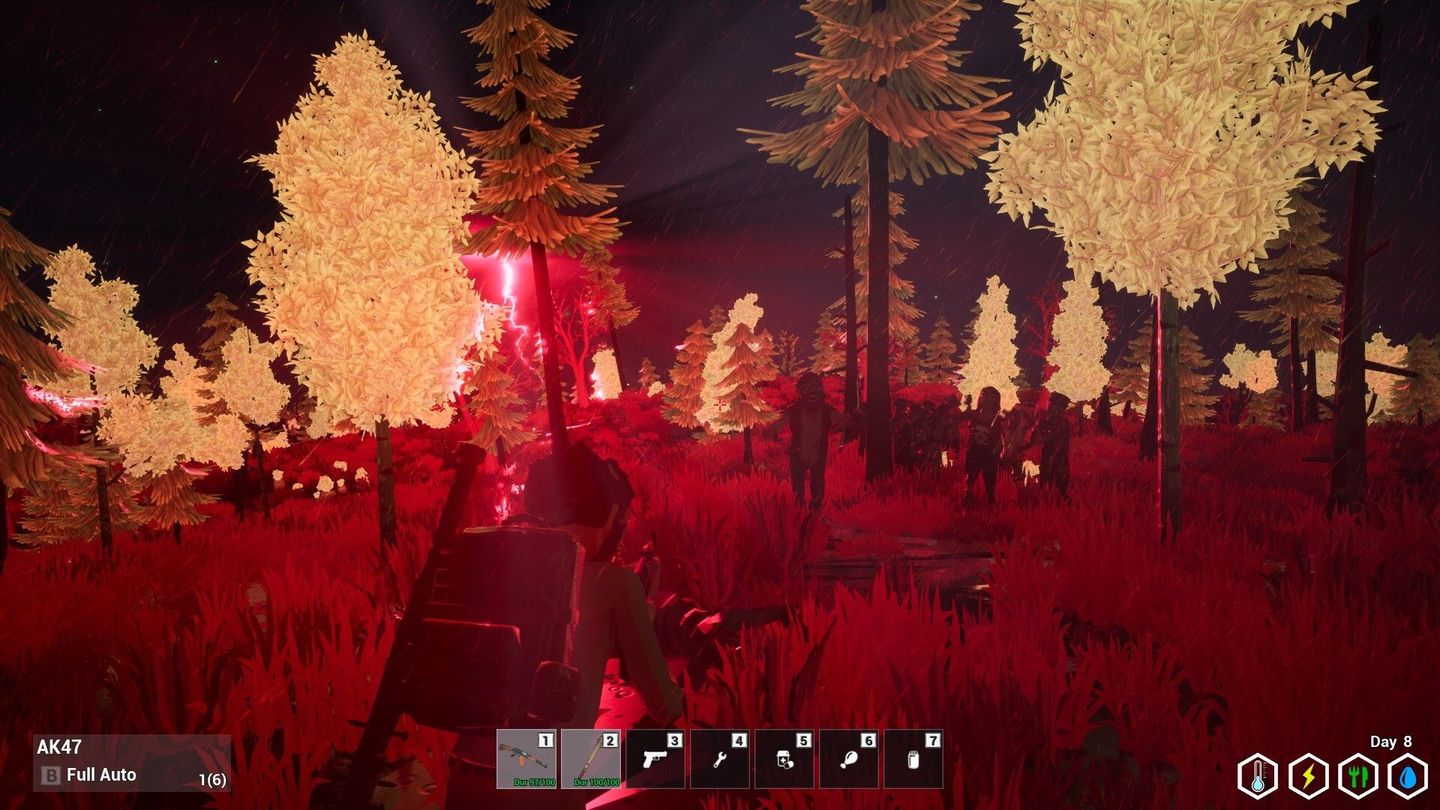
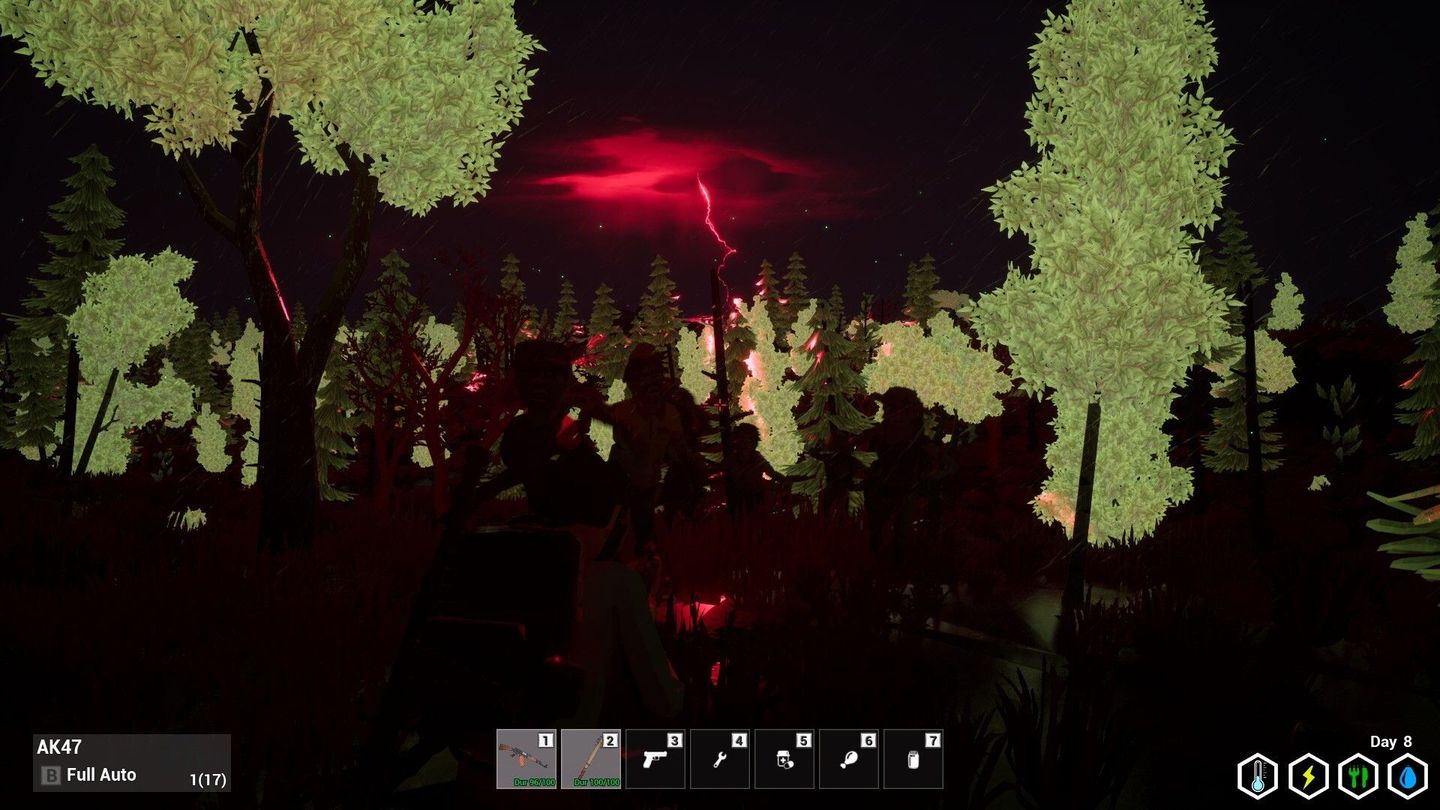
Weather in Forsaken Lands is more than ambiance. It is a strategic force. Normal conditions range from gentler rains to violent thunderstorms, but every 5 to 8 days the world gets far worse. A massive red storm sweeps in, lightning takes on a crimson hue, plants glow, and hordes gather with single-minded ferocity. If your base is not fortified, surviving that night may be impossible.
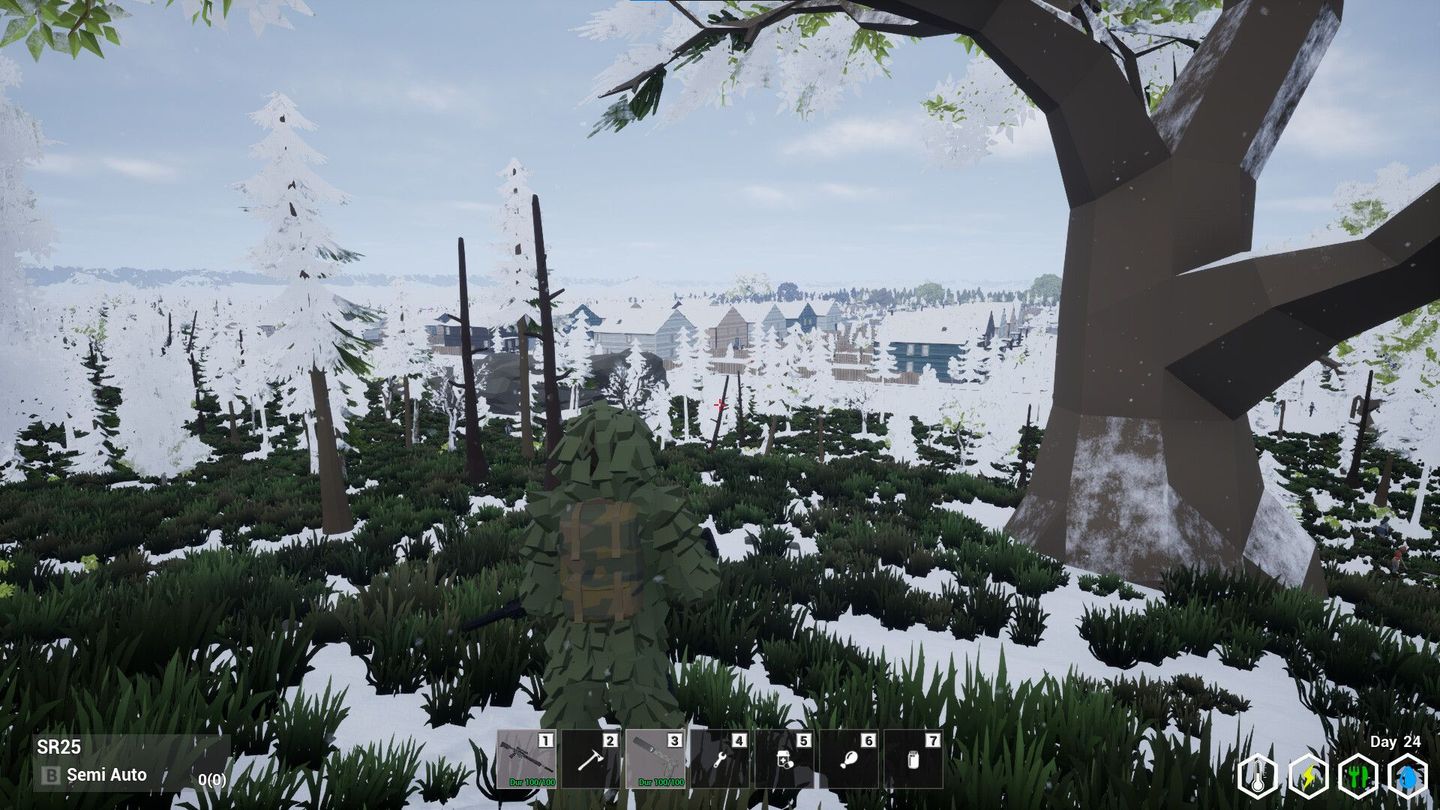
Seasons shift the rules again. The game begins in early spring and moves through summer, autumn, and winter. Each season brings its own hazards and opportunities:
- Summer: heat and intense storms.
- Autumn: fewer resources and rising scarcity.
- Winter: blizzards and freezing nights that punish the unprepared.
- Spring: floods and unpredictable weather patterns.
Players must adapt to changing weather cycles and plan long term, not just for the next day but for the next season.
Scavenge, Build and Push Your Luck
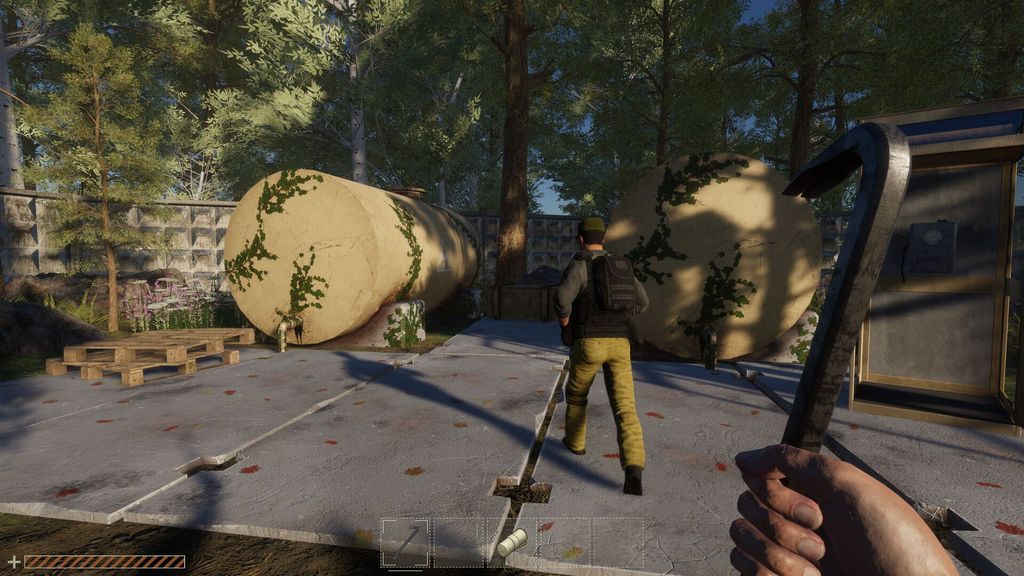
Exploration is loot driven. Abandoned homes, stores, cabins and hidden locations hide tools, weapons, crafting parts, food and medicine. The deeper and riskier the location, the better the rewards. That tradeoff is core to the loop: leave your base to improve it, or hole up and hope what you have will be enough when the red storm hits.
Base building is your lifeline. Crafting systems let you build barricades, traps, storage, and tools. You can farm, hunt wildlife, and manage supplies to survive the leaner months. Upgrading skills opens new recipes and improves efficiency, but every upgrade takes time and resources you might lose on a bad scavenging run.
Alone or With Friends
Forsaken Lands supports going it alone or teaming up with friends. The game's description emphasizes a solo experience that still accommodates co-op play, so the tension of a collapsing world can be shared. Whether you prefer methodical base management or chaotic, risk‑heavy raids for rare loot, the choice is yours.
There are no easy outs. Cooperative teams gain advantages in defense and scavenging, but more players means more noise and higher risk when the hordes come. Planning and coordination will be as important as gear.
How Long Can You Last
Forsaken Lands is not selling heroism or salvation. It is selling a test: live long enough to see another season, another storm, another raid on your barricades. The game promises a dynamic, punishing sandbox where weather, seasons, and infected hordes force meaningful decisions. Prepare, fortify and prioritize, because in this world one bite really is all it takes.