
NIGHTMARE OPERATOR Brings Fighting Game Precision to Survival Horror
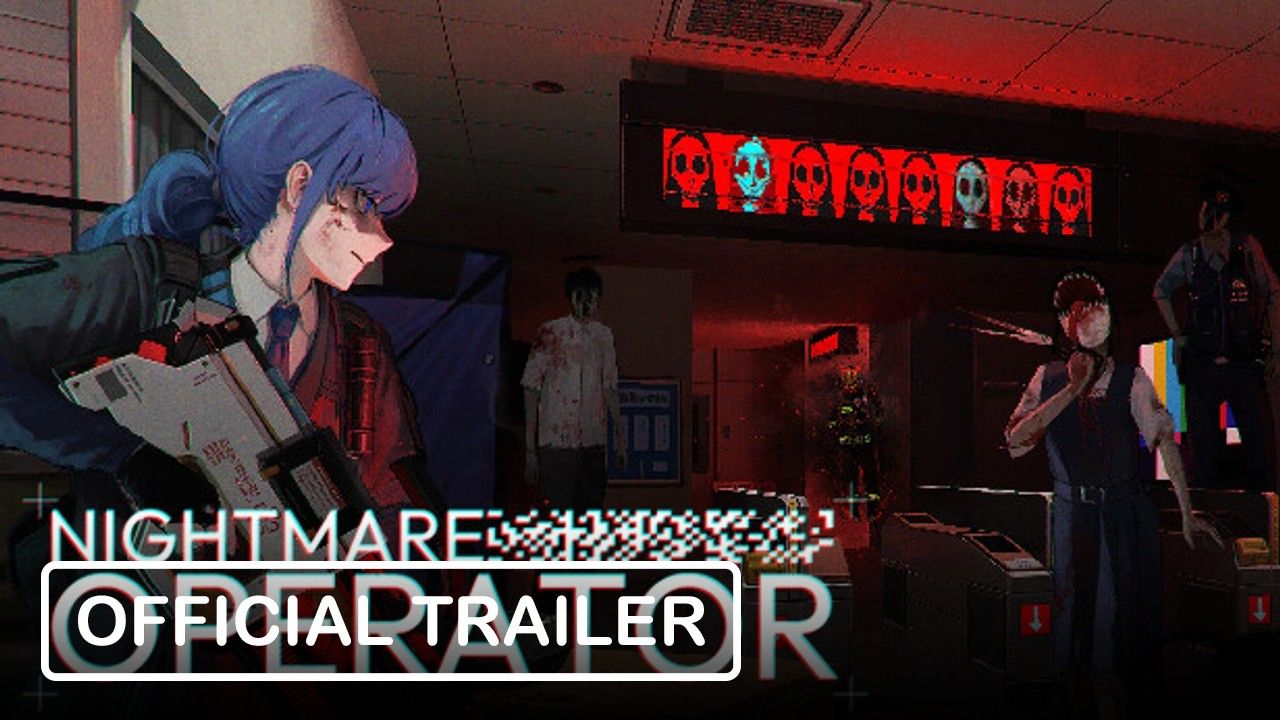
The year is 2036. Humanity has declined and the Quarantine City of Shin-Chiba clings to the last scraps of order. You play as Misha, a Public Safety Operator contracted by the Provisional Government to hunt Youkai among the haunted ruins of Tokyo. As she delves deeper she uncovers a mystery that might unmake what remains of civilization.
NIGHTMARE OPERATOR pitches itself as a third-person shooter action-horror, but the combat is not just about aiming and reloading. The game fuses the tense, deliberate shooting of classic survival horror with the skill demands and execution focus of fighting games. That means every encounter is equal parts dread and mechanical precision.
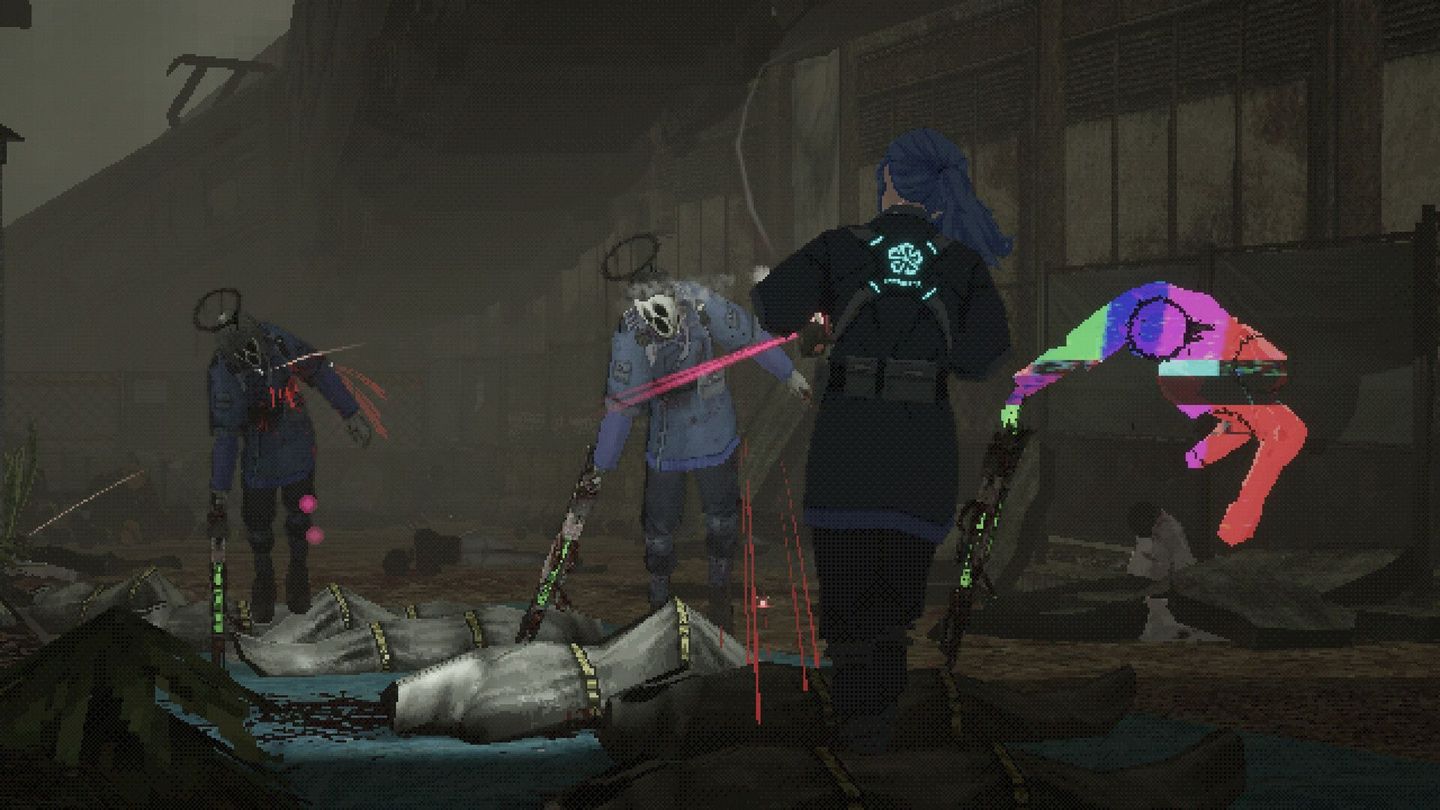
The Clutch System: Modular Gun Meets Command Inputs
At the heart of the combat is the Clutch System. Misha wields a Modular Gun that can rapidly switch between Weapon Modules using command inputs inspired by fighting games. Instead of simple weapon toggles, you perform inputs to call up different modules, chaining them into effective sequences.
That design nudges players to think in terms of combos. Which module goes in each Command Slot matters. You can slot crowd control, burst damage, or elemental modules and bind them to specific inputs. Efficiently dispatching Youkai demands cool-headed execution even as monsters close in on you.
The Clutch System rewards practice. Timing a module switch into a followup shot, or cancelling a reload into an elemental burst, can turn a likely death into a narrow escape. It is survival horror with a steep but satisfying learning curve.
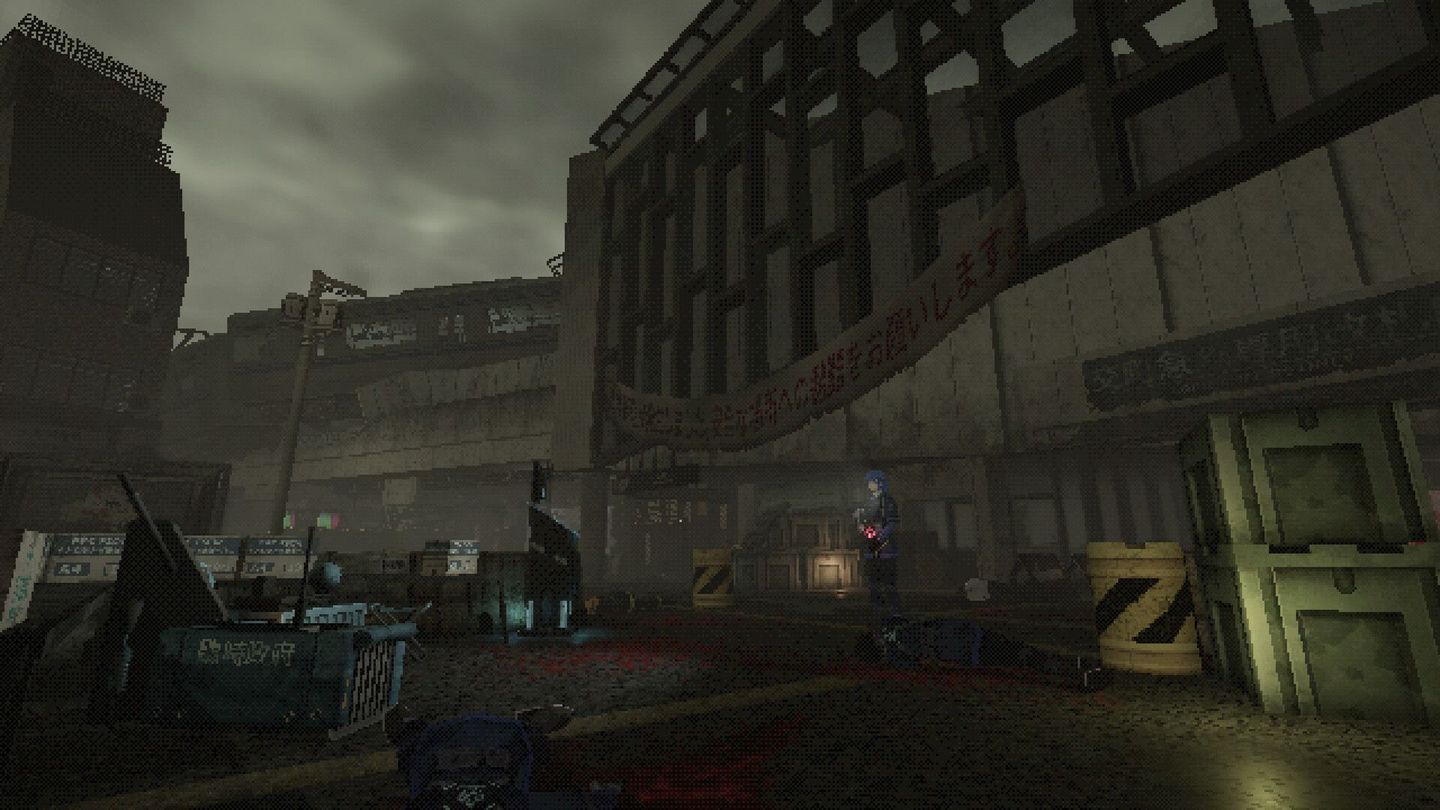
Youkai, Status Effects, and Tactical Variety
The enemies are drawn from urban legend and Japanese folklore, but the game emphasizes that these are the monsters the stories were based on. They will not always look like their textbook counterparts. Expect familiar names with unfamiliar, uncanny twists.
Weapon Modules carry different elemental damage types and powerful status effects. Freeze can lock a Youkai in place, stun opens a window for a combo, and bleed punishes evasive foes over time. Part of the game is learning when a particular shot will make an enemy stagger, when it will simply annoy them, and when it will leave you exposed.
Build variety matters. Discovering new modules while exploring lets you tailor your loadout to your playstyle. Some players will lean on methodical traps and control. Others will practice lightning-fast inputs to burst and switch between modules midfight.
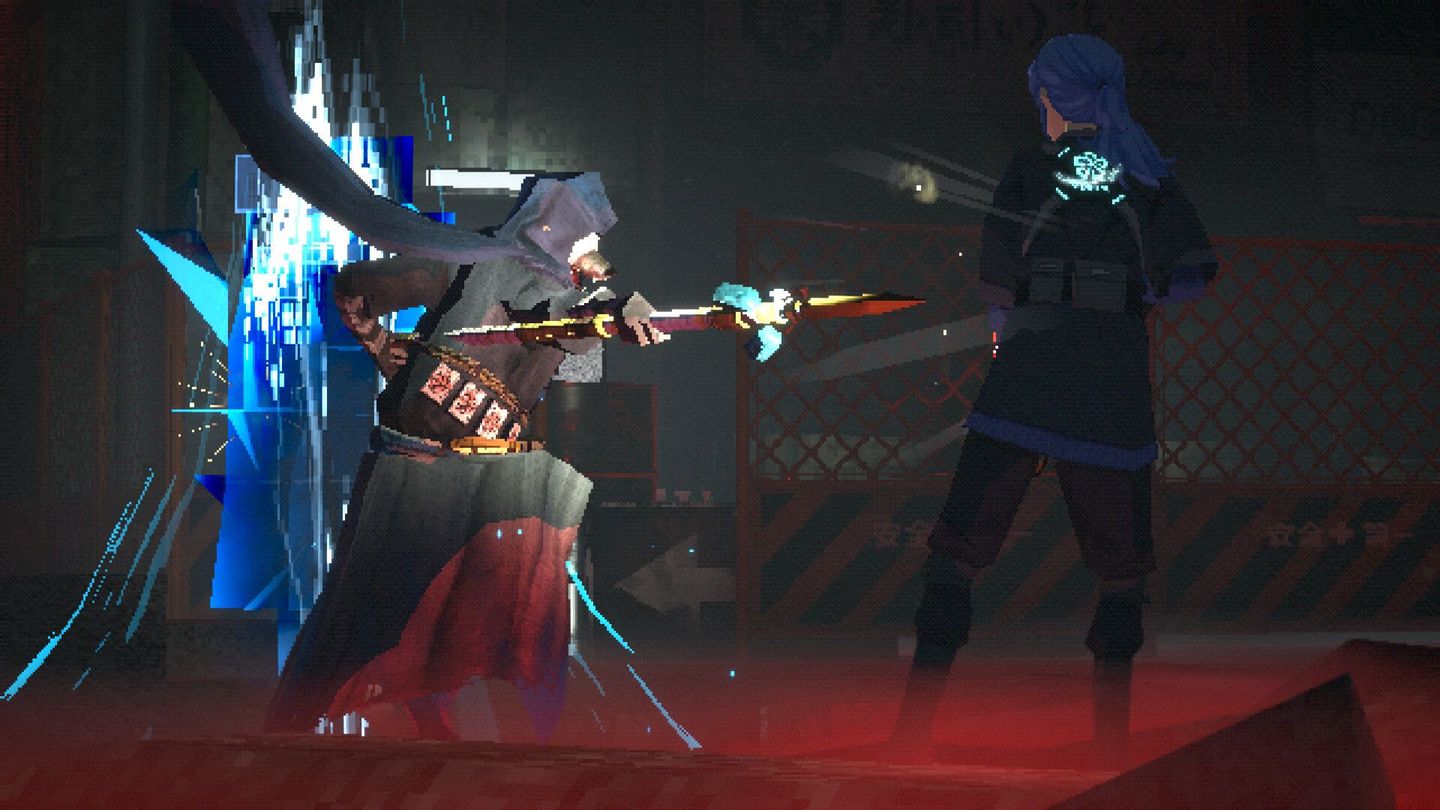
Lo-Rez Tokyo, Nomikai, and Worldbuilding
Visually the game leans into a low-poly aesthetic that nods to the early days of 3D gaming. Districts and landmarks of Tokyo are evoked in a stylized, lo-rez form that contrasts nicely with the grotesque, high-concept designs of the Youkai.
Between missions Misha and her team decompress with nomikai at a local izakaya inside the Quarantine City. Those downtime moments are not just decoration. They let players sift archives from the broken world, interact with the people left in Shin-Chiba, and get a sense of the social fabric that survives amidst ruin. There is also a playful appetite mechanic that celebrates low-poly izakaya fare.
NIGHTMARE OPERATOR reads like a promise: tense, shoot-first moments steeped in atmosphere, wrapped around a combat core that asks you to master inputs and timing. If you like survival horror that demands both patience and precise execution, this one is worth keeping an eye on.