
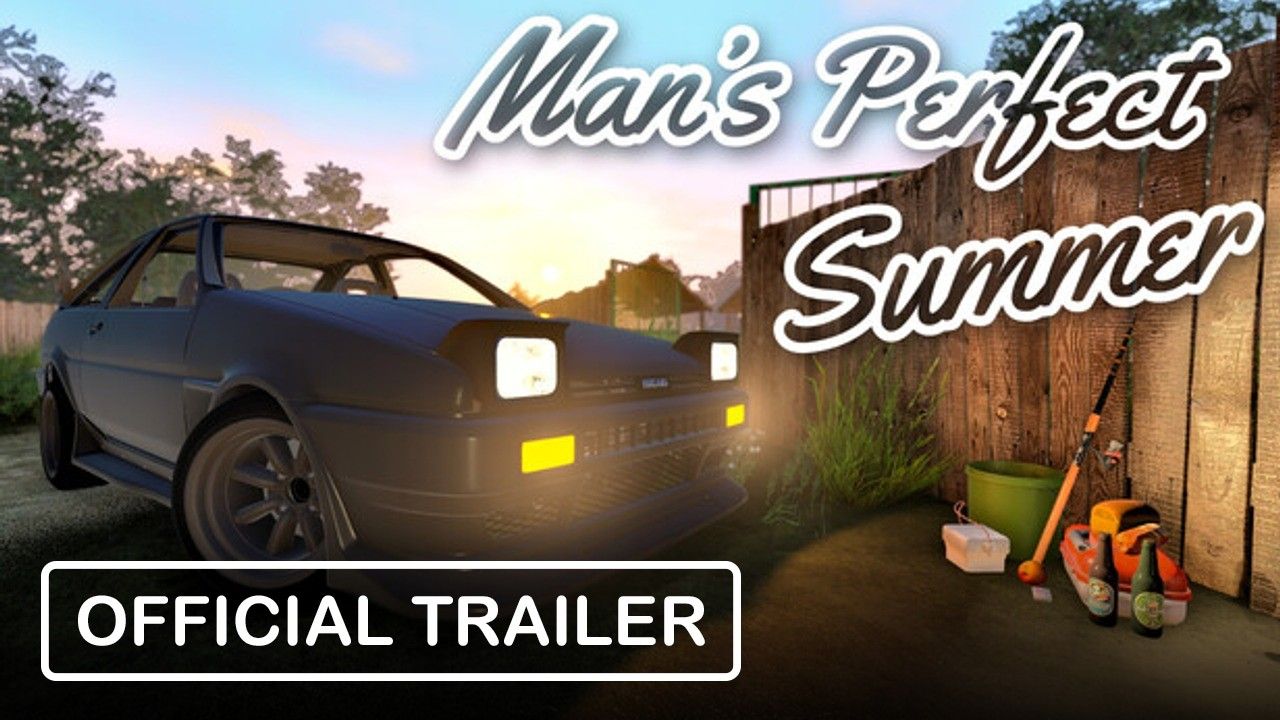
Man's Perfect Summer Puts Grease Under Your Nails and Village Life in Your Hands
It is the summer of 2007. You are nineteen, you failed your university exams, and you have the months before resits to look after the family home in rural Belarus. Man's Perfect Summer turns that premise into a first-person open-world sim where daily life and mechanical work fold into each other. You earn money, study for exams, build relationships, and slowly turn a half-finished car into something you can actually drive with pride.
The appeal is simple and specific: intimate systems that reward patience. The game asks you to manage food, fuel, tools, and parts, and to choose how to spend your time. Do you hustle after reliable gigs, take risky favors for scarce parts, or spend the day tuning Hikari in the garage? Every choice nudges both your car and your life forward.
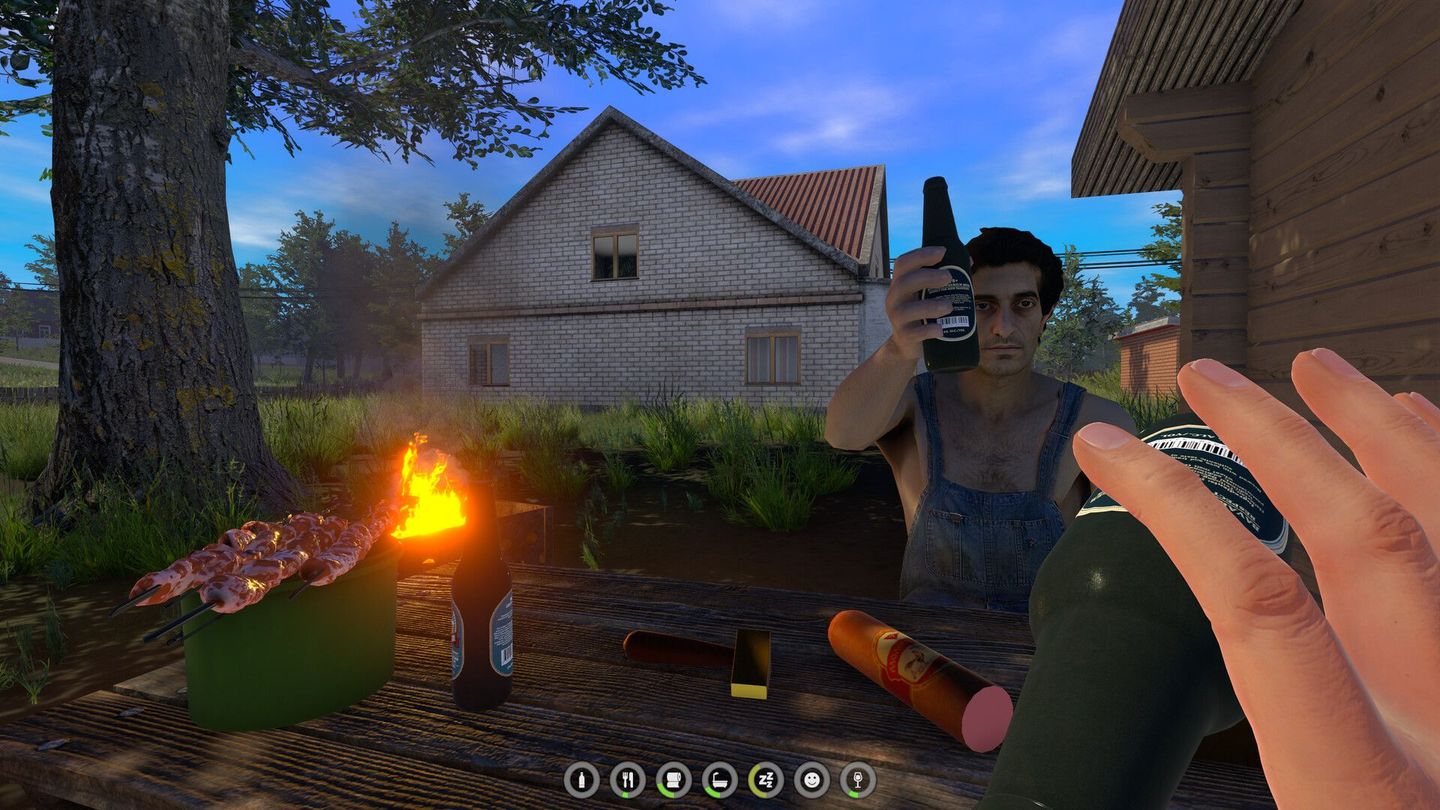
Earn Your Way
Work fuels everything. Food, fuel, tools, and replacement parts cost money, so you will need income to make progress. The game offers regular, dependable work like delivering groceries to nearby villages or preparing a rental cottage for incoming guests. Those jobs are a steady backbone for your summer budget.
Beyond that, favors and one-off tasks come from the people you meet. Tending gardens, feeding animals, fixing fences, fetching supplies, or giving a lift can all net you cash, parts, or social capital. Some opportunities depend on who you know and how you behave. Help a neighbour enough and they might lend you a hand finding a rare part or offer a temporary vehicle. Burn a bridge, and doors close.
Earnings are yours to spend, and balancing everyday expenses vs long-term investments is a core loop. Buy a better wrench now or save for a replacement carburetor later? Those decisions shape both the project car and your sense of independence.
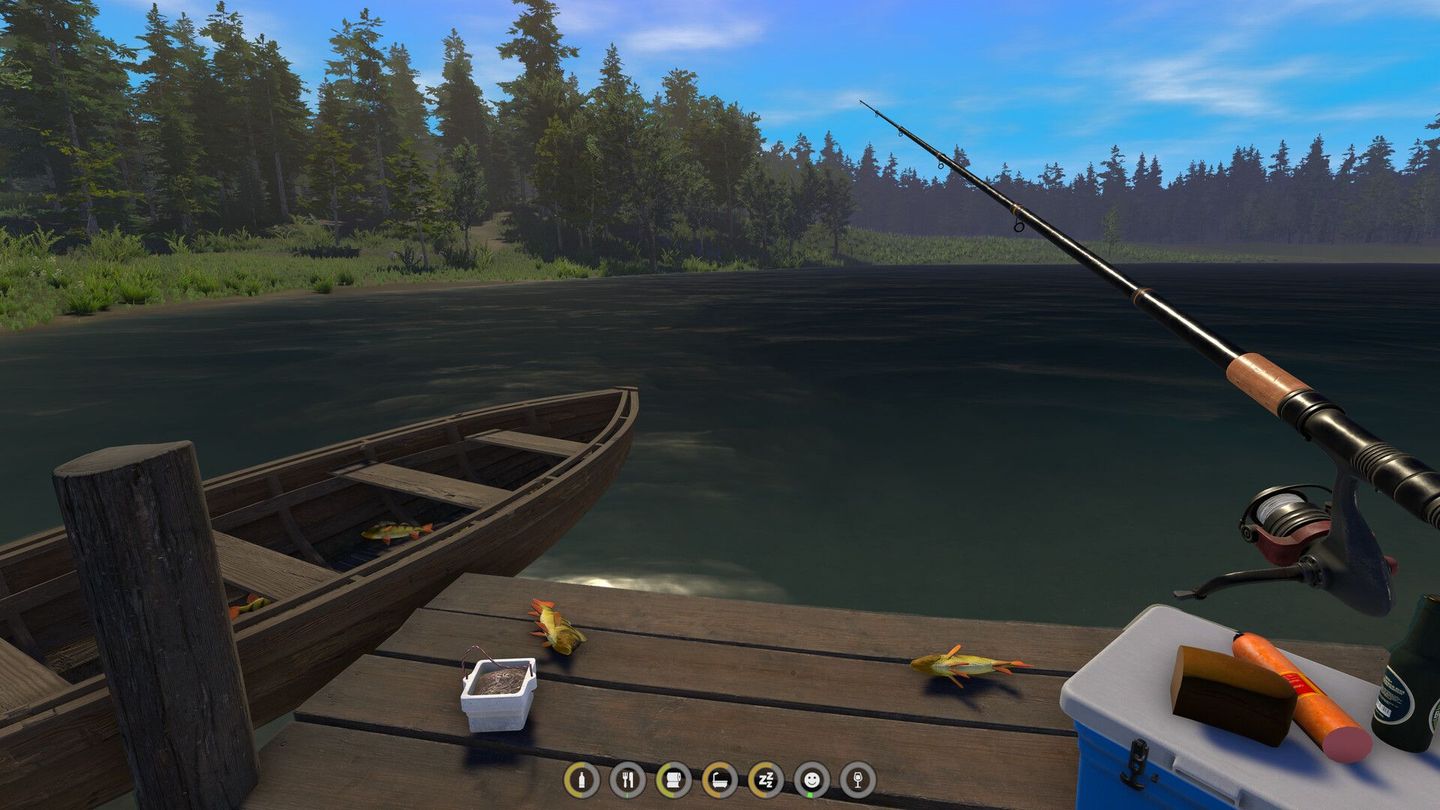
Build a Car of Your Own
Hikari is the centerpiece. This is not a menu-driven upgrades game. You physically carry panels, engines, and components in first person, position them, and use the correct tools to fit and fasten them. Mechanics are tactile: move parts around obstacles, line things up by hand, and tighten bolts yourself.
Installation is only the start. Parts wear out, systems need tuning, and mechanical failures happen. The choices you make when assembling and adjusting Hikari directly affect how it behaves on the road. The game makes upkeep meaningful: neglect fluids and belts at your peril, and learn to diagnose quirks through sound and feel.
Not everything is available in the local shop. Some components need ordering, trading, or a favour from a contact. That scarcity ties the car to the community and makes each upgrade a small story about how you got it, not just what you paid.
Driving and Vehicle Care
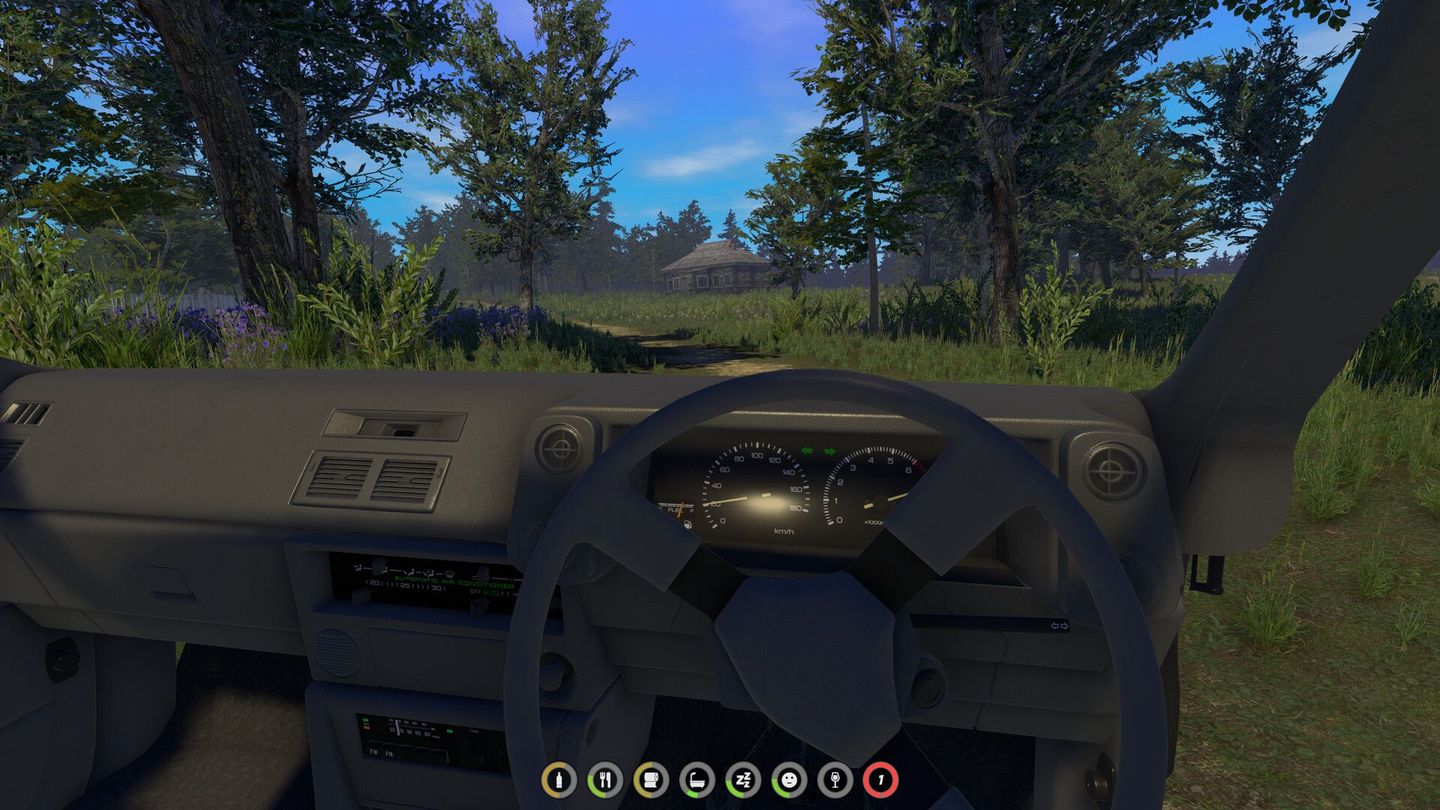
Driving aims to feel believable. Cars have weight, suspension, grip, and momentum, which affect steering, braking, and acceleration. Different vehicles react differently, and a worn car will handle very differently to a freshly rebuilt one. The same road can be a sleepy cruise or a white-knuckled ordeal depending on what you are driving and how it has been treated.
Hikari will be your main project, but it is not the only set of wheels you will use. Work, loans, and trades put different utility vehicles and cars in your hands - each demanding attentive care. Keep an eye on fluids and battery health, change tires when necessary, and avoid returning borrowed vehicles in a worse state than you found them.
For players who want deeper immersion, the game supports steering wheels in addition to keyboard and mouse.
Get to Know the Locals
People are part of the economy and the plot of your summer. Chat, help out, ask for favours, or make poor choices that earn you a reputation. Trust opens opportunities: reliable neighbours might offer work, lend tools, trade parts, or point you toward something hard to find. Conversely, treating people badly can close paths and make life harder.
Because it is a village, word travels. How you behave with one person can influence others, which makes relationships and social currency part of the gameplay loop. The social systems are not a separate feature - they are woven into earning, sourcing parts, and getting things done.
A Belarusian Summer, 2007
The map spans a handful of villages, connected mostly by paved roads with dirt tracks and forest shortcuts that save time or fuel if you are willing to take them. Mobile coverage is spotty in places, which makes some errands or waits feel more grounded. A missed call can be as consequential here as a flat tire.
Man's Perfect Summer is pitched at players who enjoy slow, grounded sims where systems are physical and social ties matter. If you like the idea of a humble, lived-in summer where fixing a rusted fender and earning a neighbour's trust feel equally important, this one looks worth watching.