

Debtbound Turns Debt into an Exploding Numbers Playground
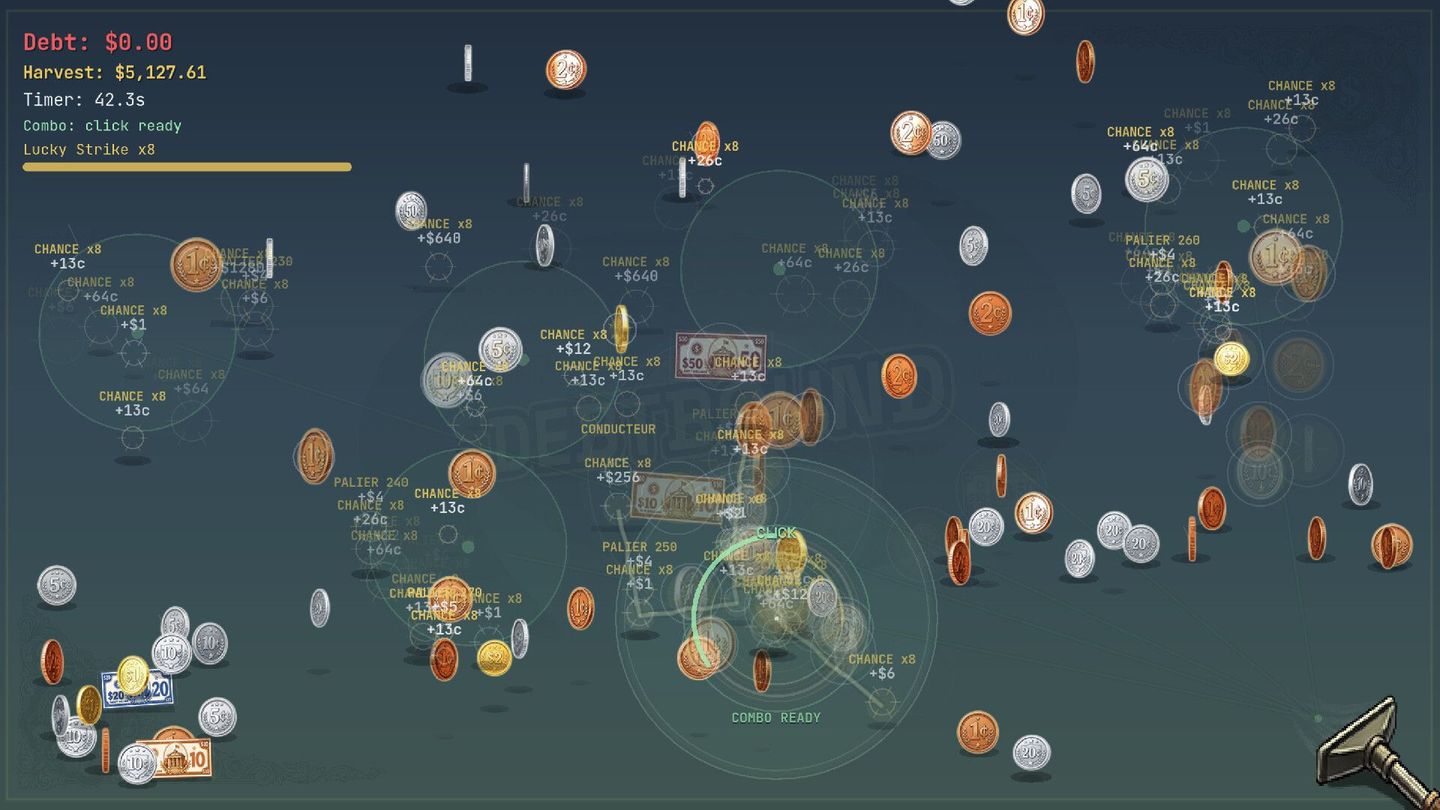
Debtbound strips away the usual padding of idle games and focuses on the joy of watching numbers go wild. You start flat broke and, run by run, climb out of the red: collect cash, pay bills, unlock upgrades, and eventually build a fortune. The game promises immediate playability - no long tutorials, no filler dialogue - just you, your reflexes, and a satisfying cascade of currency.
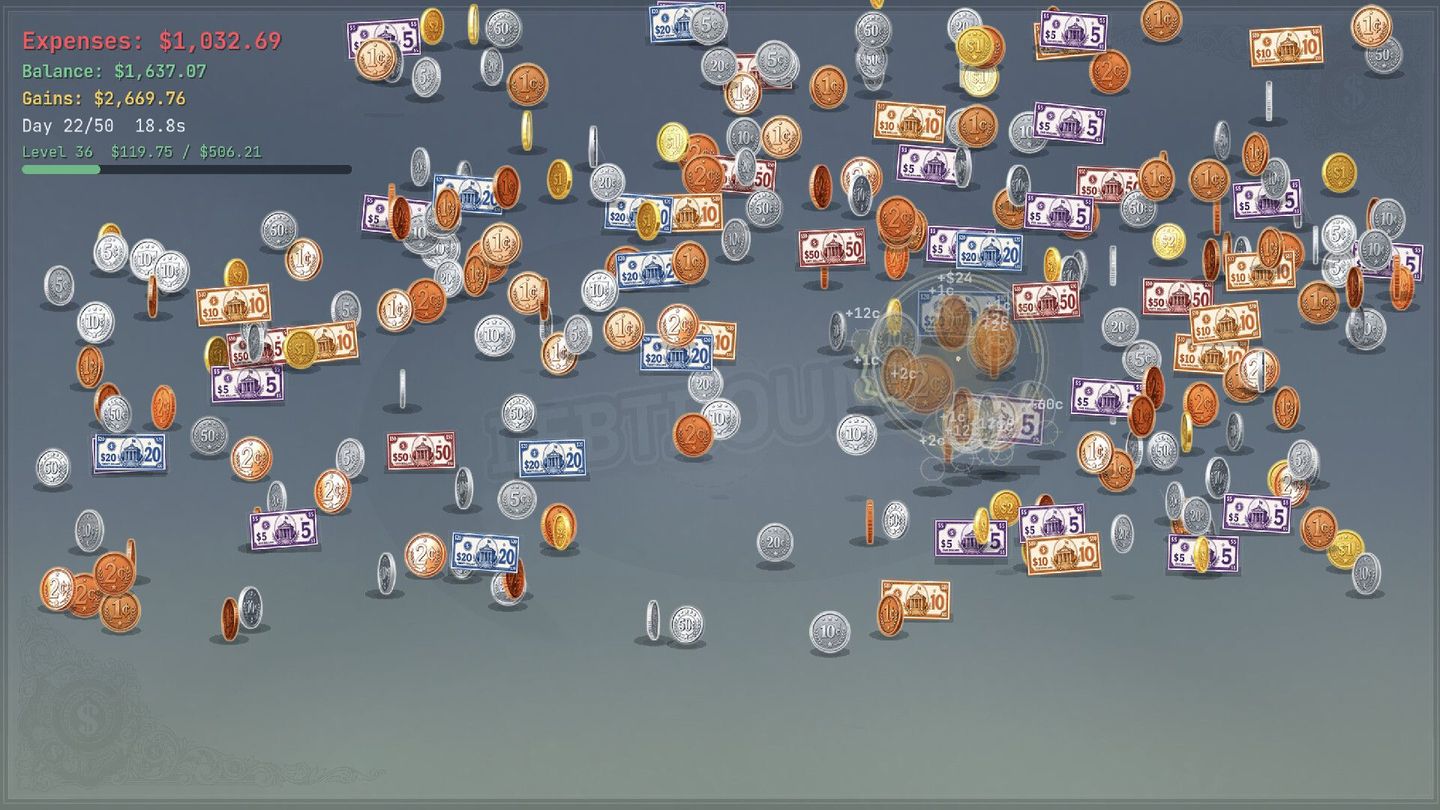
The visuals are clean, the soundtrack is chill, and sessions are short enough to fit into a commute or a coffee break. But don't mistake relaxed tone for slow gameplay. Active engagement rewards players handsomely as they click, tap, and manage choices to squeeze out the most cash each run.
Active, Chill Incremental Play
Debtbound favors activity over pure automation. Automation arrives, but your presence matters. Quick reflexes and timely inputs increase earnings and unlock more potent upgrades faster. This creates a loop that feels rewarding whether you're casually checking in for a few minutes or leaning in for a longer push.
Controls are intuitive and onboarding is instant. The goal is clear from the first moment: make money, improve your ability to make more money, and chip away at the debt until you don't even remember what "broke" felt like. For players who dislike three-hour introductions, Debtbound delivers immediate gratification.
Three Modes, Three Ways to Earn
Debtbound offers three different modes to keep runs fresh.
Classic Mode - The Debt: Short sessions focused on paying back what you owe. Each run unlocks permanent skill tree nodes that boost future runs. Variations and prestige options appear as you progress, letting you re-engage the same loop with new modifiers.
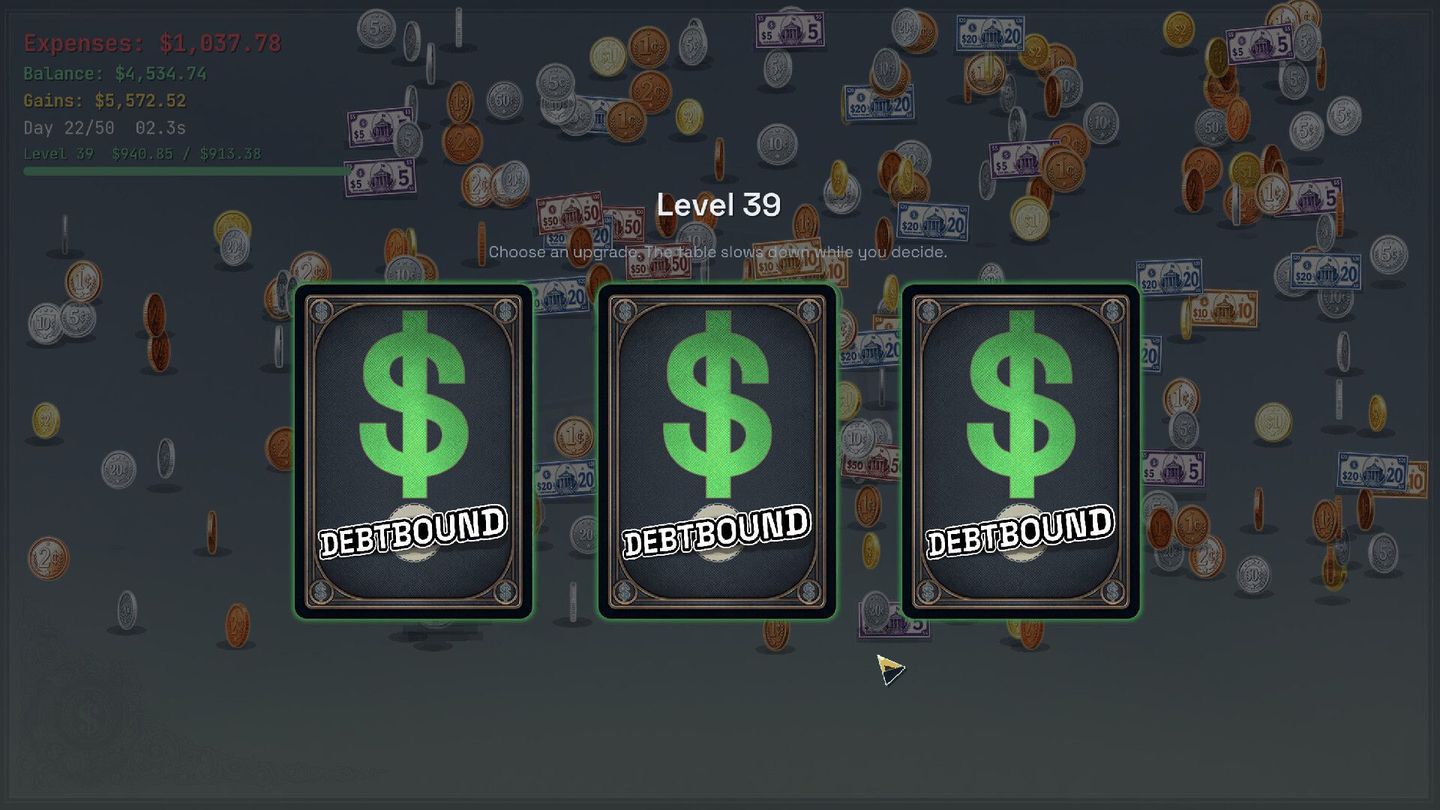
Survival Mode - The 50 Days: Manage escalating daily bills across a fifty-day stretch. Choose upgrade cards between levels, deal with random events that can help or hinder, and balance growth against risk.
Heist Mode - The Sprint: A timed, room-by-room dash where speed and choices matter. Open chests to grab cash quickly, but beware - chests can trigger positive or negative cards that alter the next rooms. This mode uses a separate skill tree focused on short-term boosts and high-risk rewards.
Each mode changes pacing and decision-making, giving players multiple ways to enjoy the same core mechanics.
A Massive Skill Tree and Fast Progression
One of Debtbound's big draws is its expansive skill tree. Upgrades persist across runs and let you specialize your playstyle - favor automation, click power, survival resilience, or heist-focused burst builds. Because progression is deliberately fast, you'll see meaningful improvements every session, which keeps the loop addictive in the best way.
The game balances instant fun with strategic choices: which permanent nodes to unlock, which temporary boosts to pick during a sprint, and how to react to the random events in survival runs. It's simple to grasp and rich enough to encourage experimentation.
Why Debtbound Works as a Relaxing Time Sink
Debtbound's charm comes from its tight focus. With no fluff and a comforting audiovisual package, the game turns a repetitive genre into a relaxing ritual. Short sessions, active moments that feel impactful, and visible growth make each run satisfying. Whether you want to slowly erase debt in Classic, survive a tense 50-day stretch, or sprint through vaults in a frantic heist, Debtbound hands you clear goals and plenty of cathartic number-crunching.
Get comfortable, start a run, and watch your virtual wealth snowball.
➡️ Check out Debtbound now on Steam