

Catalyst Core: Every Move Is a Setup
Catalyst Core makes a neat promise: every action you take matters not just now, but for the next turn. At its core it is a roguelike deckbuilder that blends card infusion, elemental reactions, and tactical positioning on a grid. Rather than relying on fixed elemental cards, you customize your deck on the fly by infusing ordinary cards with Pyro, Hydro or Dendro and then orchestrating reactions to break encounters wide open.
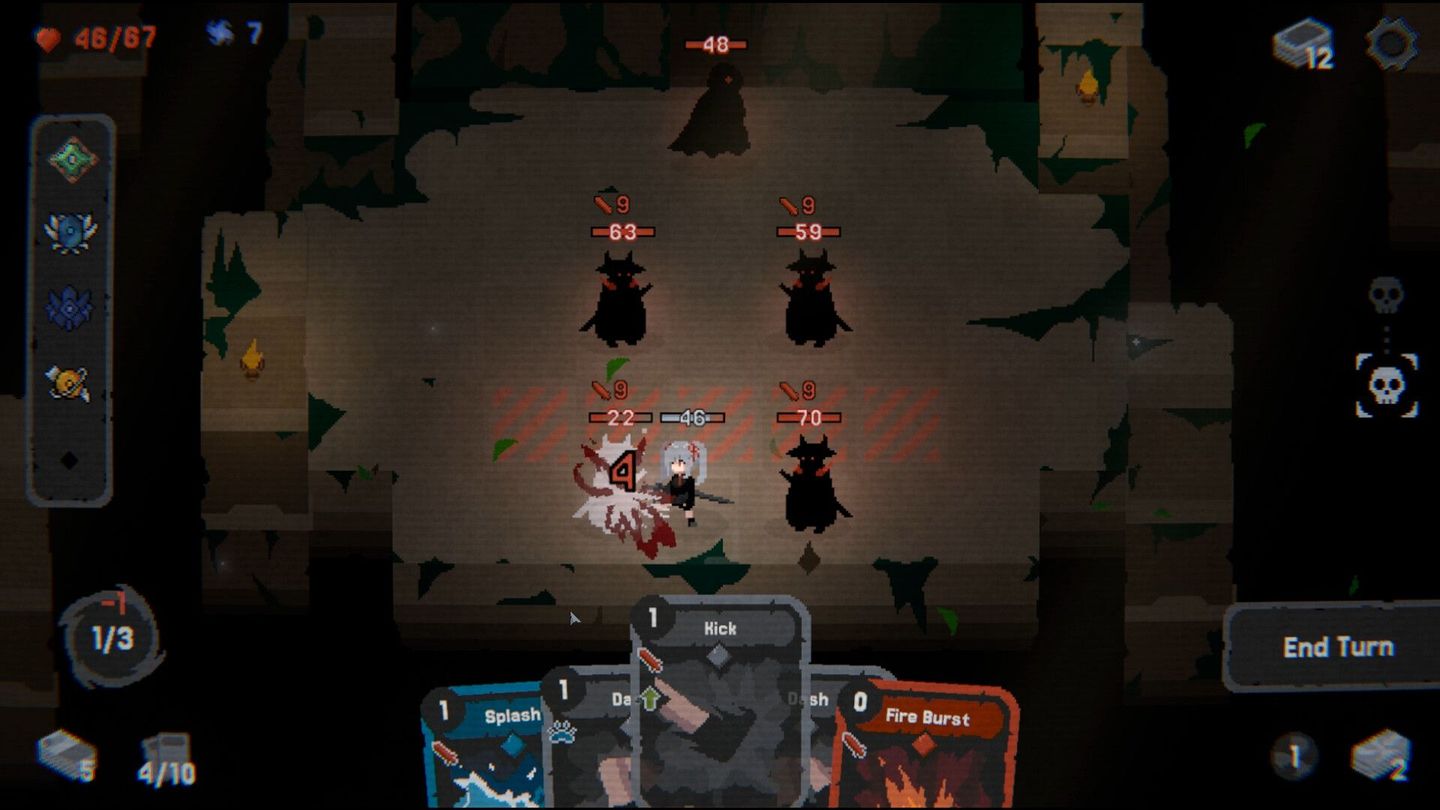
The appeal is immediate for players who like planning ahead. Every attack can be transformed into a setup for something bigger, and the game nudges you to think about both card choices and spatial control. Randomized encounters and draft options mean each run pushes you toward a new strategy.
Elemental Infusion: Make Any Card Your Signature
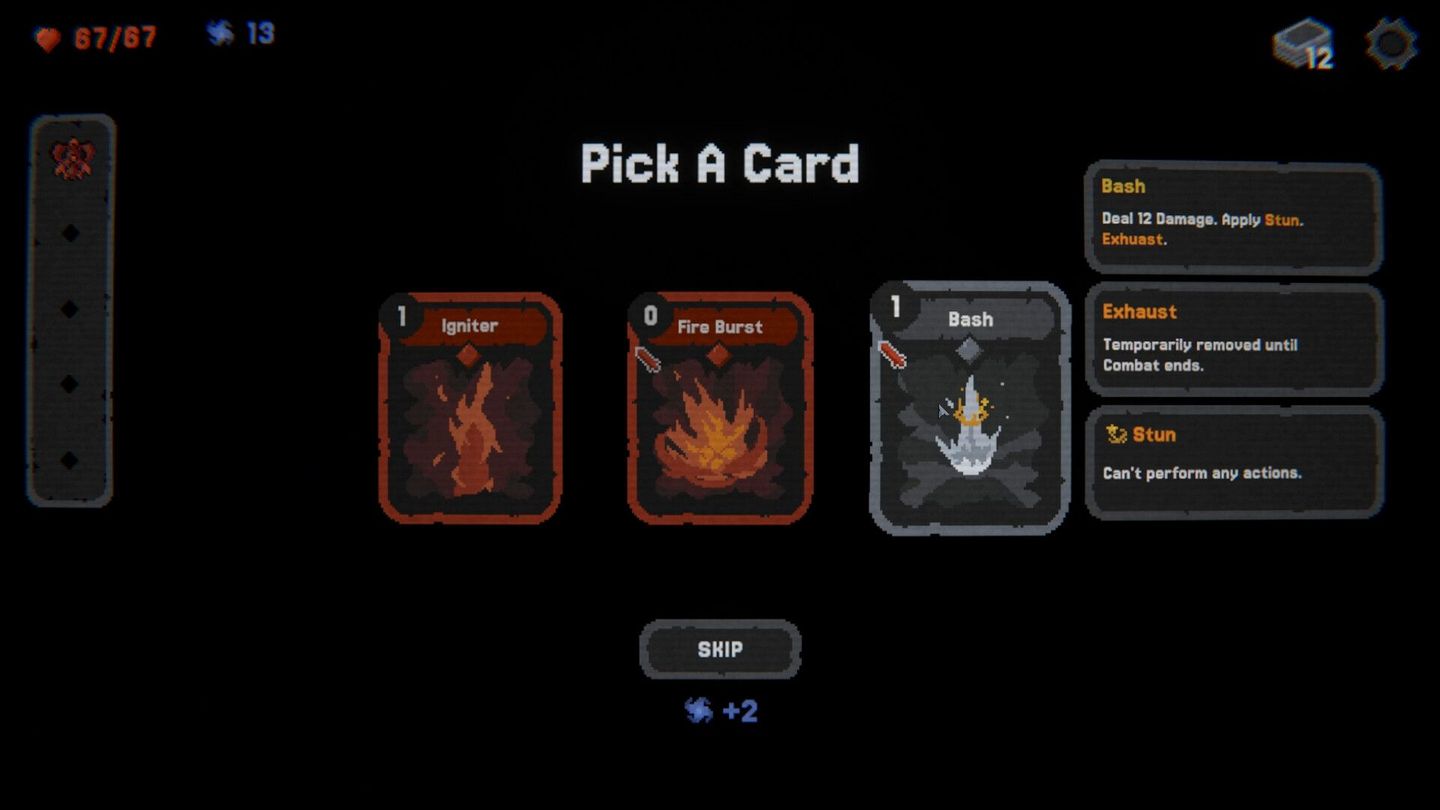
Instead of hunting for specific elemental cards, Catalyst Core hands you tools to modify what you already have. Infuse a basic strike with Pyro to make it ignite, or give a support card Hydro to let it wet targets and enable combos. This approach opens up creative deckbuilding because two players starting with the same base cards can end up with radically different arsenals depending on their infusion choices.
Timing matters. Since your move sets up the next reaction, deciding when to convert a card into an elemental ability becomes part of the tactical puzzle. Want to chain an Explode reaction next turn? Position and infuse now to force the outcome later.
Elemental Cores and Evolving Builds
Elemental Cores are a central progression layer. Collecting Cores strengthens specific elements, unlocks new interactions, and steers playstyle choices across a run. A Pyro-focused path will favor heat-based combos, while a Hydro-leaning build will reward control and reaction chaining in a different way.
Cores also encourage replayability. Each Core you pick alters how you view infusions and reactions, meaning the same card pool can yield wildly different synergies on successive runs. That sense of discovery is what keeps card roguelikes fresh, and Catalyst Core leans into it without overcomplicating things.
Grid-Based Combat: Position to Punish
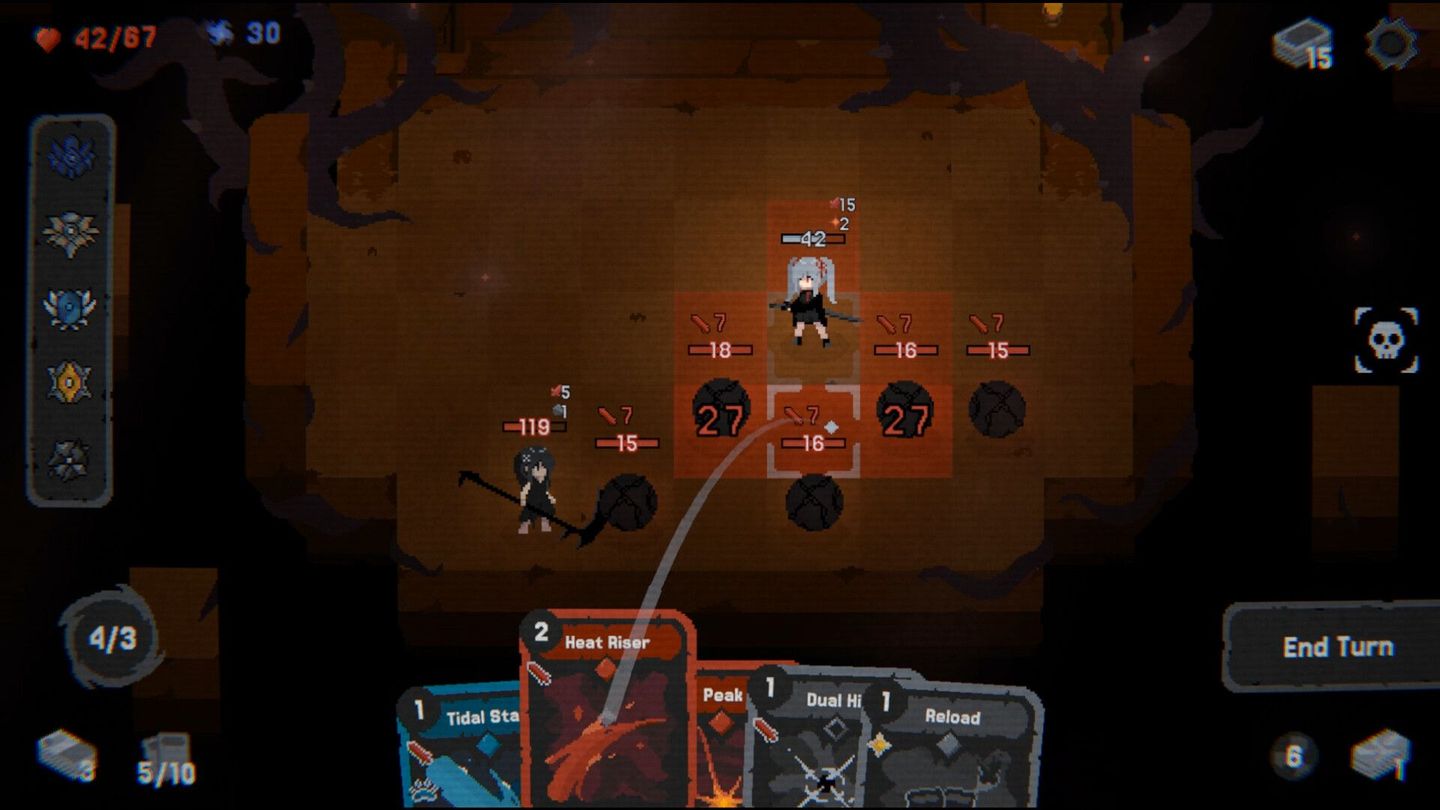
Deckbuilding meets chess in Catalyst Core. Positioning on the battlefield affects attack reach, who you can cluster for multi-target reactions, and how you control enemy movement. The grid forces you to think beyond mana curves and hand management, adding a spatial dimension to combo planning.
Enemies are more than health bars. Their placement and behavior influence whether a planned chain will land or fizzle, and the grid rewards anticipation. Play becomes an exercise in sequencing: move, infuse, attack, and then set up the next player turn for maximum payoff.
Who Should Try It
If you enjoy deckbuilders with tactical depth and love systems that reward planning ahead, Catalyst Core looks like a strong fit. Its blend of card infusion, elemental reactions, and grid tactics creates satisfying decision loops where each choice ripples forward. Players who relish discovering new synergies and optimizing runs will find plenty to experiment with.
The game keeps a focused feature set that feels designed to encourage creative problem solving rather than overwhelming players with dozens of conflicting mechanics. For fans of roguelike card games who want a spatial twist and elemental chaos, Catalyst Core is worth a closer look.
➡️ Check out Catalyst Core now on Steam