
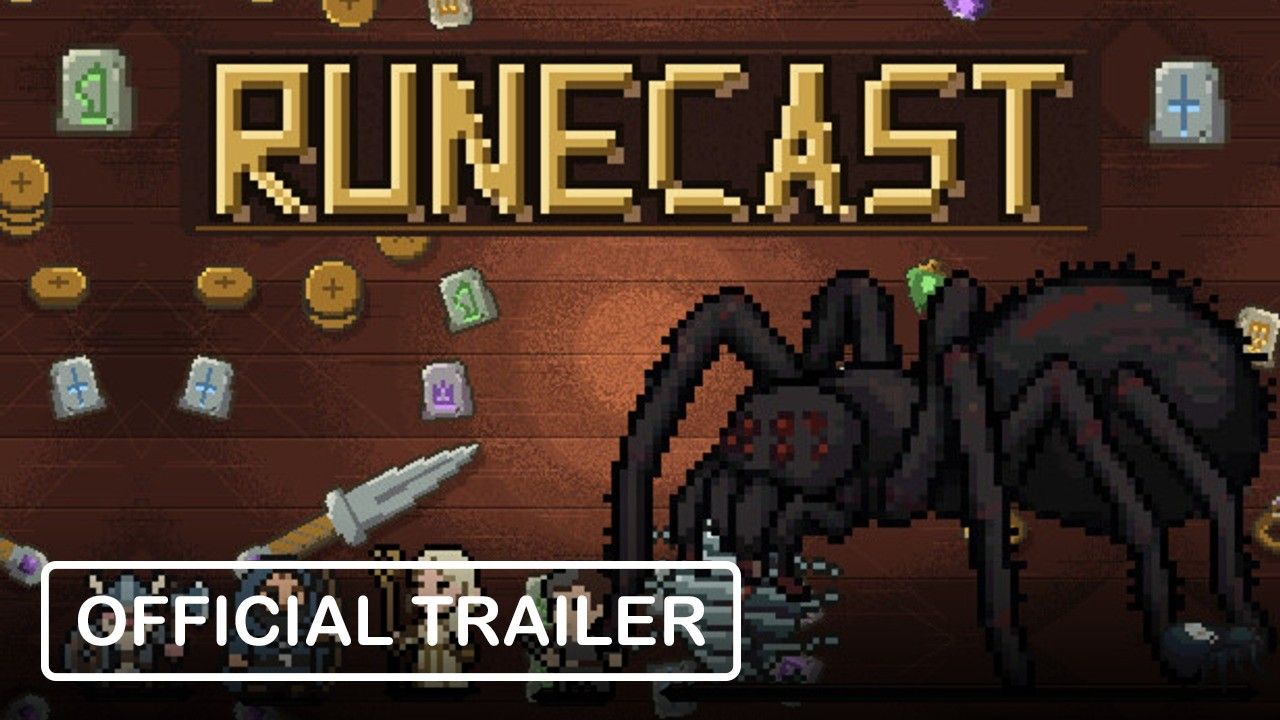
Runecast Puts Rune Casting at the Heart of a Pixel Autobattler
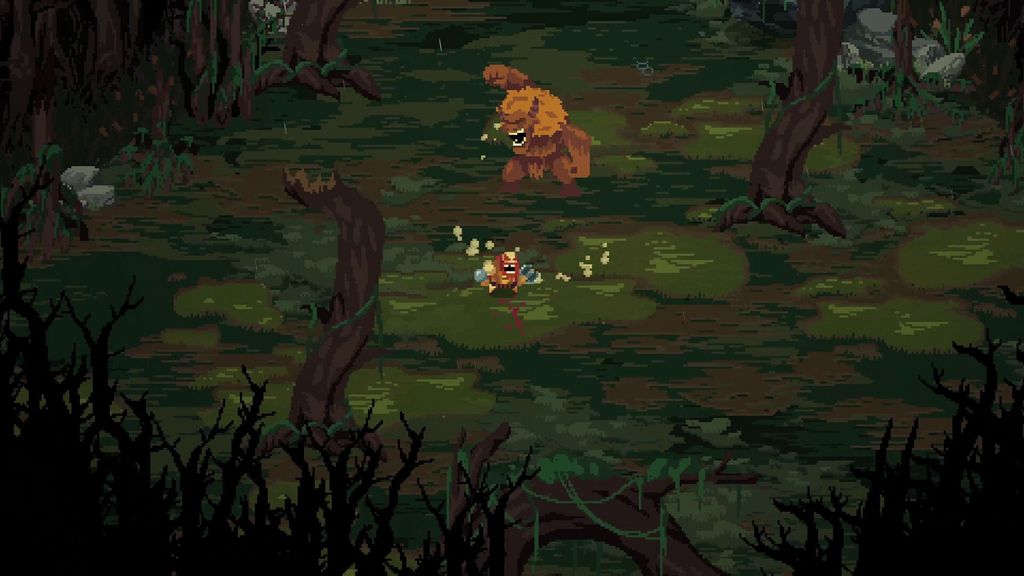
Runecast is a compact, clever twist on the autobattler formula. Instead of a shop wheel or random shop offers, you cast runes that change the options on the table. Three matching runes summon a hero. Merge three identical heroes to climb from level 1 to level 3. Battles play out automatically, but the choices you make between casts and across lanes are what win or lose fights.
The demo keeps things approachable. You get four starting heroes and an Easy difficulty to learn the loops: cast, draft, position, merge, equip, repeat. There is a satisfying tactile quality to the rune cast and merge rhythms that makes each run feel like a small puzzle as well as a strategy game.
The Rune Chooses. You Command.
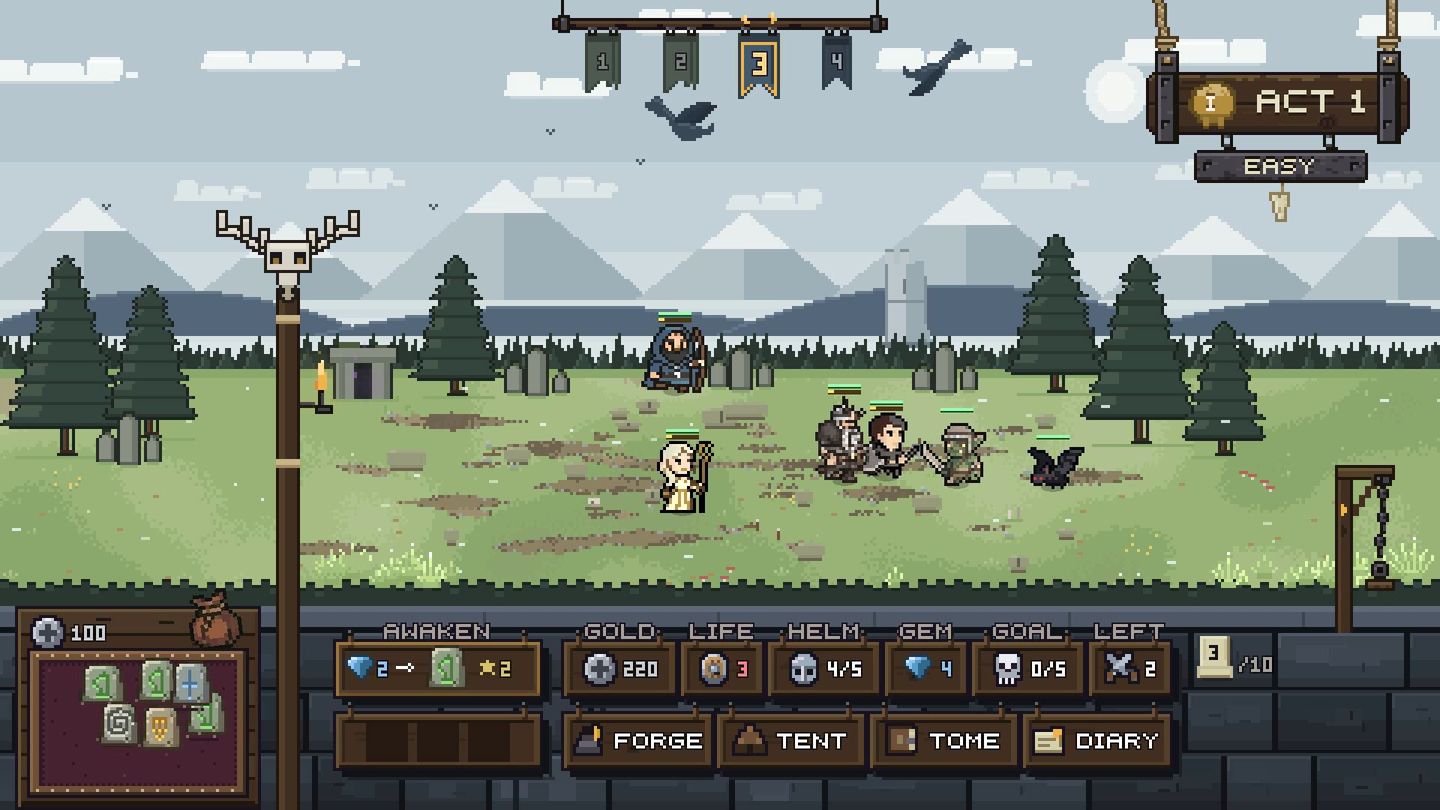
Runecast's core hook is straightforward and elegant. Cast runes to recruit, then arrange your formation across three lanes. Combat resolves on its own, so your main work happens before and between waves. Read the field, adapt your formation to what the cast gives you, and plan merges and equipment around that.
Positioning is flexible across the three lanes, which matters. The game forces you to make real choices about who fronts, who kites, and who needs protection. Merge three identical heroes to advance their power. A level 3 hero is the kind of swing that can carry a wave, so the merge planning is a core part of long-term strategy.
Equipment is found between waves. Each hero can hold up to three items, and finds come in Rare and Epic tiers. Those items are often the difference between a good build and a great one. The demo gives you a taste of how gear reshapes a hero's role without spoiling future evolutions.
Heroes, Merges, and Equipment
The demo roster includes Dwarf, Archer, Healer, and Thief. Additional heroes such as Barbarian, Druid, and Necromancer are shown in a separate section marked for after the demo. The game keeps some T1 and T2 evolutions sealed on the public page so players can discover their paths while playing.
Merging is classic autobattler stuff presented cleanly. Three identical heroes become one stronger copy, and doing that twice upgrades you from level 1 to level 3. That progression loop interacts with equipment distribution: you can slot up to three items per hero from the Chest, with each piece offering distinct effects like extra range, bleeding, first-hit protection, or target changes. Those choices let you craft very different builds from the same heroes.
Bosses That Force You to Rethink
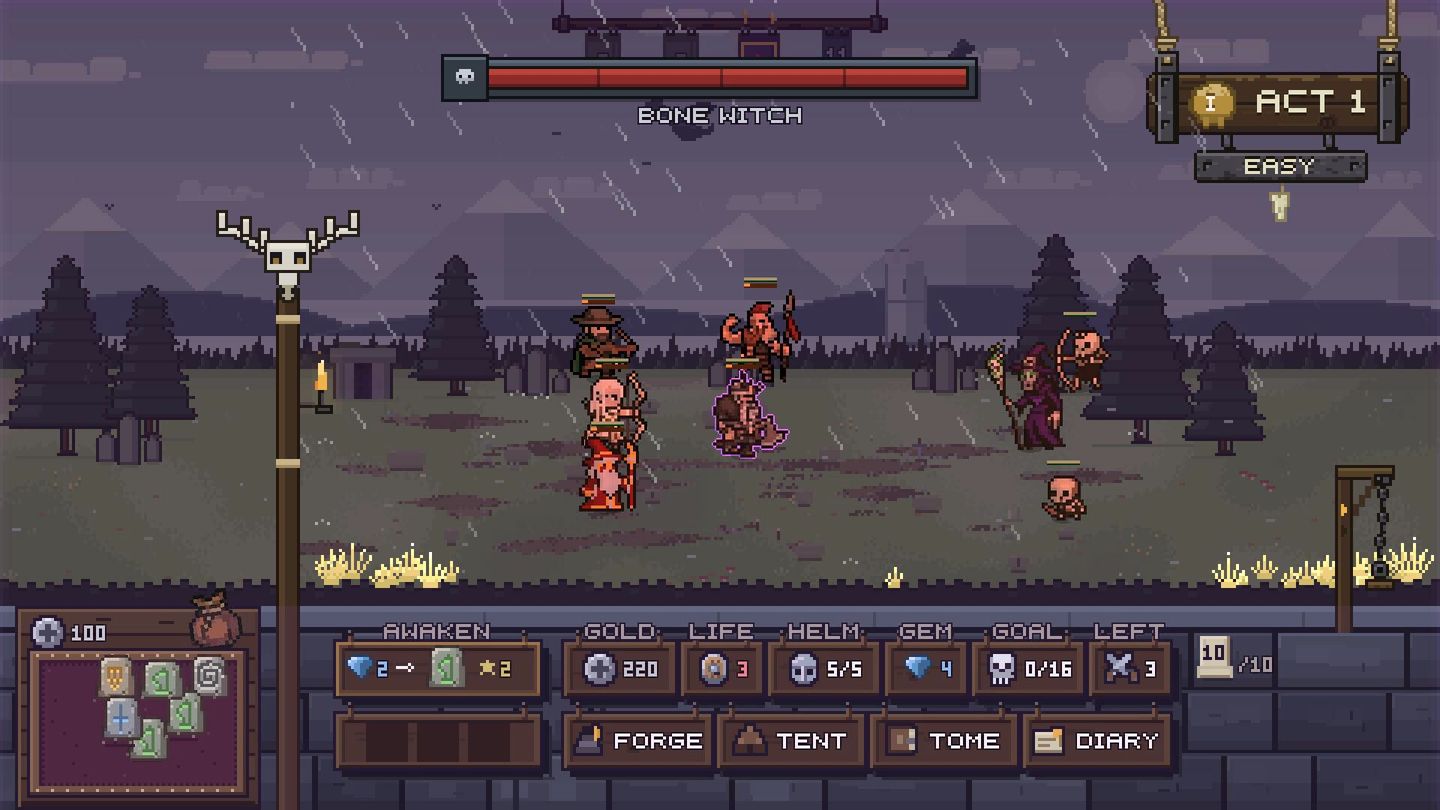
Runecast's bosses are not just bigger health bars. The Web Queen, for example, actively reshapes the battlefield. She advances on your team, plants a cocoon, and floods the arena with spiderlings. Hitting the cocoon delays the next spawn. Destroying it ends the brood and forces the Queen into melee.
That design encourages a read-and-react playstyle. You might change targets mid-fight, swap lane priorities, or rebuild your formation on the fly to deal with the spawn mechanic. Bosses like this reward players who pay attention to mechanics rather than only raw stats.
Forge, Runs, and the Demo
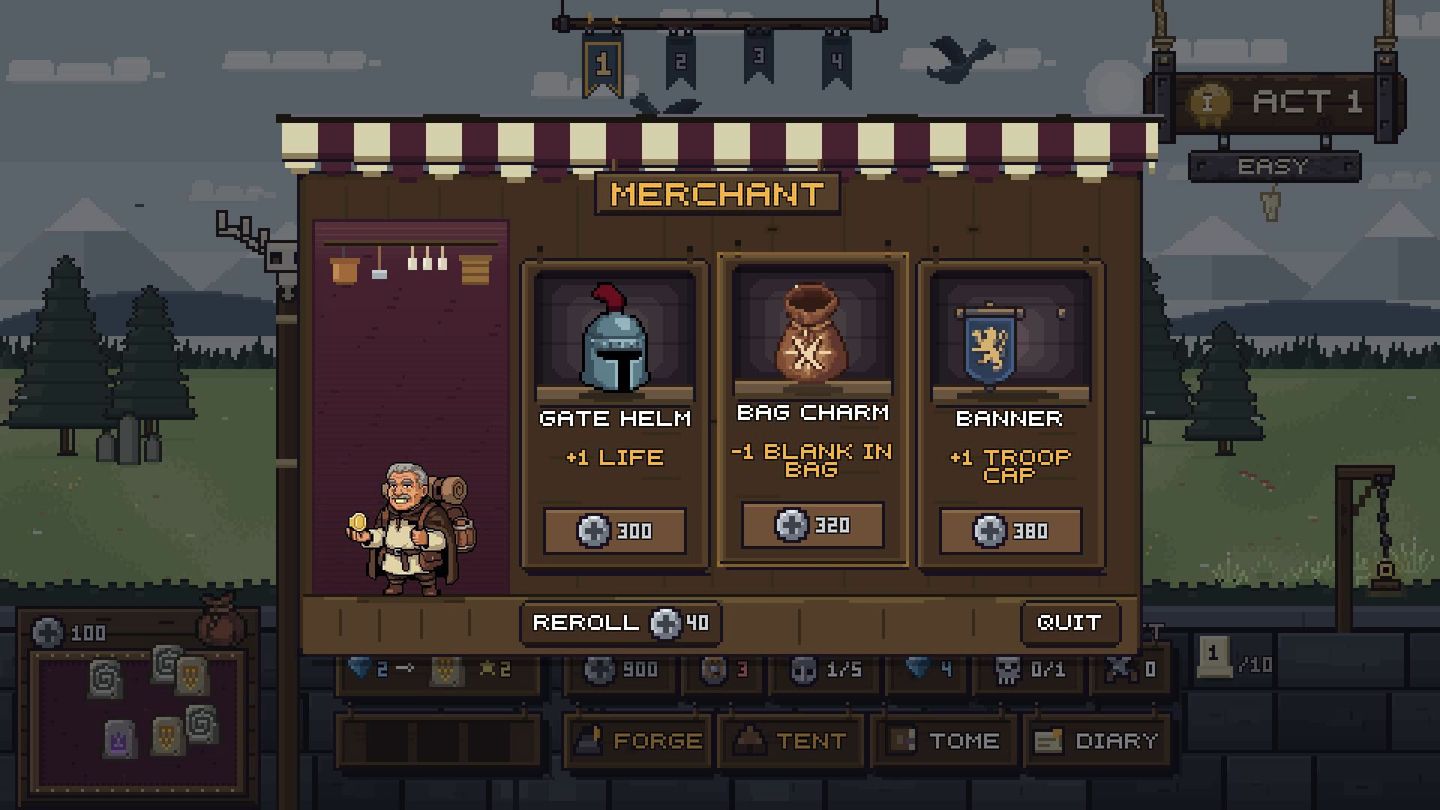
Runecast gives you tools to shape future games. The Forge contains 16 editable faces that let you tune the rune bag and change the probabilities of future casts. Run bonuses like the Shop and Relic Shelf add meta options that strengthen the journey without replacing each hero's individual equipment.
The full structure is four acts of ten waves each. The demo covers an introductory slice with Easy difficulty, so you can build your first formation, face the Web Queen, and judge whether you want to keep playing. Victories reveal dungeon finds that populate your Chest for future runs.
If you like compact, thoughtful autobattlers with pixel charm and clear mechanical hooks, the demo is a solid first look. Wishlist Runecast and jump in to try casting your luck.