

Ringwyrm - Infection, Intimacy, and Intentional Violence
Ringwyrm is an action horror game that marries old-school arcade firepower with slow-brewing atmosphere and survival systems. You explore a dense, nonlinear map full of lore and items, fight grotesque infected creatures, manage equipment and personal ailments, and negotiate a web of relationships that can lock or unlock entire endings.
The premise is simple in summary and messy in execution. As your understanding of the world grows, so does the power-and the madness-that comes with it. The game promises a lot of tension by making every encounter feel consequential.
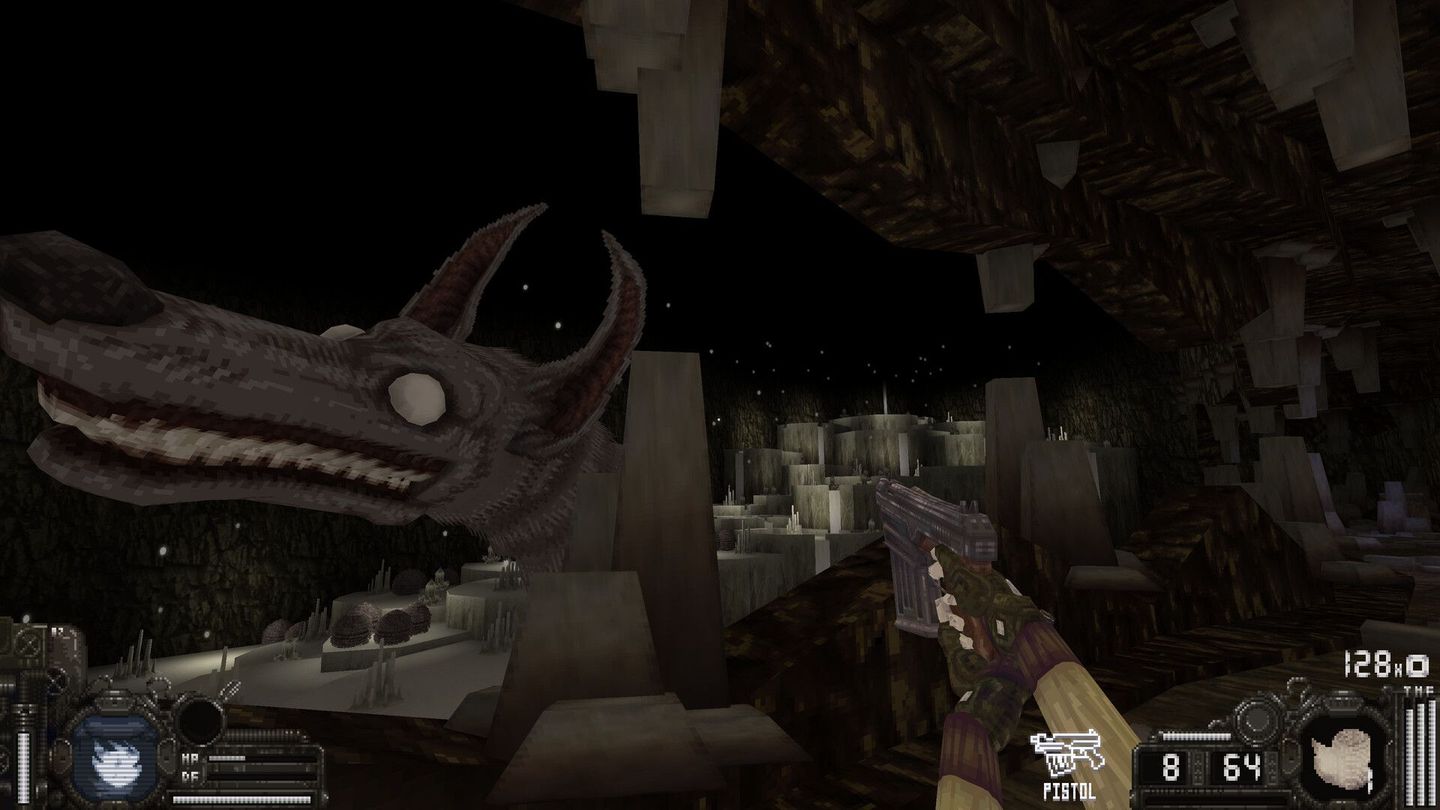
Tactical, Methodical Combat
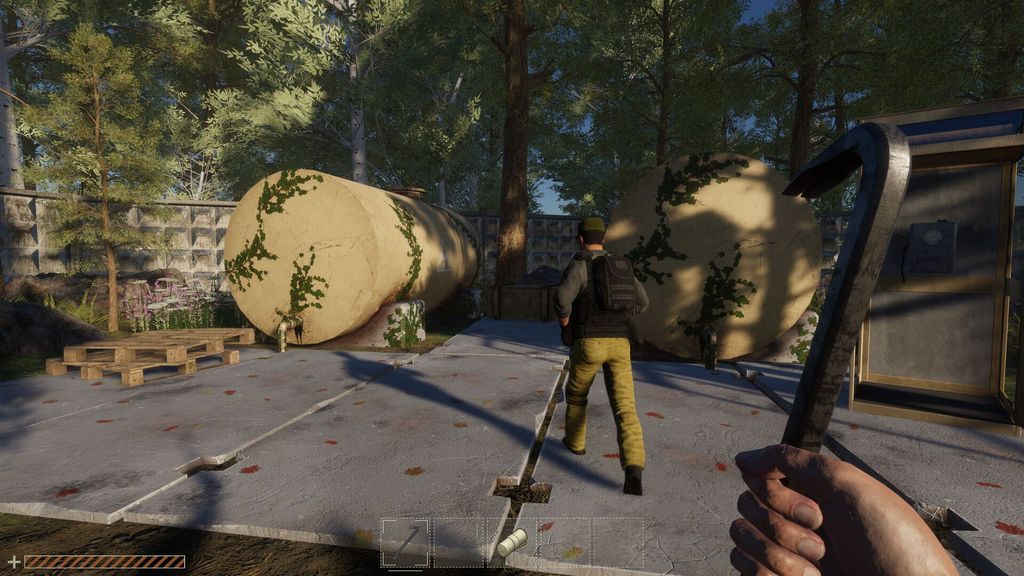
Combat in Ringwyrm is designed to be deliberate. You cannot aim and move at the same time, so mobility and accuracy are traded against each other. That single rule reshapes standard FPS instincts. You will find yourself planning routes, choosing choke points, and deciding when to commit to a shot or fall back to preserve your health and equipment.
There are survival layers stacked on top of the shooting. Weapons and tools have durability. Your health and status can be affected by diseases and unique ailments that the world dishes out. Items, upgrades, and careful resource management are as important as aim. The result is a blend of arcade-style action and tactical restraint where wasting ammo or dashing blindly can have long-term consequences.
A Massive Cast and Deep Worldbuilding
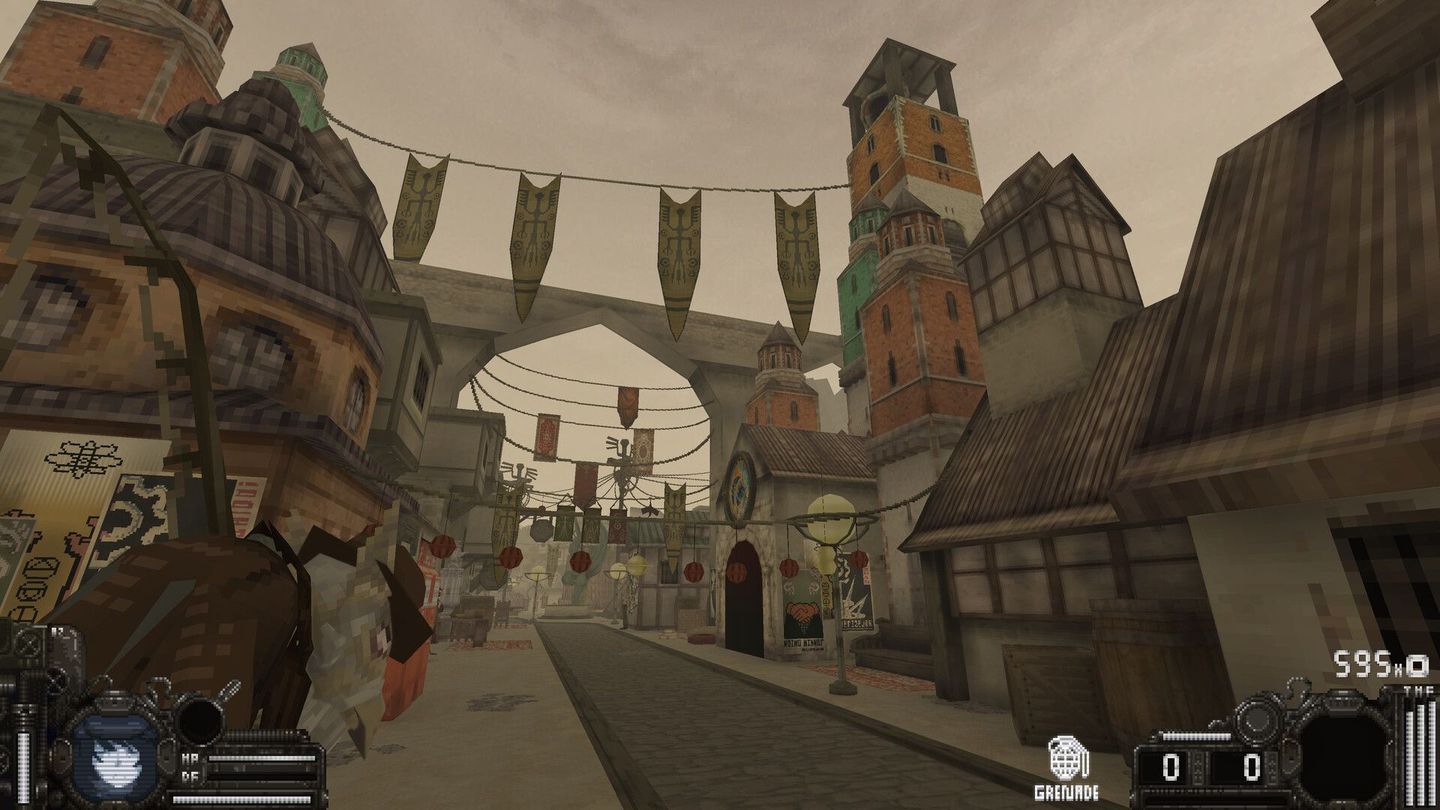
Ringwyrm leans hard on relationships and reading. It features over thirty named NPCs, each with their own questlines and evolving dialogue. Choices are mainly diegetic and often opaque. Helping or ignoring characters can change who survives, who betrays you, and which story paths become available or locked.
The game encourages close attention. Item descriptions, books, and extended conversations are not fluff. They feed into the lore and sometimes hint at hidden options or the true cost of using the world's strange resource. Players who enjoy unraveling setting details will be rewarded with deeper context and more meaningful decisions.
A Nonlinear, Evolving World
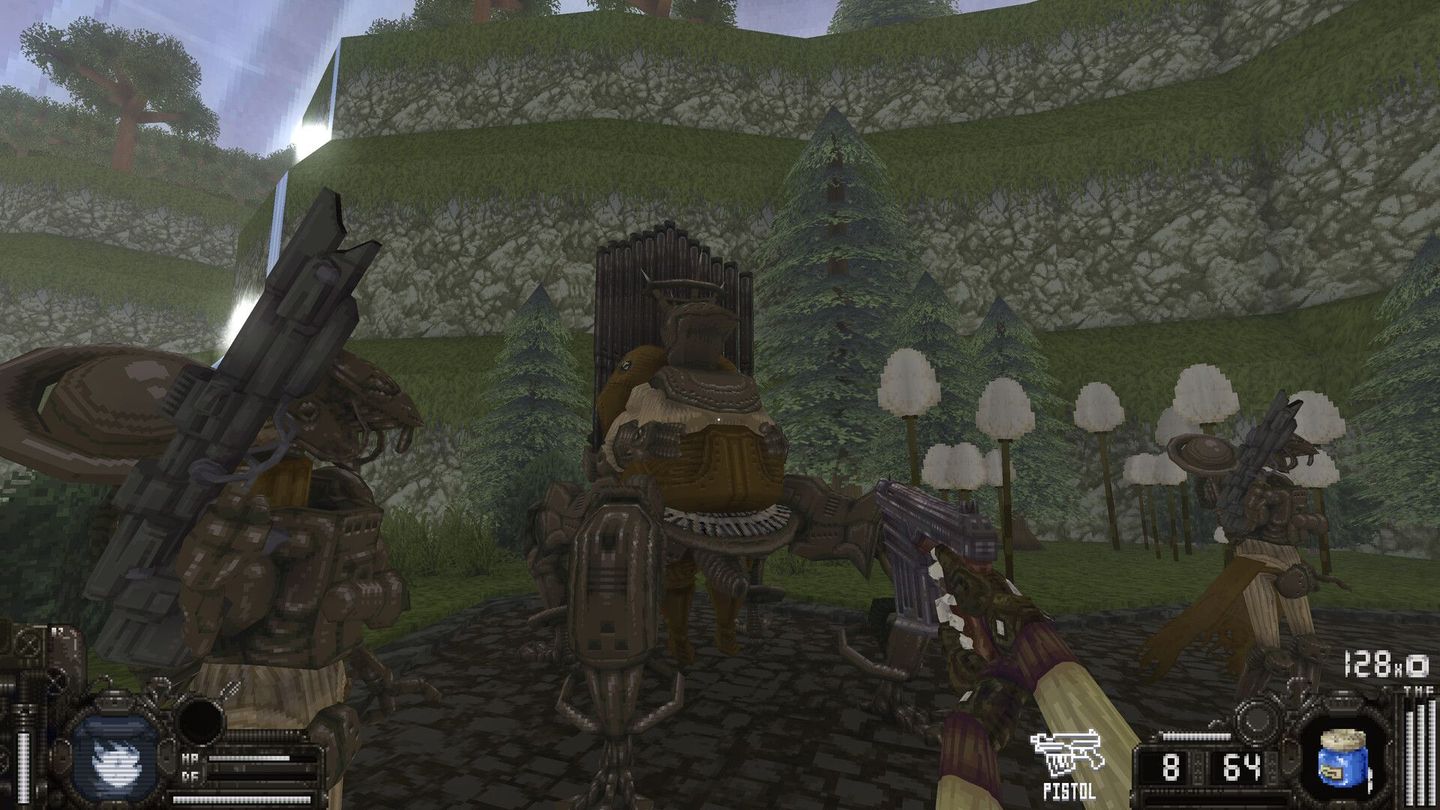
Ringwyrm is built to be replayed. Several systems make each run distinct. Certain questlines will lock out other endings, and actions can build alignment with the eldritch forces at work on the Umbral Isle. Those alignments produce anomalies and stimuli that shift the environment and the cast's reactions. In short, you are unlikely to see everything in a single playthrough.
The map itself is interconnected and nonlinear. Exploration and recruitment matter. Protecting people you care about while avoiding the titular disease creates constant tradeoffs between immediate safety and long-term goals.
The Setup: Milk, Schovek, and Edna Gotts
Sixteen years after the Iron War and the defeat of Schovekia, the nation of Nordin-Gotts discovers that remnants of its enemy migrated to the remote Umbral Isle. There they found a strange element called Milk that rapidly transformed society. You play as Edna Gotts, a war orphan and conscript sent on a reconnaissance mission that goes horribly wrong.
What starts as a military operation quickly becomes an unending nightmare as Milk's true cost becomes clear. The narrative voice described here is heavy on consequence and on the human fallout of a society that embraced an arcane, corrupting resource.
Who Should Play Ringwyrm
If you like atmospheric horror that rewards curiosity, methodical combat that punishes sloppy decisions, and stories where NPCs matter, Ringwyrm sounds like it will sit well with you. It is tailored for players who value slow, tactile fear over jump scares and who are willing to live with the consequences of murky choices.
Ringwyrm promises a dense, strange island to get lost in-one where knowledge and caution are as deadly important as trigger discipline.