
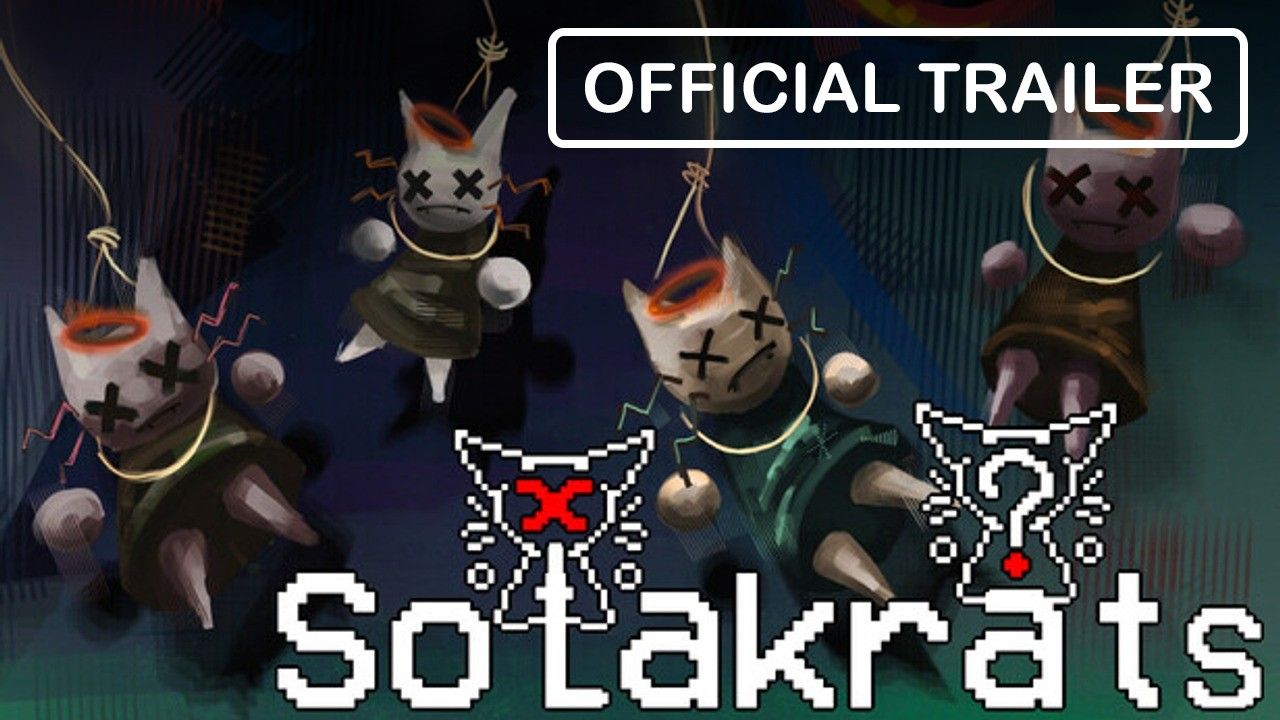
Solakrats: The Monolith Is a Liar
You wake up to instructions that feel carved in bone: awaken, climb down, claim your halo. Solakrats takes that simple ritual and scrambles the rules. You are born into a colossal, endless monolith made of stitched-together worlds. Your goal is clear, but the terrain is not. The environments twist and reorient as you move; what was down can become up in an instant. The destination does not change, but everything between you and it does.
This is a game about navigation under betrayal. Remember where to climb and try to keep everyone alive while the world argues with you.
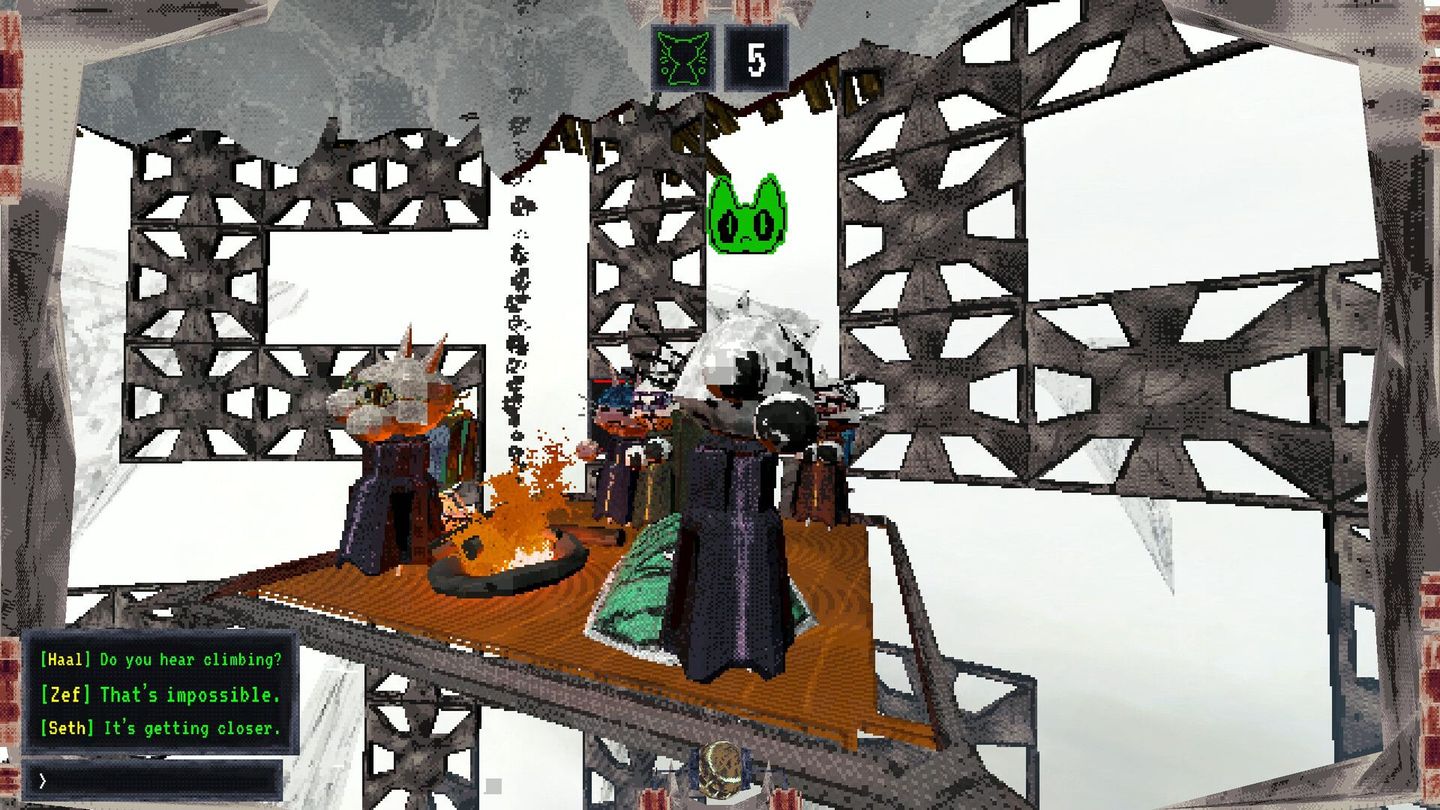
Halos 0 - The Unmarked
At the start you are an Unmarked. You have no past to rely on and no memory from before yesterday. The core loop is ritualistic and physical at once: the Family orders you to descend into the monolith and return alive to the surface so you can take part in the birth ceremony and earn a halo of your own.
Solakrats frames that loop as both a personal trial and a literal test of orientation. The monolith is described as endless and composed of dozens of worlds, which gives the level design a layered, patchwork feel. As you move, gravity and orientation twist around you. That mechanic turns simple platforming decisions into constant puzzles about which way is actually down.
The writing leans into mystery rather than exposition. You are told enough to understand the obligation, but little to explain why your life is a blank slate. That fog is intentional. The game wants you to feel the unease of obeying instructions without context.
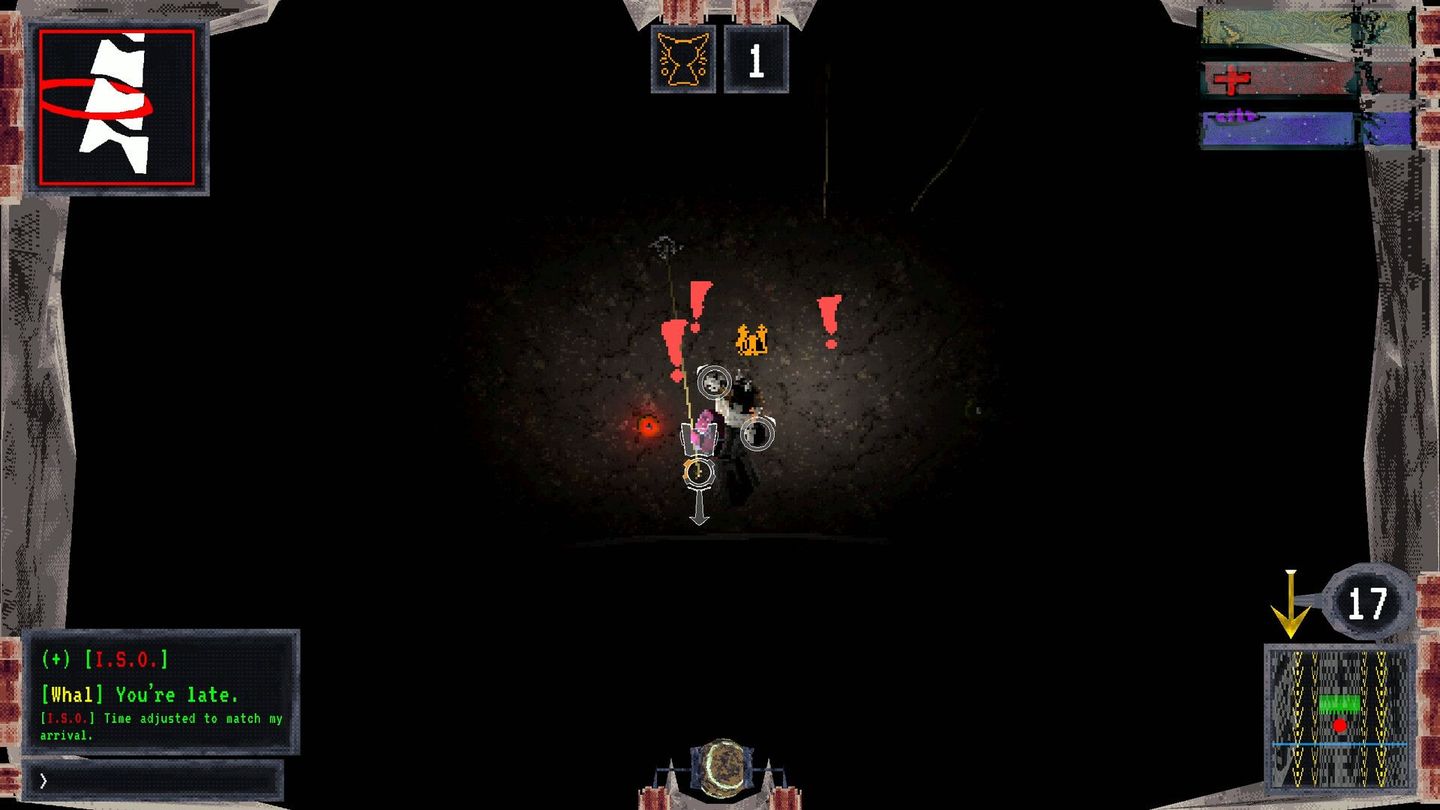
Halos I - The Proven
Once you pass the initial trials you reach the layer of the Proven. This is the familiar surface world for many players: a colossal rotating structure and the last livable refuge under a broken solar system of three unstable suns. The family, the ceremony, the social stakes are clearer here. To be accepted you must make the descent and survive the return.
Mechanically, this section suggests a balance between platforming and resource management of a sort. There is an implied pressure to perform the descent not just for yourself but for social acceptance. The rotation of the monolith and the unstable suns help sell the idea that your environment is in constant motion, and that motion is your primary adversary.
Halos II - The Exalted
You do not descend alone. Companions travel with you, and cooperation seems essential to survival. But the deeper you go, the more uncertain others become. Those companions might be allies, burdens, or something worse. The game presents the idea that outside the Well lies a truth the Unmarked were never meant to understand, and that the Proven are quietly refusing to speak of it.
This is where social mechanics and emergent storytelling can shine. When orientation itself is unreliable, trust becomes a resource. How the game handles companions - whether via explicit mechanics, inventory tradeoffs, or behavioral reactions to shifting gravity - will determine how tense those relationships feel.
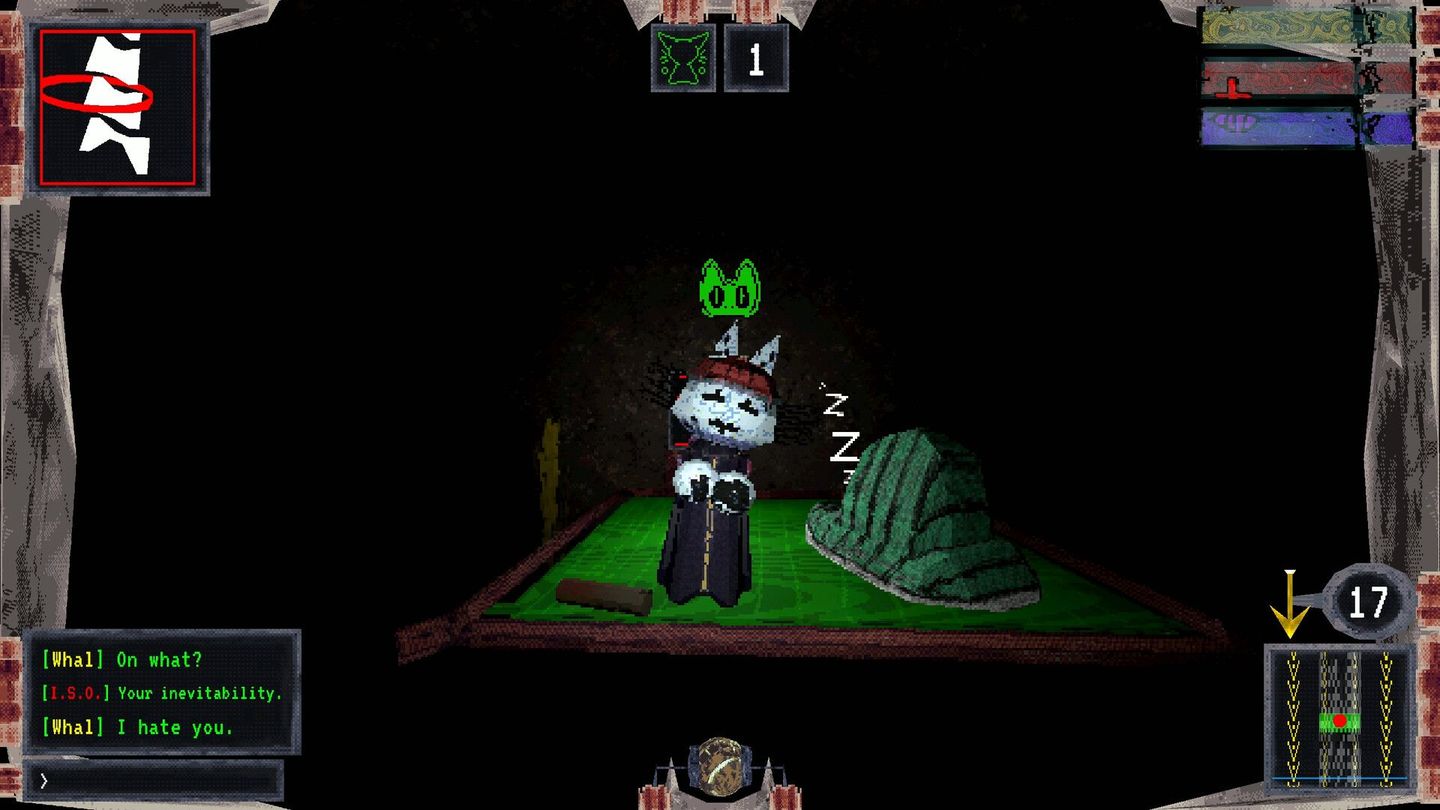
Halos III - The Divine
At the top of the hierarchy are those with three halos above their heads. Your role is fixed by ceremony: obey, descend, hope for a single halo someday. The narrative tone here is ritual and hierarchy, with a persistent sense of unease. The warning to "be aware of the fallen angels" hints at threats that are not purely environmental.
Solakrats promises a blend of navigational puzzle design and social tension. The primary twist is simple and elegant: invert gravity and orientation as a core gameplay loop. That twist reverberates through level design, companion dynamics, and the rites that govern the world. You are always going down toward a fixed destination, but the map keeps denying you the luxury of a straight line.
Whether you prize atmospheric mystery, cooperative anxiety, or a platforming puzzle that can make your stomach flip, Solakrats sets itself up as a curious medley. The monolith lies; your choices decide if you will learn to live inside that lie or break it.