

Signal Veil: A Haunted Phone and a High School That Remembers
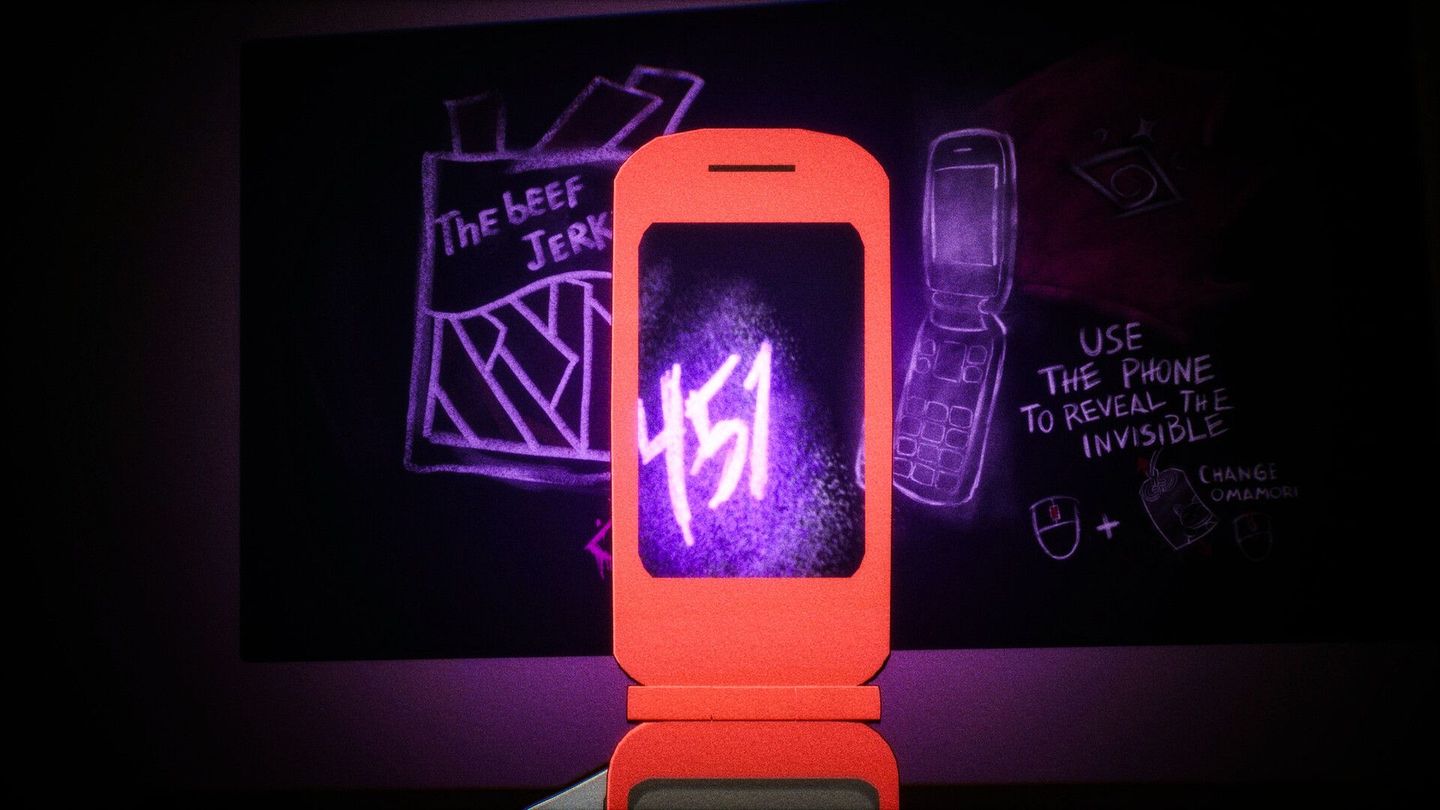
Aki Mizuno wakes up to a void where her mother used to be and a strange inheritance a cellphone that vibrates and sings when something with a deep emotional wound is nearby. Signal Veil frames its mystery around that small device, turning proximity alerts into a tense detective tool as Aki searches the halls of Nishikawa High School for answers.
The game presents classic survival horror pacing with a strong focus on psychological terror and emotional storytelling. The look leans into a 90s anime inspired aesthetic that supports the slow unraveling of memory and trauma rather than outright spectacle.
A Phone That Hears Pain
The cellphone is the game mechanic in plain sight. It vibrates and emits interference when spiritual presences or lingering memories are nearby. That interference is not just flair. It reveals corrupted areas, points toward clues, and warns Aki before entities fully manifest.
Enemies are not simply visible threats to be shot. They are born from memory and feeling. The phone can expose them by lighting their weak points with a flash or by provoking them into revealing themselves. Until that exposure happens, confrontations are risky and often unwinnable by force alone. Signal Veil encourages observation and patience over trigger happy play.

Tactics Over Trigger Fingers
Combat in Signal Veil is built around timing, resource management, and careful reading of the environment. Players must manage limited medicine, key items, and mystical weapons. Each encounter asks you to decide whether to disturb a presence with the phone, lure it into a vulnerable state, or avoid it altogether.
Aki's emotional stability is also a resource in its own right. Hostile entities, corrupted spaces, and traumatic events chip away at her sanity. As her mental state deteriorates the world bends perception changes appear and enemy behavior shifts. That mechanic turns fear into a gameplay variable you must monitor just as closely as health or ammo.
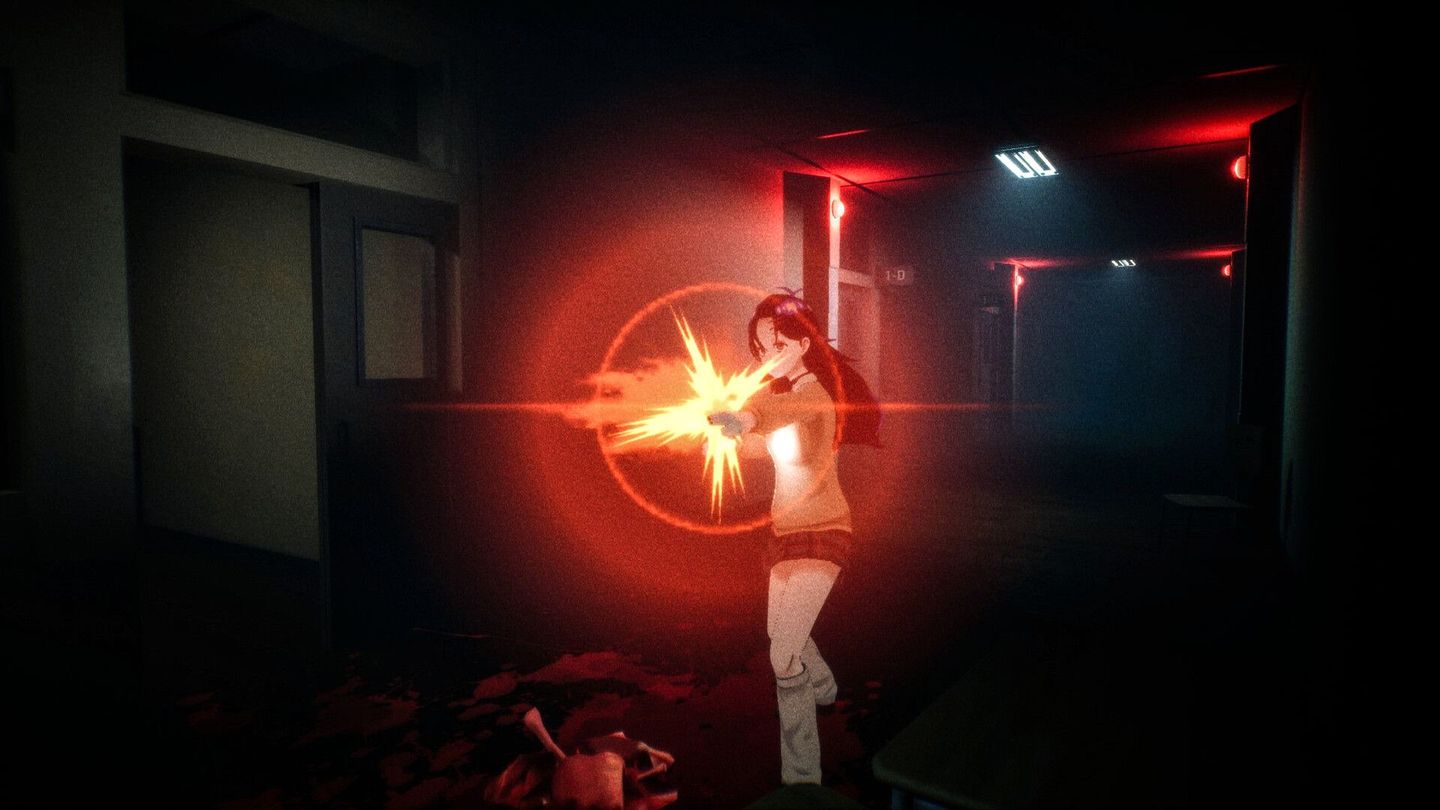
A School Built to Hide Secrets
Nishikawa High School starts ordinary and becomes progressively unmoored from reality. Classrooms corridors and common areas are designed to build suspense and conceal secrets. The phone often points toward places the eye alone would miss a broken pattern in wallpaper a faint echo or a flicker of static that leads to a hidden memory.
Exploration rewards careful observation. Clues tied to Aki's past and the disappearances around the school layer into the map so that backtracking and piecing fragments together feel meaningful rather than repetitive.
Emotional Stakes and Uncertainty
Signal Veil centers its scares on what people feel rather than on shock alone. Entities represent wounds and memories not yet healed. The phone turns those wounds into a language players must learn to read. That approach promises a survival horror experience where tension comes from narrative weight and psychological unraveling more than from jump scares.
Who Aki becomes by the end of the investigation is the story the game invites players to uncover step by step cell signal by cell signal.