
Lootbound puts your choices on the table
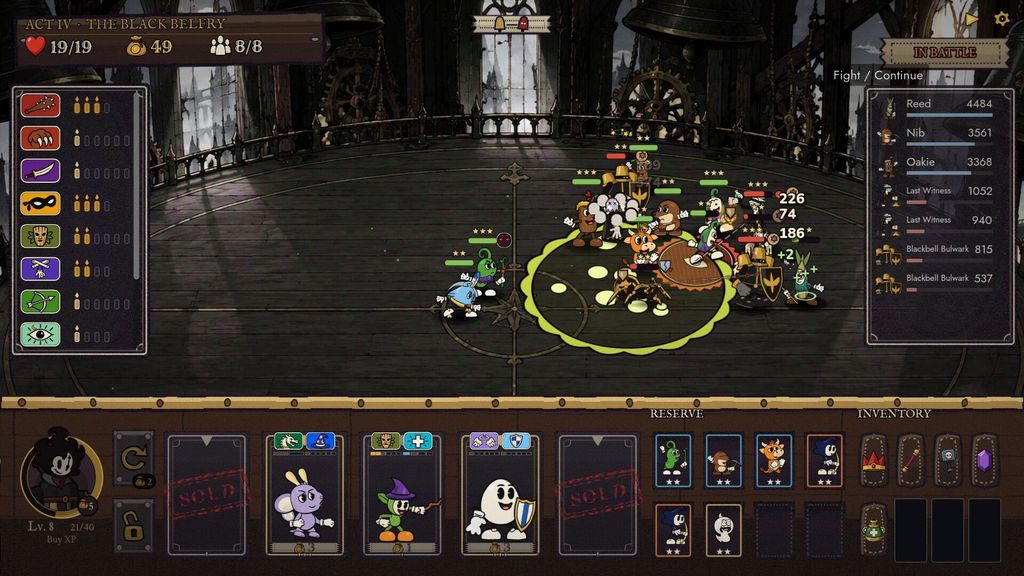
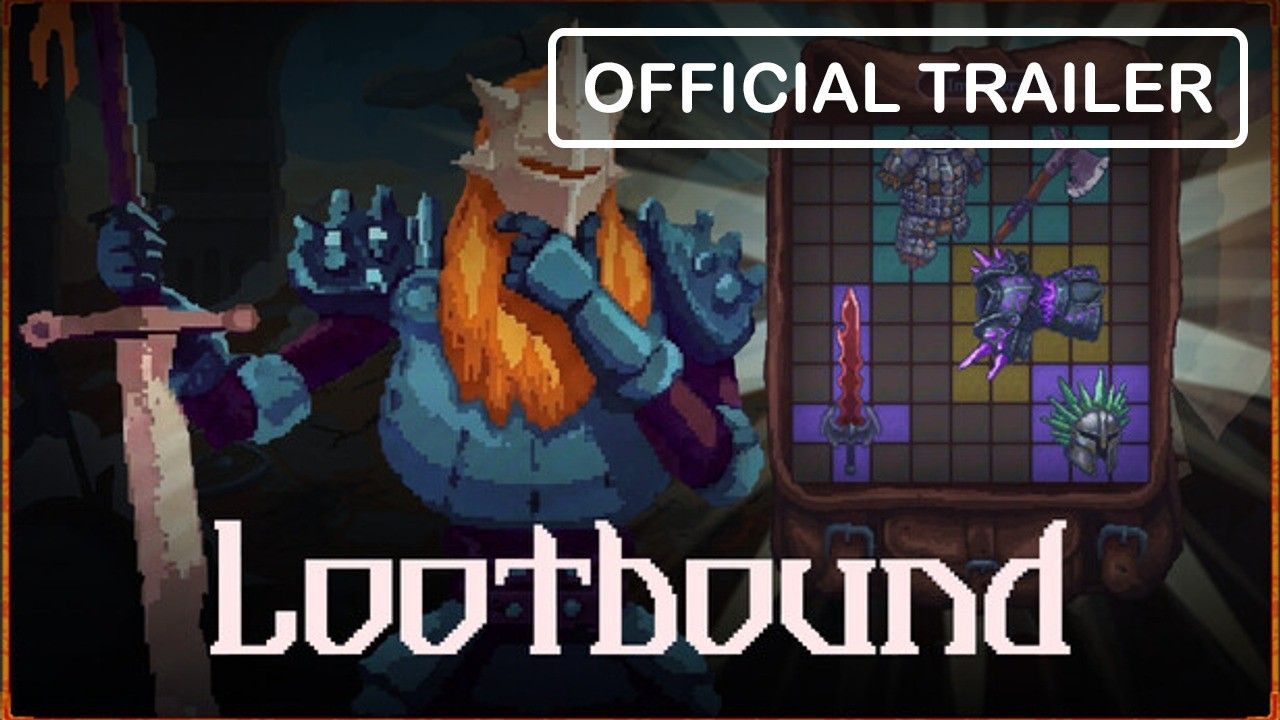
Lootbound is a tactical loot management roguelike that asks you to keep one eye on the map and the other on your inventory. Every run starts solo. You move along branching routes, pick risks and rewards, meet companions, and assemble a party as you go. What you equip matters in more ways than one, and every decision sticks for the rest of the run.
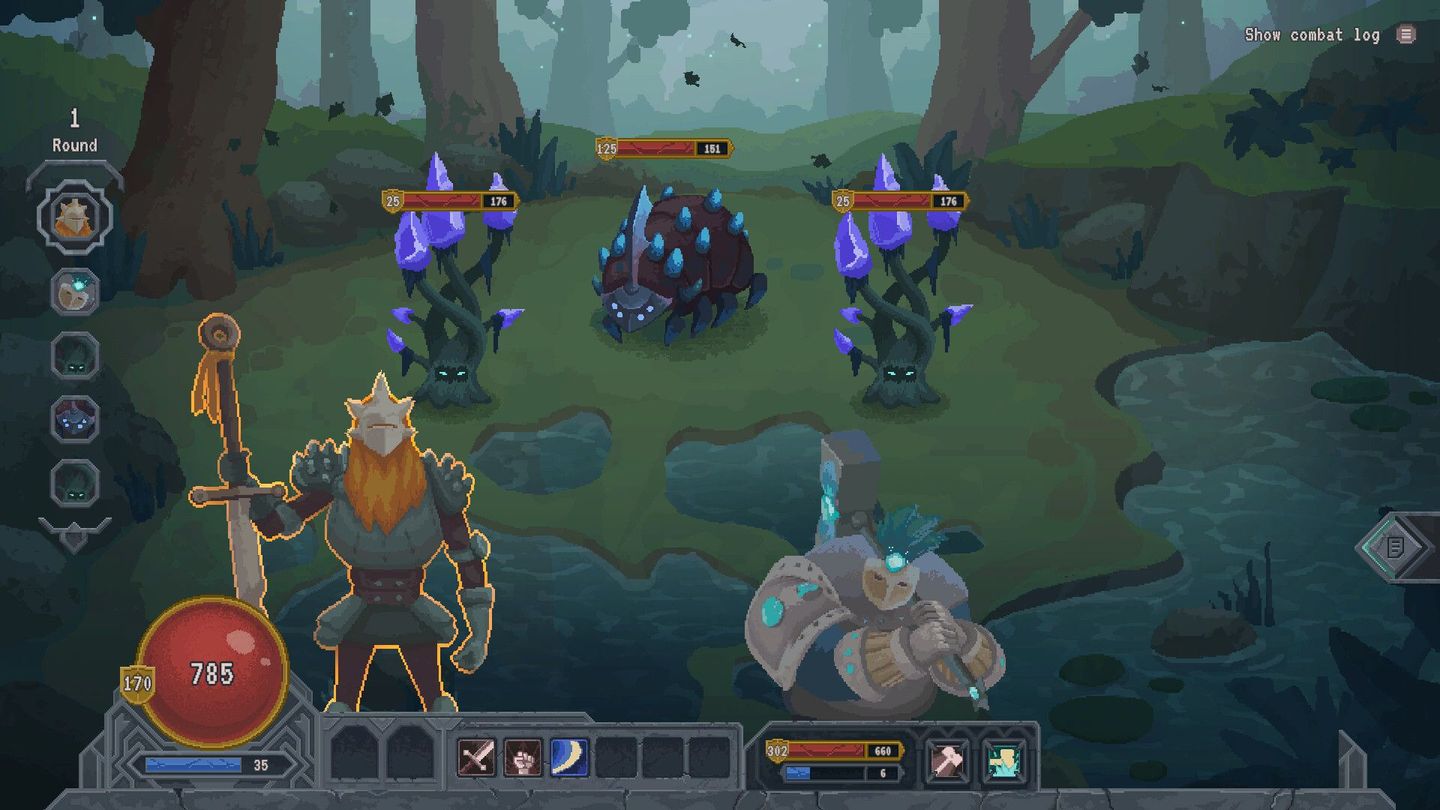
The game leans into honest difficulty. Combat is turn based and strategic, not a stat check to be skipped. The tension comes from the way items, companions, and dice rolls interact. Get it right and systems click together into a powerful build. Get it wrong and you will feel the consequences until the end.
Assemble your crew on the fly
Companions in Lootbound follow the same rules as the hero. They do not arrive as perfect presets with all answers solved for you. Their strengths and weaknesses depend on what you equip and how you decide to develop the run.
Items only work when equipped, so your choice of gear directly influences party behavior. A single piece of equipment can become the keystone of your strategy, or it can turn a companion into dead weight. That concrete, gear driven responsibility gives every loot drop weight. You are building a team as much with items as with people.
Item auras make gear feel alive
Items in Lootbound do not simply sit on a character sheet. Some carry auras that affect adjacent equipment. When those auras combine they can amplify an entire build, changing how enemies are handled or which tactics are viable.
This is where the tactical layer deepens. You are not just fitting numbers together. You are arranging a small ecosystem of gear whose interactions can snowball into something powerful. Finding a synergy between items can change the course of a run, while missing that connection can doom otherwise promising setups.
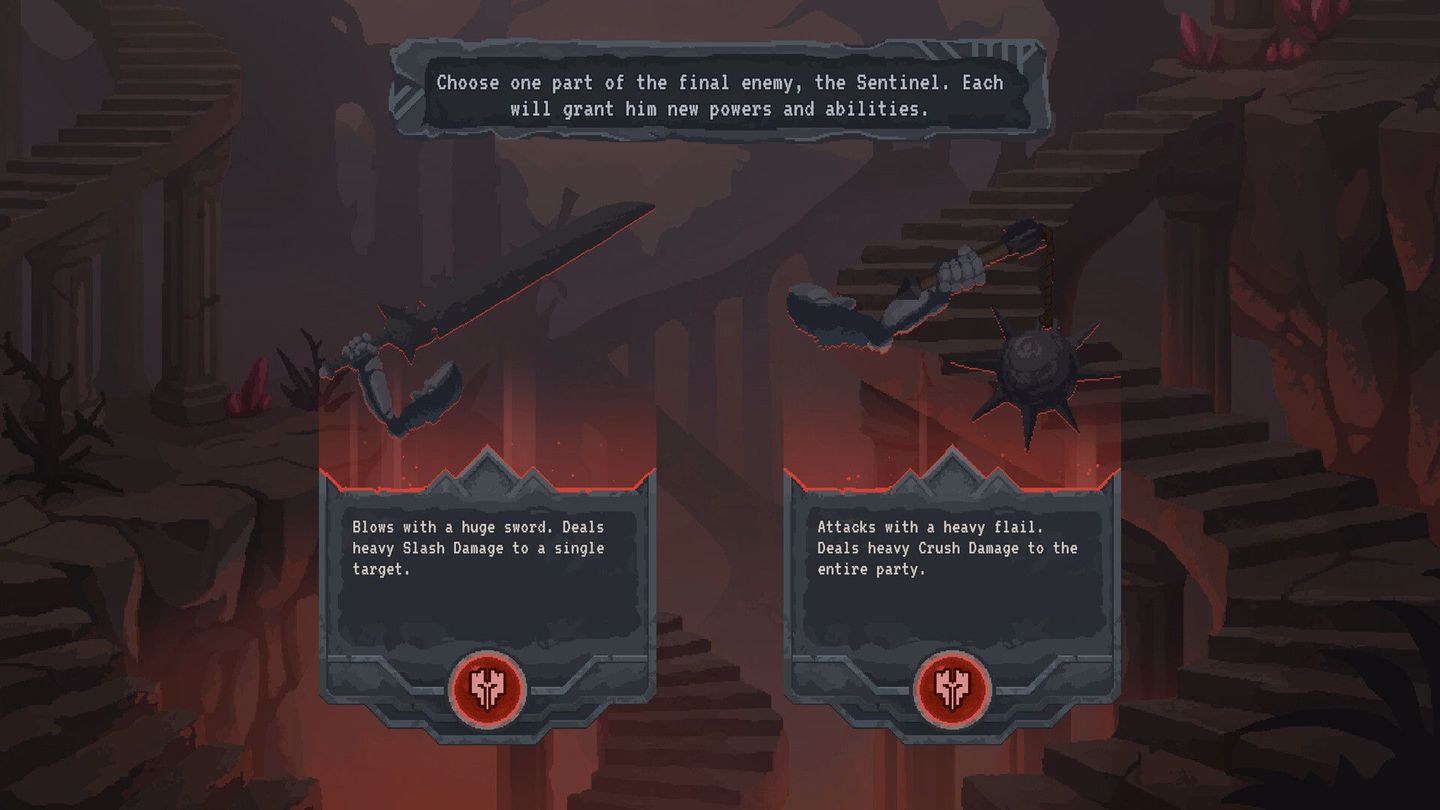
Skills, damage types, and irreversible choices
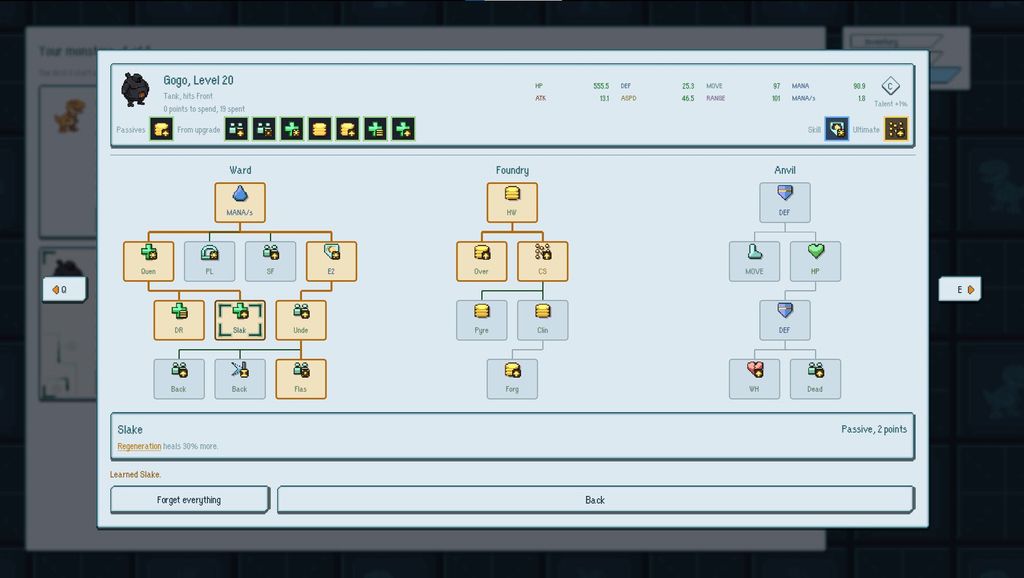
Your hero begins with a base set of skills. Beyond that, everything is up to you. The game is explicit about permanence. Choices about skills and progression are final for the run, which raises the stakes of every selection.
Lootbound also offers multiple damage types. Each kind of damage interacts differently with armor and enemy health. That includes armor penetration, exhaustion, armor destruction, and direct damage. These mechanics let you craft builds around how you want to wear enemies down, and they encourage experimentation across multiple runs.
Calculated risk and roguelike teeth
Risk and reward in Lootbound often resolve through dice rolls, adding a tactile uncertainty to your decisions. That randomness does not remove strategy. Instead it forces you to weigh odds, plan for contingencies, and accept that sometimes you must gamble to progress.
Every run spawns a new party and a new set of interactions. Builds emerge from your choices, item placements, and the dice. Replayability comes from learning to read those systems and learning what combos actually carry you to the final boss.
Lootbound is a game about making decisions that matter. If you enjoy tactical turn based combat, careful equipment management, and runs where every mistake is memorable, this one is worth watching.