
Chronicle of Heroes: Build, Quest, Defend
Chronicle of Heroes sets itself up as a loop built for stories. You place a hold, surround it with buildings, recruit heroes to manage the land, and send those same champions out to chase loot and experience. When the darkness comes to test your defenses you will discover how much a single missing hero tile can matter. When defeat happens the world remembers, and your next heir faces a different set of allies and threats shaped by past runs.
Build a City of Heroes
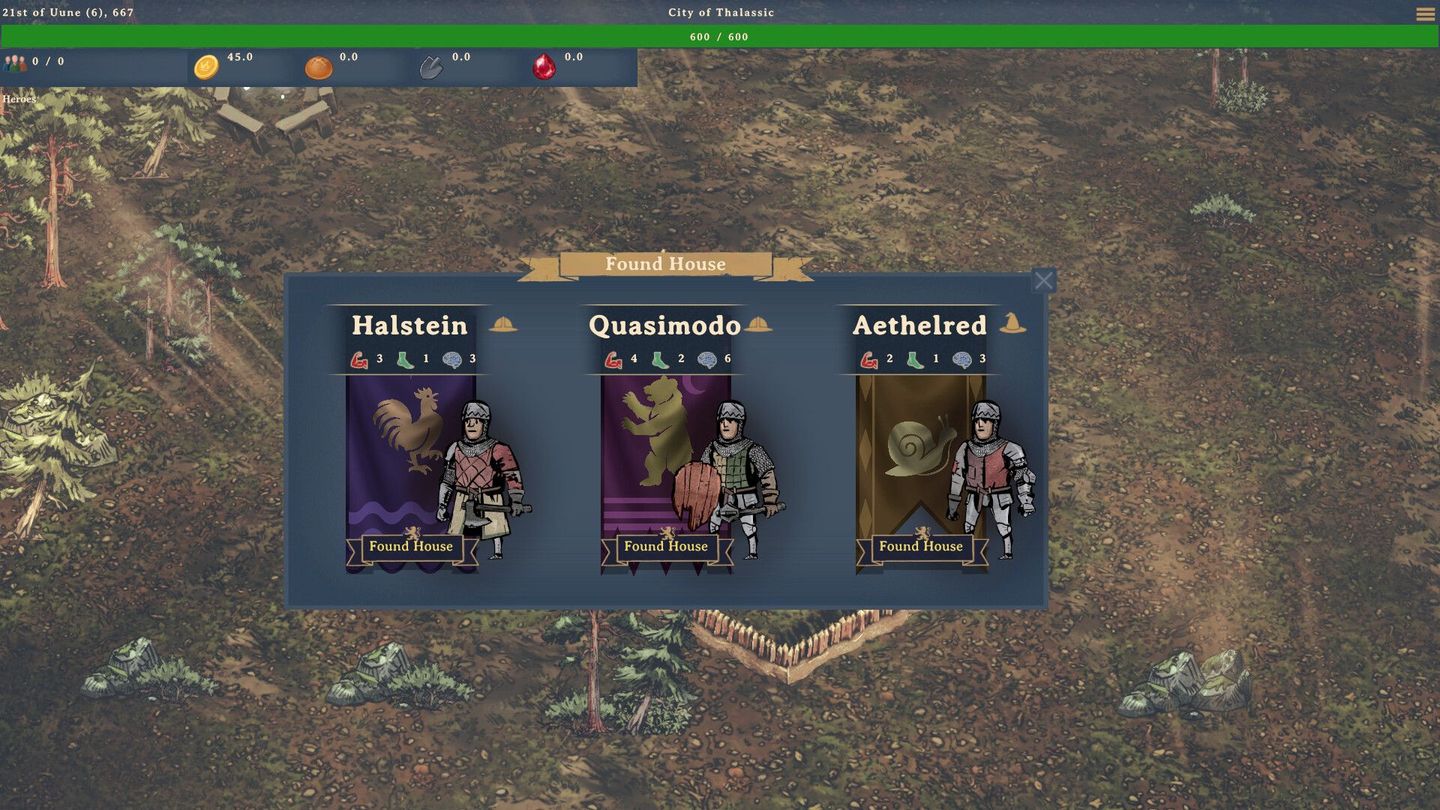
The game uses hex tiles as the backbone of base building. Each hero anchors themselves to a hold on one tile and then manages the tiles around it. That arrangement is more than cosmetic. Heroes provide passive bonuses and synergies to nearby buildings, so placement choices matter for both production and combat performance.
You can tune your kingdom in multiple ways. Focus on economic output by supercharging farms and resource tiles, or concentrate on maximizing a hero's combat potential by placing buildings that buff their stats and abilities. The system forces tradeoffs: a hero who leaves to quest will stop managing their tiles, and those tiles go idle until they return.
Heroes, Dynasties and Skill Trees
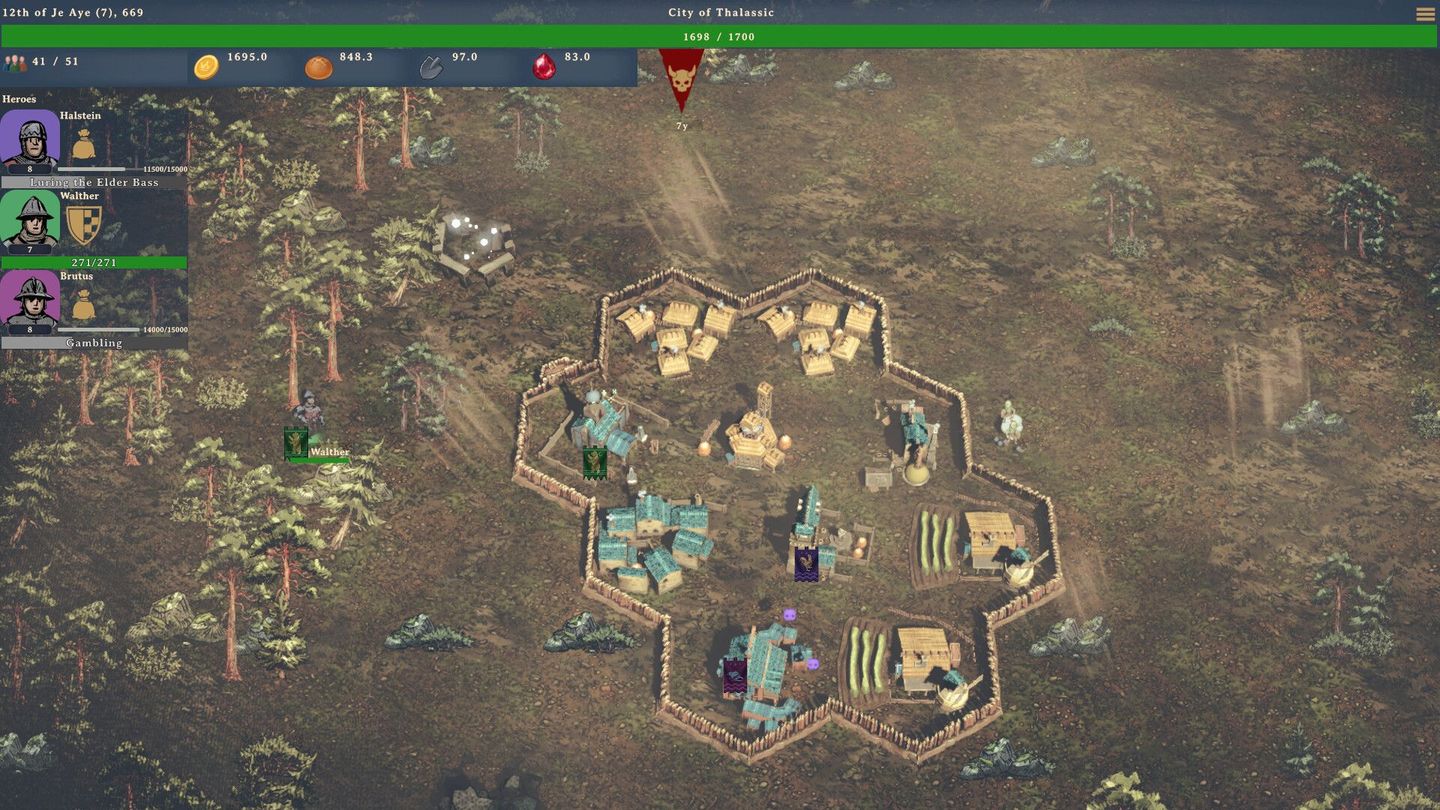
Heroes are the persistent centerpieces. They form dynasties, defend your realm, and venture beyond the map to level up and collect loot. Between runs you will raise heirs who inherit the chronicle of previous attempts, making the campaign feel like a family saga more than a sequence of isolated runs.
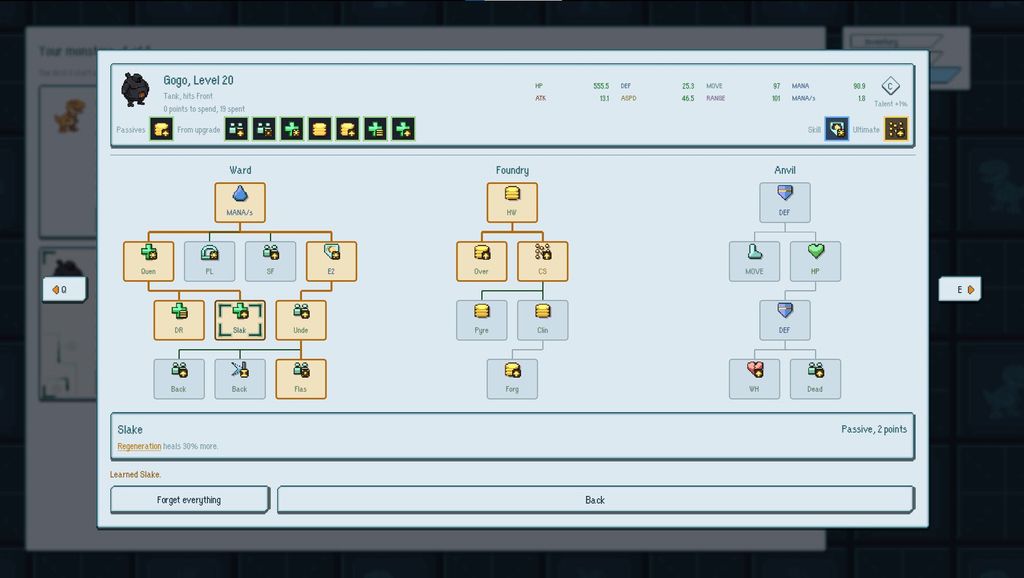
Progression happens through skill trees. Invest resources to unlock talents that change how heroes quest, how they defend, and how their managed buildings behave. That means the build choices you make for a hero will echo in both the city economy and battlefield performance.
Questing and the Auto-Battler Waves
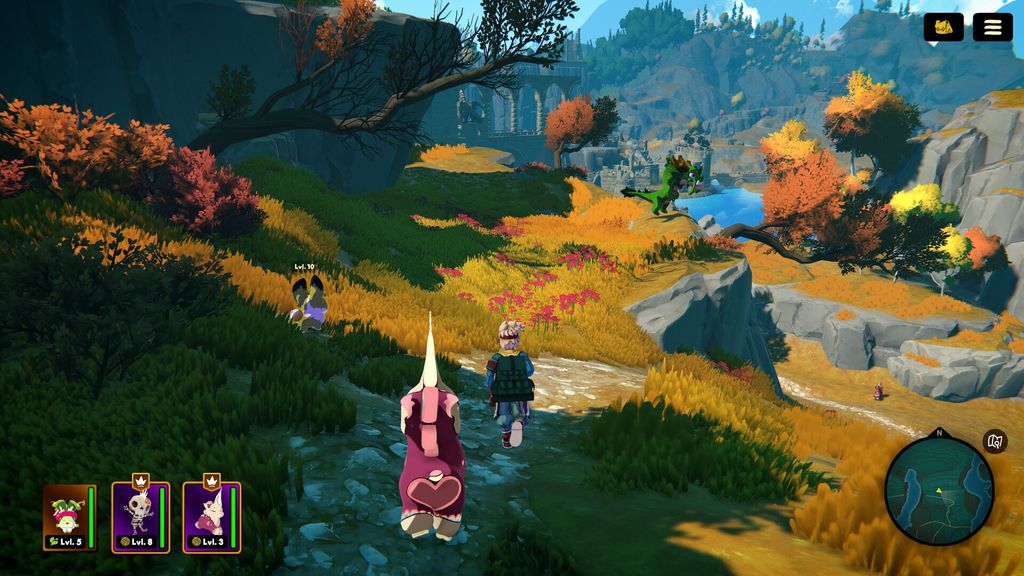
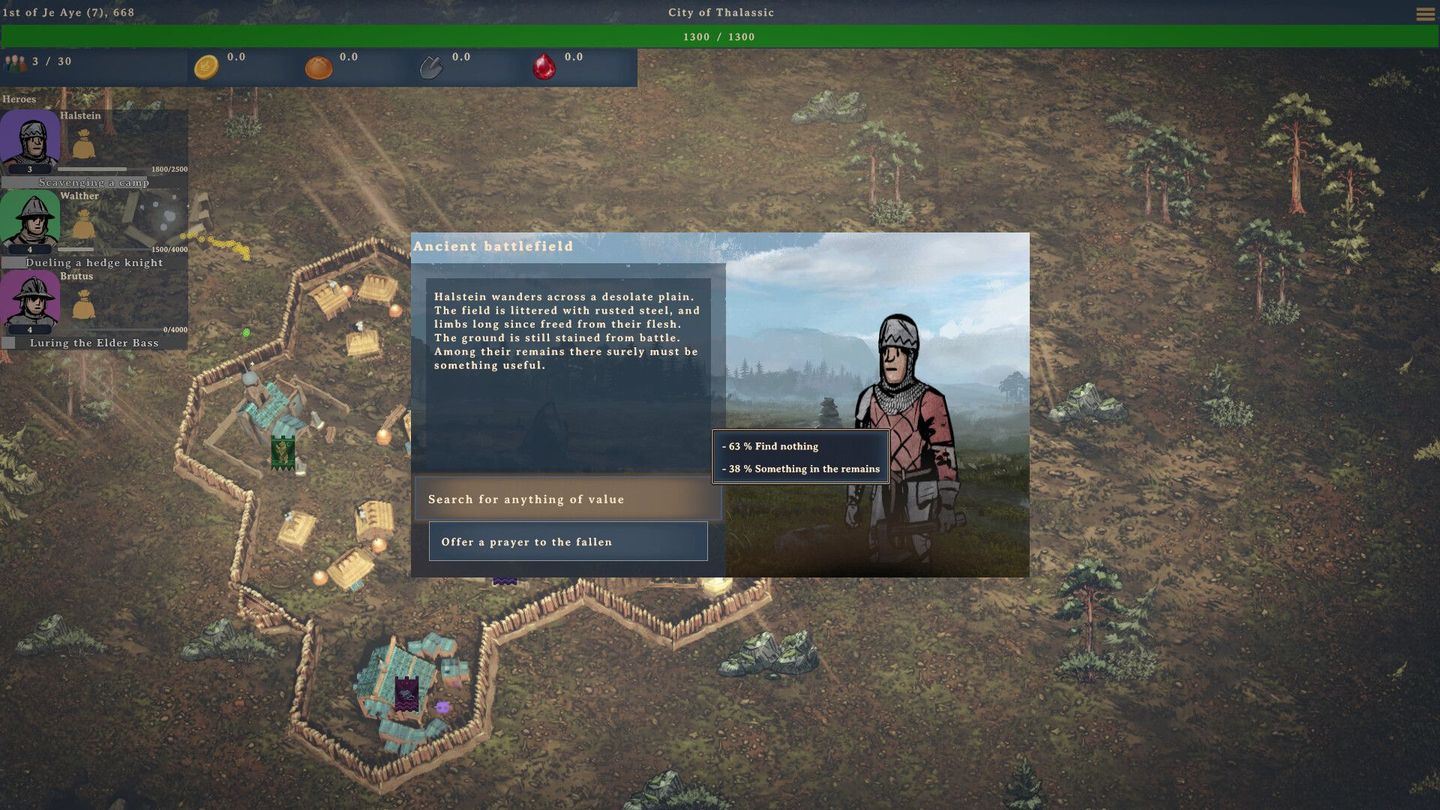
Questing is the risk-reward core. Send heroes away to grind, face strange encounters, and come back stronger with gear and new stories. But every hero you commit to an expedition opens a vulnerability at home. The game asks you to weigh immediate power gains against shorter-term stability.
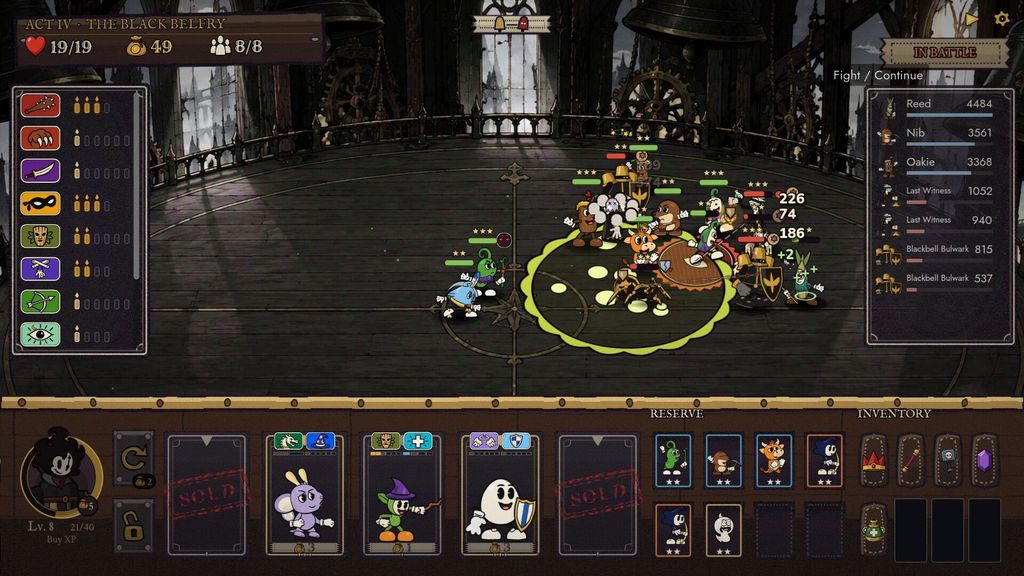
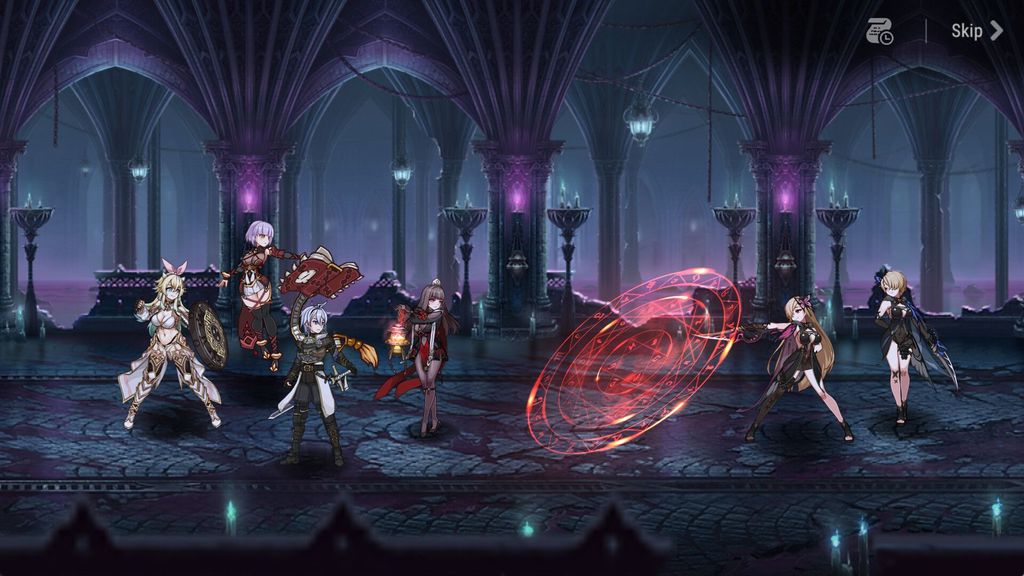
Defenses play out as a large-scale auto-battler. Waves of darkness converge on your city and your heroes line up to repel them. Boss encounters punctuate the assault in a three-act structure, each boss demanding different preparations and mixes of heroes. How you shaped those heroes via skills and buildings will be decisive; synergies you built into the town can turn the tide, or leave you scrambling on the brink of collapse.
A World That Remembers
What sets Chronicle of Heroes apart is its persistent world memory. Runs are almost expected to fail, but defeat does not erase progress. Instead the world evolves: forgotten factions such as dwarves or elves may awaken, adding new encounters, buildings, upgrades, or hero archetypes for future attempts. At the same time new dangers can arise, making each subsequent run feel both familiar and more dangerous.
This layered progression rewards players who treat runs as chapters in a larger narrative. Your chronicles alter what your heirs will face, turning repeated attempts into a living history of your kingdom's rise and fall.
Final Notes
Chronicle of Heroes looks built around emergent stories driven by choice and consequence. The hex tile management tied directly to hero placement gives the base building weight, while the quest-versus-defend tension creates meaningful dilemmas. The persistent world memory promises pacing and variety across runs, so each defeat should feel like set dressing for an evolving saga rather than a flat restart.