
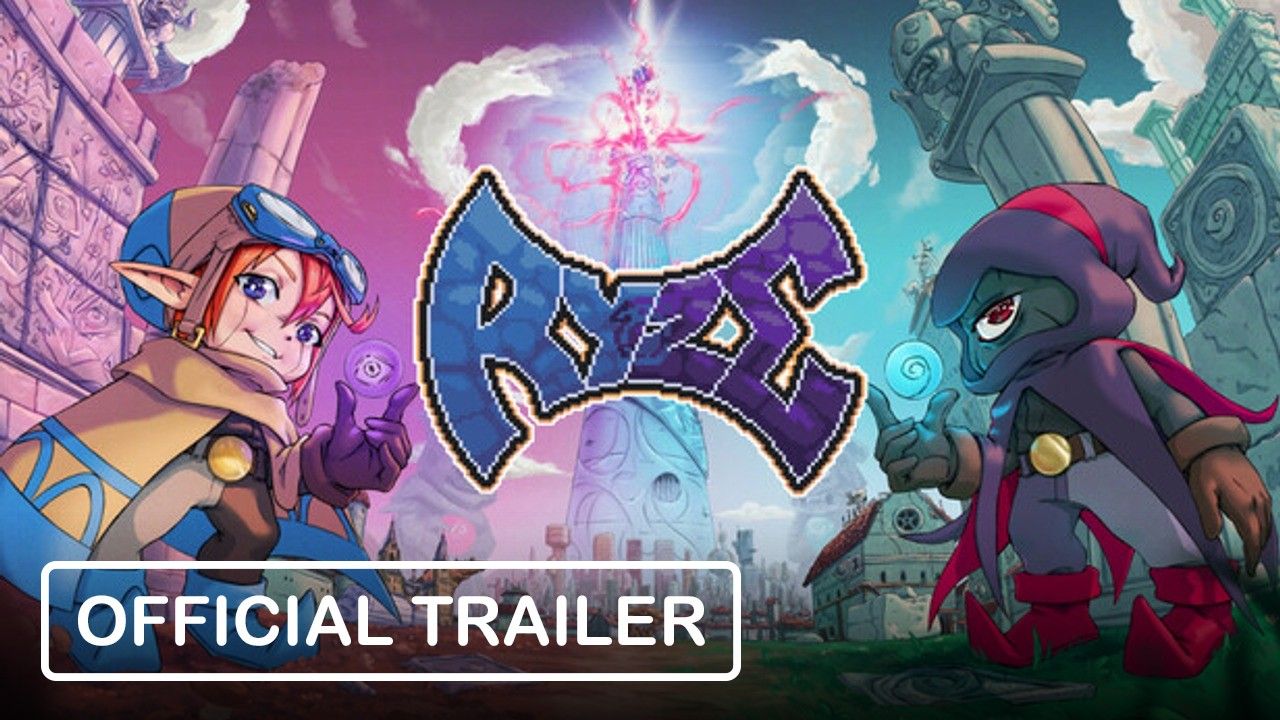
Ryze Throws You to the Top in a Quirky, Unforgiving 2D Climber
You are the Aequus, a being caught between two dimensions with no memories and a single, obsessive directive: rise. Ryze wraps that simple goal in a tight mechanical loop where one action dominates everything else. You do not run or jump in the conventional sense - you throw to teleport, and every toss must be measured against moving platforms, collapsing dimensions, and an escalating margin for error.
The game promises a mix of challenge and charm. It is deliberately unforgiving, but it is also quirky: optional checkpoints let players tune the pain, and a nostalgic-yet-modern soundtrack pulls rhythm into the core of how you move. If you like platformers that demand precision while rewarding mastery, Ryze looks designed to hook you on just one question each run - how high can you go?
Throw to Teleport: The Core Mechanic
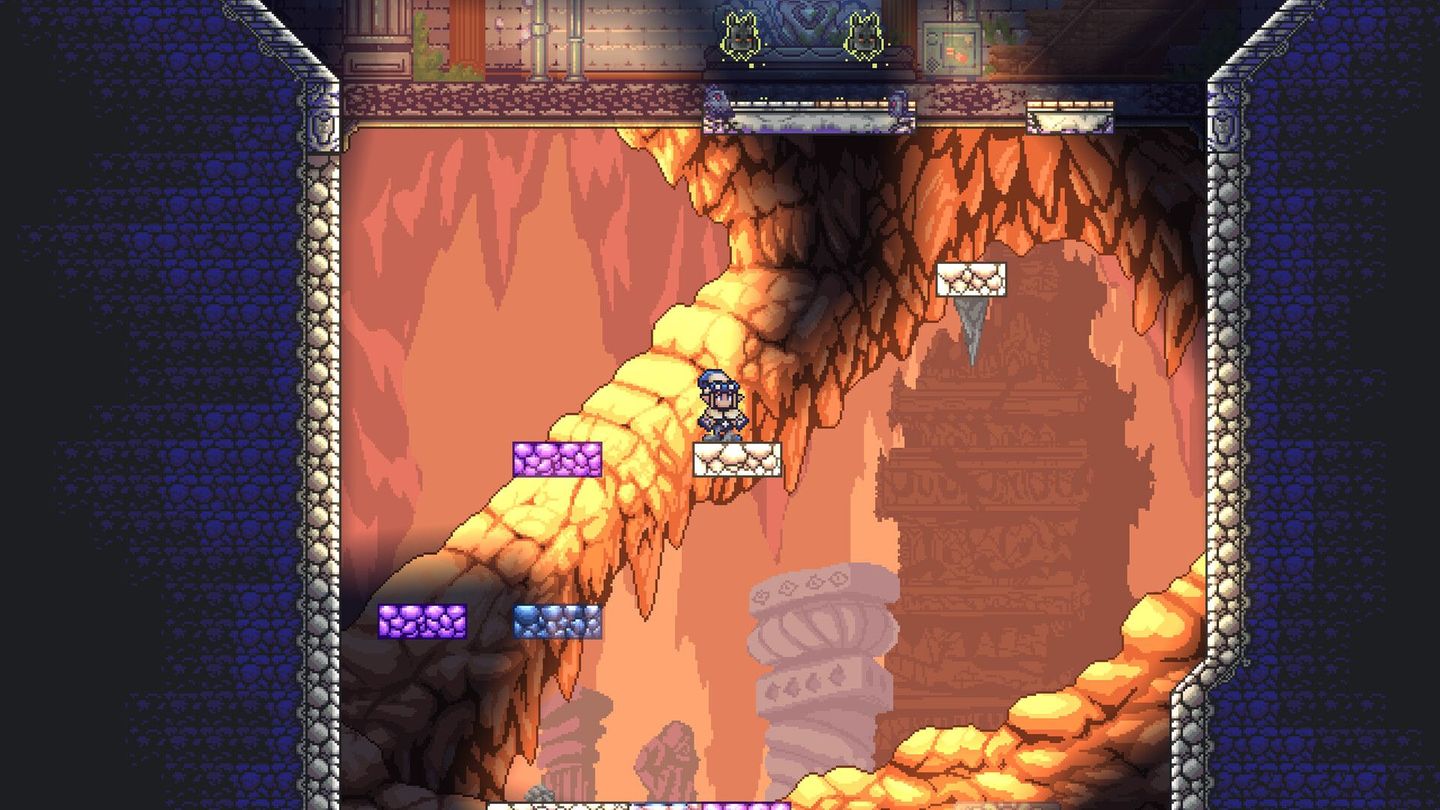
Ryze centers on a single, elegant idea: throwing to teleport. It is easy to learn and difficult to master. Each throw propels the Aequus toward a target point, and the timing, angle, and rhythm of your throws determine how reliably you ascend. Because platforms can slide between dimensions, timing becomes more than a reflex - it is a spatial puzzle.
There is an interesting tension here. The main path upward is often visible, but the fastest or safest route is rarely the most obvious. Miss your mark and you may fall - the higher you climb, the further you can tumble. The game does not kill your character, but setbacks sting, and the design leans into that sensation. Developer notes emphasize practice, patience, and a willingness to learn from each failure.
Biomes, Moving Platforms and High Stakes
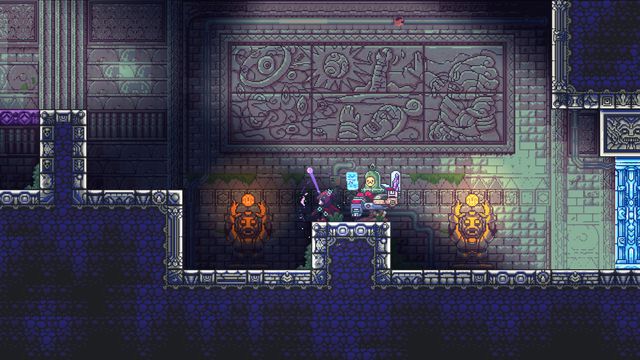
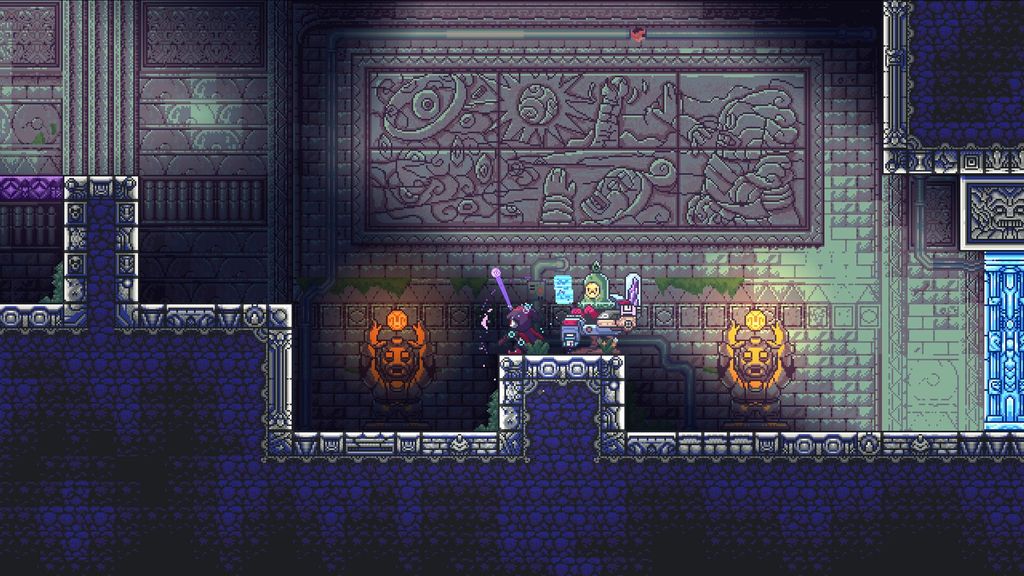
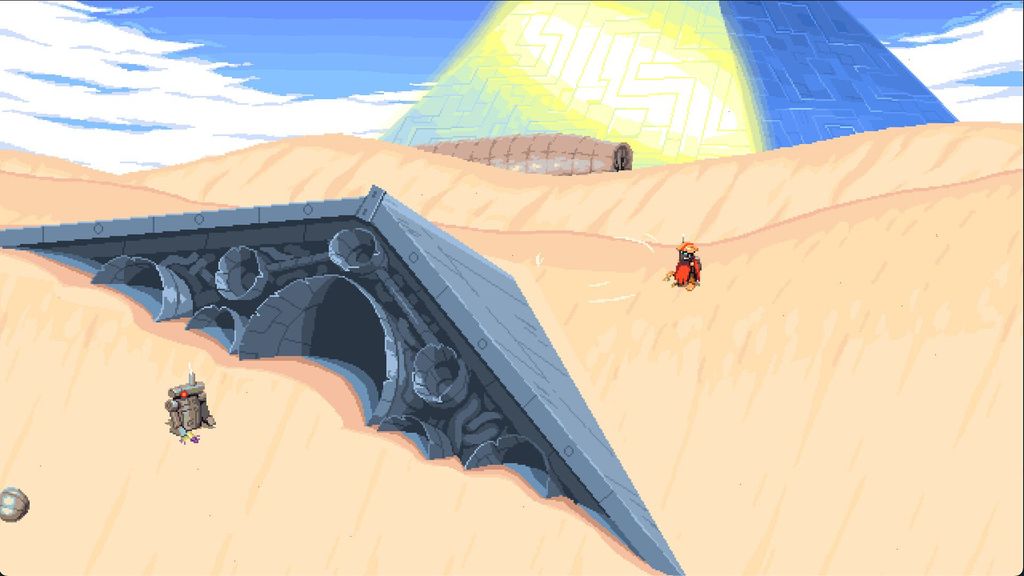
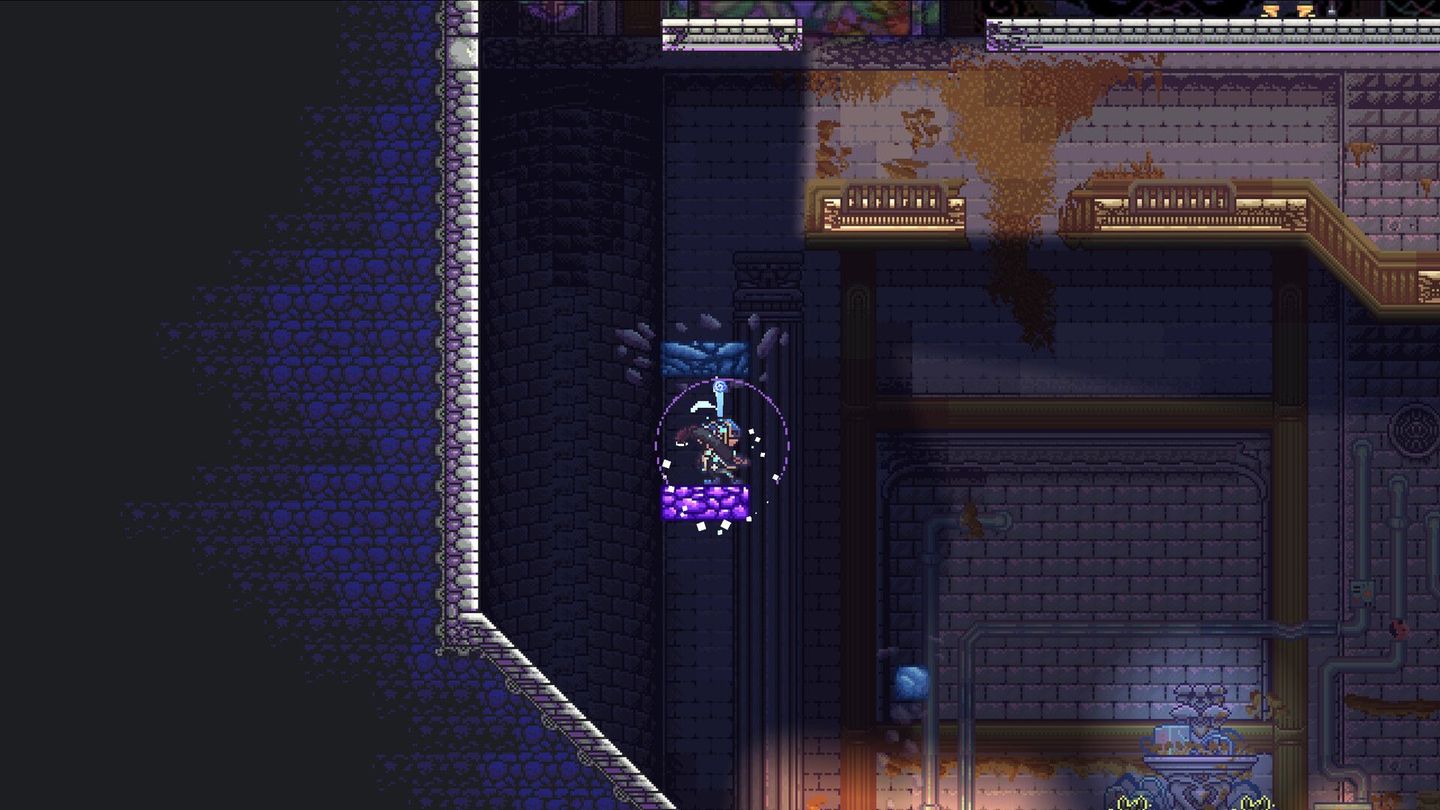
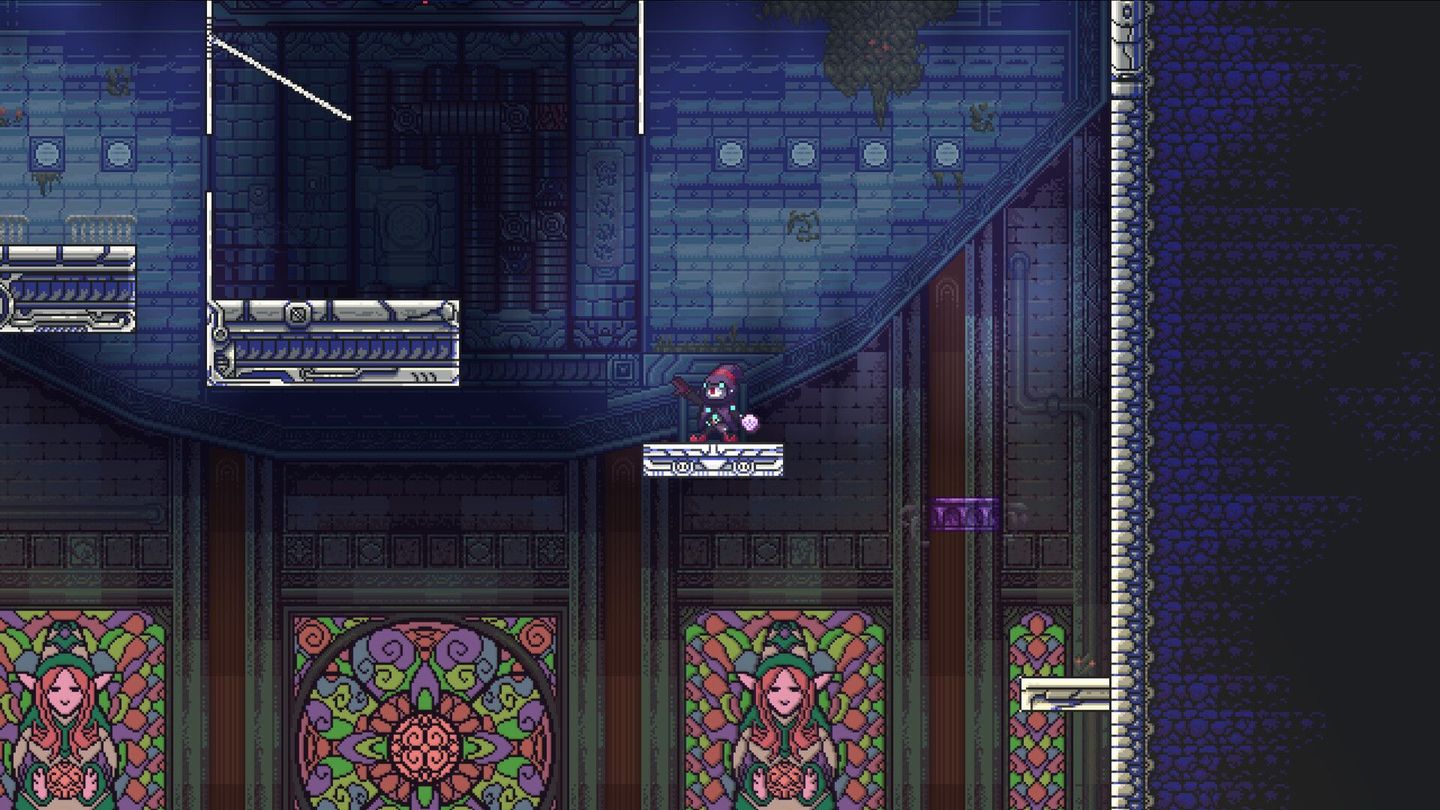
As you climb, you pass through diverse, hand-drawn biomes populated with dozens of frame-by-frame animated NPCs. Each area adds new obstacles and stresses your throw-based toolkit. Platforms that shift between dimensions create dynamic windows of opportunity - time your throw poorly and you may find yourself dropping back into familiar depths.
New challenges arrive with each zone to keep runs engaging. Whether a mechanic subtly changes how you must approach a sequence or an environmental rhythm syncs with the music, Ryze layers difficulty in ways that reward observation and adaptation. Optional checkpoints are available if you want to soften the difficulty curve, but the game clearly expects at least some players will prefer the pure, unforgiving climb.
Soundtrack, Art and Deep Lore
Ryze pairs its mechanical clarity with aesthetic care. The soundtrack is described as nostalgic yet modern and is tightly tied to gameplay. That audio-visual marriage appears intended to guide your timing, with music helping you internalize rhythms and prepare for tight windows.
Visually, Ryze leans into detailed pixel art and hand-drawn biomes. The tiny animated NPCs and richly crafted backgrounds aim to make every vertical slice of the world feel alive. Beyond surface presentation, the game holds deep lore for players who look for it. The Aequus has no memories, but scattered environmental storytelling promises hints about why the two dimensions are collapsing and why rising matters.
Replay, Leaderboards and Optional Mercy
Ryze supports leaderboards for speed and optimal runs, inviting players to refine routes and compete for the best climbs. That competitive angle pairs well with the central throw mechanic - mastery becomes measurable, not just personal. Optional checkpoints let you choose how much suffering you sign up for, and the mix of persistent challenge plus social comparison should keep runs meaningful.
If you appreciate platformers that reduce movement to a single, skillful action and then ask you to perfect it, Ryze looks like a neat, focused test. Time your throws, let the music pull your rhythm, and maybe keep a spare controller handy for when patience runs out.