

Fix it, Please! Puts You Behind PIX CORP's Badge Window
July 21, 2000. The city runs on PIX CORP's lists, and if you are not listed then you do not exist. You are the new technical specialist in cubicle 1-B: a window into the corridor, a stamp, and a terminal full of personnel records. The job is deceptively simple. Check the form, stamp it, and do not ask questions. The tower would prefer it that way.
That is until a courier leaves a sealed envelope with an addressee not found in any database. From there the shift toys with you. People, parcels, cameras and dead hardware all conspire to turn a routine night into a test of attention, timing and instinct. Three strikes, and the run is over.
A Shift at the Window
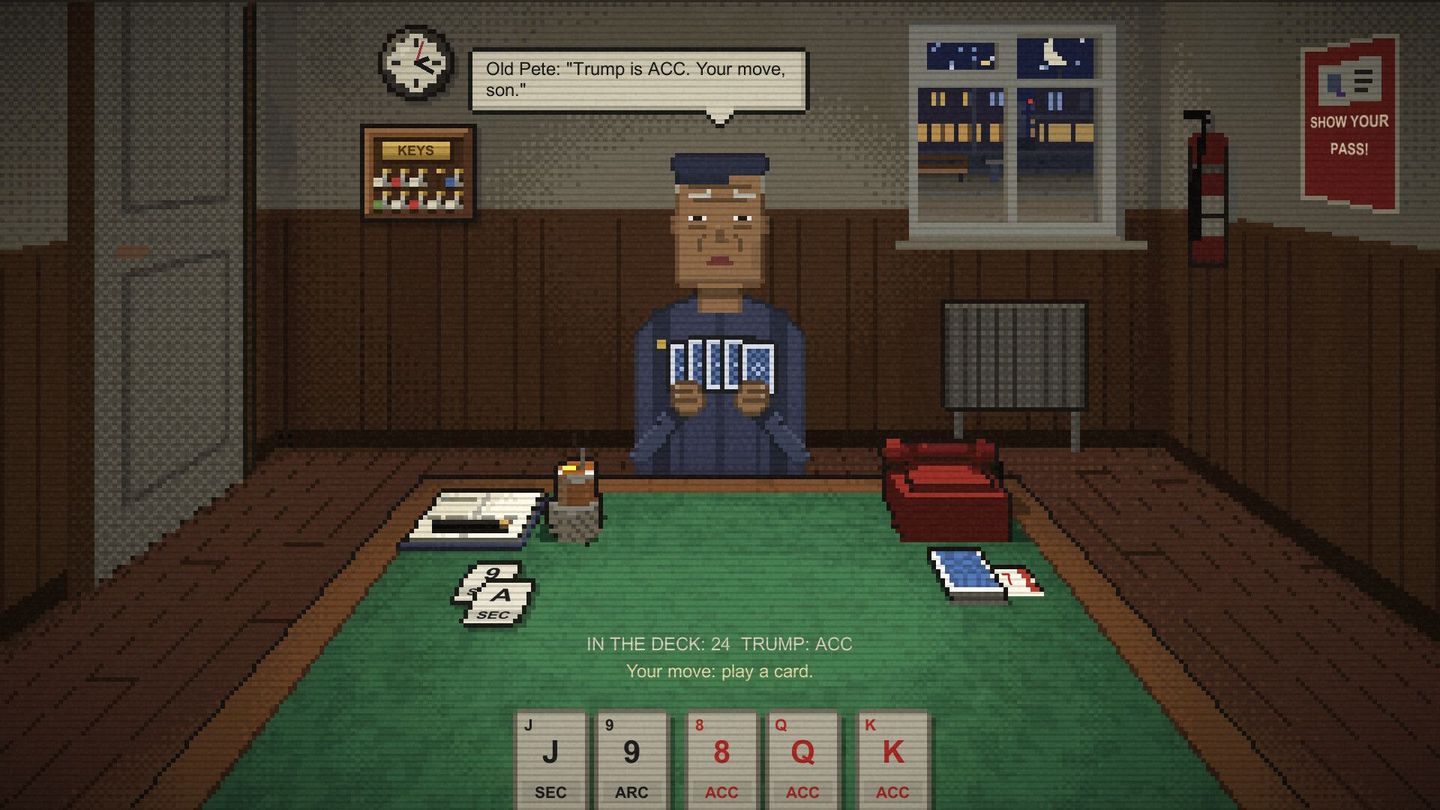
Fix it, Please! distills the feel of frontline bureaucracy into a compact, tense loop. Your tools and tasks are straight to the point.
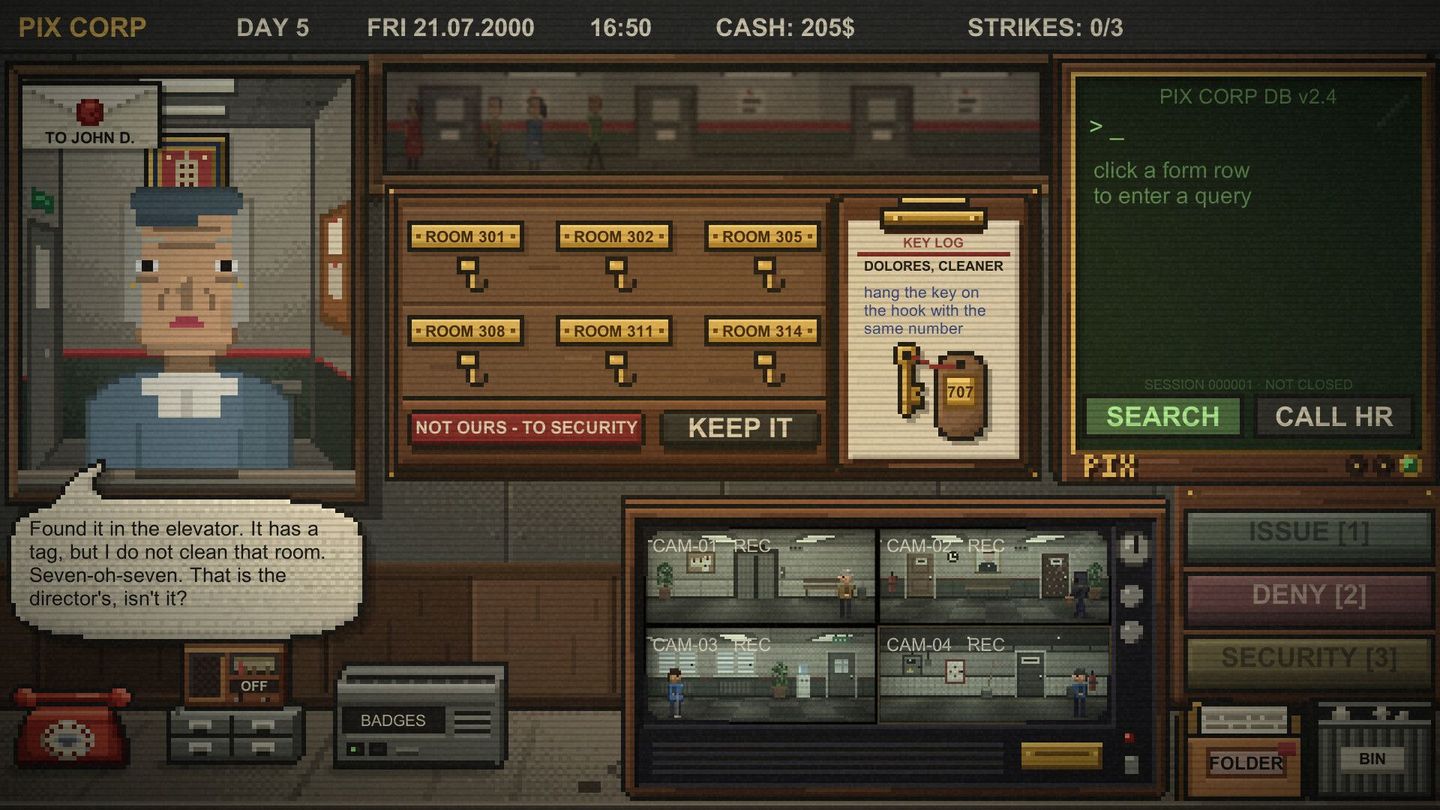
- Badges. Compare every form field to the staff database, check seals against several forgery types, and match the photo to the person at the window. Your ultimate actions are ISSUE, DENY or call SECURITY. When the paperwork looks clean but you still suspect something, you can employ a UV lamp, call HR, or pull the personnel photo for a closer look.
- Cameras. Walls get smashed, messages get scrawled and scrubbed. Cameras catch fragments. Deciding when to get janitorial help and when to ignore a scene matters. False calls to security carry a cost.
- Tickets. The sysadmin's queue contains eight different breakdowns: viruses, frozen machines, pulled cables and more. Each ticket has a deadline. Ignore them and the tower remembers.
- Parcels and keys. Check waybills against the floor directory. X-ray suspicious packages. Sometimes the address on the label points to a floor the elevator will not take you to.
- The queue. People do not wait forever. They grumble, leave and build grudges that affect future runs. The hooter marks the 21:00 cutoff for your shift.
Every decision has a practical and social consequence. Fix something and the bill still comes out of your wages. Turn someone away and they may remember. That tension is the engine of the game.
Red Tape as a Roguelike
This is a roguelike of forms rather than swords. You get three strikes. Those strikes can come from wrongful approvals, missed deadlines or calls you should not have made. When your run ends you discover how light your box of personal belongings has become.
Between shifts the ledger keeps tally. Housing, meals and upkeep are deducted from your pay. The supply depot sells practical upgrades like a better UV lamp, a camera filter or even a second phone line. There is also coffee and a cat for sale, both of which are more than cosmetic touches.
Special days change the rules of a single shift. A visiting commission, pest control, payday or crunch order can tilt the balance and force you to improvise. The game tracks 160 permanent residents in the town card index. It remembers who you denied, who holds a grudge and who talks too much. Rumors collected in a book are not just flavor. Each rumor links to an event that can validate it.
Loops, Ledger and Evidence
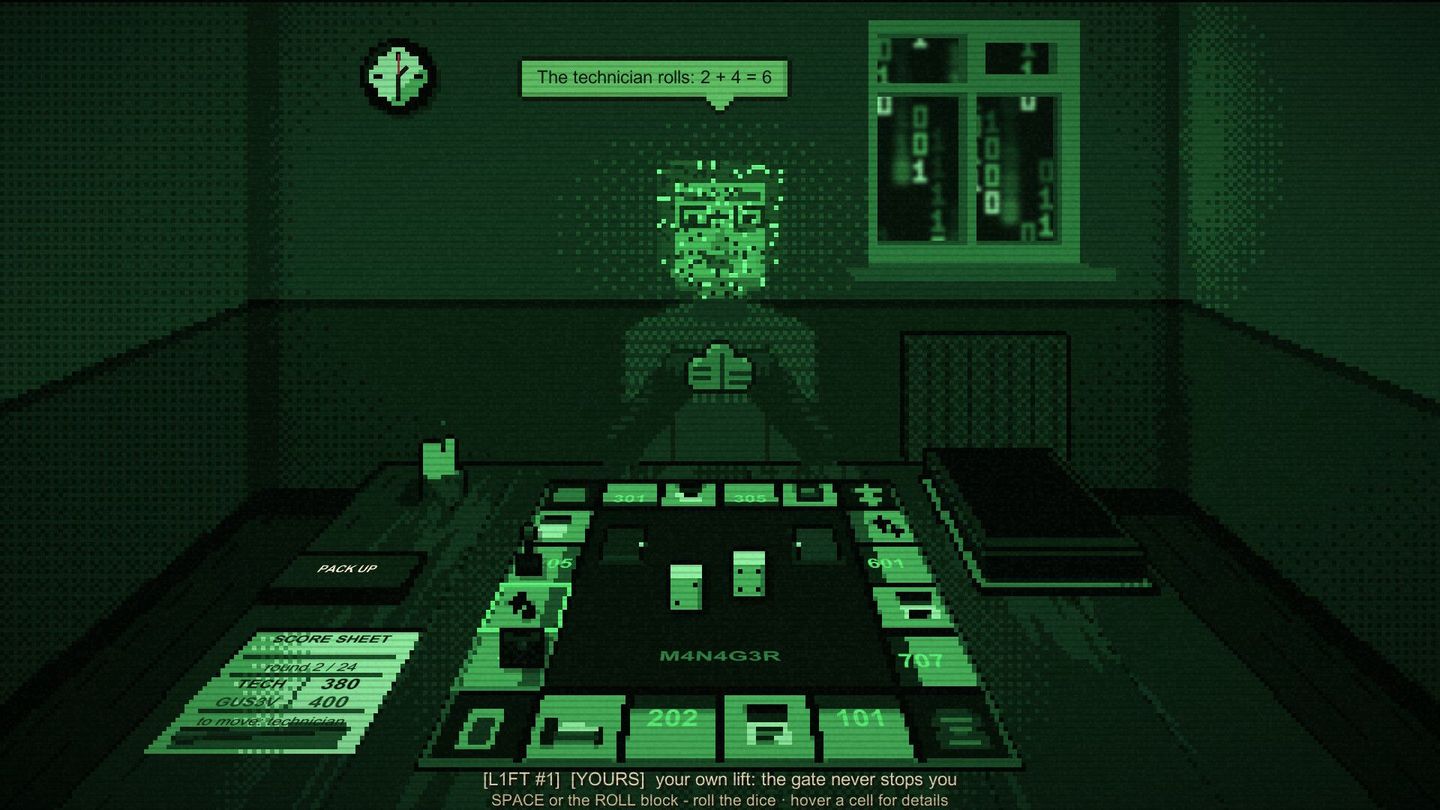
Every day is the same Friday. After seven shifts the week repeats and the tower remembers you more each loop. Evidence accrues. By the second or third cycle people begin to speak of the loop out loud. Leave something in Locker 44 in the archive and future selves can retrieve it. There are 13 pieces of evidence to discover and nine different endings, from getting little more than a box of belongings to unlocking a Saturday nobody in the city remembers.
The game offers a short training shift plus three full loops of the same week. Between those runs your choices matter. The terminal even hides old games inside its directories, a small but intriguing layer of discovery.
Modes and Multiplayer
Fix it, Please! is built to accommodate different play styles. You can play solo, but there is also cooperative shift play where one operator manages the database and handbook while a technician handles the window. A third player can occupy the curator's office. The game supports mail by personnel number, letting you craft forms or parcels for friends, and the story plays fine without a network connection.
On air options let chat join the queue and vote on whoever is at the window. Controller support is full, with each action mapped to a button so you can run a whole shift from a gamepad. There are extra modes like Endless Friday, Daily Shift with shared seeds, hardcore mode and 33 achievements for completionists.
Fix it, Please! frames the mundane as a rich procedural playground. If you like careful observation, slow-burn discovery and a roguelike structure built from red tape, it looks like a peculiar and rewarding tower to get stuck in.