
Reverie - Get Lost to Find the Truth
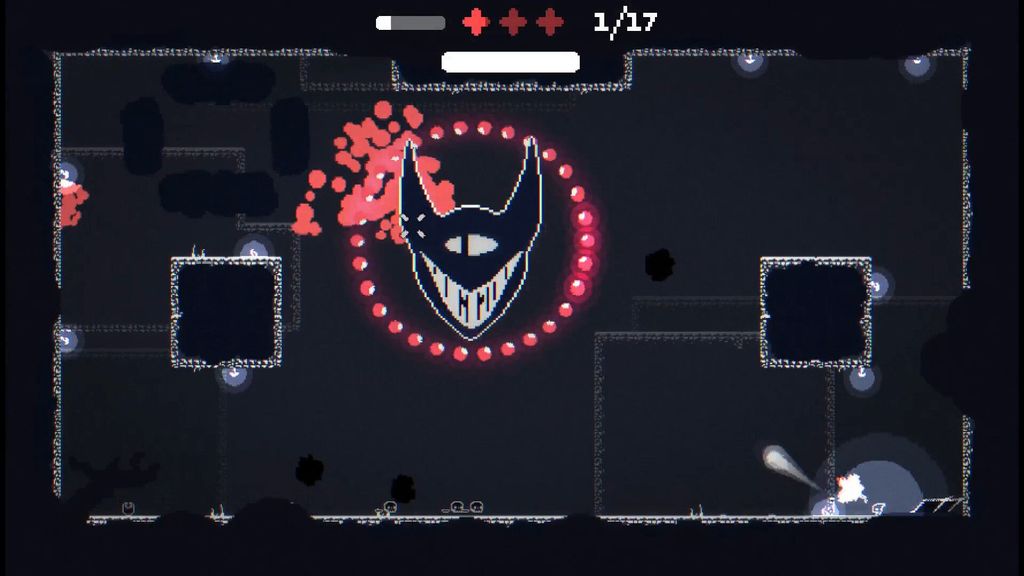
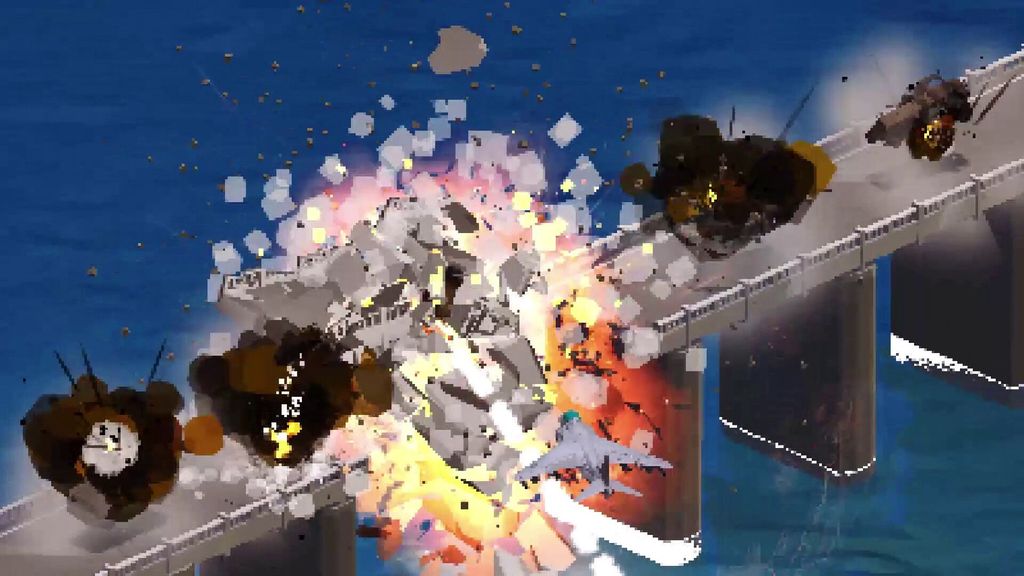
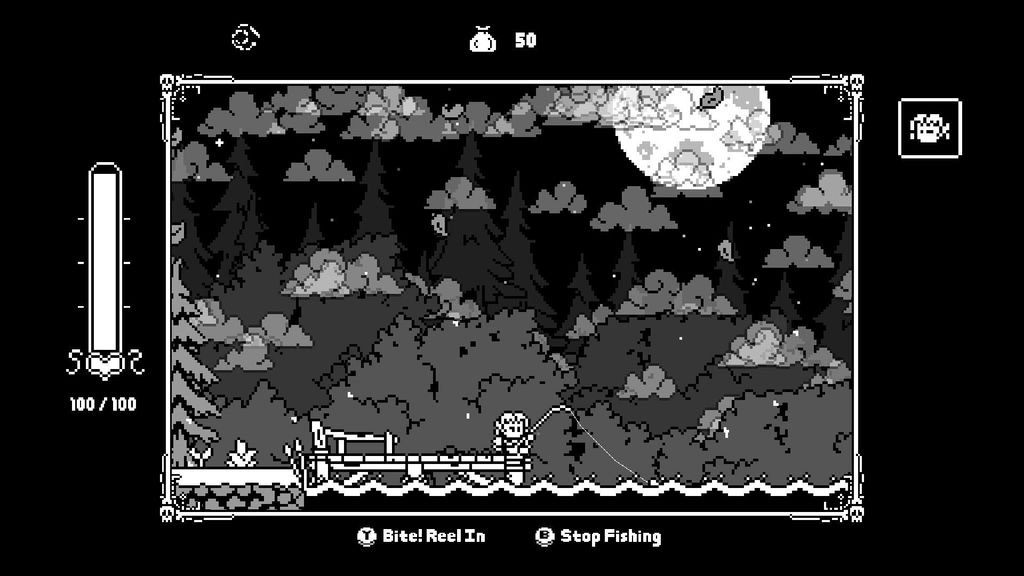
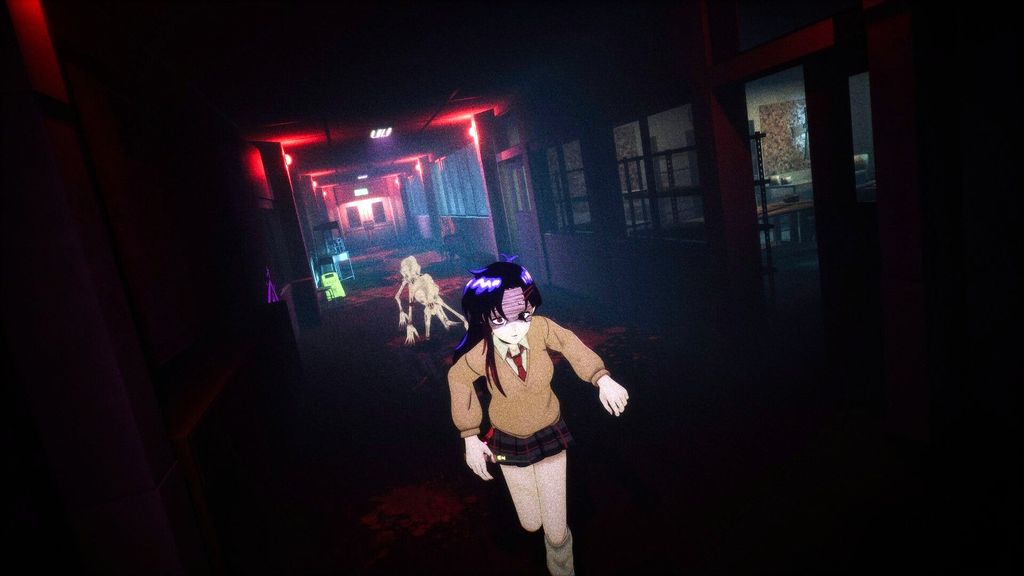
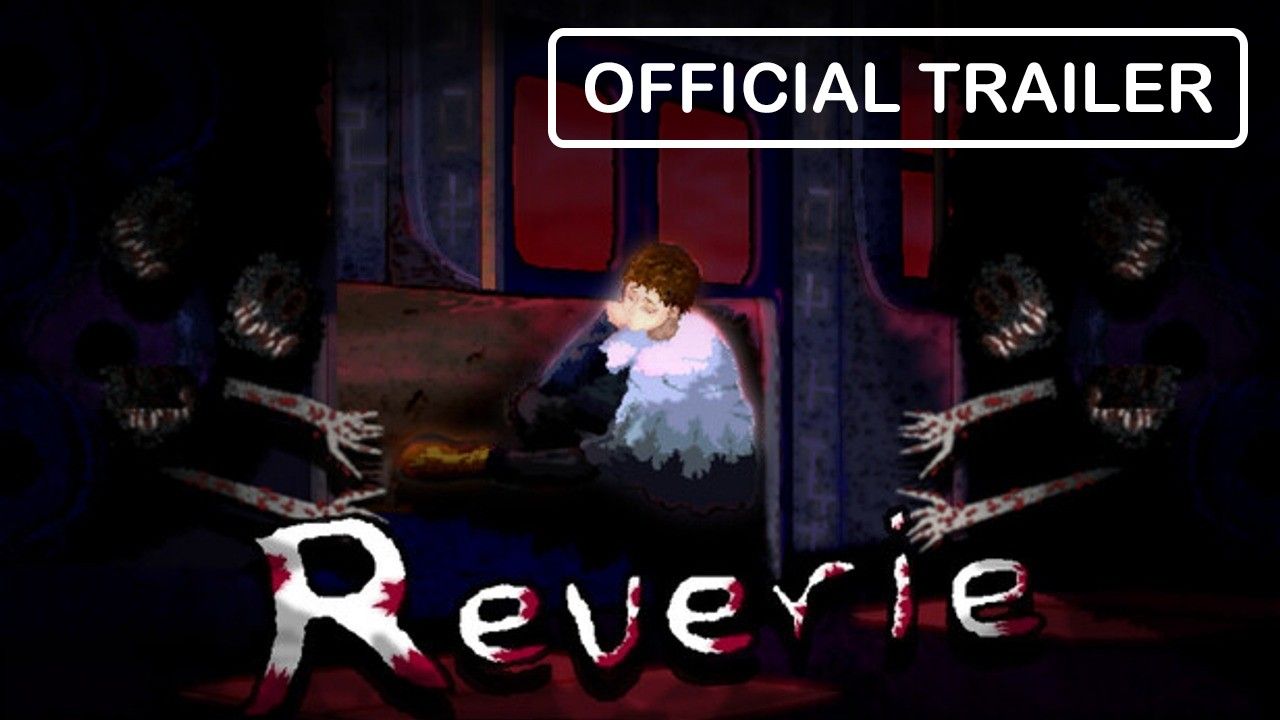
Reverie throws you into a world that is literally coming apart at the seams. It blends psychological horror with fast, brutal action and procedural exploration so each trip through the map feels uncanny. You will fight grotesque, infected things, collect alien gear, brew strange drugs, and keep dying until the pieces of your past start to make sense.
This is not a survival sim that asks you to cling to life at all costs. Death is part of the loop. Each failure pushes you deeper into the systems of Reverie, unlocking new possibilities and dragging you closer to the strings that tug at the world's fate.

A World Unstitched
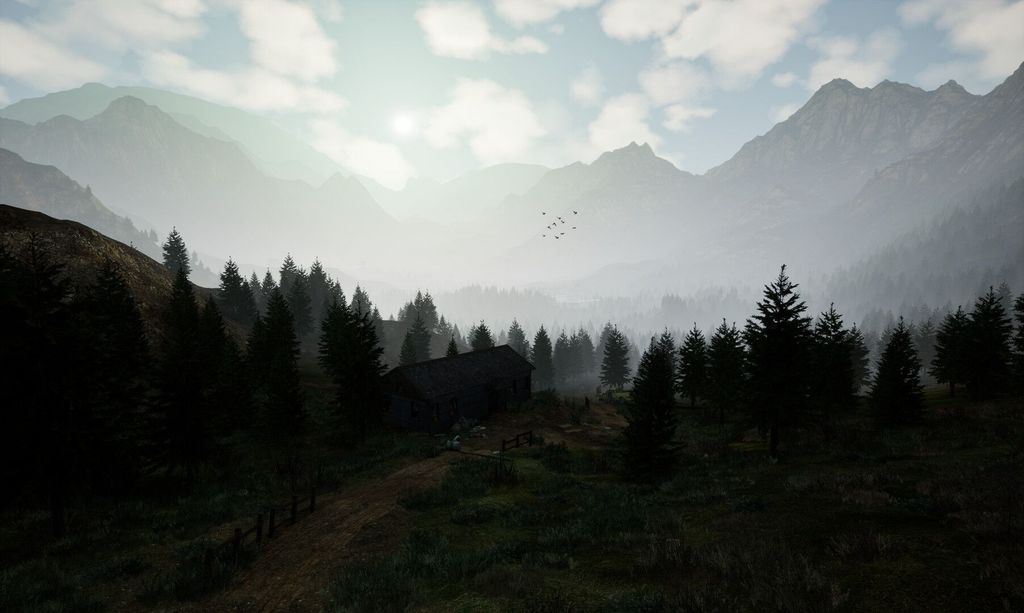
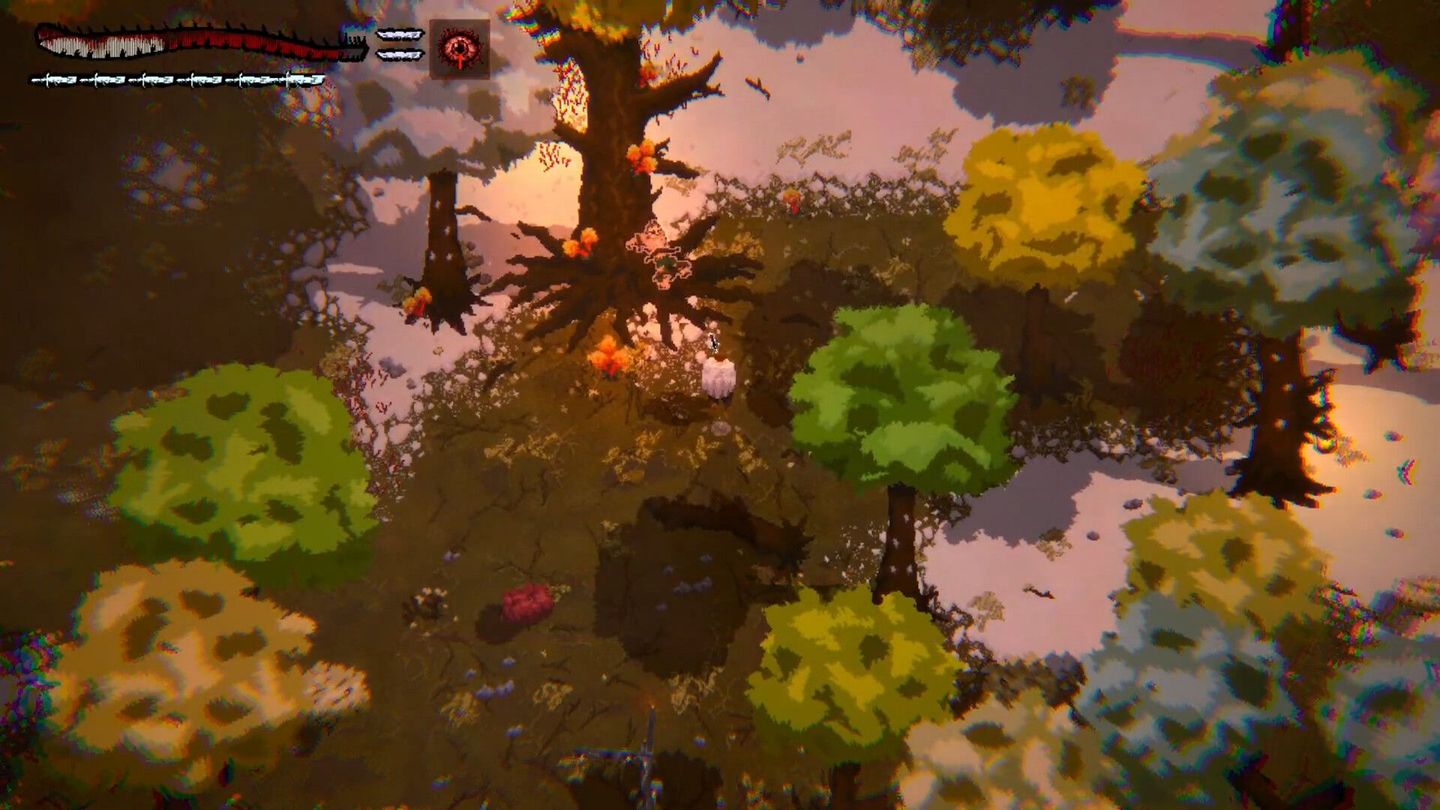
The game leans hard into atmosphere. Procedurally generated regions, crumbling laboratories, and hidden abstract domains knit together a place that feels familiar and wrong at the same time. Exploration is natural and hazardous. You will harvest monster remains, rare resources, and odd artifacts while following threads of a larger plot that threatens everything.
The map rewards curiosity and punishes carelessness. Some areas are straightforward corridors of menace, while others hide abstract interludes that flip expectations. Meet strangers along the way. Some will help. Some will betray. A few may change how you understand this dying world.
Hack, Slash, Die, Return
Combat is visceral and demanding. Reverie asks you to learn spacing, enemy habits, and timing. Weapons are varied and customizable. Add elemental effects, combine gear, and swap loadouts often to find what works. The game encourages experimentation: a failed run is not just a setback, it is data.
Death is woven into progression. When you fall you return with more knowledge, new choices, and altered access to systems. The premise is simple and brutal. Fight, die, return. Every loop tightens the narrative strings and feeds the question of why you are here in the first place.
Mind Over Matter
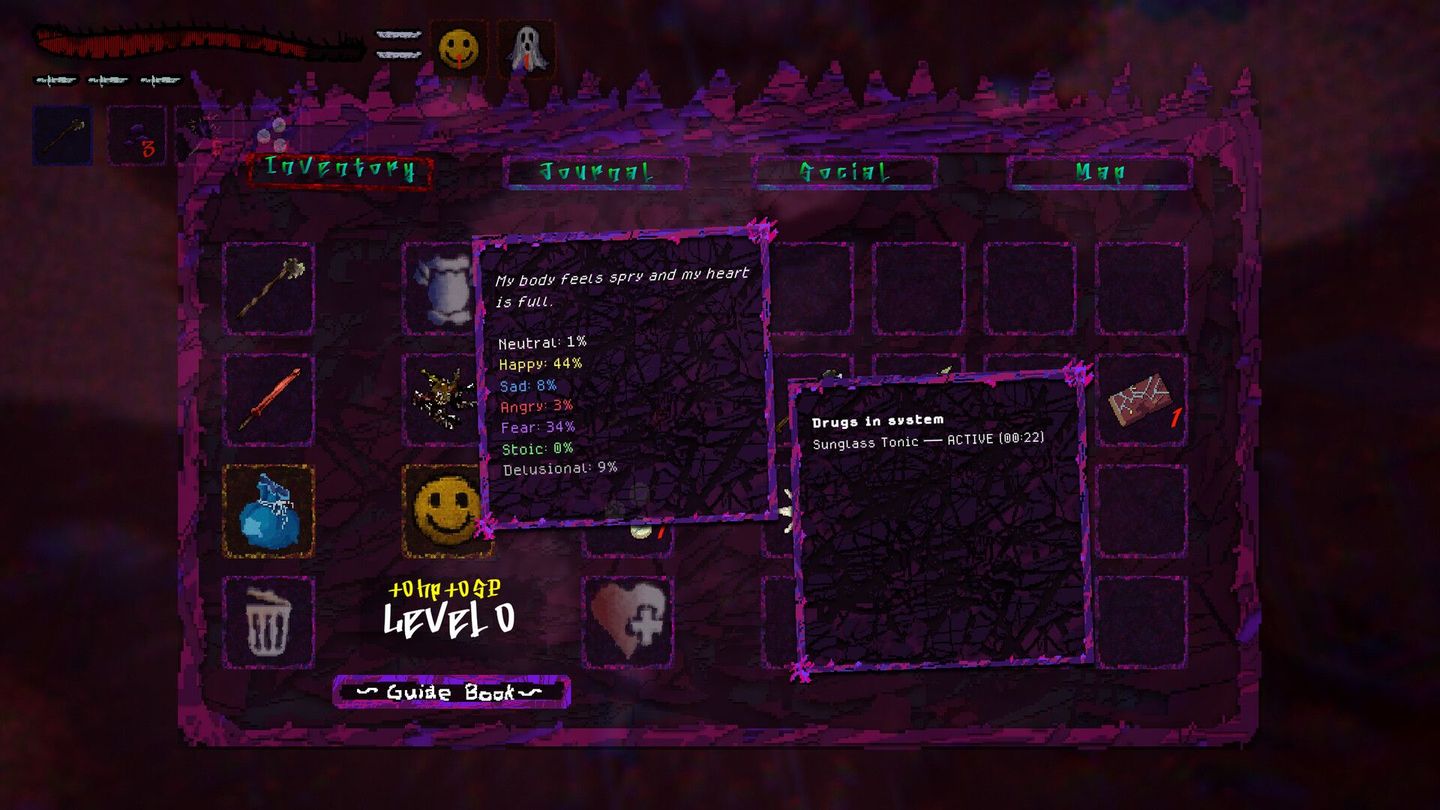
One of Reverie's more intriguing systems tracks your character's emotions. Fear, anger, sadness, happiness, delusion, stoicism, and numbness are not window dressing. They alter how you perceive the world, how you approach combat, and what you discover. Emotions can change encounters and twist the environment in subtle and not so subtle ways.
That emotional layer makes each run feel personal. A corner that once felt safe can shift into nightmare if your character's mental state tilts. It ties the psychological horror into gameplay rather than keeping it as mere flavor.
Crafting, Skills, and Strange Medicines
Gather materials, upgrade weapons, craft alien drugs, and unlock movement and combat skills that reshape how you traverse and fight in the world. Reverie mixes conventional weapon progression with offbeat tools and consumables that can be game changers in the right hands. Combining equipment and effects lets you tune a playstyle for heavy offense, nimble exploration, or survival through cunning.
Replayable systems and procedural variety mean that optimization is ongoing. The game seems designed to reward restless experimentation rather than a single optimal build.
Play Alone or With Friends
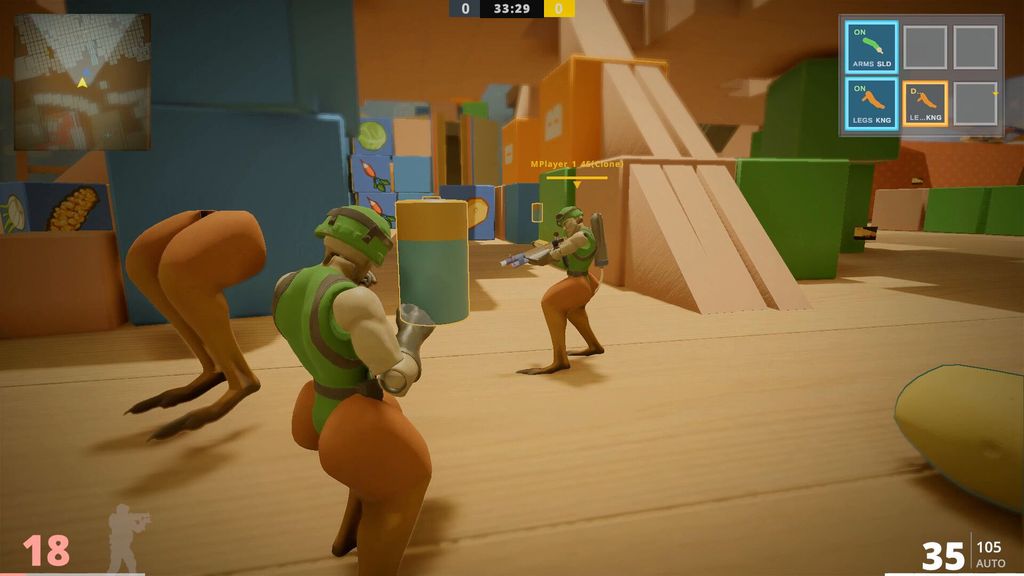
Reverie supports single-player narrative play and online co-op. Teaming up changes the feel of discovery and combat, but it does not remove the core tension. The world will still try to break you down, even if you are joined by allies. Shared runs offer a different texture to the emotional systems and emergent storytelling that comes from defeating and failing together.
What to Expect
Expect a psychological horror action-adventure that does not spoonfeed answers. Reverie blends demanding hack-and-slash fights with exploration, crafting, and a narrative loop built around death and return. If you like games that make you learn by losing, enjoy atmospheric worlds that warp your expectations, and like your stories with a side of unease, Reverie has a lot to offer.
The world wants to be understood. It also wants you to stumble.