
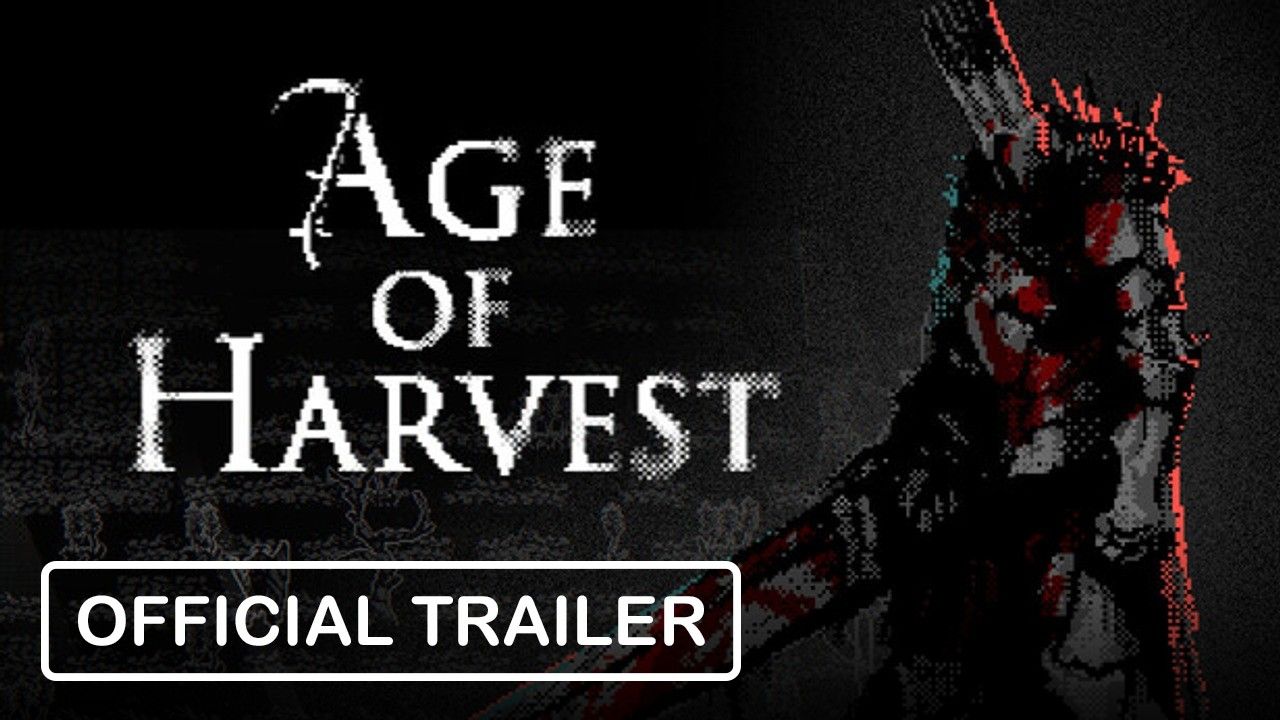
Age of Harvest: A Roguelike Where Your Body Matters
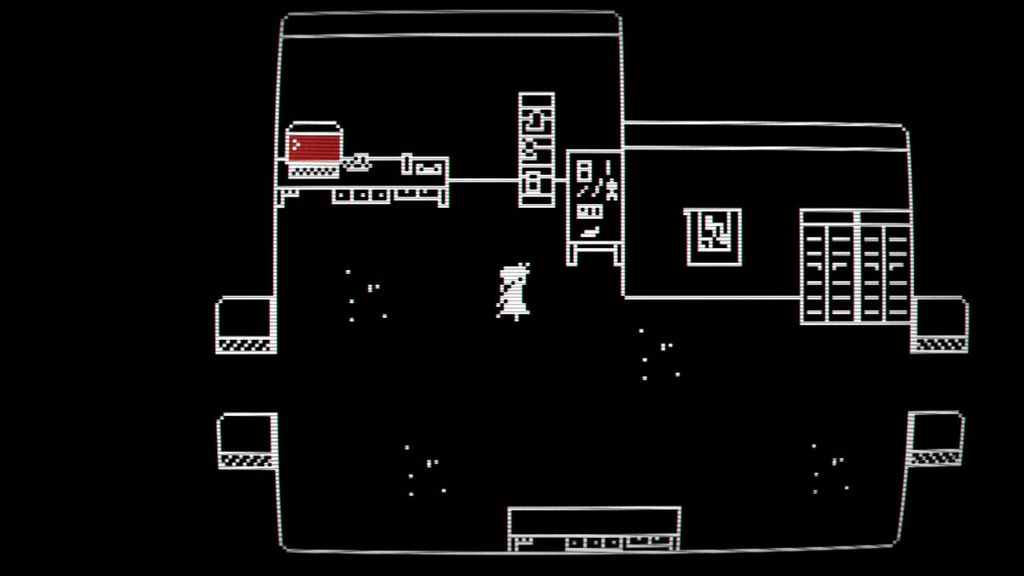
Age of Harvest is a 2D simulation traditional Roguelike that leans hard into systems and consequences. The world it places you in is not a static backdrop. It lives, shifts, and keeps secrets. You explore a labyrinth whose layouts, paths, and dangers are never the same, fight creatures with their own needs and senses, trade and craft from what the world gives you, and manage a fragile, organ-based body where injuries change how you move and fight.
There is a clear tone to the pitch: this is about simulation and discovery above all. There are no fixed routes or guaranteed strategies. You can be the foretold cartographer who brings about the true Age of Harvest, or simply another line in the labyrinths tally of disappeared explorers.
A Living, Ever-Changing Labyrinth
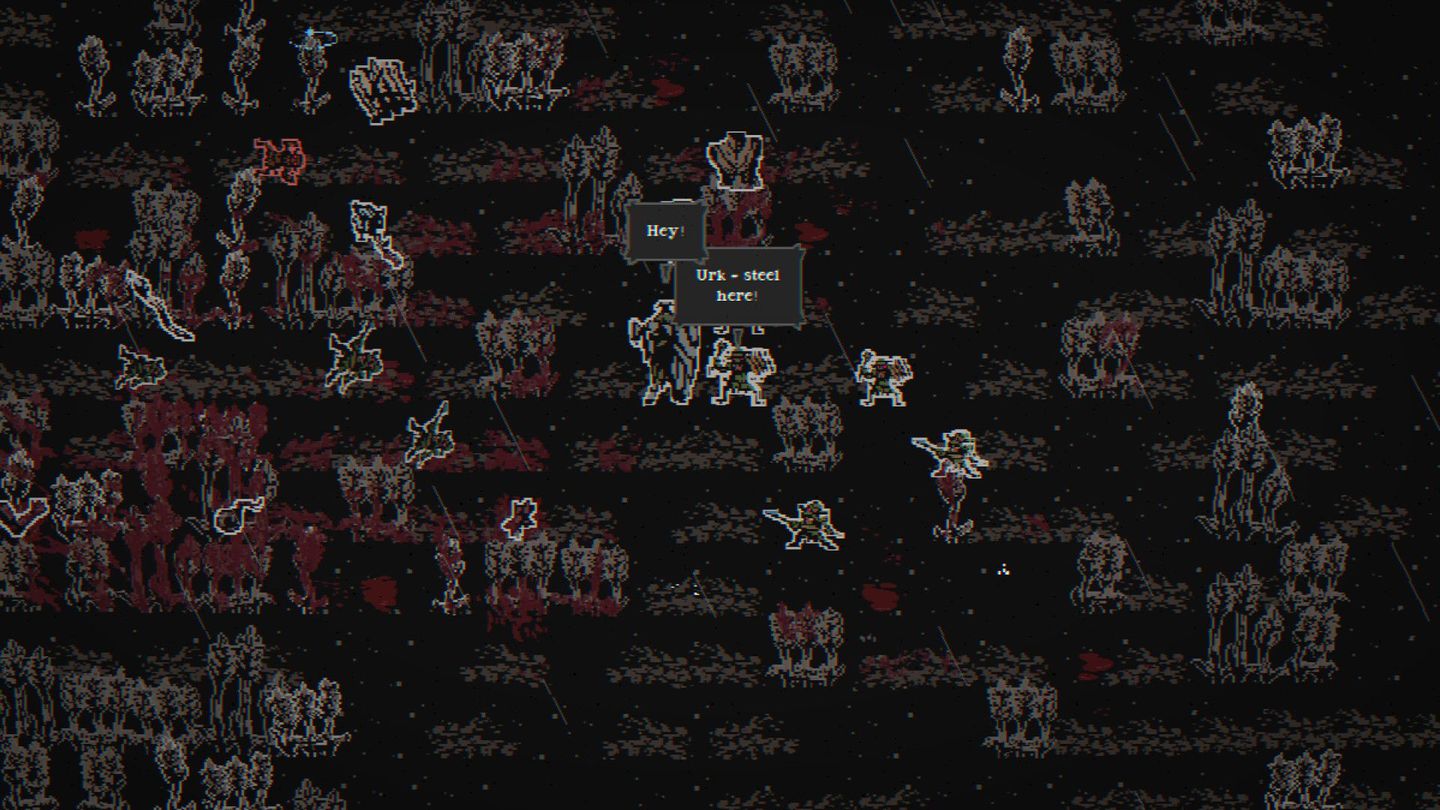
The core hook is simple and ruthless. The world rearranges itself, and that rearrangement matters. Places and paths are dynamic, so a route that was safe on your last run may now lead into teeth. Exploration becomes both mapmaking and adaptation. The game leans into the tension of not knowing whether a corridor is a shortcut or a trap.
That shifting architecture pairs with factions, cultures, and buried events. The description teases strange beliefs and hidden factions, implying rewards for players willing to dig into lore rather than speedrun survival. Encounters sound designed to be more than obstacle checks. They are opportunities to learn, misstep, or find bargaining chips.
Simulation First, Player Choices Second
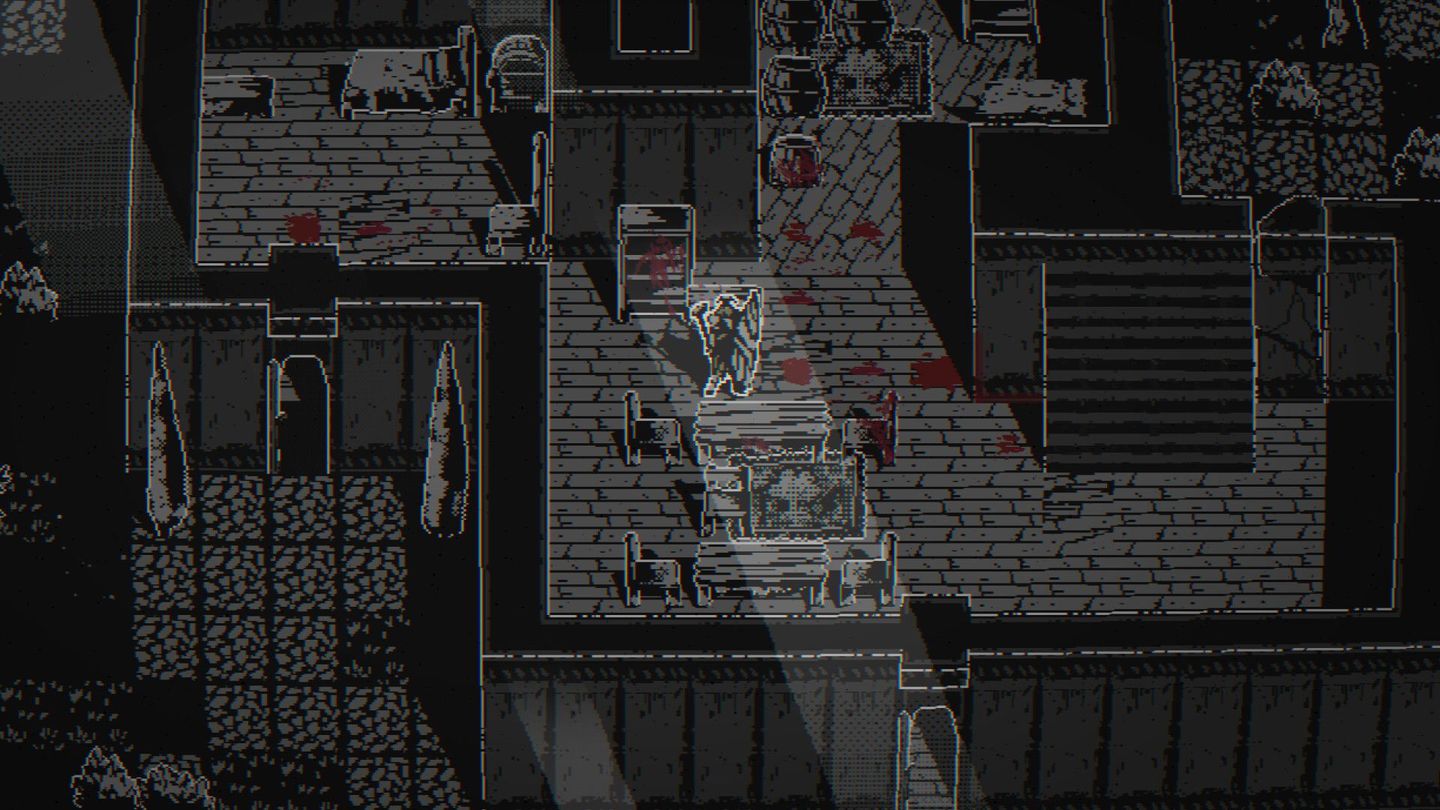
Age of Harvest lists a long set of verbs you can expect: gather, hunt, butcher, craft, repair, trade. Those activities are not window dressing. They slot into a broader simulation where NPCs carry on lives that do not end when you walk away. Relationships and ongoing actions among NPCs suggest a world that changes independently of your presence, enabling emergent moments rather than scripted beats.
Combat is framed to support that same simulation-first approach. Enemies are described as having behaviors, senses, and needs. That implies more than stat checks: you will react to creatures that react back, using stealth, trade-offs, and environmental tools where appropriate.
Organ-Based Health and Emergent Combat
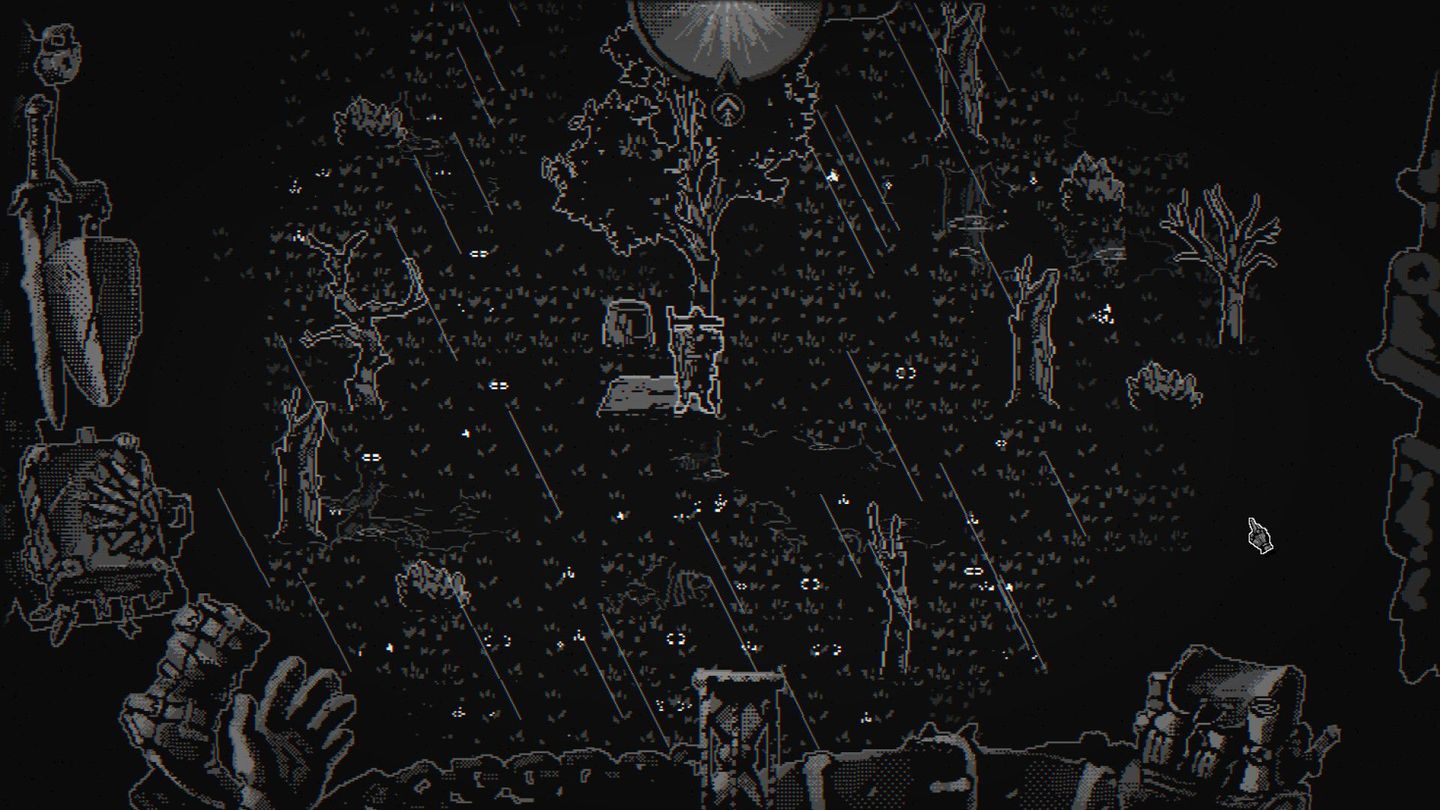
One of the clearer sell points is the organ-based health system. Your body is fragile and composed of parts that matter. Injuries can alter your mobility and fighting style, which pushes players to treat wounds like systems to manage rather than mere hit point drains. That design opens up tactical variety and a strong survival element where choices about when to press forward, when to treat yourself, or when to scavenge become vital.
Because the world is dynamic and NPCs are active, real risk emerges from more than just enemies. Resource scarcity, social friction, and the shifting map all combine to make each decision meaningful. The game's promise is that there is no single correct approach; experimentation and careful observation reward players who treat the title like an ecosystem, not a gauntlet.
In Active Development
Age of Harvest is currently in active development. The developers note the store page will be updated as major systems are completed. That means features described now may expand or change, but the core vision-deep simulation, a shifting labyrinth, organ-based survival, and emergent NPC behavior-appears central to the project.
If you enjoy Roguelikes that prize discovery and systems interaction over linear scripting, Age of Harvest is worth watching. It looks aimed at players who want survival that feels consequential, where even your wounds can rewrite the run.