
Nearborn: A Soul Awakened in the Abyss
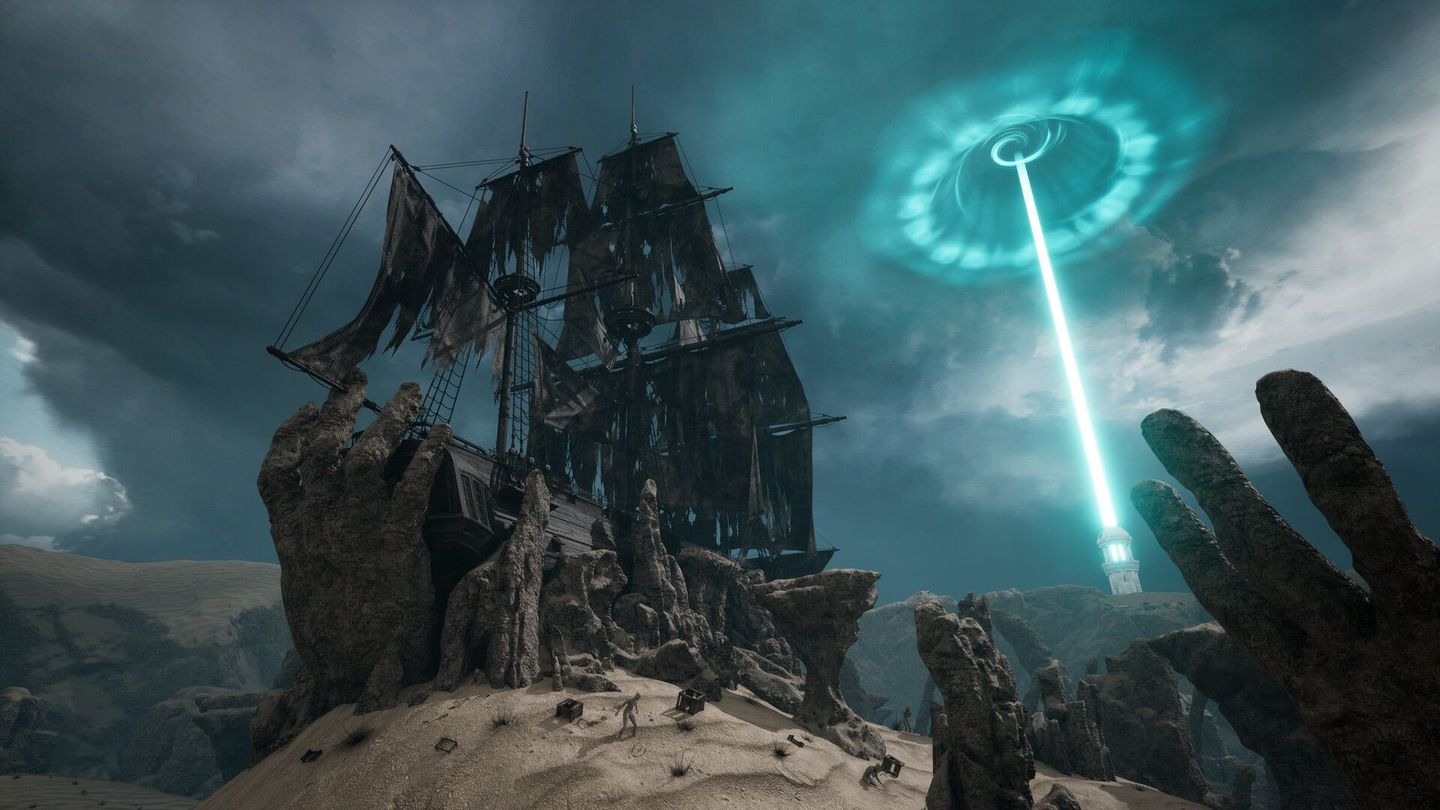
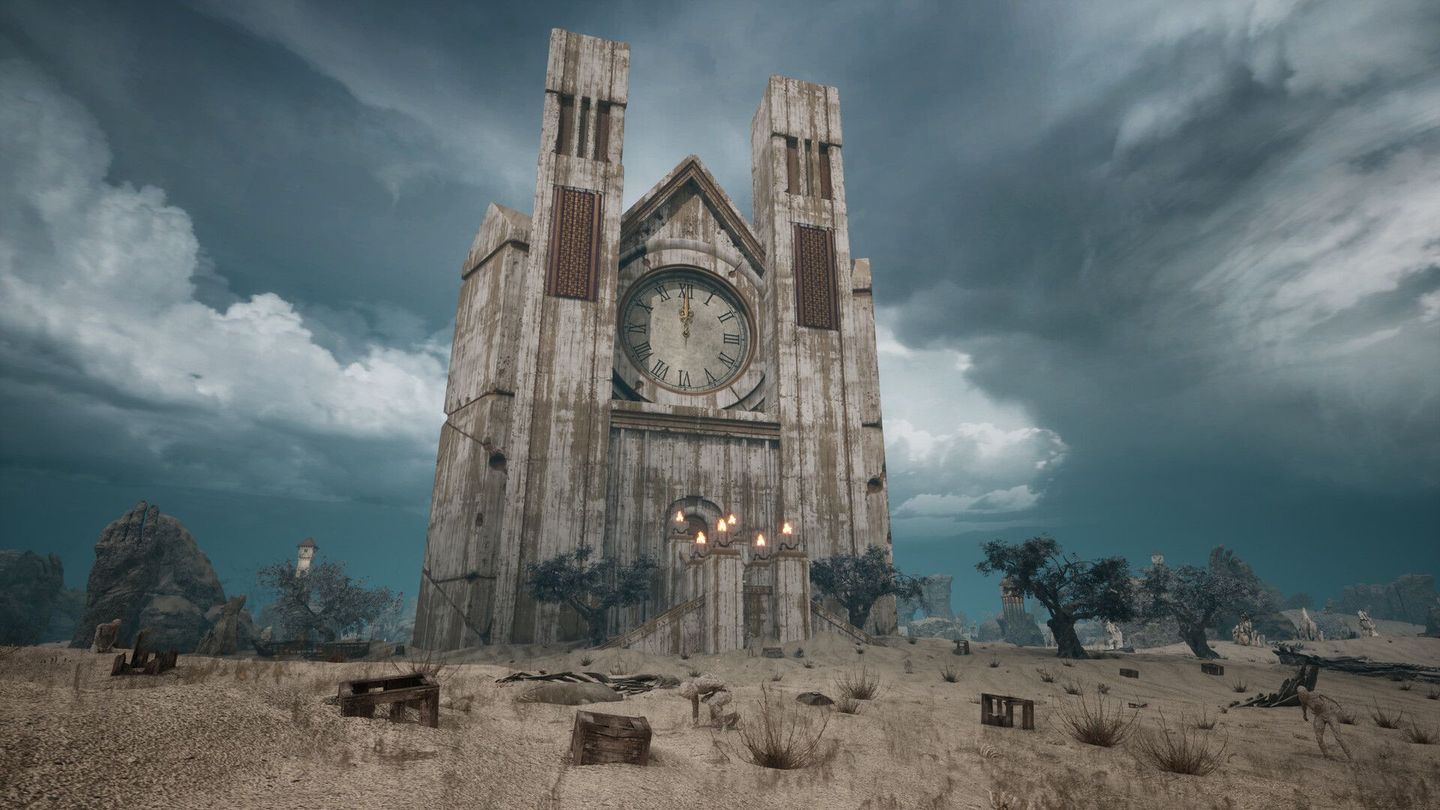
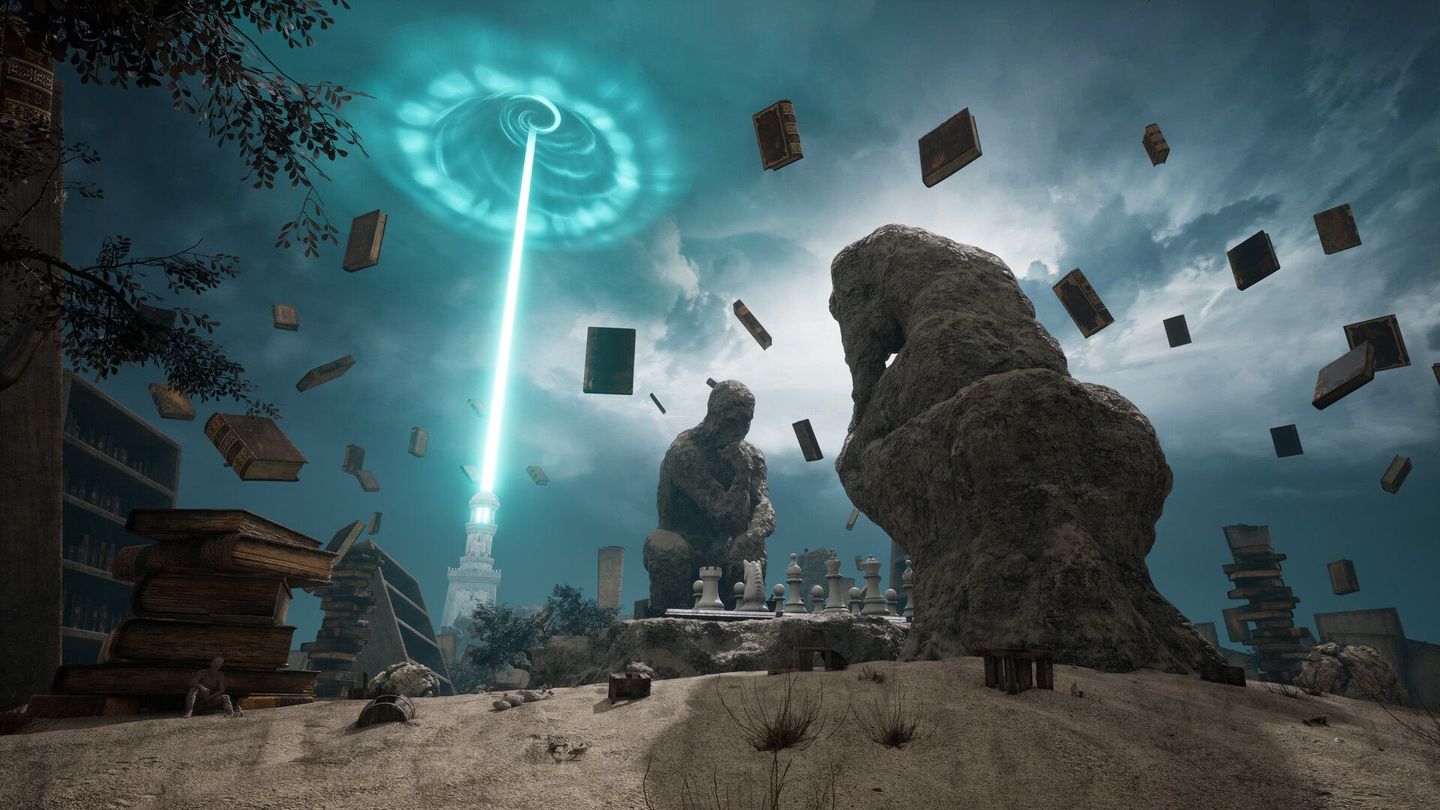
You are a Soul, newly aware in the dark dimension called the Abyss. Here reality is woven from forgotten memories and raw emotions, and the landscape itself reads like a collection of half-remembered allegories. Nearborn sets you loose in a vast open world of desert plains, cliffs, dead waters, and surreal monuments, each space acting as an image of a human experience.
The goal is simple in outline and complex in feeling. Gather fragments of your essence, face trials that read like short stories of loss and stubborn hope, and restore the ancient Ark so you can leave this place. Every location, mechanic, and object is framed as a piece of a larger metaphor about identity and growth.
A World Woven from Memory
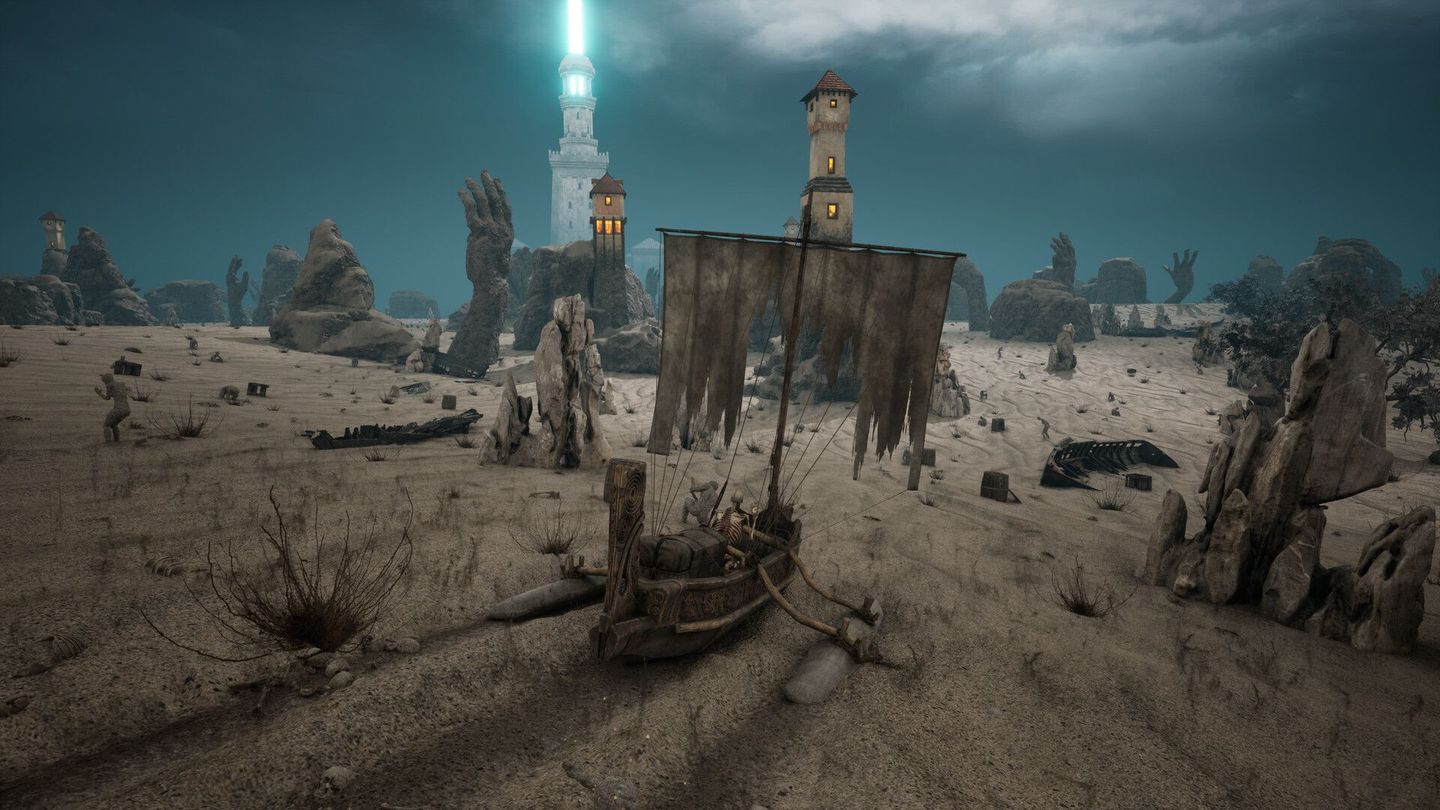
The Abyss in Nearborn is described as a place where reality reflects inner lives. Expect landscapes that are not just pretty backgrounds but symbolic constructs: monuments that echo regret, dead waters that suggest stagnation, and cliffs that feel like memory's edge. The world unfolds as you gain insight; it obeys its own rules and changes with your progress.
Design-wise, this is an exploration-first experience. The environments are intended to create mood and meaning rather than to deliver straightforward set-pieces. The result is a contemplative atmosphere that leans into silence and solitude, letting players interpret the imagery as they move through it.
Trials, Dungeons, and the Architecture of Memory
Nearborn's challenges function as mini-narratives. Each dungeon or trial acts as an independent story, a metaphorical slice of a human journey. You will face puzzles, traps, architectural anomalies, and unusual mechanics that feel purpose-built to communicate an emotional truth rather than merely test reflexes.
The game promises variety in these encounters. Some rooms read like logic puzzles wrapped in surreal geometry, others like environmental tests that change how you perceive space. The aim is to reveal fragments of the Abyss and, in doing so, pieces of the Soul you play.
Progression, the Magical Compass, and the Sand Boat
Progression is tied to collecting fragments of essence. As you restore parts of yourself you unlock new abilities and shifts in perception, which in turn let you access previously closed areas. That layered unlock system is meant to reward curiosity and persistence while keeping exploration meaningful.
Two signature tools shape the journey. First, a magical compass points toward hidden goals: important objects, key locations, and the next step in your destiny. It does not hand you answers, but it nudges your attention toward where your Soul can grow. Second, the Sand Boat is a unique mode of transport, able to glide across both sand and dead waters. The Sand Boat opens routes across the expanse and becomes a tangible symbol of forward motion in a place that often feels frozen.
An Artful Journey About Becoming
Nearborn describes itself as more than a game; it is an art project and a philosophical metaphor. It trades the immediacy of hack-and-slash thrills for deliberate encounters that encourage reflection. Each location aims to be an image, and every mechanic an invitation to respond to core emotions: loss, longing, resilience.
If you enjoy games that treat worldbuilding as a language rather than a backdrop, Nearborn promises a resonant, lingering experience. It wants to stay with you, like the trace of a forgetful soul finding its form.