

Eternal Anima: A Time-Swept JRPG for Fans of Strategic Storytelling
Eternal Anima leans into JRPG traditions while folding in two neat twists: Psychometry, letting your hero read the memories bound to objects, and Future Sight, which reveals enemy intentions so you can change what happens next. The promise is simple and attractive - travel between past and present, collect inherited classes, and rewrite outcomes in tactical, turn based combat.
Read Objects, Gain Classes
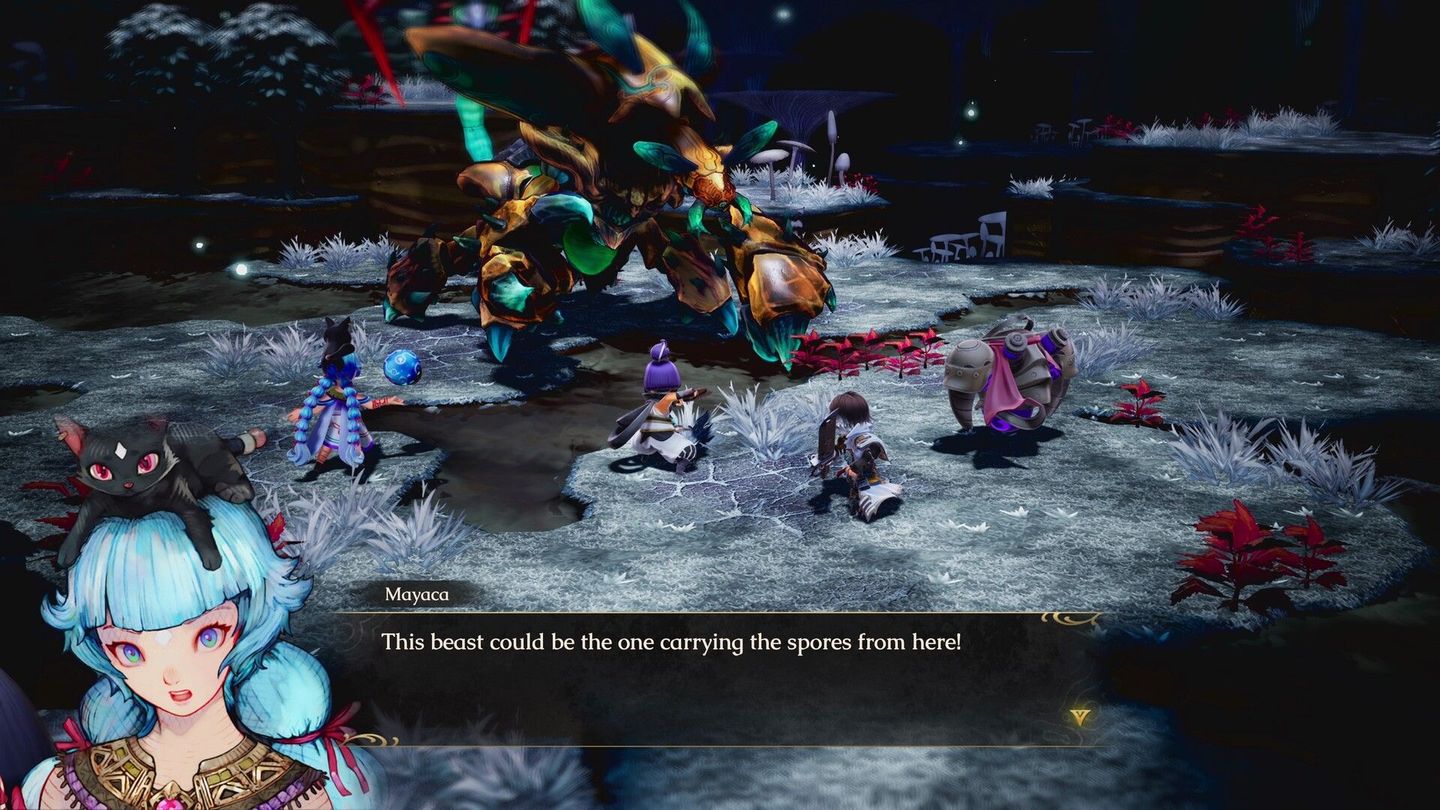
The game centers on Wade, who wields Psychometry. Instead of loot that only boosts numbers, many objects hold memories and the echo of skills. By "reading" these relics you inherit classes and abilities, then mix and match them as you see fit. That system sounds built for experimentation. Want a frontline bruiser with a healer's toolkit? The mechanics appear to encourage creative builds rather than locking you into rigid archetypes.
This approach also links narrative and progression. The items you examine are not empty stat sticks; they carry voices of the past. That connection enriches exploration and gives a tangible reason to investigate the world.
Future Sight and Tactical Choice
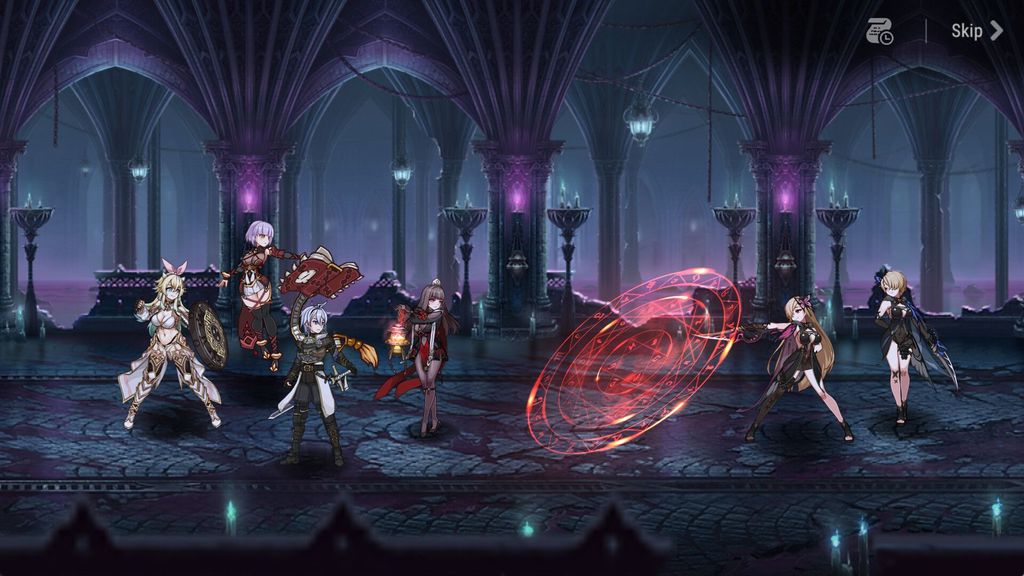
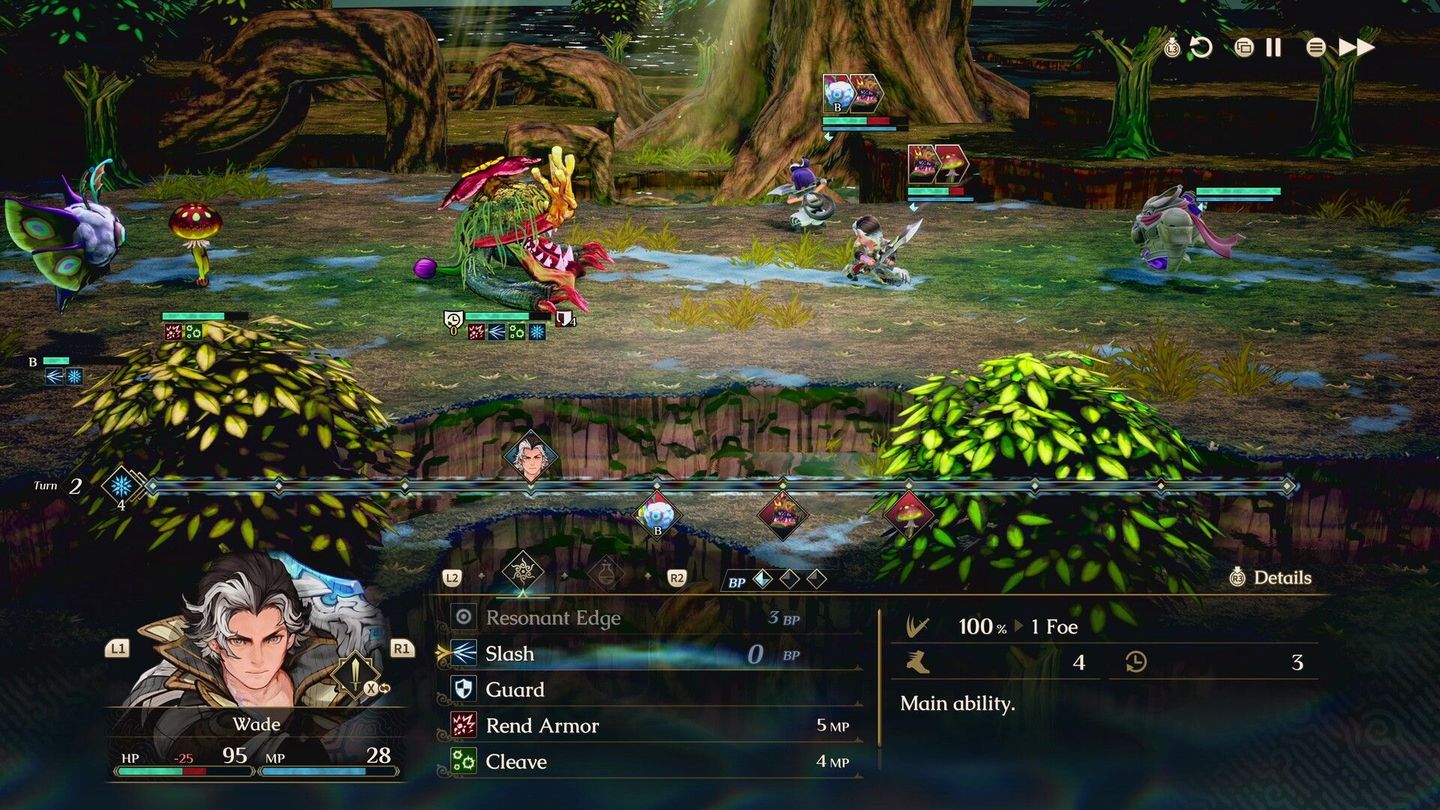
Combat is turn based, but the twist is the preview. Future Sight lets you peer into upcoming enemy actions and expected results. With that knowledge you decide whether to raise defenses, try to disrupt an enemy turn, or take the initiative to change the predicted flow of battle. It is a design that rewards reading the battlefield and planning several steps ahead.
Because your commands can "rewrite" what the future would have been, encounters are less about guessing enemy patterns and more about managing interventions. That promises tense decision moments where a single well-timed counter can flip an encounter.
A World Split Between Then and Now
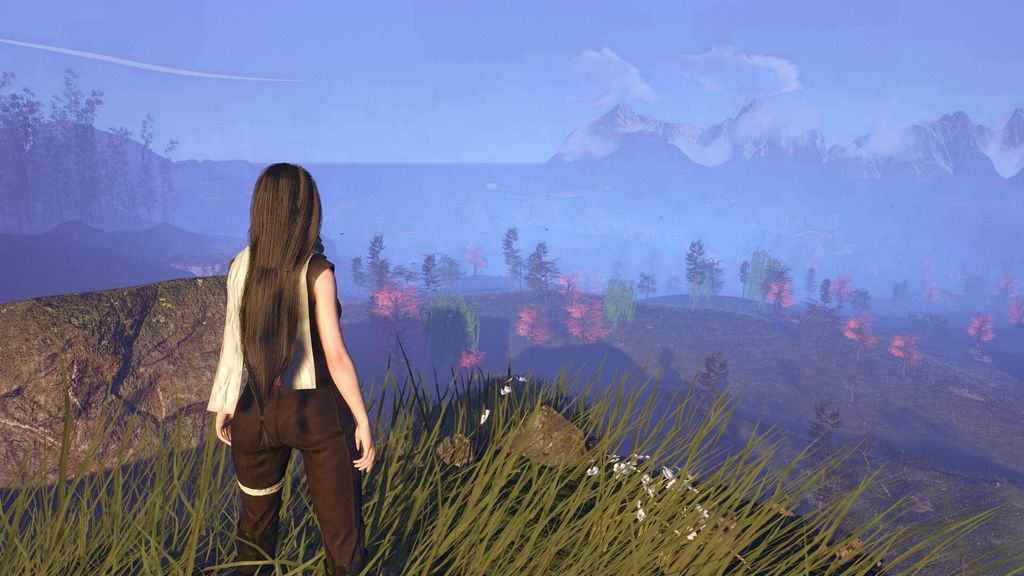
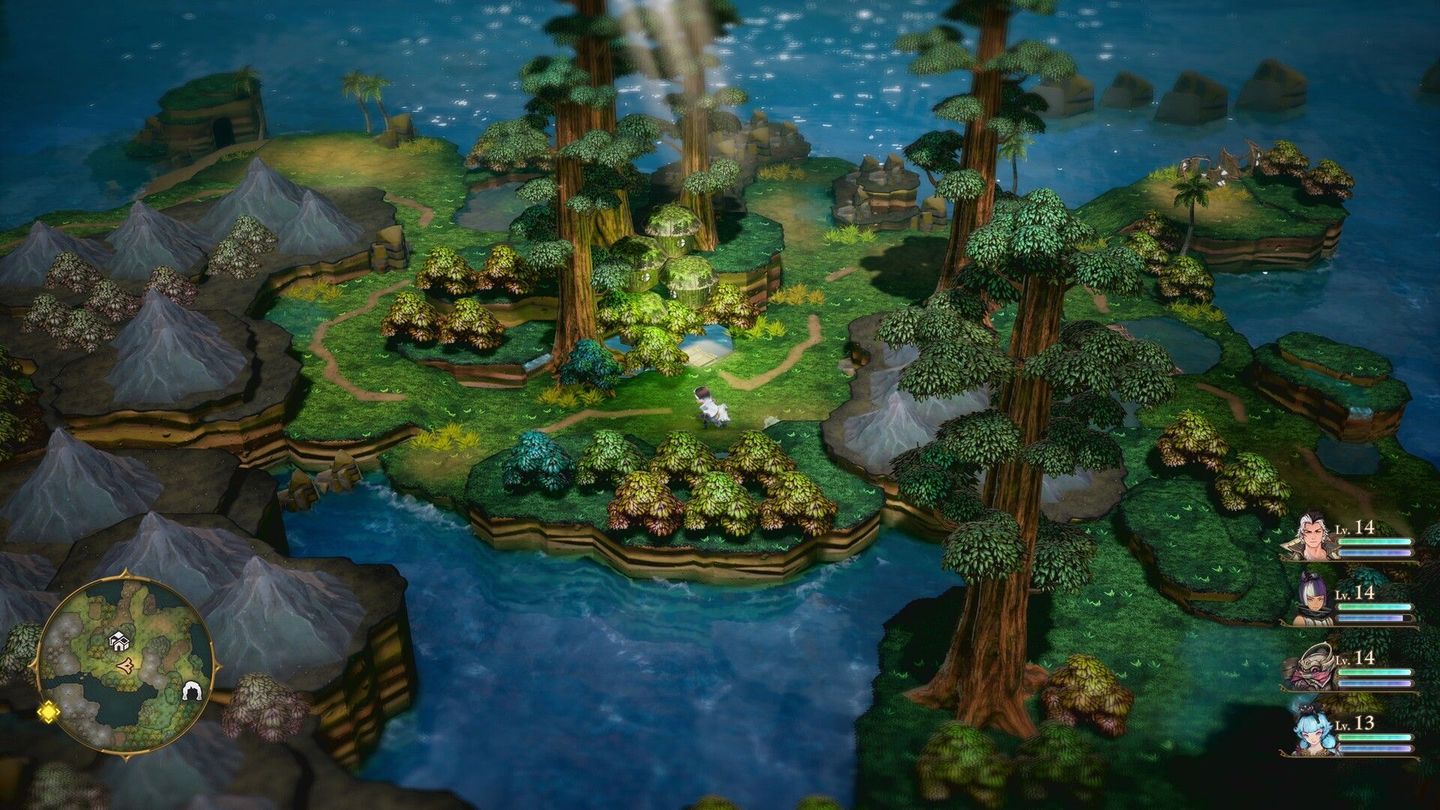
The setting is Urvis Ael, described as a false paradise where a hopeful future is criminalized. Wade, hunted as a heretic, plunges into the Forbidden Sea and moves through the past and present of four lost continents. The dual-era exploration is central to the plot and to the mechanics. Past discoveries alter your standing in the present, and the memories you unearth serve both story and gameplay.
Eternal Anima frames its journey as a question: can you save what was lost and free what remains? The interplay of history, inheritance, and foresight is the game's selling point.
Who Might Enjoy This
If you like classic JRPG rhythms - exploration, party customization, and narrative weight - but also want tactical systems that demand thinking ahead, Eternal Anima is worth watching. Its Psychometry-driven class mixing and Future Sight combat offer a different spin on familiar beats, and the focus on legacy and memory gives a thematic throughline that ties mechanics to story.
Eternal Anima presents itself as a love letter to JRPG fans, with mechanics meant to invite experimentation rather than strict adherence to genre tropes. Keep an eye out for more details from the developer about platforms and release timing.