
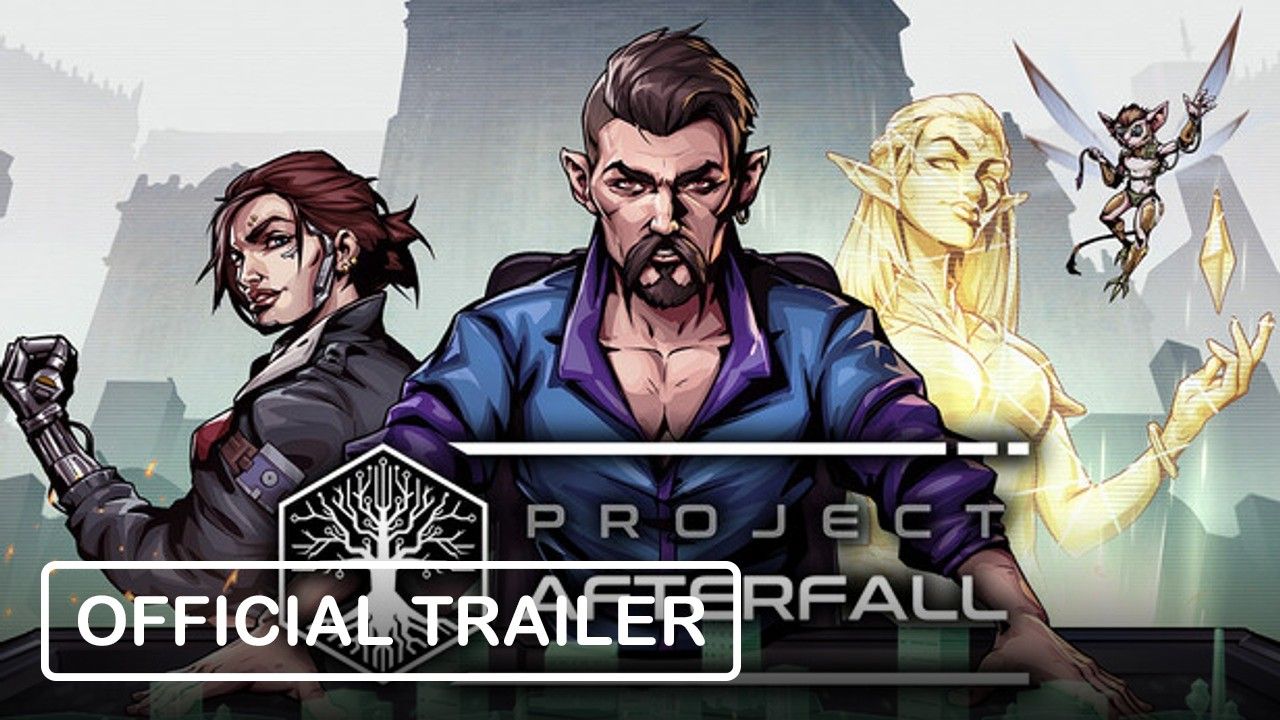
Project Afterfall Drops You in a Slavic Wasteland
You wake to a ruined colony and a world that seems determined to finish the job. Project Afterfall casts you into Thea, a retro-futuristic wasteland braided with Slavic folklore, where survival is not only about scavenging parts and food but also about bargaining with old gods or hacking cursed machines. It is a dark, turn-based strategy-survival RPG that stitches together colony management, party-based exploration, and card-driven tactical combat.
The mood is grim but rich. Thea hides mystical ruins, uncanny monsters, and political teeth to be pulled from a stubborn town council. Your choices matter in a branching narrative that leans roguelite: each run changes you, your party, and the colony you are trying to resurrect.
Customise, Recruit, and Rebuild
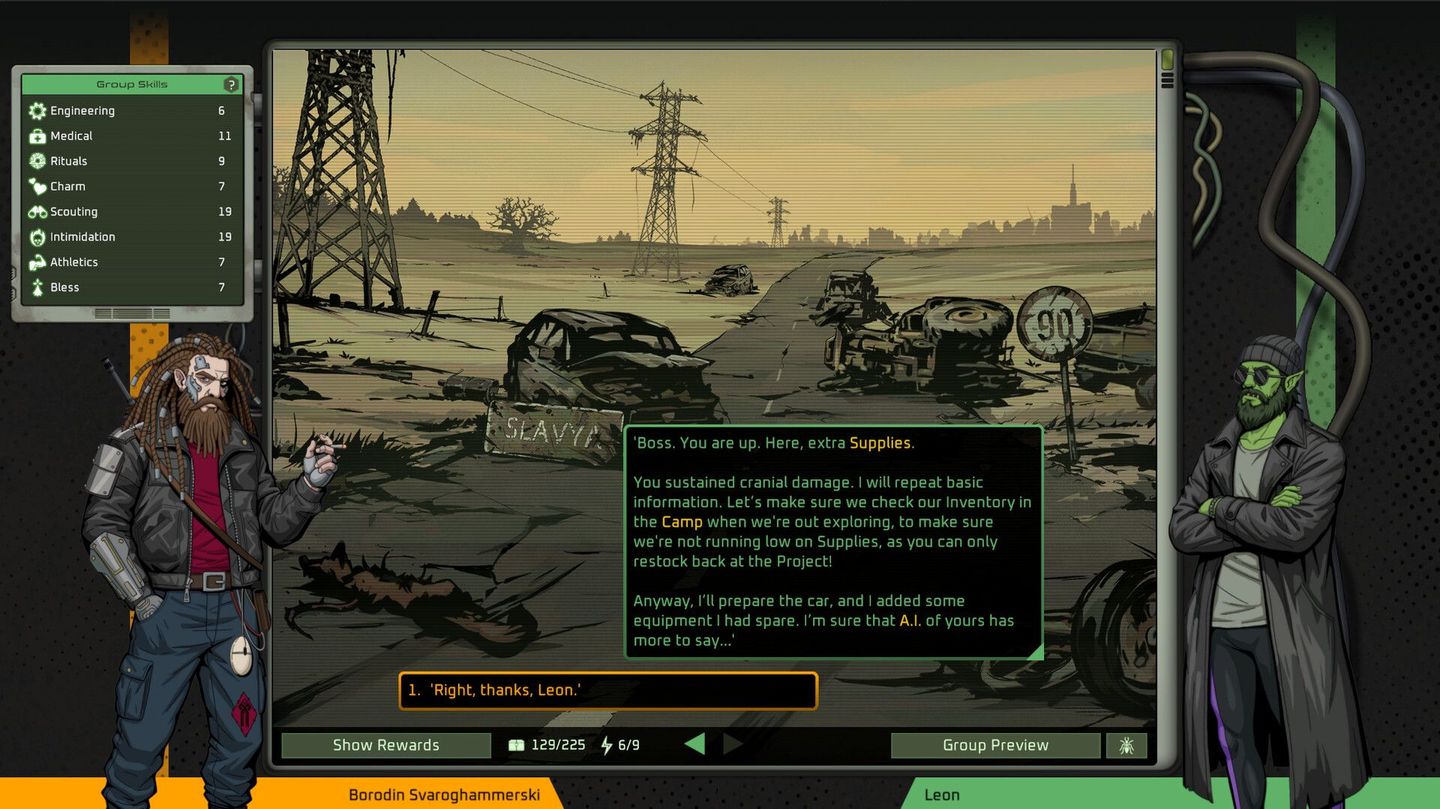
Project Afterfall lets you shape your protagonist from the ground up. Pick gender, class, race, and kit out abilities to match how you want to survive. As leader you also recruit NPC allies, each with distinct personalities and skills. These companions inform both gameplay and story, and their presence changes how encounters and politics play out.
Rebuilding your colony is more than a hub screen. You must scavenge scarce resources, expand facilities, and manage recruitment while navigating council politics. Growth brings benefits and complications. Do you allocate food to new settlers or keep supplies for a dangerous expedition? Choices like that ripple across your community and the wider narrative.
Card-Based Tactical Combat and Encounters
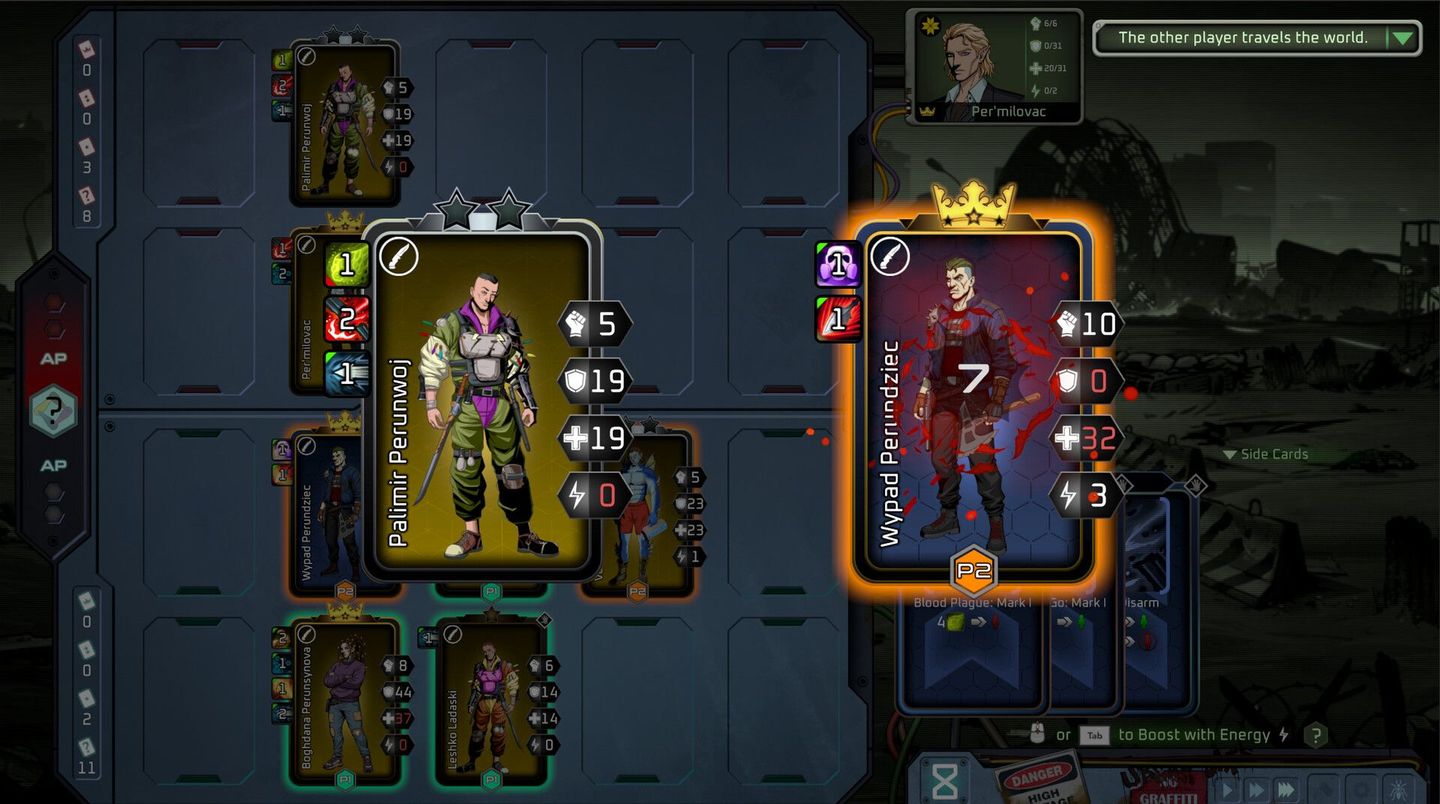
Combat in Project Afterfall is card-driven, but it is not only about swinging swords and casting spells. The deck system handles both combat and non-combat encounters, which means clever play can avoid fights, win favors, or bend a negotiation to your will. Deck-building sits at the center of strategy. The cards you pick, upgrade, and combine determine whether a firefight becomes a manageable skirmish or an unmitigated disaster.
Enemies range from scavenger gangs to uncanny, folklore-inspired horrors. Meanwhile, the game teases morally grey options: strike a bargain with Baba Yaga, accept a demonic contract, or hunt down a rogue Cyber-Rat and try to reprogram it into an ally. Tactical use of your cards, party positioning, and resource timing are essential to surviving the unique challenges Thea throws at you.
Roguelite Progression, Crafting, and Co-op Chaos
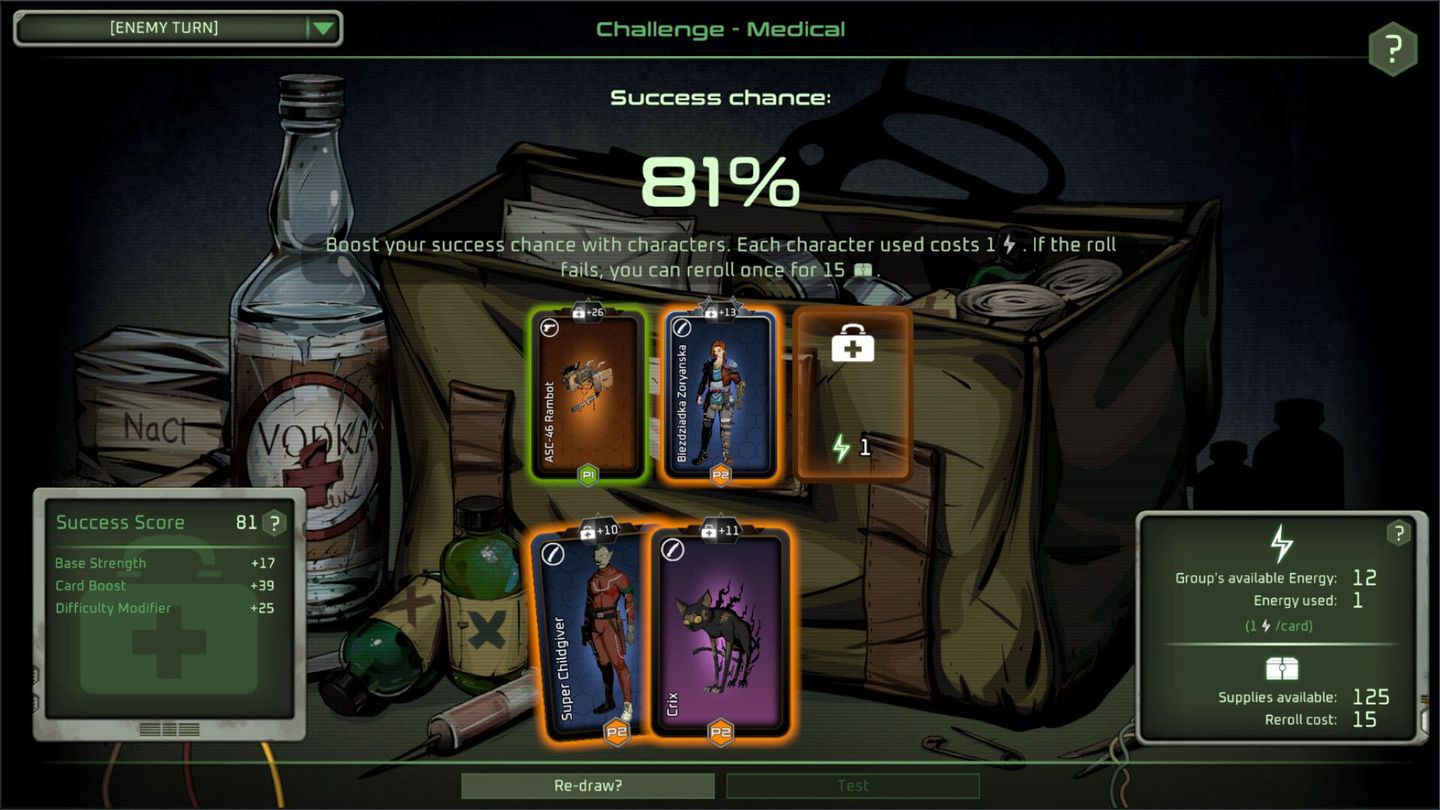
Project Afterfall wraps its systems in roguelite progression and branching story arcs. Every run offers new discoveries and shifts in narrative weight. Character progression is persistent enough to reward time invested, but runs still carry risk and consequence. Crafting and customization are part of the loop: fashion gear, make items, and even prepare Slavic dishes to boost your party between sorties.
If you prefer shared misery, there is a co-op mode that lets two players tackle the wasteland together. The design appears to favor emergent moments and improvisation, whether you are negotiating with demons, fixing broken technology, or defending your rebuilt settlement from raiders.
Project Afterfall aims to be a layered experience where folklore, retro-futurescape visuals, and card tactics combine to make every decision feel heavy. For players who like survival sims with a narrative bite and tactical depth, this one looks worth watching.