
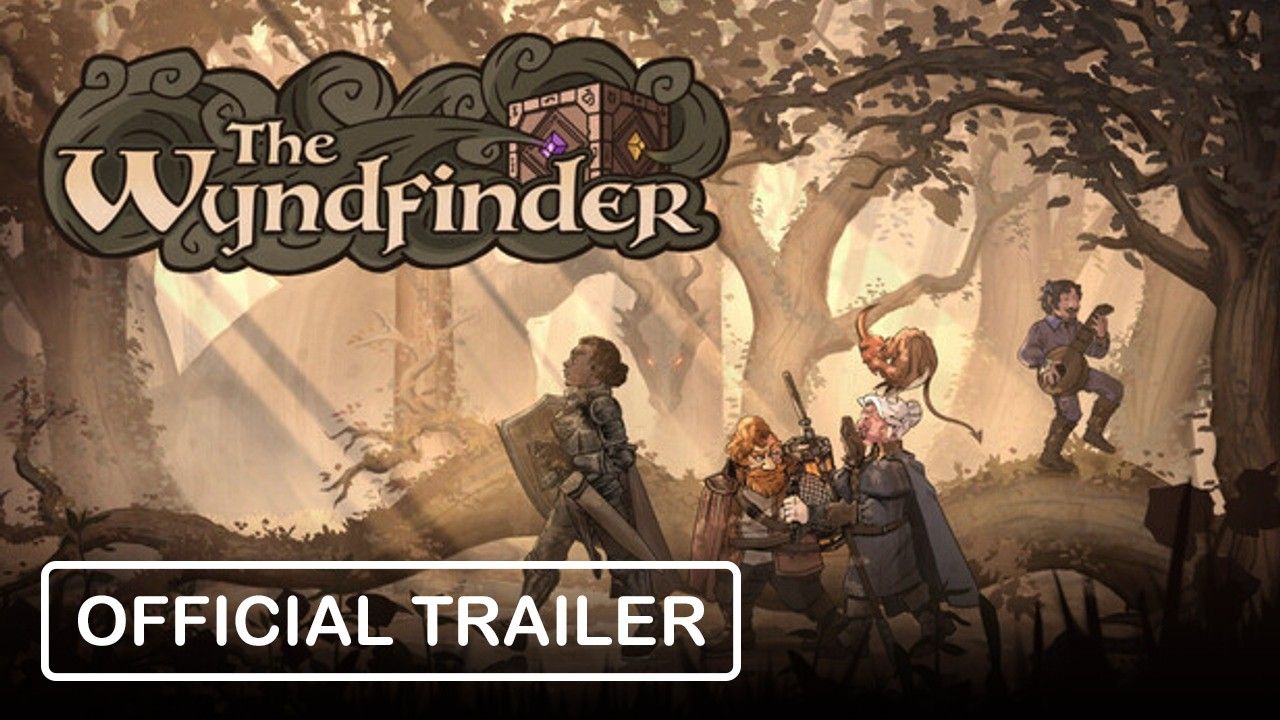
The Wyndfinder Asks: If Heroes Turned Villains, Would You Pull Their Statues Down?
The Wyndfinder wears its inspirations on its sleeve and its heart in its compass. This party-based CRPG invites you back to the era of isometric classics while folding in modern conveniences and a handful of intriguing design twists. Centuries of peace are cracking as a buried truth about the source of that peace comes to light. You create your Wyndfinder, recruit up to nine unique characters, and make decisions that force a single, uncomfortable question: if the heroes of old become the villains, would you pull their statues down?
The writing leans into moral friction. Not every companion will agree about how history should be handled, and relationships evolve as you make choices and unlock confidences. That conflict isn't just window dressing - it shapes which stories each recruit will tell and which personal arcs you can fully uncover.
Explore Tarlisalia, From Wisp-Filled Vales to Jestril's Halls
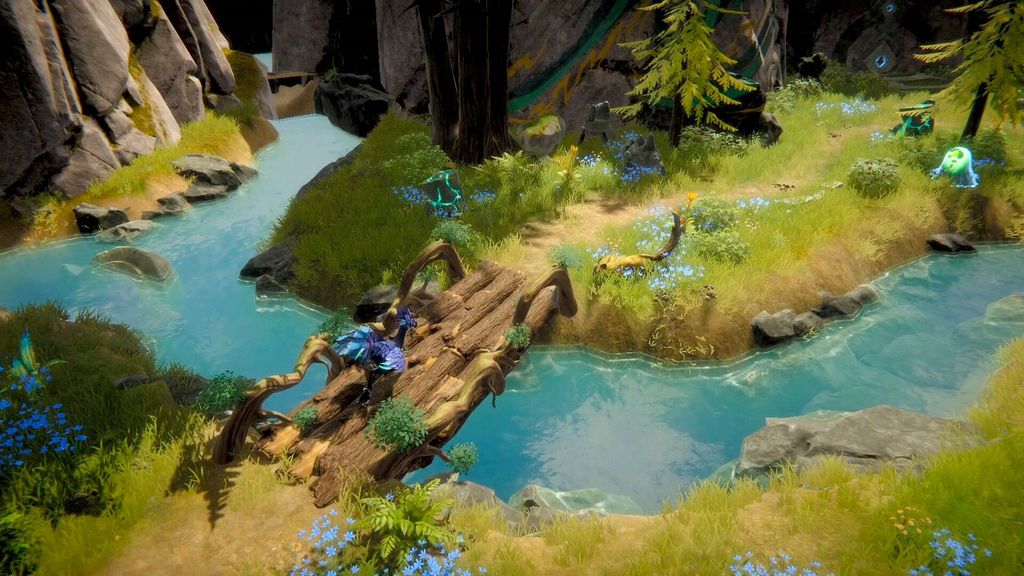
Travel across a high fantasy realm cleaved during the Celestial War and connected by the Wynding Way. The Wyndfinder's locales mix the familiar and the odd. You'll thread through a wooded Vale dense with wisps and abandoned mines once rich with magical ore. A long-dormant Shrine wakes to a strange new power - complete with traps and hidden secrets to sniff out. Swamps formed when a fallen Titan dragged a dark god from the deep provide murkier encounters, and Jestril, the capital, stands as the seat of power with its own dark past to uncover.
Exploration is a steady balance of environmental puzzles and curiosity-driven discovery. Use party skills to search burial mounds, pick locks, and recover lost histories. The map progression and varied set pieces promise a campaign that rewards players for using both wits and party synergy.
Gather a Party That Argues With You
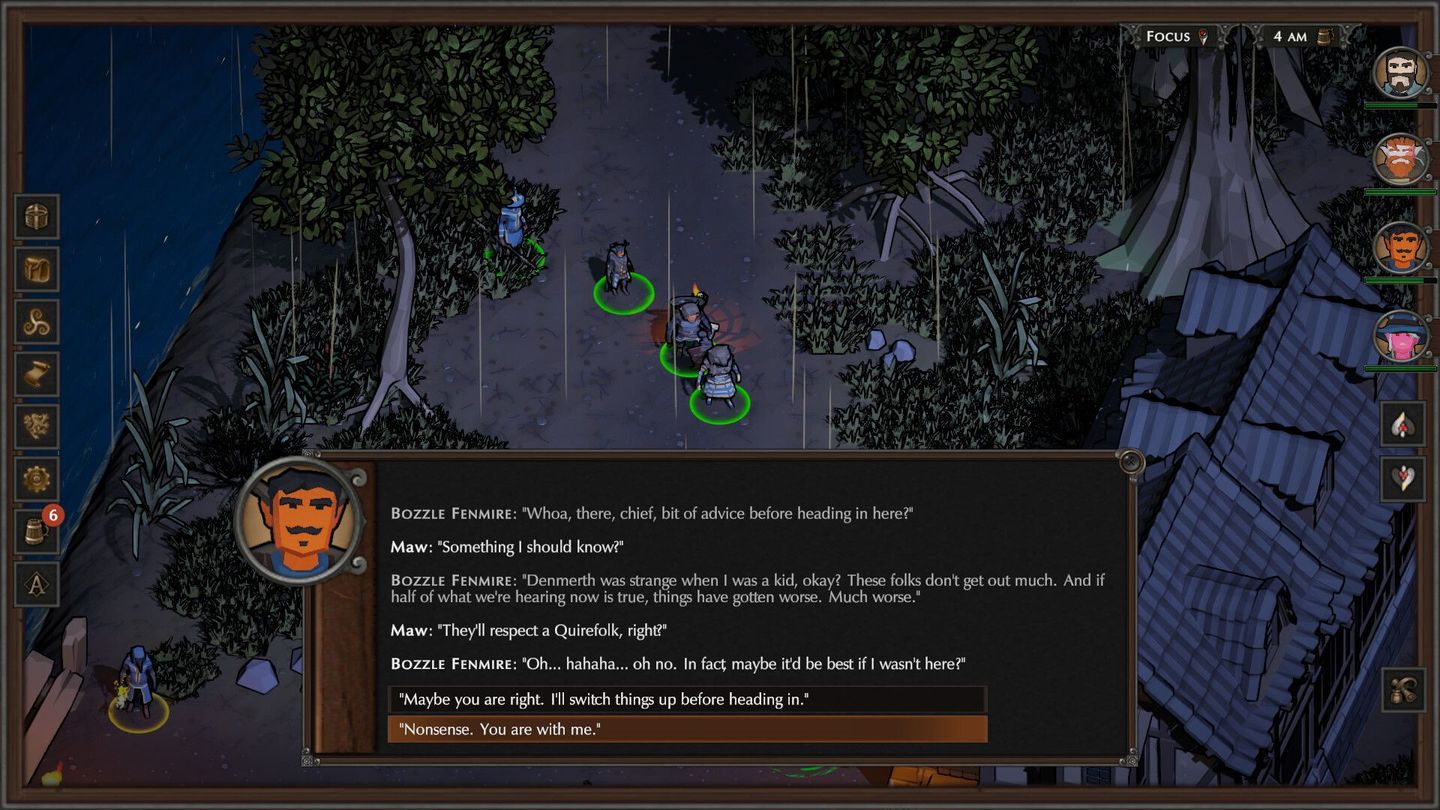
Character customization is deep without being intimidating. The Wyndfinder offers 7 playable Ancestries, 12 classes, and 24 subclasses so you can compose parties in a lot of different ways. Beyond raw build options you can recruit nine distinct characters, each with a unique backstory and personality. As trust grows, new story beats become available - but not every companion will like each other. The game makes you choose which relationships matter and which personal quests you pursue, lending real weight to party composition and roleplay.
Character interaction feeds both fiction and mechanics. Companions express likes and dislikes that affect their loyalty, and this loyalty ties into which character arcs you can see through to completion.
Turn-Based Combat, Reimagined
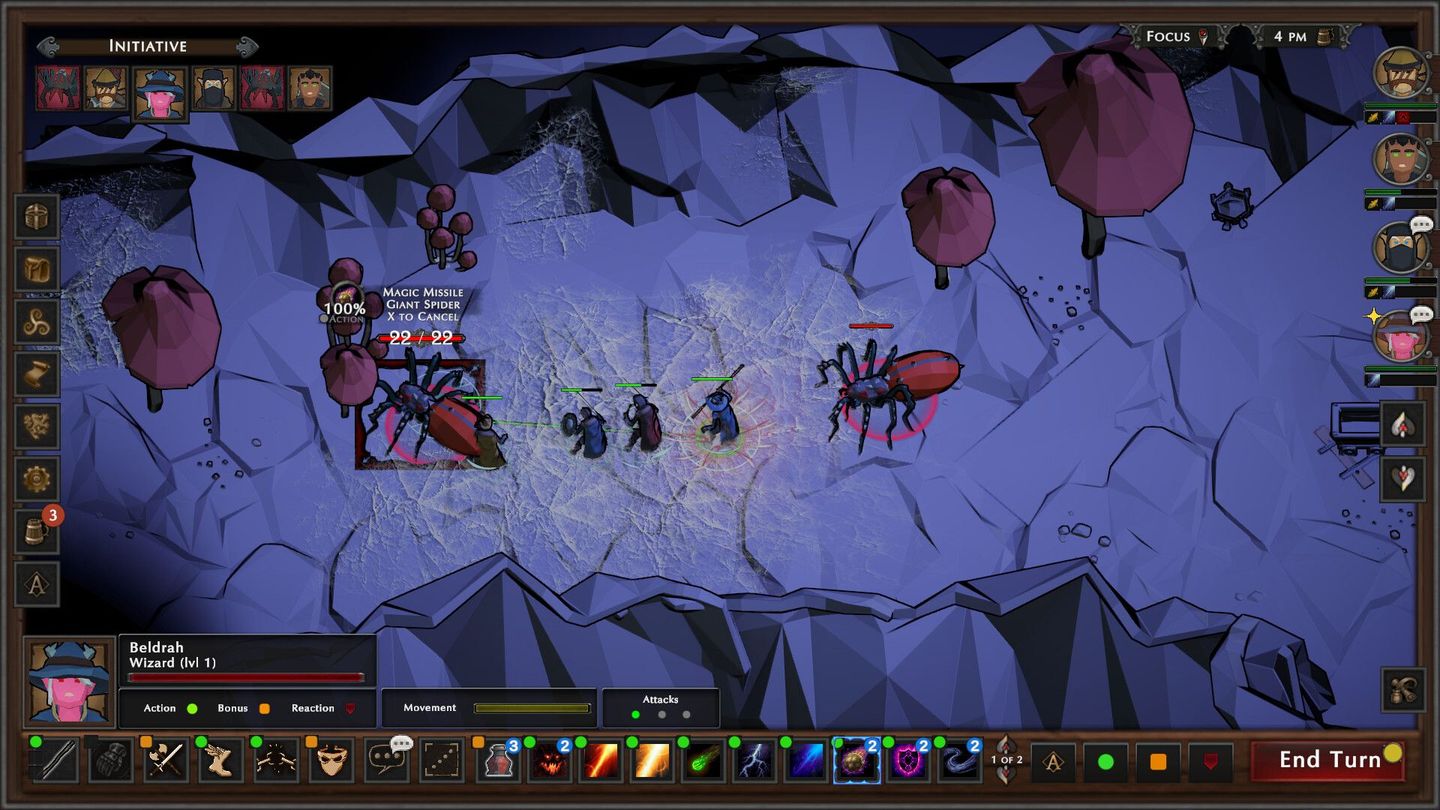
Combat here takes classic TTRPG mechanics and rearranges a few pieces to keep the flow brisk. A dynamic grid system underpins tactical positioning and targeting, encouraging meaningful movement and placement decisions. Spells and abilities scale with your party level, removing some of the late-game bookkeeping common to old-school RPGs. Reactive abilities are handled by the system in ways that minimize friction, so you can keep momentum without getting bogged down in micromanagement.
Multiple difficulty modes are available, including a Story Mode that nudges combat rolls in your favor for players who prefer a narrative-forward experience. The core aim seems to be to give veterans a tactical toolkit while letting newcomers hook into cinematic moments more easily.
Wyndstone, Prismata, and the Joy of Broken Builds
One of the Wyndfinder's more playful promises is the Wyndstone and its Prismata gems. These stones grant abilities, spells, or class features drawn from a broad pool, letting you graft mechanics onto your main character in unconventional ways. The devs lean into the fun of experimentation - the description even teases a teleporting, undead-summoning, bard-singing Paladin as a possibility. In short, the system invites you to deliberately "break" your build and see what oddball combinations stick.
That freedom pairs well with the game's flexible class and subclass options. Prismata appear designed to encourage hybrid builds rather than strict archetypes.
Dice Rolls, Crafting, and Player Agency
Traditional dice-rolling mechanics are present but with a twist. Skills and rolls are woven into exploration and social interactions - search for clues, pick locks, and reveal histories with a tactile feel. Rerolls are a consumable resource earned through spells and items, and the Wyndstone itself can alter fate when you need to tip a moment in your favor.
Crafting plays into progression too. You can smith magical swords and jewelry, write spell scrolls, and brew potions to give your party the edge you want. These systems appear designed to reinforce player choice rather than add needless grind.
Soundtrack, Art Direction, and That 80s Fantasy Vibe
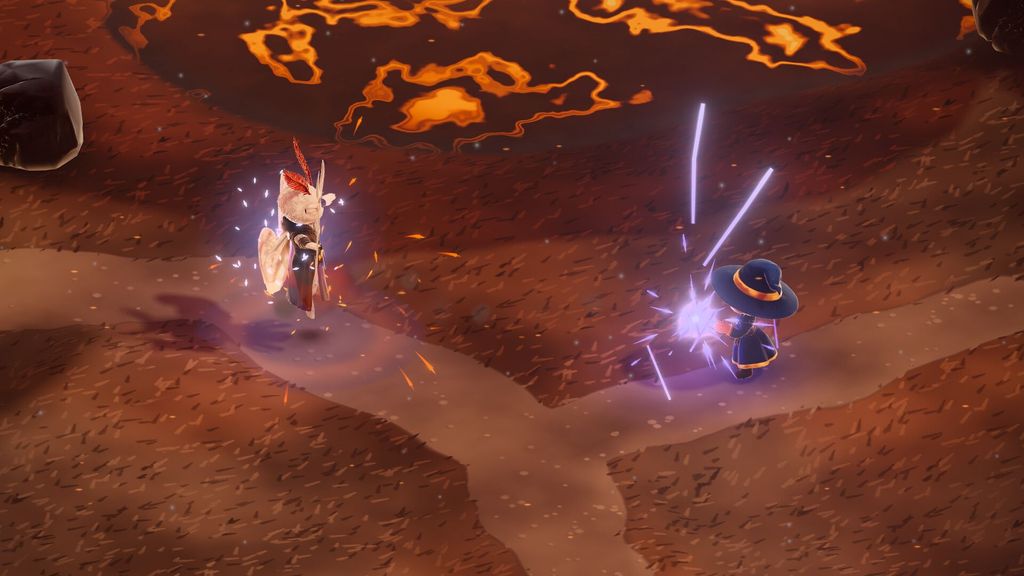
The Wyndfinder's aesthetic is deliberately nostalgic. The art style draws from fantasy animation of the 80s, promising a hand-painted, characterful look rather than photoreal polish. The soundtrack is handled by Witchbolt, described as an ambient dungeon synth composer, which suggests a moody, atmospheric score to accompany exploration and dungeon delving.
That mix of evocative music and stylized visuals aims to sell the feeling of returning to adventure - the kind of experience players often look for when they want a story-driven isometric RPG with personality.
A Return to Adventure
The Wyndfinder blends classic isometric sensibilities with conveniences and systems meant for modern audiences. With deep party-building options, a flexible Prismata system, dynamic grid combat, and a world that asks morally awkward questions, it looks aimed at players who want both tactical play and story weight. If you enjoy the idea of recruiting argumentative companions, crafting wildly improbable builds, and asking whether legends are worth their plinths, The Wyndfinder is a title to keep an eye on.