
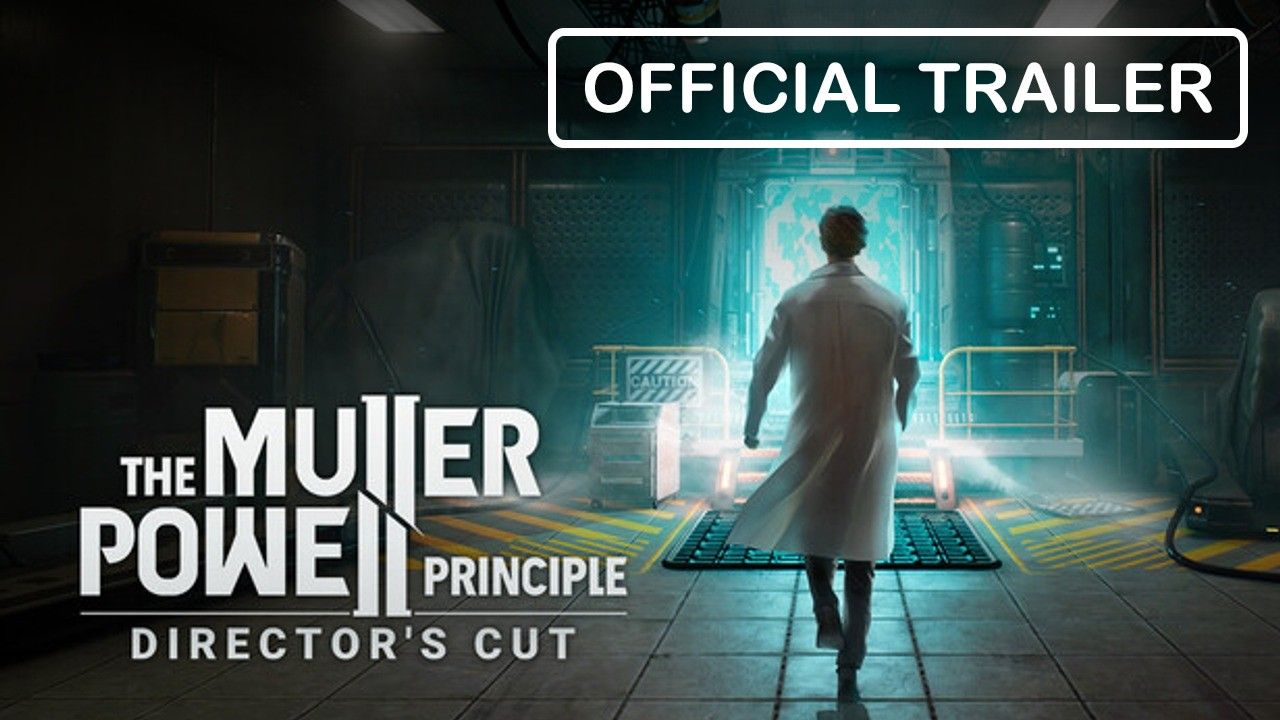
THE MULLER-POWELL PRINCIPLE: Director's Cut - Mind over matter, and a weird gun
You are Harry Herman, a scientist stranded in one of Delta Laboratories' off-world research facilities in an unknown dimension. What started as a project meant to benefit humanity has gone wrong, and now the lab's corridors leak into surreal parallel worlds. To get back you will rely on two things: brains, and the Portable Energy Manipulator, a tool that absorbs ambient energy and uses it to both solve puzzles and bypass threats.
This Director's Cut positions itself as a sci-fi thriller with puzzles grounded in physics. Expect environmental interaction, gadgets that change based on context, and a narrative that makes you weigh whose advice to follow. Choices matter here, and the worlds you travel through are as much about atmosphere and story as they are about mechanical challenge.
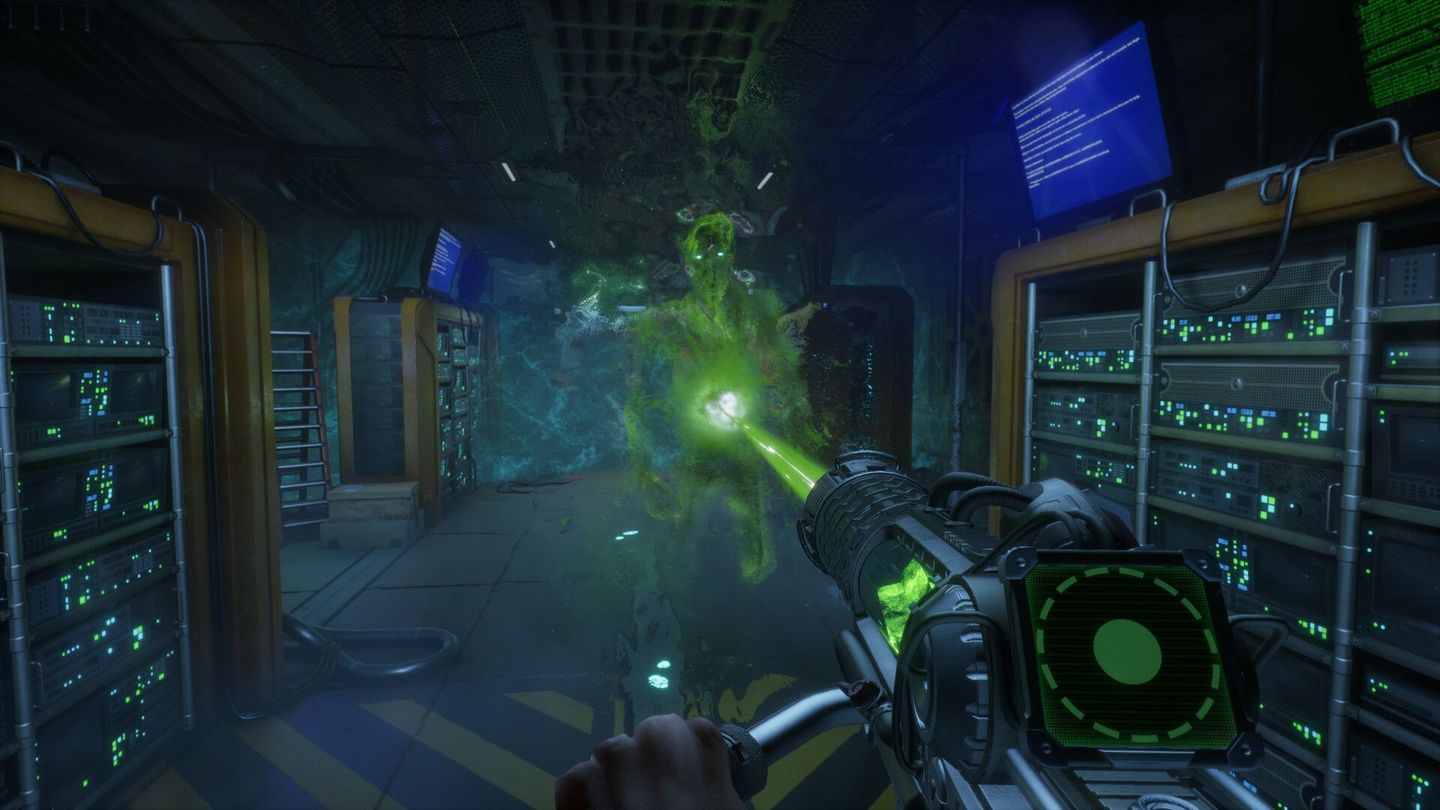
Portable Energy Manipulator
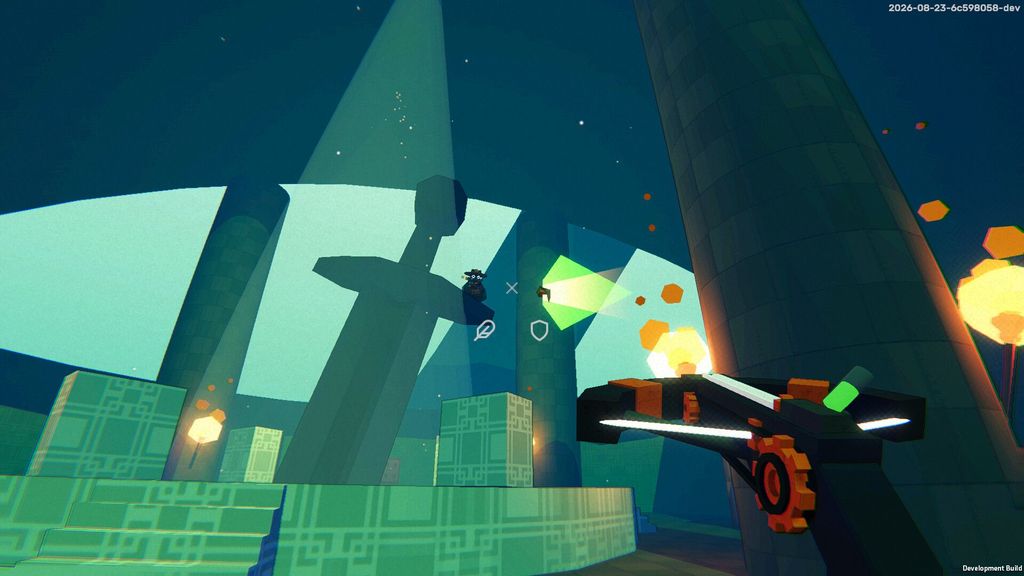
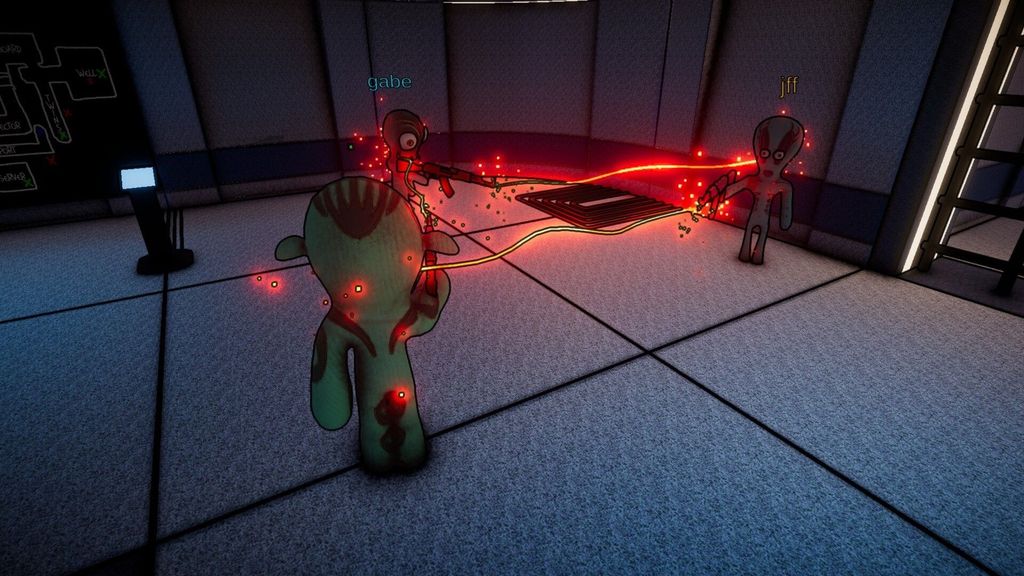
The Manipulator is the game's signature mechanic. Instead of a dozen fixed tools, you carry one device that borrows properties from the environment. Heat from flames and radiators lets you melt barriers, beams of light can blind or disable security cameras, and hazardous puddles supply radiation with its own effects. Later on you encounter quantum entanglement energy that can open rifts between realities.
Because the Manipulator's properties come from the world around you, problem solving becomes about observation and experimentation. Some enemies are not meant to be gunned down. Freeze a creature with force field energy, blind another with concentrated light, or reroute power to create a safe path past a hostile zone. The gun is less about raw firepower and more about reinterpreting threats as puzzles.
Physics puzzles and interactive environments
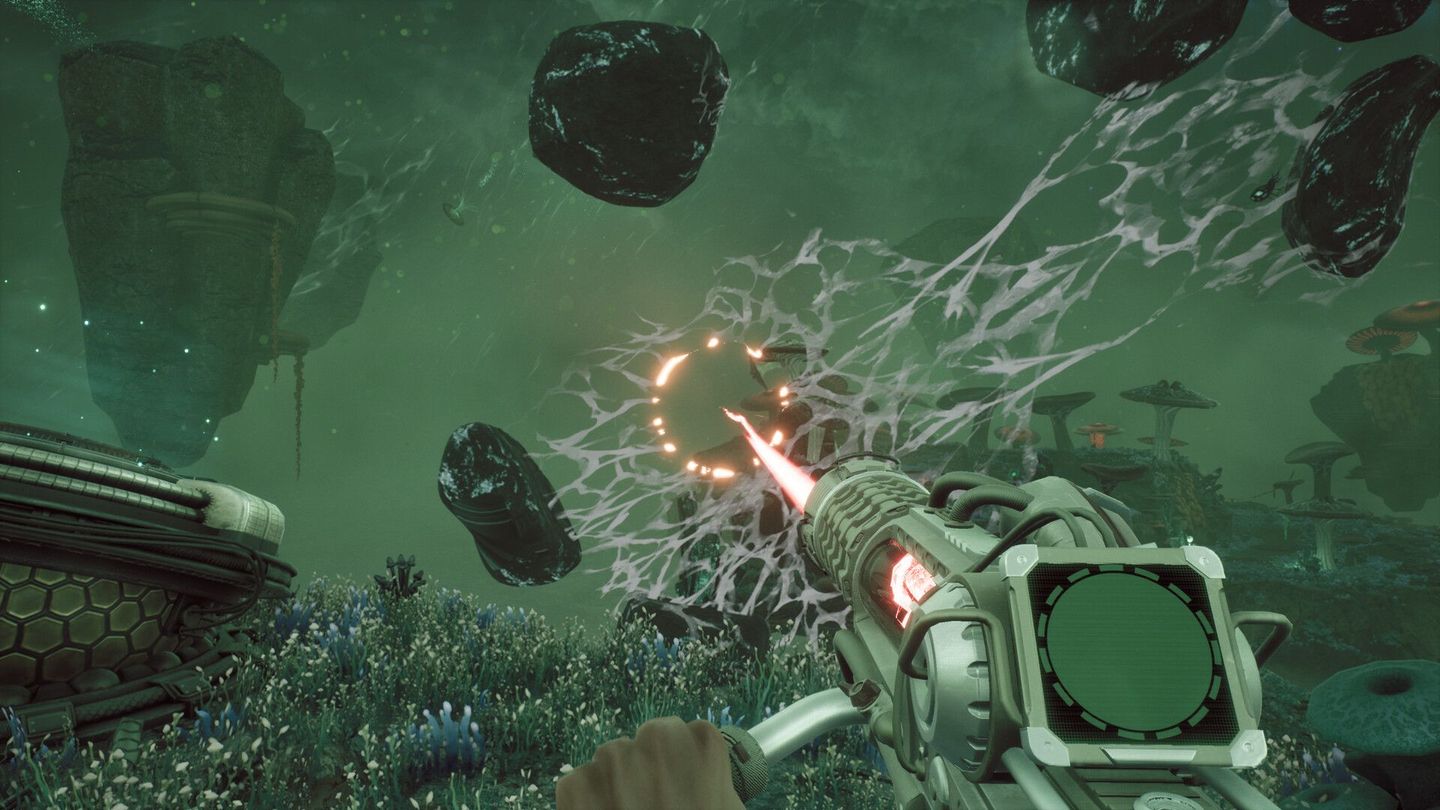
Puzzles here are rarely boxed in with obvious solutions. Sometimes the answer is simply plugging a generator in. Other times you must combine terminals, movable objects and environmental quirks to progress. The game emphasizes exploration and lateral thinking - a mug, a pipe, or a stray crate can become a key part of your approach.
Developers say environments hide multiple solutions rather than single scripted outcomes. You will read terminals for clues, shift obstacles, carry items and experiment with the Manipulator's absorbed energies. There are no cube dispensers or contrast-highlighted exits; the world expects you to notice, hypothesize and test.
Choices, parallel worlds and who to trust
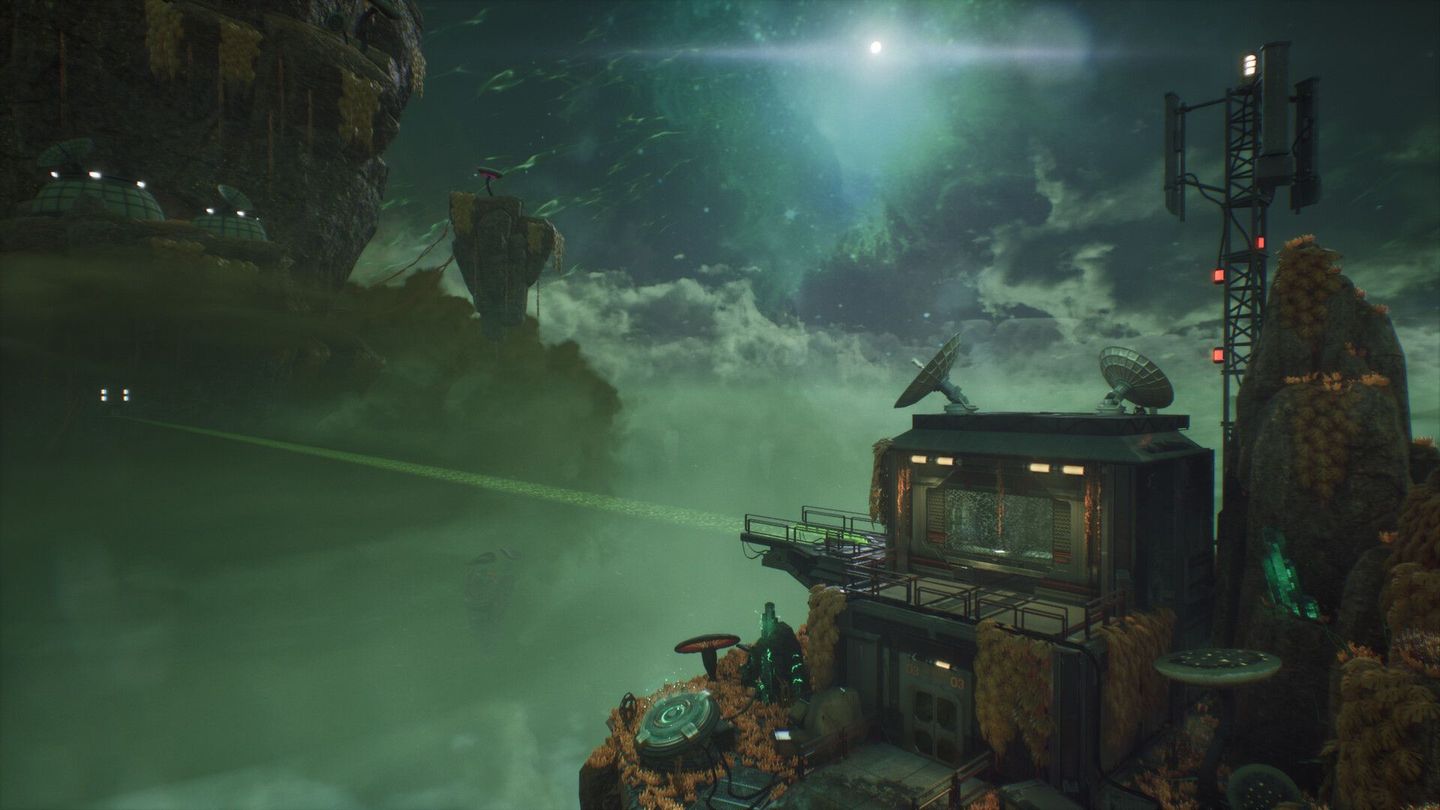
As you discover a radio transmitter, two voices reappear from your past: Eugene and Alex. One offers a friendly hand, the other insists you are the cause of the disaster. The game frames your journey not only as an escape but as an investigation into Delta Labs and your own role there. Your choices affect more than the path forward - they shape the ending you reach.
Lore is delivered through notes, environment details and conversations. Each location carries its own backstory, and the connections between worlds are part mystery, part puzzle. Multiple endings are promised, so the path you choose through those conversations and the puzzles you solve will influence what truth you uncover.
Who should play
If you enjoy slow-burning sci-fi, puzzles built on physics and tools that change meaning depending on context, this Director's Cut looks aimed at you. It rewards curiosity and experimentation, and it gives narrative weight to the choices you make along the way.
THE MULLER-POWELL PRINCIPLE: Director's Cut sells itself on atmosphere and mechanics that ask you to think like a scientist trapped in a collapsing experiment. If that sounds like your kind of trouble, Dr. Herman's waiting.