

Lie of Caelum: Spirit - A PSX-Inspired JRPG with a Conspiracy at Its Core
In Caelum, the truth is already dead. Lie of Caelum: Spirit opens on that blunt, unsettling note and builds a story around it: a volatile squad of mismatched characters forced to work together to stop a world crisis, only to discover the mission is rotting from the inside. Records don't match. Histories are hollow. The further the team digs, the more this reality seems like a lie someone has worked very hard to keep intact.
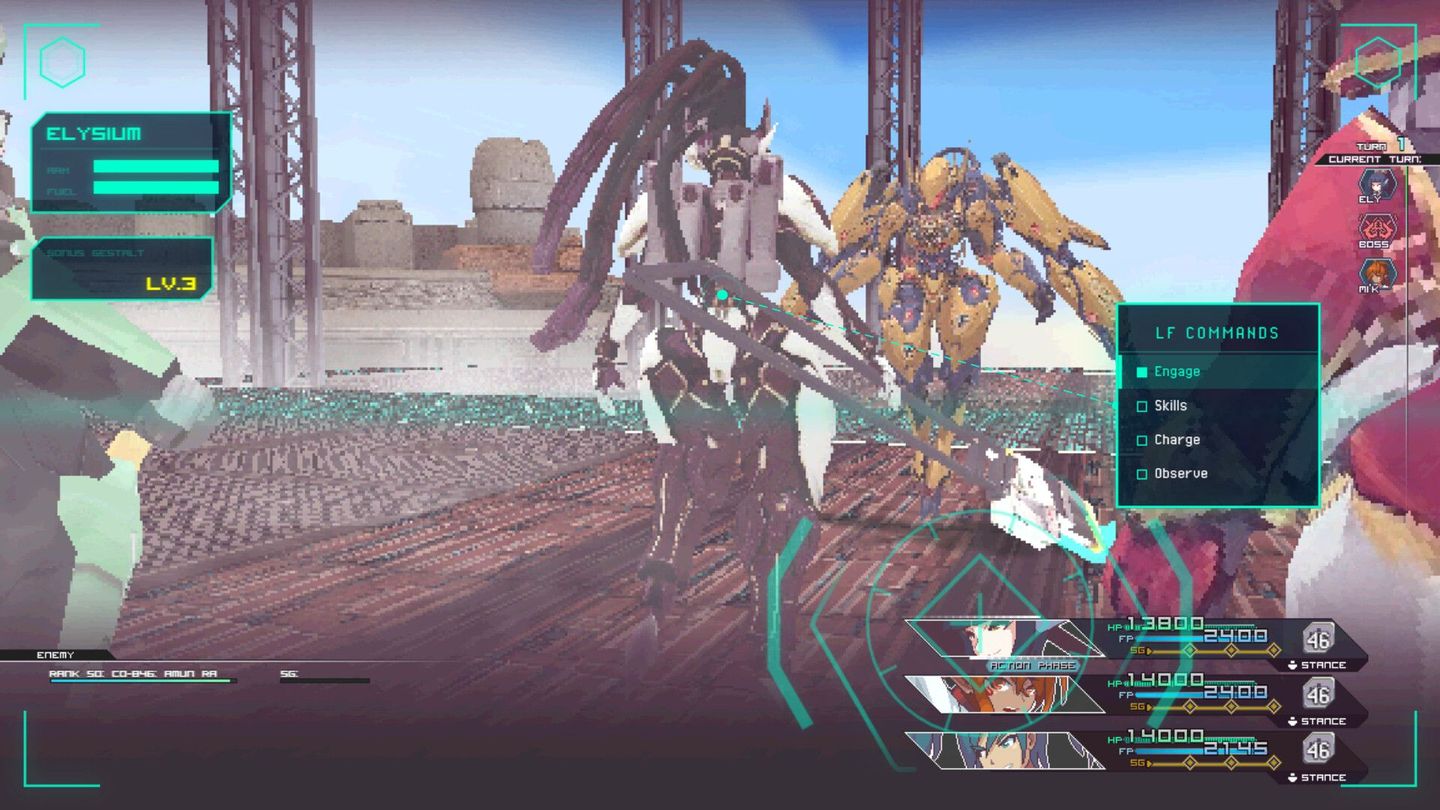
The game leans openly into PSX JRPG aesthetics and sensibilities, a passion project that feels designed to pull players back into the era of chunky polygons, cinematic storytelling, and carefully paced revelations. But nostalgia is only a wrapper. Underneath is a narrative that teases gospel versus deception, social fractures, and a Truth that threatens the fabric of Caelum itself.
A World Where Every Record Is Suspicious
The hook is simple and sharp: social opposites - people who would normally never share more than a glance - must cooperate. That interpersonal friction is the game's beating heart. As you push through missions, interpersonal drama and conflicting perspectives complicate every decision. The worldbuilding suggests layers of institutional control and curated histories, and the mission to "save" the world becomes a moral puzzle as much as a plot device.
Dialogue and investigation seem likely to play a big role. Given the description, expect hidden lore tucked into environmental details and quest logs that slowly unravel who benefits from the falsehoods. It feels built for players who enjoy peeling back onion-like narratives where each reveal reframes what you already thought you knew.

Combat That Rewards Timing and Mastery
Lie of Caelum: Spirit does not settle for static combat menus. It introduces a kinetic turn-based system that blends input combos with timing windows. Your damage and effects hinge on how precisely you chain commands and land timed actions. Perfect guards, timed criticals, and combo strings convert traditionally passive JRPG turns into moments of active skill.
Each character is designed with a unique kit that interacts with these mechanics, so role mastery matters. Bosses demand more than raw levels - they demand understanding how your squad's defensive windows, timed strikes, and combo synergies work together. If you prefer strategic depth over mindless grinding, this approach promises satisfyingly tense encounters.

Gear, Roles, and a Tiny Combat Companion
Gear in Lie of Caelum: Spirit does more than alter numbers. Some equipment fundamentally changes how a character plays, letting you redefine roles on the fly or double-down on a favored playstyle. That design encourages experimentation: a rare item can turn a secondary support into a frontline specialist, or vice versa.
And then there are Link Catalysts - small sentient floating robots that support combat and hide the key to a powerful transformation. They act as companions on the battlefield, providing tactical options beyond your human squad. Between role-shifting gear and Catalysts, the game aims to give players meaningful choices about how to approach each battle.
Secrets in the Static
Lie of Caelum: Spirit wants you to search the corners. Side quests, minigames like BURST TCG, and dense lore material promise a world built for digging. If the main narrative is an unraveling of institutional lies, these extras look positioned to fill in the blanks with character beats, cultural texture, and optional reveals that reward curiosity.
The BURST TCG minigame hints at a playful diversion for completionists, while side content likely holds keys to deeper story threads. From a design standpoint, that structure supports a layered experience: the main mystery can be enjoyed on its own, but dedicated players have more to uncover.
Final Impressions
Lie of Caelum: Spirit reads like a love letter to classic JRPGs with modern twists. It pairs PSX-era atmosphere and character-driven drama with an input-heavy combat system and transformational gear that encourage experimentation. Thematically, its focus on falsified histories and social fracture gives the game a darker edge beneath the retro stylings.
With its promise of a sprawling conspiracy, role-based battles that reward skill, and tiny sentient robots that do more than look cute, Lie of Caelum: Spirit is one to watch for fans of narrative-heavy JRPGs who like their combat to feel earned.