

Full Circle: A JRPG That Asks If Fate Is Optional
Full Circle opens with a simple, grim premise. Humanity lives above the ruined world in floating cities while mutated beasts and broken civilizations stalk the surface below. Young heroes are raised to brave the wilds and keep those last refuges alive. But a mission beyond the walls pulls them into contact with survivors, rival cities, and secrets that unravel everything they thought they knew.
The game leans on the tone and design of PS1-era JRPGs while adding modern mechanical twists. It promises a story-driven, bittersweet coming of age tale where loss and resilience sit beside surprising friendships. The mix of strategic, turn-based systems and real-time precision inputs feels designed to keep fights tense and cinematic, while exploration and environmental puzzles add context to the narrative beats.
Sky Cities and Surface Survivors
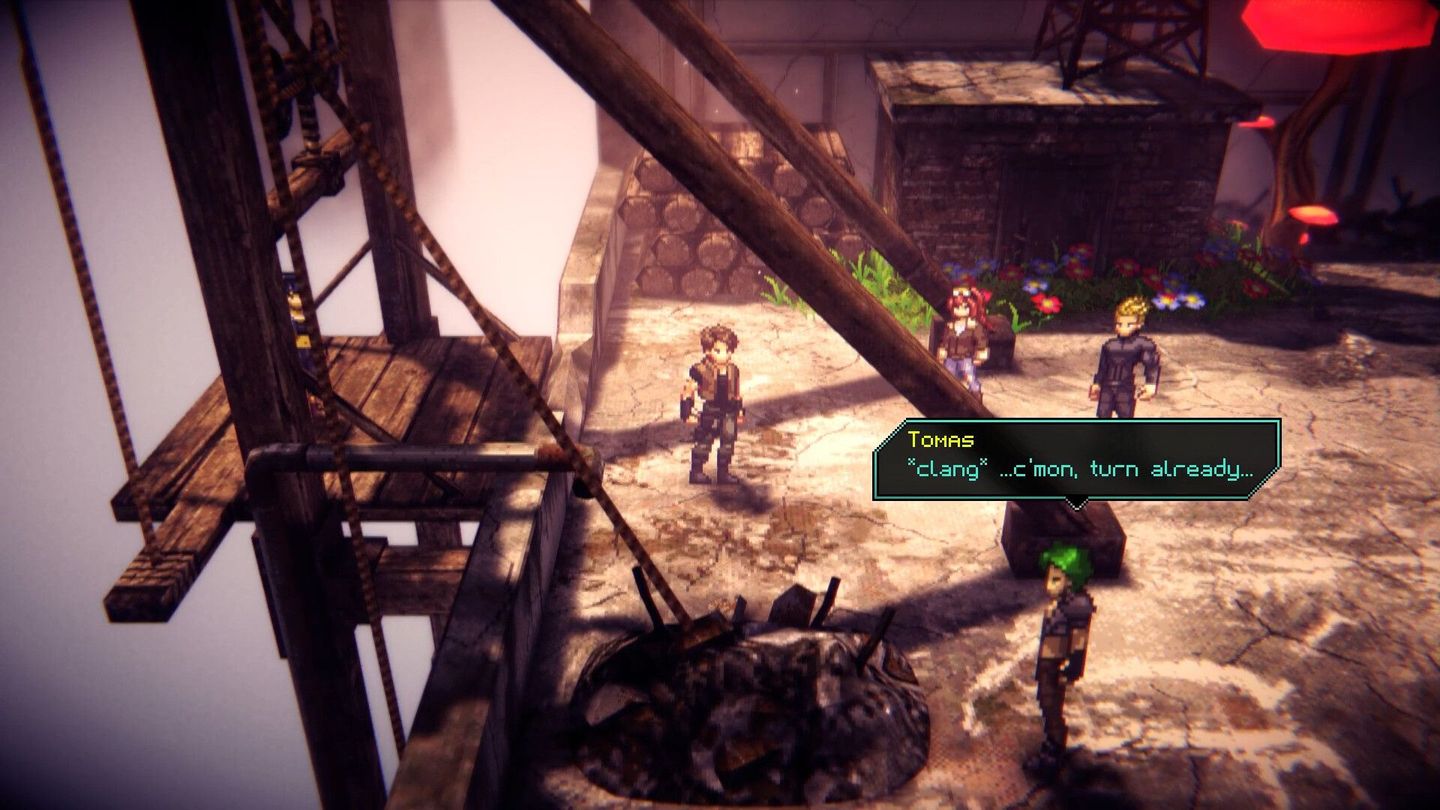
Full Circle builds a world divided by altitude and memory. Above, floating cities shelter humanity from the mutated horrors below. Beneath those cities, the surface has become a battleground of untamed wilds, ruined tech, and scattered survivor settlements. The game sets up a clear cultural contrast - communities that hoard knowledge and rules in the skies versus survivors who scrape out an existence on the ground.
That division is more than scenery. Early missions push the protagonists from a sheltered upbringing into a fracturing world where rival cities and hidden truths force tough choices. The narrative appears focused on slow revelations rather than instant answers. Expect bittersweet moments, moral friction among a diverse cast, and a steady unspooling of the reasons humanity fled skyward in the first place.
Combat That Rewards Both Tactics and Timing
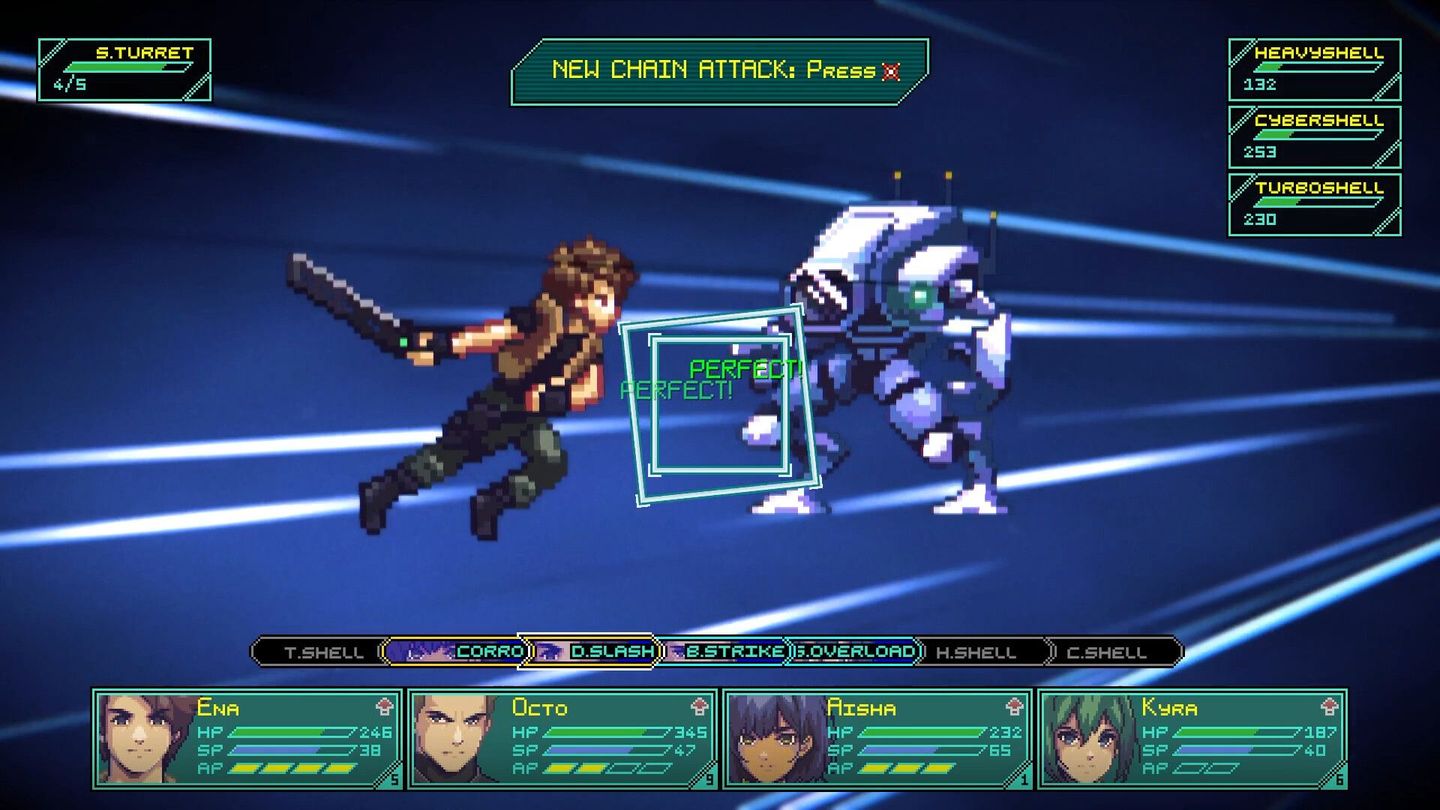
Combat in Full Circle blends strategic turn-based planning with real-time precision mechanics. You set up orders and strategies, then execute actions with well-timed inputs to chain attacks and extend pressure on enemies. The timing element is not just flavor. Pulls off precise inputs and you deny foes chances to react, open combo windows, and keep momentum on your side.
Each squad member brings a distinctive role to encounters. The toolkit includes deployed turrets, hacking abilities to turn machines into allies, taming mechanics for local beasts, and environmental control that can alter the battlefield. Party composition matters: mix four active fighters with four reserves to adapt mid-battle, and experiment with action orders to unlock powerful synergies. The design encourages both planning and active engagement rather than passive button-pressing.
Party, Exploration, and the World You Piece Together
Full Circle centers on a group of unlikely allies - survivors, outcasts, rebels, and believers - who must travel together to uncover the truth behind a broken world. Character abilities matter outside of combat as well. Expect environmental puzzles and challenges solvable by a specific skillset, which makes swapping party members meaningful during exploration as well as in fights.
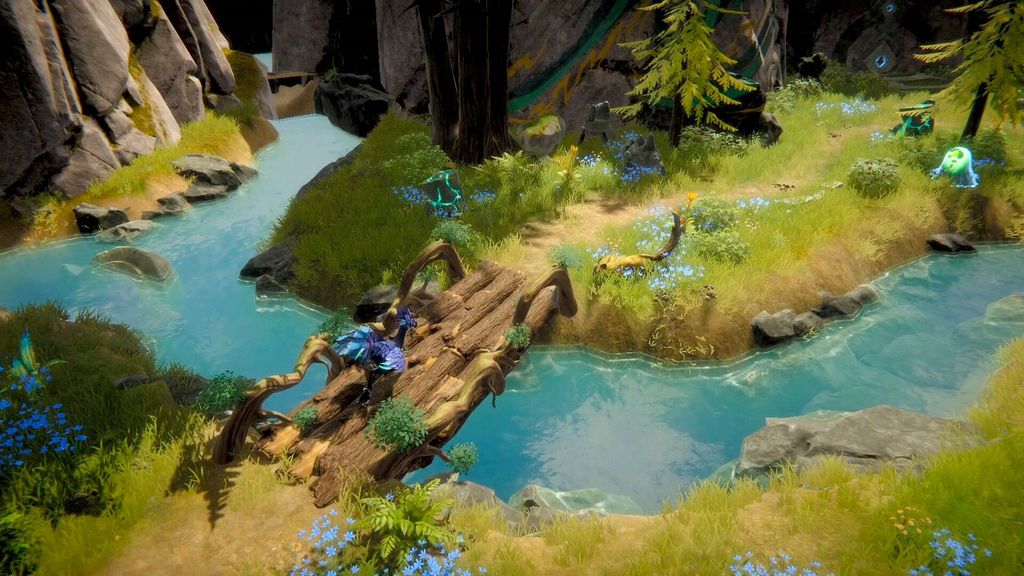
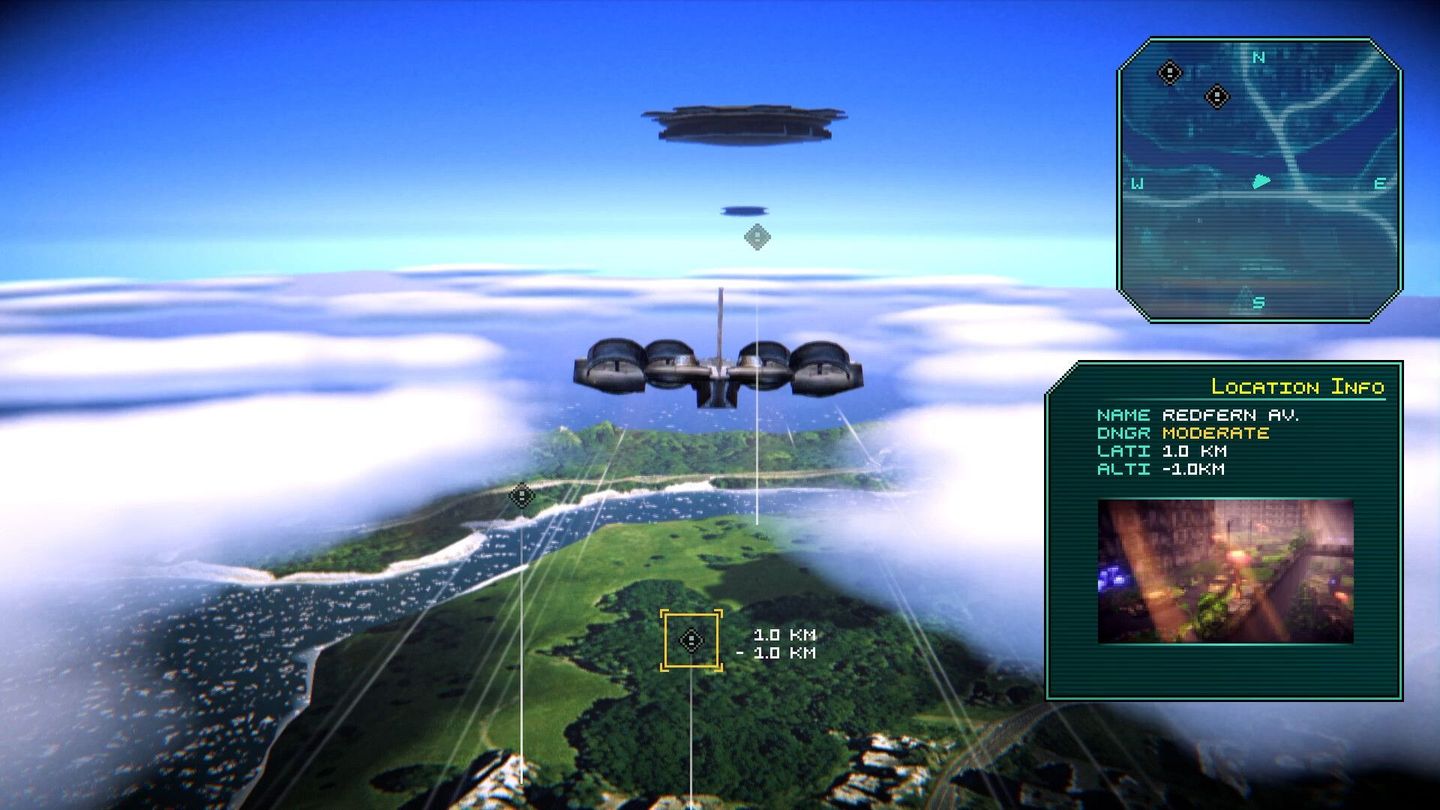
Exploration promises variety: ancient ruins with salvageable tech, settlements with their own cultures and secrets, and untamed regions where beasts can be tamed or studied. Hidden quests and creature-taming systems push players to poke at every corner of the map. The game seems to favor a methodical, discovery-first approach that rewards curiosity and experimentation.
Who Should Be Watching Full Circle
If you enjoy JRPG storytelling with an emphasis on atmosphere, party-driven character work, and combat that demands both a good plan and good reflexes, Full Circle is worth keeping an eye on. Fans of PS1-era aesthetics and slow-burn narratives will likely appreciate its tonal choices, while players who like tactical fights with an active timing layer will find the combat engaging.
Full Circle does not promise easy answers. It looks like a game that wants you to question the world around you, rearrange your party to meet new challenges, and decide whether fate is something to accept or something to fight.