
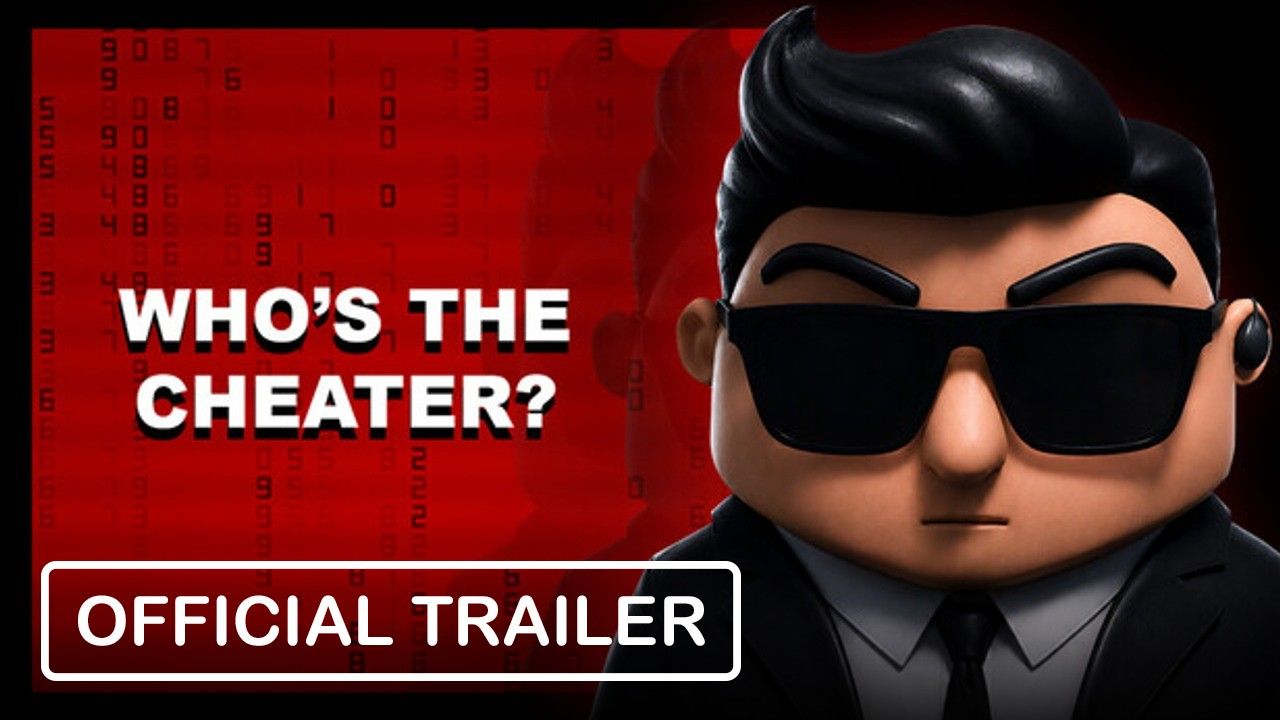
Who's the Cheater? A Social Deduction Game Where Cheating Is the Point
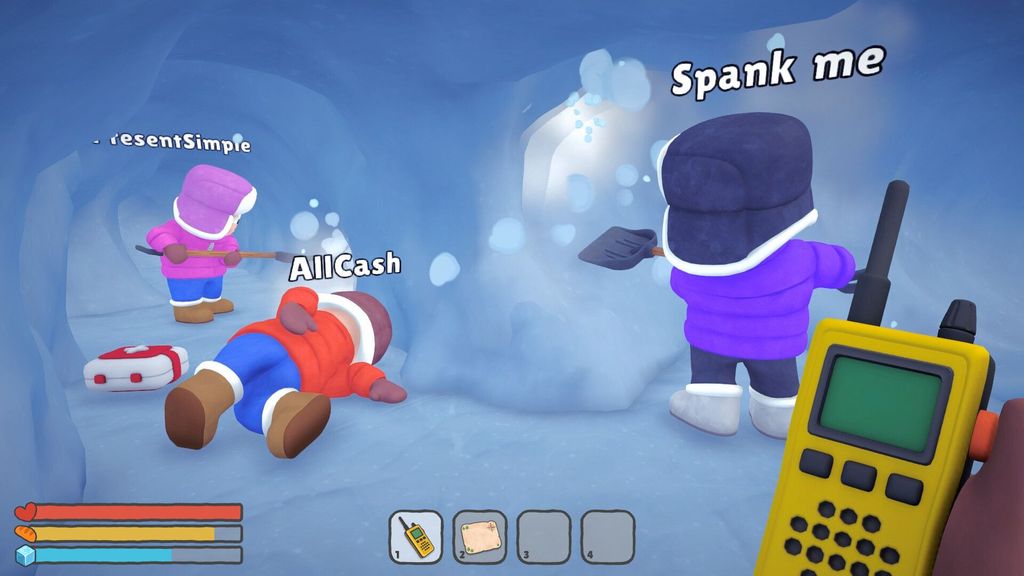
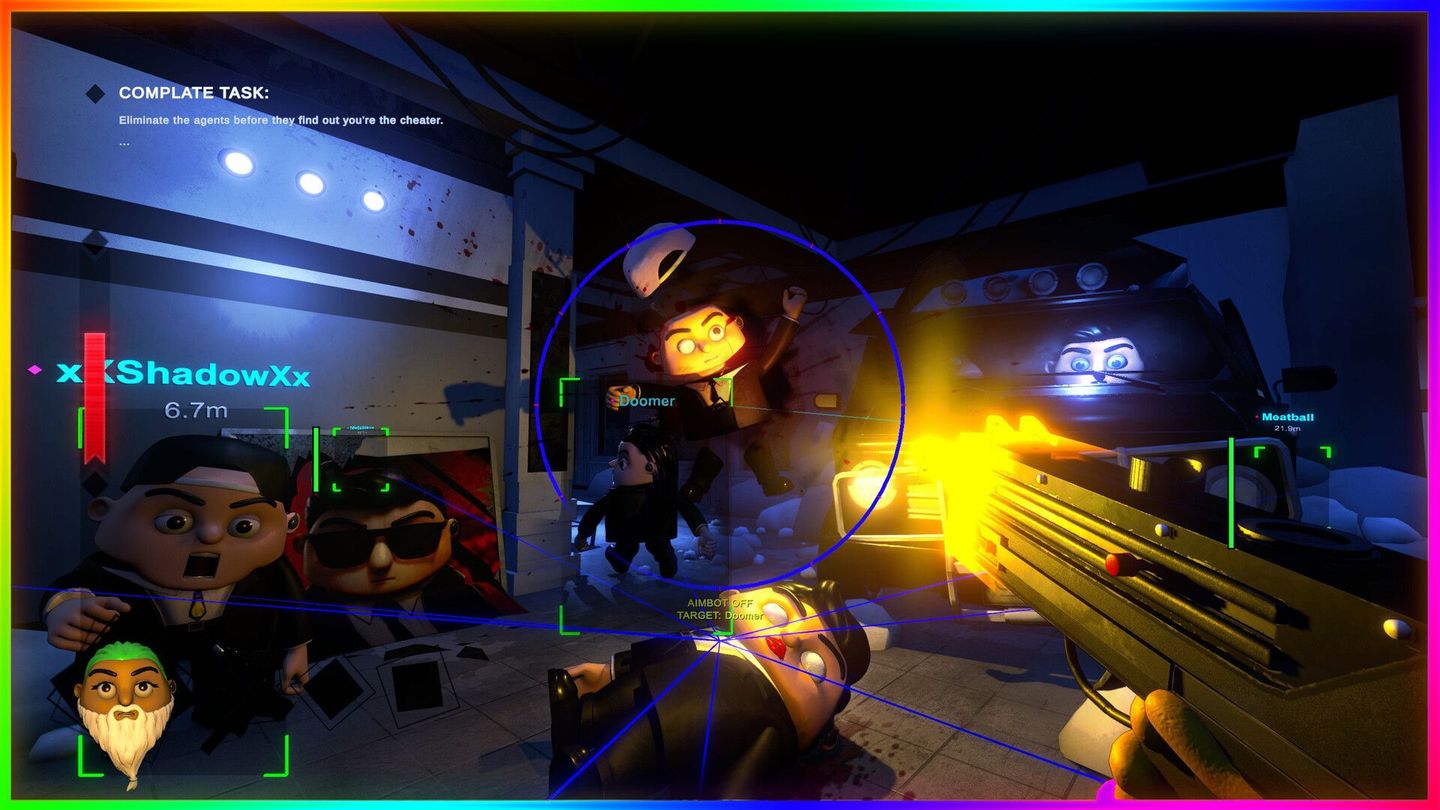
Base 52 is falling apart and someone is ruining the mission with full-on cheats. Who's the Cheater? flips the usual impostor formula by handing one player an arsenal of game-breaking tools. Aimbot, ESP, speed hacks, teleportation and more are literally part of the toolbox - if you get the Cheater role, use them wisely. If you are an Agent, your job is to finish tasks, watch suspicious movement, and vote out the saboteur before Base 52 collapses.
The Setup
Matches support up to eight players working together on up to 20 tasks that are described as approachable. Every round assigns roles from a small roster: Cheater, Base 52 Agent, Decoy, Promoted Agent and perhaps others the game hands out each run. Proximity voice chat and text chat keep conversations immediate and heated. There are public servers for random runs and private invite-only lobbies for friend groups who want the chaos to be personal.
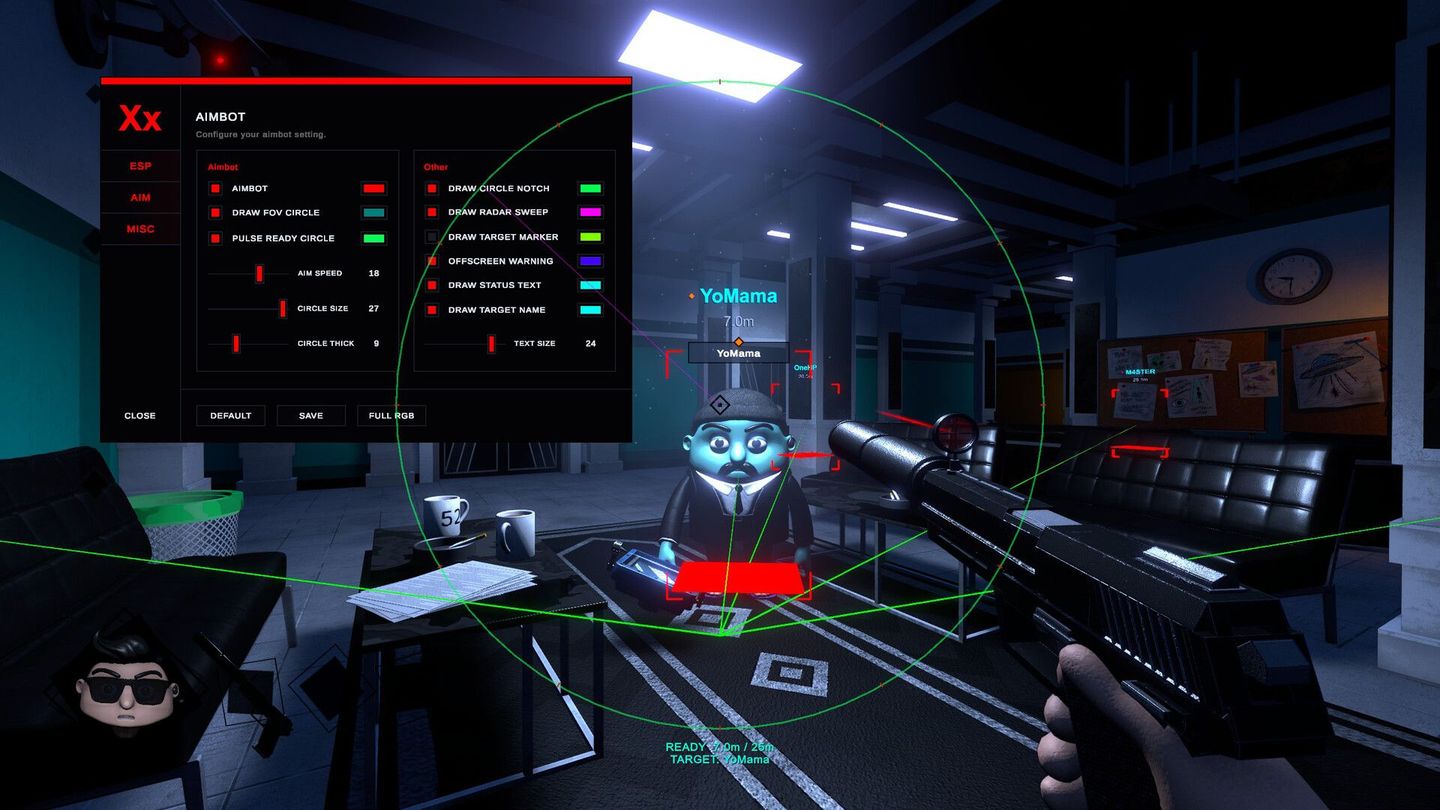
The twist is the Cheater role. Instead of hiding an ability set that feels fair, the Cheater is given a customizable cheat menu. Aimbot and ESP can reveal or target players, speed and teleportation let them appear in impossible places, and other modifiers let a creative cheater manipulate suspicion and opportunity. Hide your cheats well. If Agents catch you in the act, they will vote, and the Base 52 Agents win.
Gameplay and Roles
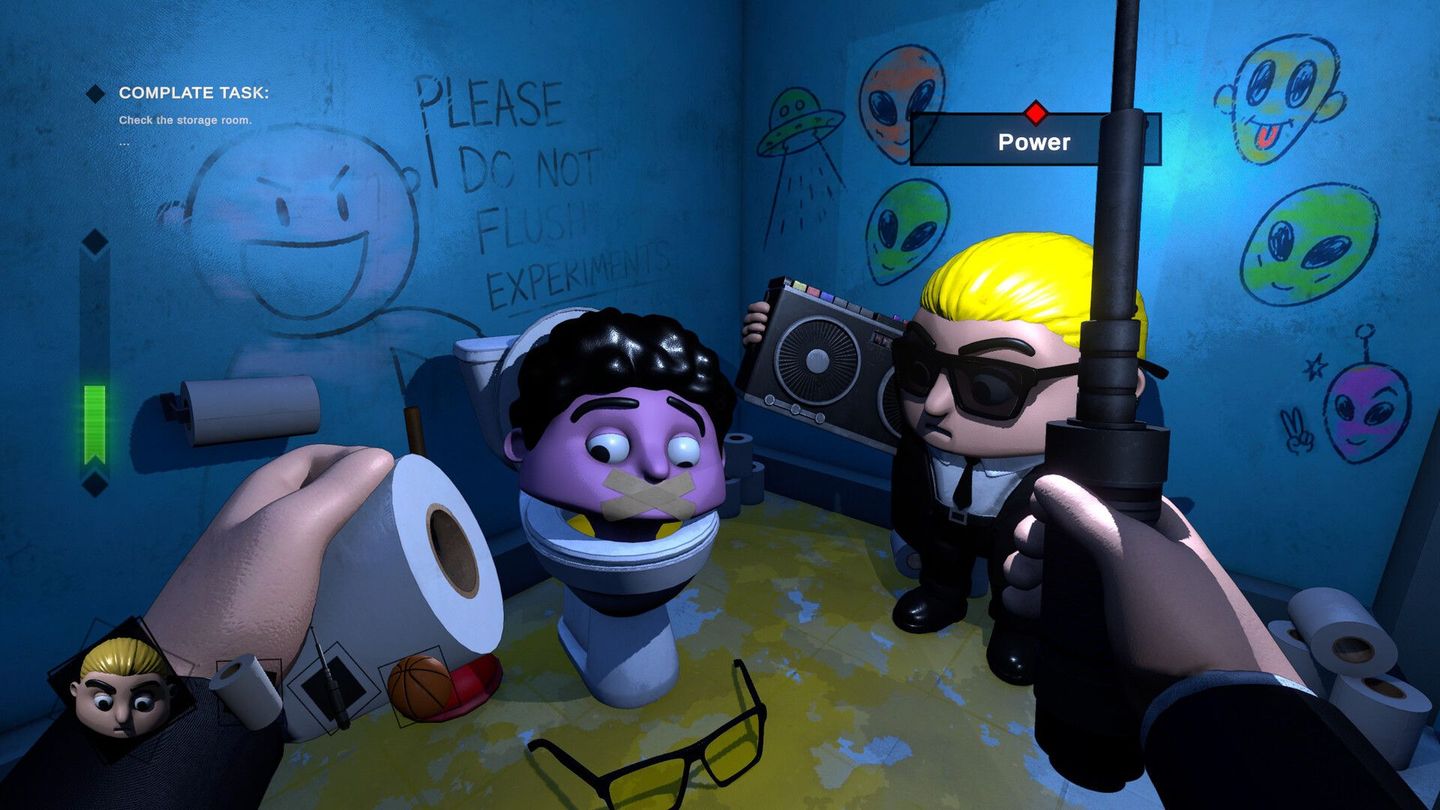
Playing as an Agent is about the usual checklist economy of social deduction: complete tasks, monitor movement, and lobby your teammates during votes. But the presence of explicit cheats raises the stakes. Agents must watch for impossible reactions, odd movement bursts, and inconsistent explanations. The game leans into drama with items that foster chaos, breakable environments that change the flow of a match, and an unusual revive system where you can pick up a fallen teammate's head to bring them back.
As the Cheater you are encouraged to be surgical, not sloppy. The game itself suggests "do not go ballistic, be smart, be strategic, make sure you do the right eliminations, be like water." That line captures it neatly. A good Cheater misdirects, uses tools to create plausible deniability, and times eliminations so suspicion lands elsewhere. The Decoy and Promoted Agent roles sound designed to complicate trust further, giving Agents extra false leads or delegations that alter priorities mid-match.
Social Chaos, Customization, and the Drama Economy
Who's the Cheater? is built to generate the kind of arguments that become stories players tell later. The voting system guarantees heated discussions, proximity voice means whispers and accusations travel only as far as you let them, and customizable characters plus cosmetic options let you personalize how you betray or defend.
The cheat menu itself is presented as player-facing customization rather than hidden code. That meta angle makes the game a study in how rules change when rule-breaking is sanctioned. There are also public and private lobbies if you want to experiment with strangers or punish your friends with carefully tuned misdirection. Breakable environments and drama items mean a round's geography can shift mid-game, and every new element is another place for suspicion to hide.
Final Notes
Who's the Cheater? is unapologetically built for social friction. It rewards subtlety and psychological play as much as mechanical trickery. Expect lots of accusations, creative defenses, and at least one friend who insists they "totally had lag" right before they teleport away.