
Frontline Logistics: Isarian Warfare Pinapagitna ang Logistika sa Giyera
"Ang totoo... mas mababa sa 1% ng digmaan ang totoong labanan. Ang natitirang 99% ay paghihirap sa mga trench - mula sa pambobomba, gutom, sakit, at daga."
Frontline Logistics: Isarian Warfare binibigyang-buhay ang madilim na obserbasyong iyon sa pamamagitan ng pausable real-time tactical at resource management sim. Ikaw ang huling natitirang company officer matapos ang airstrike, at ang trabaho mo ay hindi tungkol sa kabayanihan kundi sa pagpapanatiling buhay at epektibo ng isang marupok at pagod na pwersa. Tinuturing ng laro ang logistika bilang gameplay, hindi simpleng backdrop: mag-ipon ng ammo belts, magluto ng mainit na pagkain, magpagaling ng sugat, magsalvage ng piyesa, at i-repurpose ang anumang gumagana pa.
Command From the Drone Cockpit
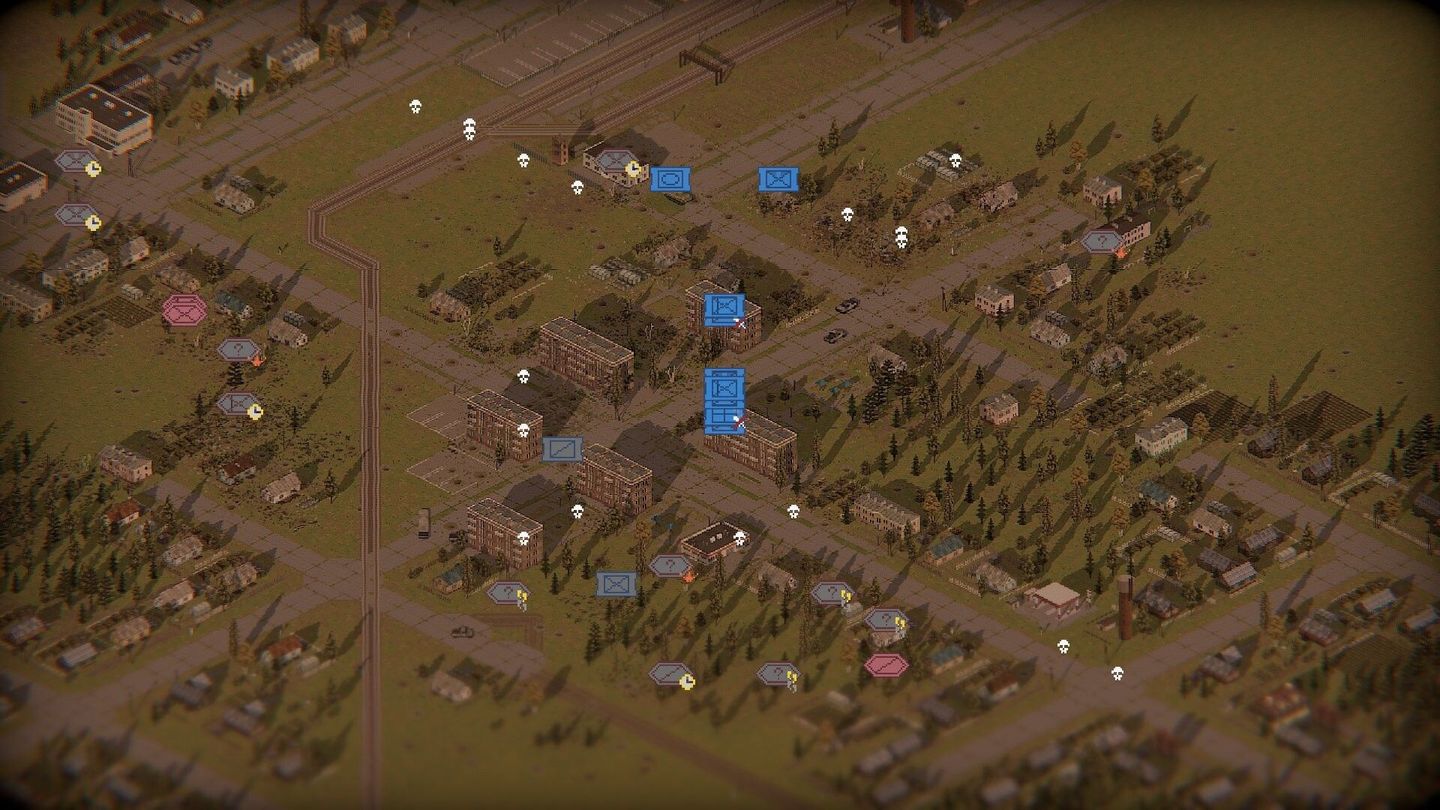
Hindi ka aalis sa command platform. Mula sa high-altitude drone combat command interface pinagmamasdan mo ang larangan ng digmaan nang real time at nag-uutos sa pamamagitan ng drone camera. Ang distansyang iyon ang nagdadala ng tactical friction - may latency at human factors ang mga utos - kaya mahalaga ang pag-anticipate at mabilis na pag-aayos sa gameplay. Masisira ang mga plano. Asahan ang pag-react, pag-improvise, at kung minsan ay pagtanggap sa magulong kompromiso.
Sinusuportahan ng interface ang pag-pause, kaya nabubuhay ang laro sa pagitan ng tensyong micro decisions at mas malawak na operational planning. Bubuo ka ng combat teams, magpapatawag ng artillery o air support, sasakupin ang mga cluster ng gusali bilang tabing, at i-i-push ang front habang hinahawakan ang napakaraming non-combat na gawain na nagpapanatili ng mga tao at makina.
The Grit of Daily Logistics
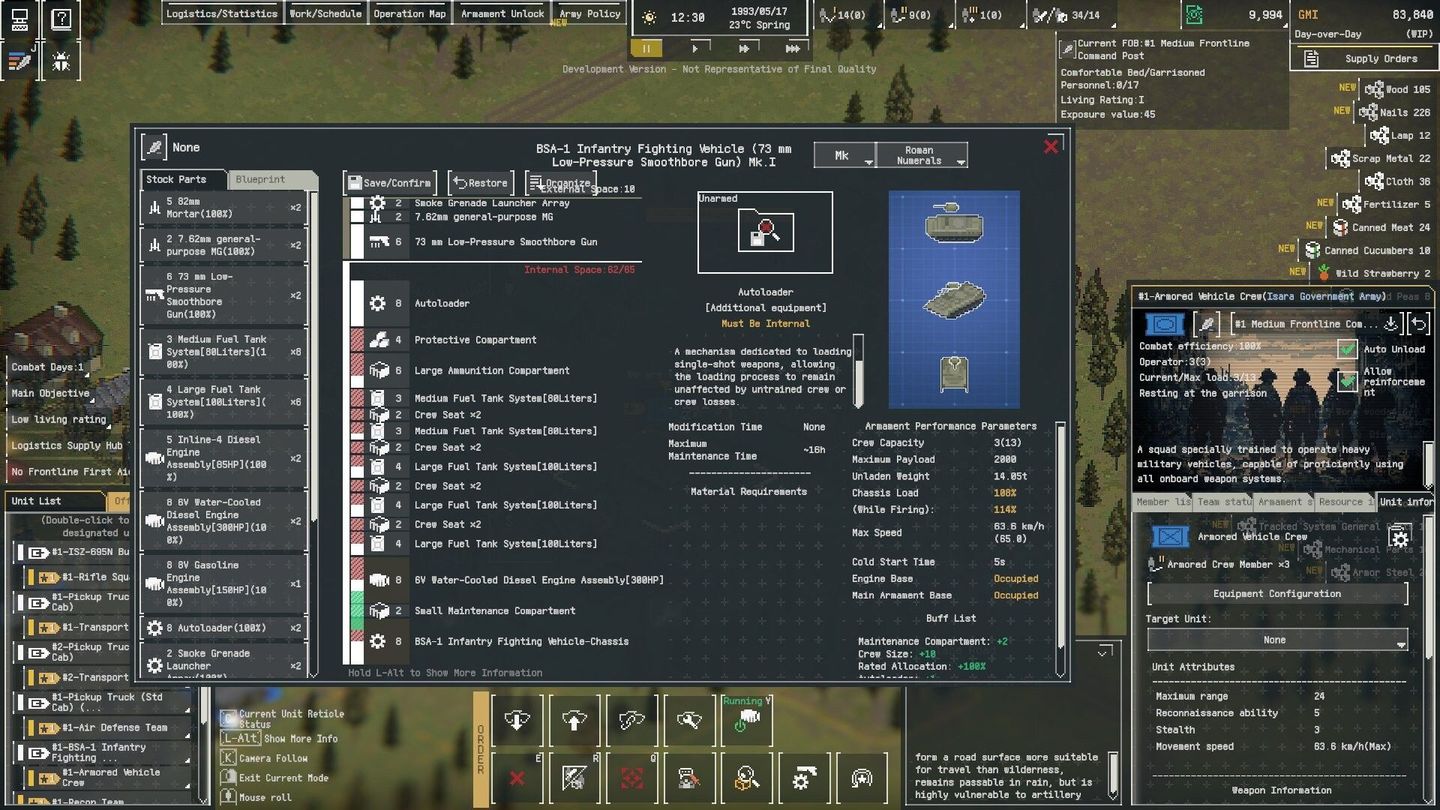
Ang larong ito ay walang paumanhin sa pagiging procedural tungkol sa maliliit, madalas napapabayaan na hakbang na nagpapatakbo ng isang hukbo.
- Hindi abstract na mga counter ang ammo belts. Dapat buuin ang maluwag na bala sa mga baklad sa ammo workshop bago magamit ng mga gunner.
- Ginagawang mainit na pagkain ng field kitchens ang mga nasagip na sangkap para ibalik ang stamina at morale.
- Ang malubhang nasugatan ay sumasailalim muna sa emergency surgery sa field bago ilikas sa rear aid points.
- Kinukuha at inihahanda para sa pagbalik ang mga nasawi. Binibigyang-diin ng laro ang recovery at pag-alala.
Ang scavenging at reuse ang mga pangunahing sistema. Maaari mong ayusin ang armament ng kalaban, i-graft ang mga piyesa para mapagana ang makina, at gawing supply outposts ang mga sibilyang gusali. Kung pwede pang ayusin, marahil dapat ayusin - dahil bihira ang replacement parts at ang improvisation ay kasanayan sa pag-survive.
Soldiers, Nutrition and Rescue
Sumusunod ang mga sundalo sa Frontline Logistics sa utos pero nananatiling indibidwal. Susunod sila sa commands, pero nangungumpiska rin sa gitna ng putukan, nag-iingat ng maliliit na sentimental na bagay, at minsan nagbabalik pa ng isdang nahuli para sa mess hall kung nagkaroon ng pagkakataon. Ang elementong ito ng pagiging tao ang lumilikha ng mga hindi inaasahang sandali na kumakalat sa logistika at morale.
Nutrition matters. The game models rations with tangible effects: protein boosts strength, vitamins help resist infection, snacks restore dignity, and drinks ease the monotony of field food. You can adopt rationing systems that mirror real rear-echelon versus frontline differences. Poor provisions will not stop you from fighting, but better-fed troops perform and recover better.
Battlefield rescue is a layered experience. From emergency on-site treatment to aid point surgery and evacuation, choices are hard and time-sensitive. Use helicopters to extract quickly at higher risk, or armored convoys to move wounded safer but slower. Bringing a medic along can buy precious minutes. The system rewards fast and thoughtful triage.
Visuals, Destructible Buildings and Real-World Symbols
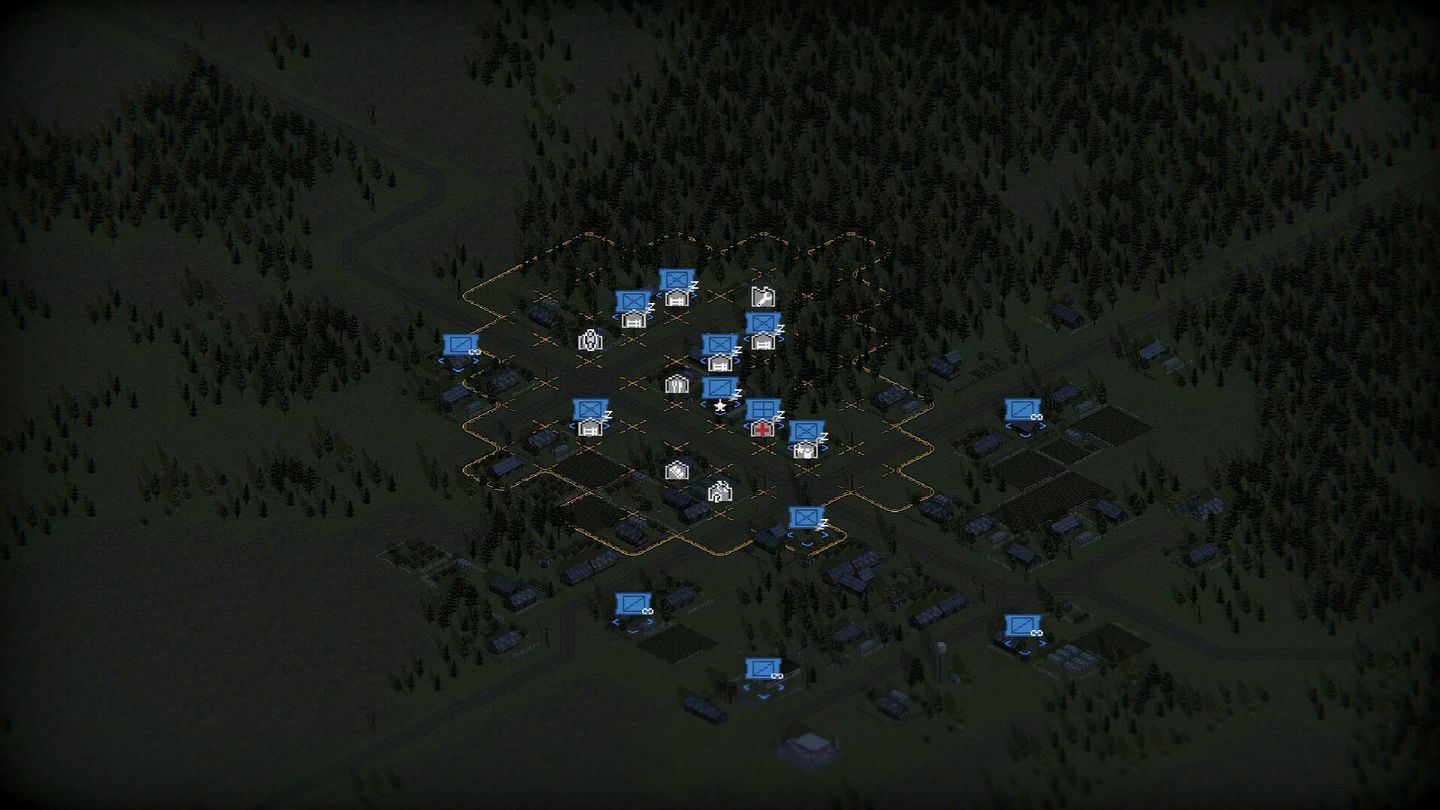
Frontline Logistics aims for immersion through clear visual language. Unit icons are based on NATO military symbols and update automatically when equipment changes. A recon squad on foot will display differently once mounted in a pickup, for example. That clarity helps you read the battlefield quickly.
Buildings are modular and destructible. Rooms respond dynamically to damage, so capturing or demolishing structures feels varied and consequential. The developers also emphasize multithreaded pathfinding optimization to keep unit movement smooth when the map and objectives get chaotic.
There are also situational events with narrative weight. Frontline journalists can arrive for interviews; the closer they get to action, the richer the footage and the better the rewards, provided you can keep them safe.
Systems, Outposts and the Long Game
Mechanically the game mixes base building, outpost automation, and tactical engagements.
- Establish frontline outposts to store supplies and house reinforcements.
- Assign soldiers to logistics roles, tweak priorities and shifts, and automate routine tasks.
- Capture hospitals, factories, and other special locations to leverage existing equipment.
- Grow food on wastelands to boost long-term nutrition.
- Dig trenches, stockpile supplies, and prepare for counterattacks.
- Unlock policies and weapons to evolve your force as you push forward.
Every element may produce unexpected developments. The developers list inspirations including Neo Scavenger, Gates of Hell, and RimWorld, and they frame the narrative around pivotal modern conflicts. You can name operations, compile battle reports that recount orders and outcomes, and preserve the memory of each soldier under your command.
Frontline Logistics: Isarian Warfare is not a celebration of combat spectacle. It is a systems-driven reflection on what keeps an army alive between confrontations. If you like tactical sims where scavenging, maintenance, and human moments shape outcomes as much as firepower, this one deserves a close look.