

OPERATIVES: Revolve - Cards You Can Almost Touch
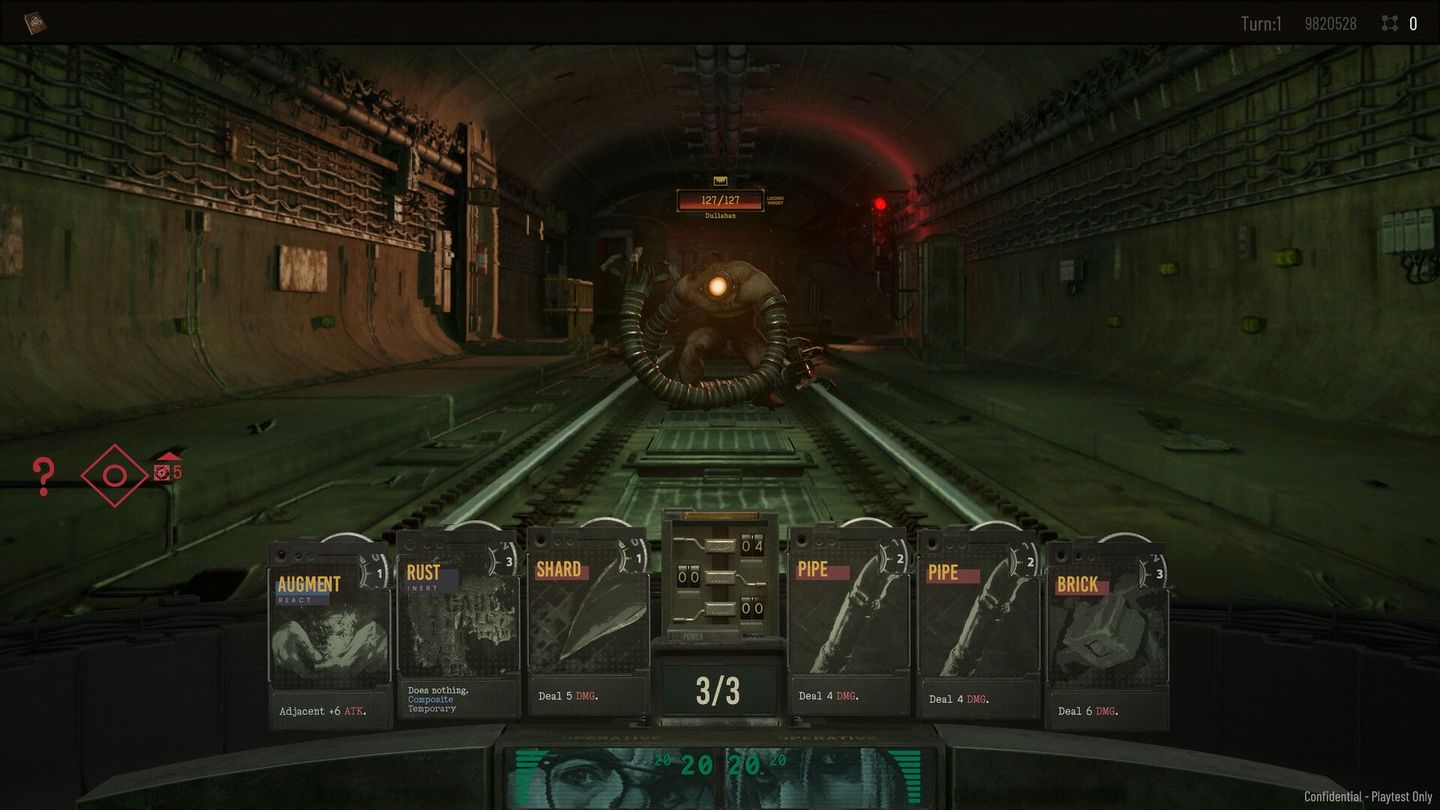
OPERATIVES: Revolve pitches itself as a deckbuilder with tactile stakes. Every card in your hand does double duty: it blocks bullets, blades and death, and it strikes back. Once you use a card it is discarded, but unlike most card games these cards can also be damaged and destroyed mid-run, creating a constant pressure on how you deploy your limited resources.
The setting is lean and cinematic. You play as Operatives, secret agents enforcing an ideology called the Machine Doctrine. Humanity did not invent the technology in this world; the Doctrine delivered it in a distant past and civilization grew around those gifts. That premise is mostly backdrop, but it gives the game a distinct flavor for missions and storytelling as you hunt resistors and pry into the world's mechanized mysteries.
A System Built on Components and Destruction
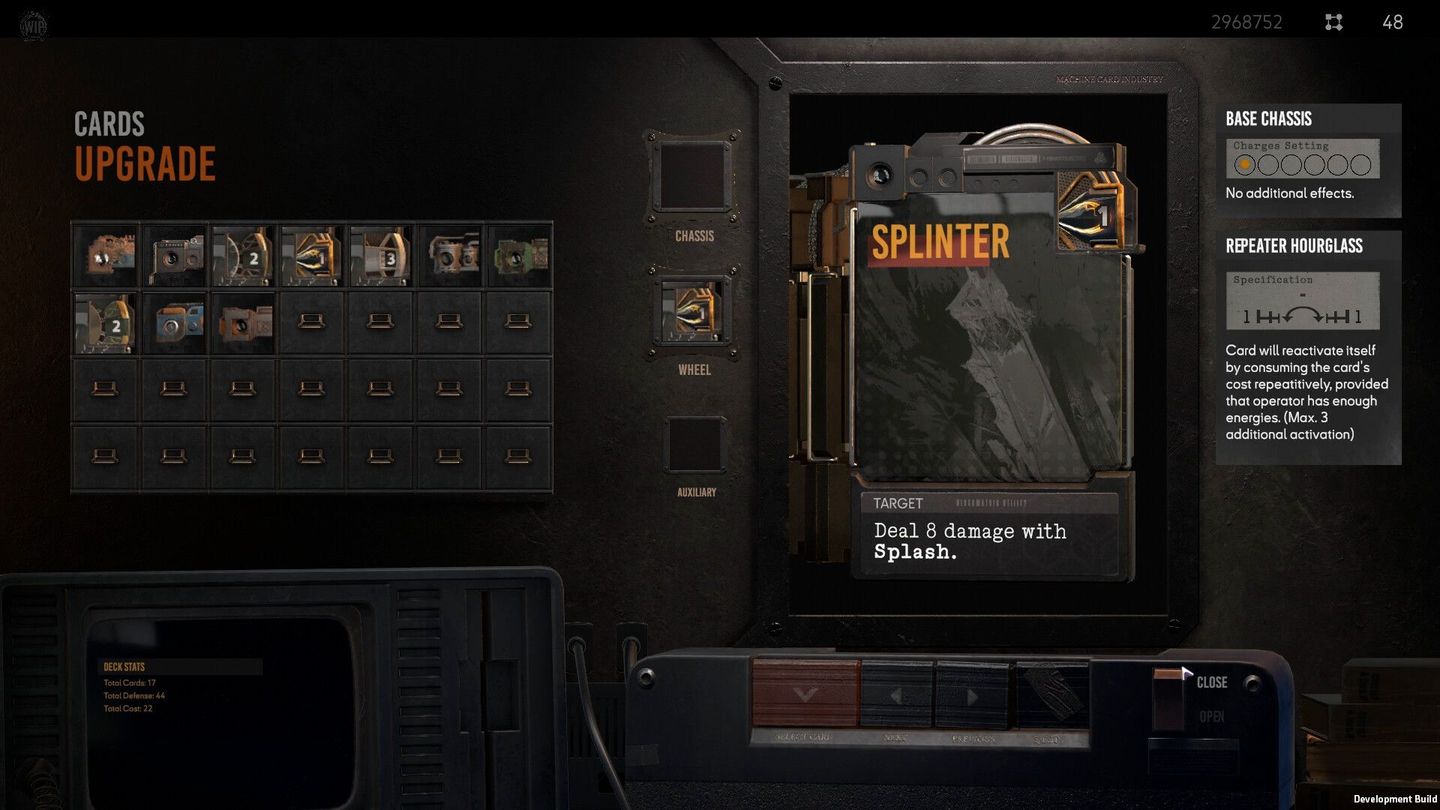
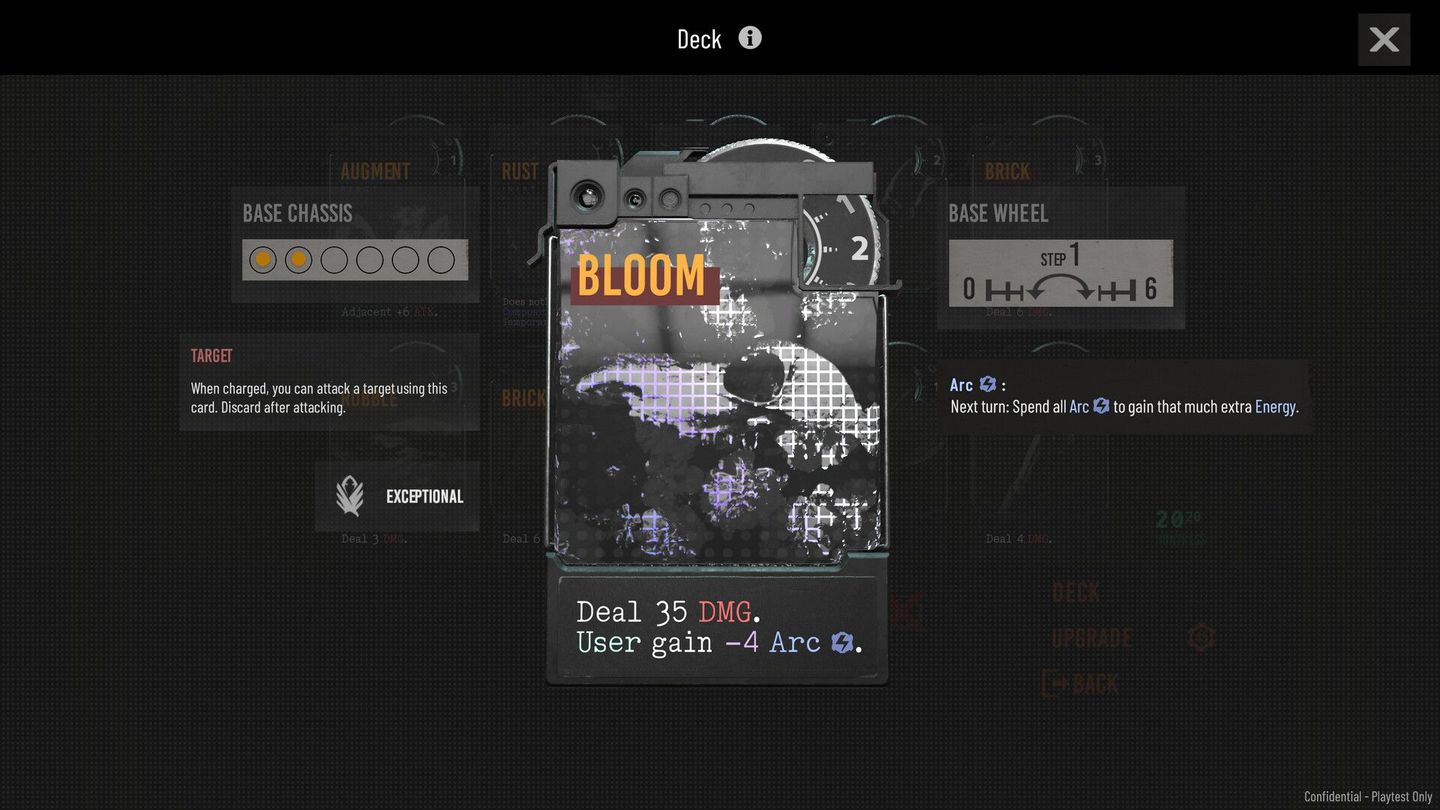
At the heart of Revolve is a modular upgrade loop. Each card can be improved by installing Chassis and Wheel components. Those components are not just stat sticks. They have distinct designs and effects that change how a card behaves, which encourages experimentation and optimization.
A standout rule is destructible cards. Cards carry a health system indicated by their Wheel. In battle they can take damage and be destroyed, which forces you to think differently about which cards you protect and when you commit them. That design wakes up the usual draw-play-discard loop and turns every decision into a risk-reward calculation.
Toolkits and Assets add another layer. These are powerful resources that tune component-card combos or introduce new strategic directions. You can swap toolkits at any time to shift your approach mid-run, which pairs well with the game's multi-synergy chain mechanics and emphasis on combo building.
Combat, Chains and Directional Pressure
Combat is described as intense and visually driven. Chain mechanics let you link multiple synergies into dramatic combos with clear visual feedback. That makes success feel kinetic and satisfying, and it promises a cinematic rhythm to each encounter.
Placement matters. Enemies attack from multiple directions, so where you put a card in your hand or field affects whether it blocks incoming fire. Combined with destructible cards this multi-directional pressure turns fights into spatial puzzles as much as resource management problems.
Enemies are not static. The game touts evolving behaviors that can be rolled and remixed each run, which should keep encounters feeling fresh and force you to adapt your component builds and toolkit choices.
Operatives, Replay and Performance
Revolve supports variety through its Operatives. You pick two out of six Operatives for each run, and each character brings a unique card pool and synergies. Pairing different Operatives changes how cards interact, which amplifies the game's replayability and the possibilities for creative deck combos.
The developers also highlight accessibility for lower-end hardware. The game is optimized to run smoothly on older devices and aims to launch with Steam Deck Verified support, suggesting they want Revolve to be playable on handhelds as well as desktop rigs.
OPERATIVES: Revolve looks like a game that wants players to tinker, adapt and feel the weight of every card played. Its mix of destructible cards, component upgrades and directional combat could make each run feel urgent in a way few deckbuilders attempt.
➡️ Check out OPERATIVES: Revolve now on Steam