
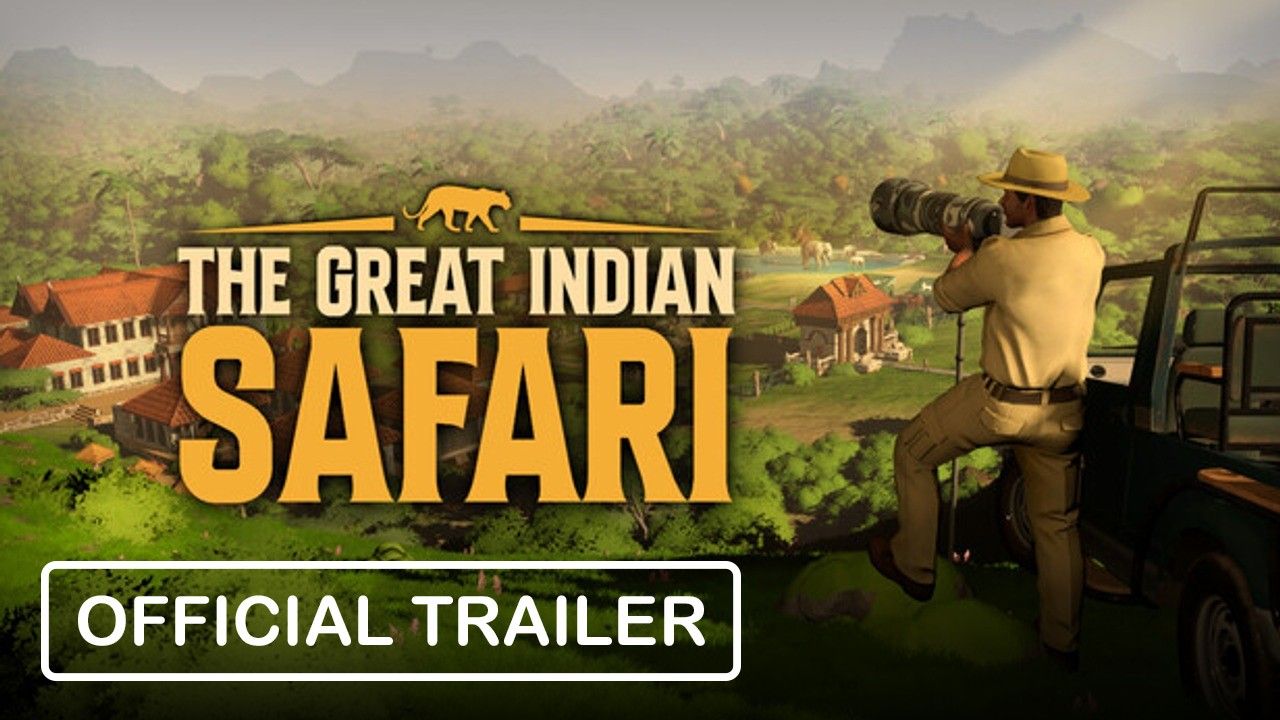
The Great Indian Safari - where conservation meets the perfect shot
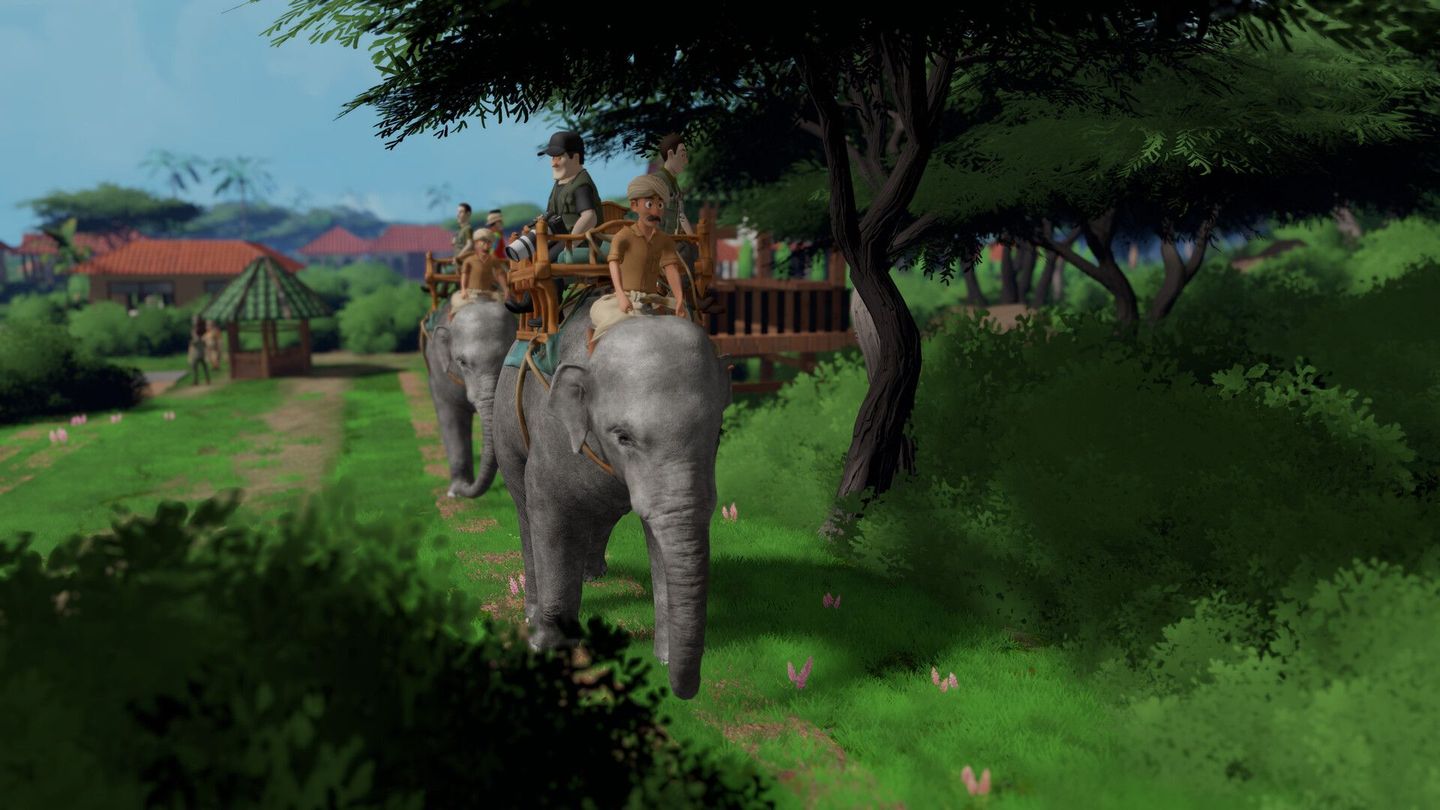
The Great Indian Safari asks a simple question: can you steward a wilderness and make it famous without breaking it? It blends large-scale ecosystem simulation with camera-first goals. You build habitats, reintroduce species, and design safari circuits while watching individual animals live out dramatic lives. The game leans into India's unique biodiversity, promising Bengal tigers, Asian elephants, leopards, one-horned rhinos, sloth bears, wild dogs, gharials, and many more behaving like... well, actual wildlife.
Animals with stories, not stats
This is not a checklist of icons. Many animals in the reserve are named, tracked, and given narrative beats. Expect characters such as Scar the one-eyed leopard, Matriarch the elephant grandmother, and Ghost the elusive white tiger. Births, deaths, rivalries, and rites of passage all create emergent photo opportunities and shift your reputation. Seeing a calf take its first steps or watching a territorial showdown is as important to your park's identity as the numbers on a balance sheet.
The creatures are driven by systemic behaviors and habitat needs. Predators hunt, herds migrate, and territories form without you scripting every scene. That means memorable moments will feel earned rather than canned.
Rewilding, balance, and fragile ecosystems
Rewilding is a core loop. Introduce species carefully and watch ecosystems find their balance. Predator and prey dynamics, habitat stability, and species diversity all factor into ecosystem health. Neglect one pillar and the reserve can fail slowly, then suddenly. Disease, poaching, and natural disasters are real threats. Monsoon migrations can shift entire herds overnight, and flash floods may force you to rethink paths and facilities.
Your conservation score depends on biodiversity, habitat quality, and the long-term stability of populations. The simulation is intentionally systemic so decisions have ripple effects. That lets you focus on higher-level strategy rather than micromanaging every animal.
Photography as proof and game economy
Photos are not an afterthought here. They are proof that your conservation works and the main lever for publicity and revenue. Every wildlife moment spawns dynamically based on ecosystem conditions, animal traits, and chance. Each snapshot is rated on species rarity, action, lighting, composition, and proximity risk. A spectacular capture - say a tiger hunt at golden hour or a leopard cub's first climb - can score above 85 and go viral. Viral shots trigger visitor surges and revenue multipliers that last for days, letting you convert conservation success into real funding.
That scoring system pushes you to plan both for biodiversity and for optics. Sometimes the best conservation decision is the one that creates the right photographic moment.
Designing safaris, guests, and flow
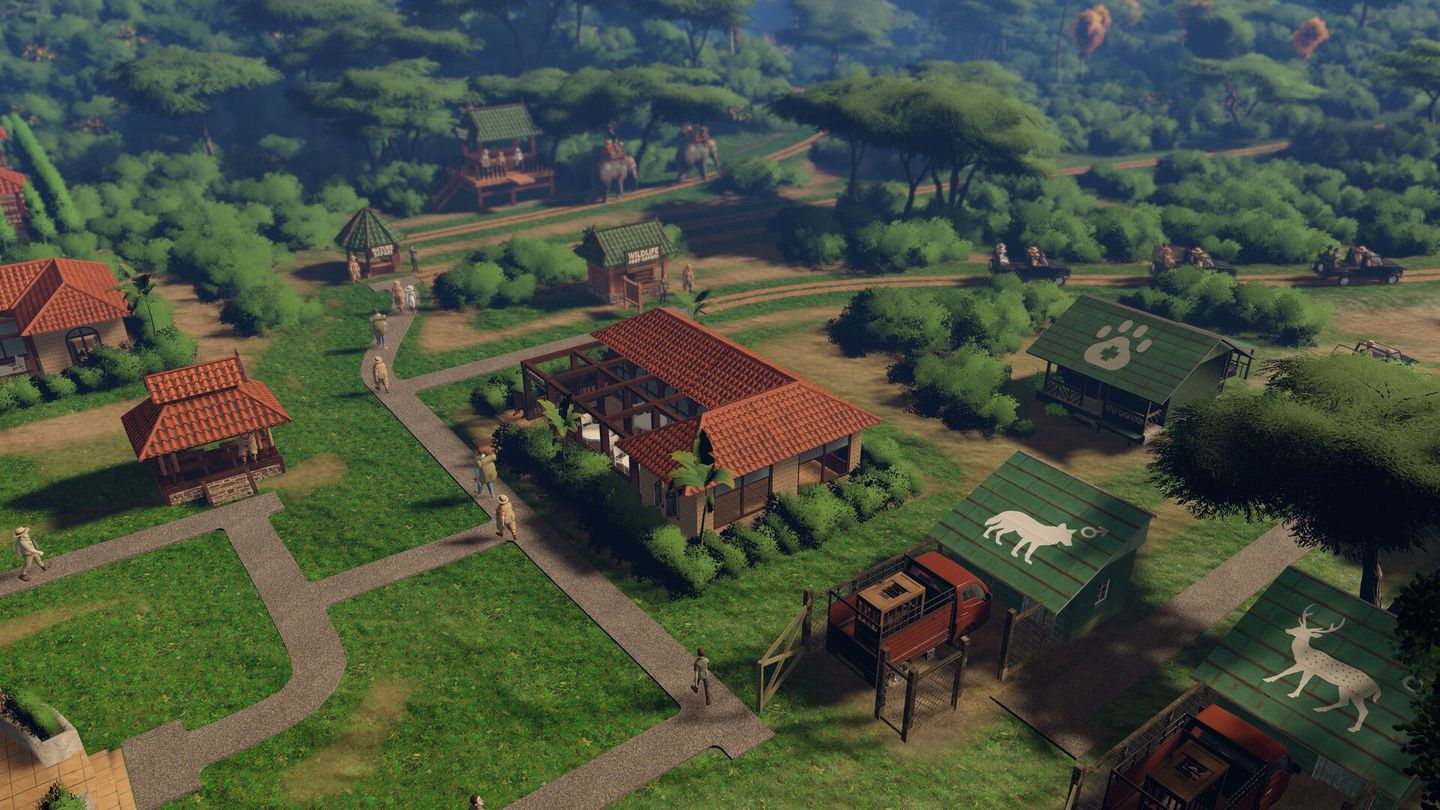
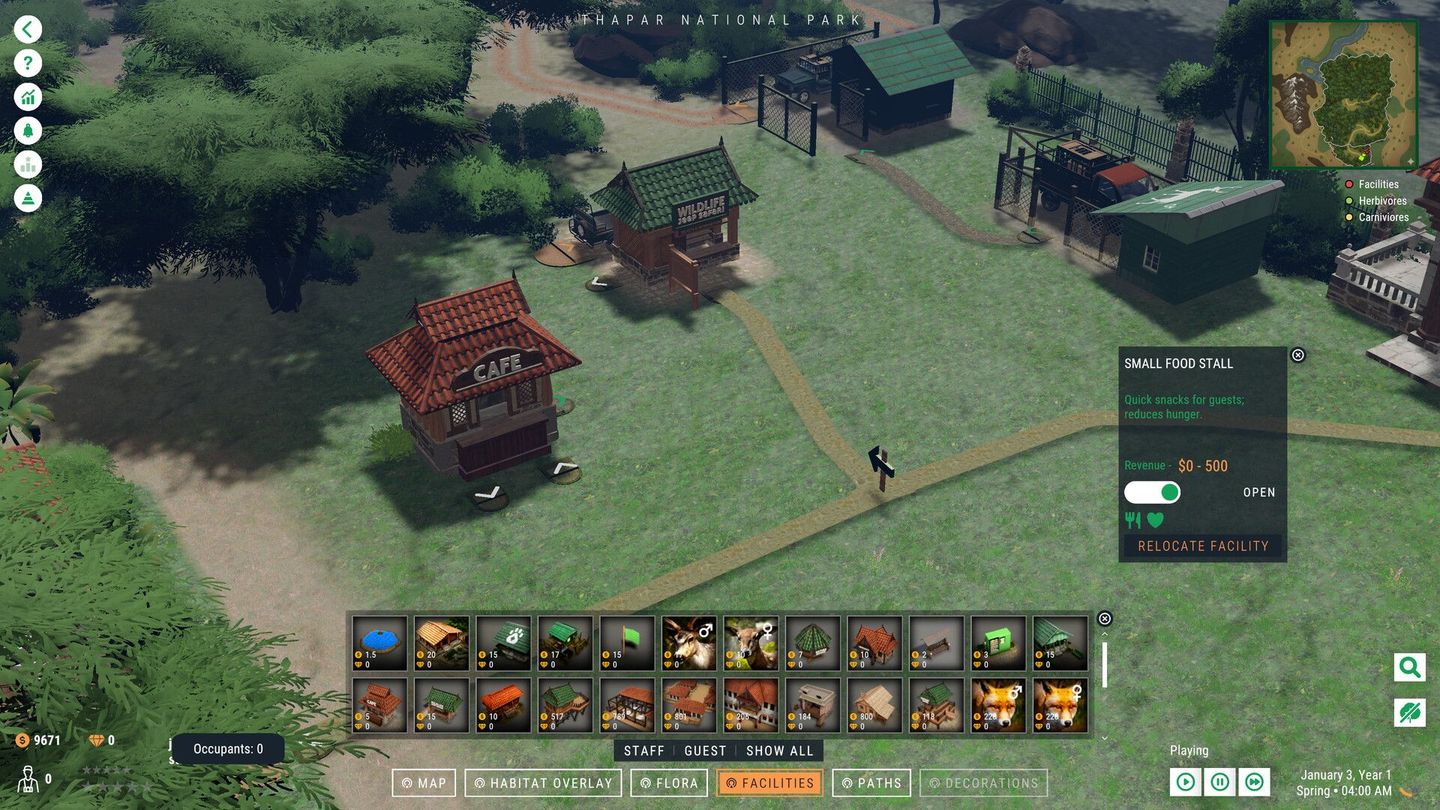
Tourism is a tool, not a villain. You design safari routes with automation tools that behave like conveyor logic: splitters, mergers, and switches help balance visitor flow so you can concentrate on strategy. Build footpaths, jeep circuits, lodges, and viewing blinds tailored to eight visitor archetypes. Foodies, Thrill-Seekers, Photographers, and Luxury Tourists each arrive with different expectations and budgets. Choose to specialize or try to appeal broadly, but remember: reputation rests on two pillars and both must be tended.
Visitor satisfaction, facility quality, and photo moments form your ecotourism health. An empty park cannot fund conservation, while over-tourism can stress wildlife. The challenge is keeping those scales in sync.
Crisis management and staff systems
Crises are frequent and consequential. Poaching incidents require ranger response. Disease outbreaks demand quarantine and veterinary intervention. Mating seasons can spark violent territorial battles. Each emergency forces resource allocation decisions that affect both animals and people.
Staff are organized into pools - Veterinary, Ranger, Guide, Hospitality, and Operations. Assign them to facilities and let the simulation handle the rest. There is no micromanagement of individual workers; outcomes emerge from good placement and planning. That design lets you focus on big-picture choices while the reserve breathes.
Progression and the long view
The Great Indian Safari tracks your ascent from Local Park through Rising Destination, Regional Landmark, National Treasure, World Heritage, and finally Global Icon. Each tier raises the bar on both ecosystem and ecotourism metrics, preventing one-note strategies from carrying you too far. Higher ranks demand stronger biodiversity, steadier habitats, and consistently satisfying experiences for increasingly sophisticated visitors.
The wilderness will not follow your schedule. Rare species windows, seasonal migrations, and weather-driven events force you to adapt. Each crisis is an opportunity if you can respond quickly and wisely.
Why this one matters
The Great Indian Safari promises to be a thoughtful blend of systems-driven conservation and show-stopping wildlife photography. It trusts players to balance hard, sometimes heartbreaking choices while rewarding patience with unforgettable natural drama. If you like management sims that let you step back and watch complex systems unfold while still chasing that single iconic photograph, this one deserves a place on your radar.
➡️ Check out The Great Indian Safari now on Steam